
 English
  العربية
  Español
  Deutsch
  Français
  Português
  Русский
  日本語
日本語  Italiano
  Nederlands
  Svenska
  Suomi
Suomi  ไทย
ไทย  Dansk
Dansk  Ελληνικά
  Bahasa Melayu

The maintaining natural grass sports fields in Australia is becoming increasingly challenging. Extreme weather conditions, water restrictions, high maintenance costs and intensive year-round usage can quickly affect the quality of natural turf surfaces. This is why more Australian sports organisations are turning to artificial turf for sports fields as a reliable alternative.
Modern synthetic sports turf is no longer the hard, artificial-looking surface many people remember from the past. Today’s, like MightyGrass advanced artificial grass systems are engineered with realistic yarn structures, improved shock absorption, high-performance drainage and specialised designs for different sports applications.
Whether you are managing a football field in Melbourne, an AFL training ground in Victoria, a community sports facility in Perth or a school playground in Queensland, choosing the right sports artificial turf in Australia can help you create a safer, more consistent and lower-maintenance playing environment.
In this guide, you will learn where artificial turf is used across Australian sports facilities, the key benefits of upgrading from natural grass, and how to choose the right synthetic sports turf solution for your project.
What Types of Sports Fields in Australia Use Artificial Grass?
Australia has a diverse sporting culture, and artificial turf is now used across many different sporting applications. While football remains one of the largest markets, synthetic turf solutions are increasingly being adopted by schools, councils, clubs and professional training facilities. Below is a summary of some of the most common sports facilities with artificial turf in Australia.
Football/Soccer Fields
Football (soccer) is one of the fastest-growing sports in Australia, and high-quality playing surfaces are becoming increasingly important as clubs manage heavier training schedules and competition requirements.
Many football facilities are replacing natural grass areas with synthetic football turf because artificial surfaces can support significantly more playing hours throughout the year. Furthermore, artificial turf helps clubs maintain a consistent field surface, meeting your needs for daily training, community matches, youth development programs, and professional-level competitions.
For high-performance football projects, turf systems designed according to FIFA performance requirements are commonly selected. FIFA artificial football turf typically focuses on factors such as:
| Performance Factor | Why It Matters |
| Shock absorption | Helps reduce impact on players’ joints |
| Ball roll consistency | Supports predictable gameplay |
| Vertical deformation | Improves player comfort and safety |
| Surface drainage | Maintains usability during wet conditions |
| Durability | Handles intensive training and matches |
As a FIFA-approved artificial turf manufacturer, MightyGrass can provide you with FIFA-certified football turf solutions designed for high-quality football applications. The grass fiber height is typically 40 mm to 60 mm, depending on your field conditions and performance requirements.
AFL Training Grounds
Australian Rules Football requires large playing areas and surfaces that can withstand frequent training activities. Although many AFL match grounds continue to use natural grass, artificial turf is increasingly used in:
- Training areas
- Warm-up zones
- Community AFL facilities
- High-traffic practice areas
For AFL environments, durability is a key consideration. Training surfaces may experience repeated running drills, tackling exercises and concentrated foot traffic in specific zones.
High-quality sports turf helps maintain a consistent appearance and playing condition without the bare patches and uneven areas often caused by heavy training.
Rugby Fields
Rugby places significant demands on playing surfaces due to frequent player contact, sprinting, sudden direction changes and high-impact movements. Artificial rugby turf provides a stable surface that can withstand intensive usage while maintaining better consistency throughout the season. In coastal areas of Australia, such as Sydney and Brisbane, the following factors should be considered for rugby fields:
- Strong yarn resilience
- High stitch density
- Effective shock absorption systems
- Reliable drainage performance
Futsal Courts
Futsal facilities often require compact playing areas with extremely high usage frequency. Indoor and outdoor futsal venues benefit from artificial turf because it provides:
- Consistent ball interaction
- Low maintenance requirements
- Improved availability compared
- Long-term cost efficiency
For commercial futsal centres, where the surface may be used several hours every day, selecting a durable synthetic turf system is essential.
Hockey Fields
Field hockey requires specialised turf characteristics because ball speed, surface smoothness and consistency directly influence gameplay.
Unlike artificial turf used for landscaping, hockey field turf is divided into sand-based and water-based fields, which require strict control over fiber height, density, and surface properties. International hockey facilities commonly use short pile synthetic surfaces, often designed around specific speed and ball-roll requirements.
Cricket Practice Areas
Cricket training facilities across Australia are increasingly using artificial turf for practice wickets and surrounding areas. Synthetic cricket surfaces provide a practical solution because they can:
- Handle repeated bowling practice
- Maintain consistent bounce characteristics
- Reduce maintenance with practice wickets
- Support year-round training
Schools and Community Sports Fields
Schools, universities and local councils are some of the biggest users of artificial sports turf in Australia. Educational facilities often face a common challenge: limited space combined with high daily usage. A natural grass field used by hundreds of students every week can quickly become damaged, especially during wet seasons. Artificial turf allows schools and communities to create multi-purpose sports areas suitable for:
- Football
- Rugby
- Athletics training
- General recreation
- Outdoor activities
Multi-Sport Facilities
Many Australian sporting facilities are designed for multiple activities rather than a single sport, such as football and rugby or tennis and padel. When choosing the right turf size, consider the performance of various sports and a well-designed artificial turf system to balance different application needs. Durability and athlete safety should also be taken into account. Common multi-sport applications include:
- Community recreation centres
- Private sports clubs
- University campuses
- Municipal facilities
Other Artificial Turf Sports Facilities
The popularity of racket sports is growing across Australia, creating new demand for specialised artificial turf surfaces.
While traditional tennis courts, padel and pickleball facilities often use acrylic, clay or hard court systems, artificial turf has become a popular choice for recreational tennis facilities, training courts and multi-sport environments because it provides a softer playing feel and requires less maintenance compared with some traditional surfaces.
MightyGrass provides customised synthetic turf solutions for emerging sports applications, including tennis, padel and pickleball courts, helping sports facilities create durable and low-maintenance playing environments.
If you want to quickly find the right artificial turf for your sports facilities, please contact our professional team immediately. We help you strike a balance between quality artificial turf and cost for different projects.
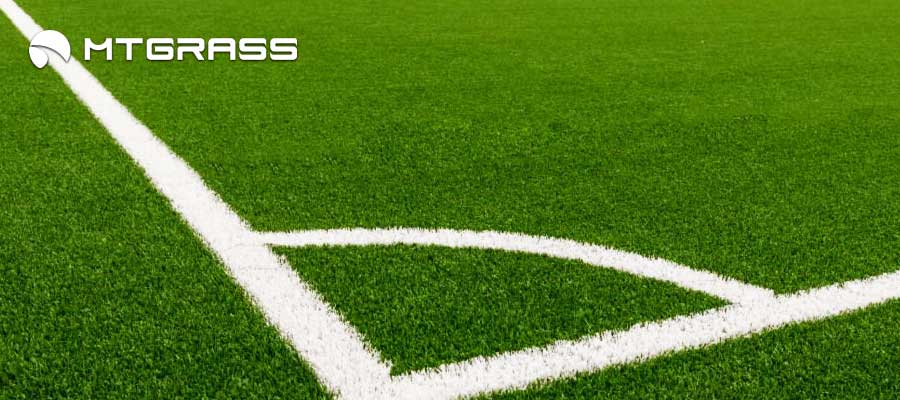
Benefits of Upgrading Natural Grass Sports Fields with Artificial Turf
The decision to replace natural grass with artificial turf is not only about appearance. For Australian sports facilities, it is often about improving availability, reducing operating costs and creating a more predictable playing environment.
Superior Appearance and Long-Term Durability
Australia’s climate can be challenging for natural grass. Prolonged drought, intense sunlight, and high temperatures can lead to uneven growth and exposed areas. However, artificial turf maintains a green, professional appearance without depending on seasonal growth conditions. For sports organisations, this means your facility can present a better image to players, visitors and sponsors while reducing the ongoing effort required to keep the surface match-ready.
MightyGrass High-quality synthetic turf systems are designed with UV-resistant fibres, durable backing structures and resilient yarn technology to withstand Australia’s strong sunlight.
Playable Regardless of Weather Conditions
The vast differences in weather across Australia, such as Brisbane’s unpredictable weather, ranging from unbearable heat to torrential downpours, can damage natural grass sports fields. Modern synthetic sports turf systems are engineered with advanced drainage structures that allow water to move efficiently through the surface. For example, MightyGrass high-performance artificial turf systems can achieve drainage rates of more than 60 litres per minute per square metre, helping fields recover quickly after heavy rainfall.
In Australia, the use of artificial turf offers the following advantages:
- More available training hours throughout the year
- Fewer weather-related cancellations
- Faster recovery after rainfall
- A safer and more consistent playing surface
For schools, councils and sports clubs that rely on regular bookings and competitions, improved field availability can create significant operational benefits.
Consistent Playing Performance Throughout the Year
Uneven growth, compacted soil and worn areas can affect ball movement and player stability. Artificial sports turf provides a more predictable surface because the turf structure remains consistent throughout the year. When selecting an artificial turf system for sports fields, performance characteristics such as fibre shape, yarn resilience, infill system, shock pad and backing technology all influence the final playing experience.
A professional synthetic sports turf system is designed to provide:
| Performance Feature | Benefit for Sports Facilities |
| Consistent fibre recovery | Maintains appearance and playing quality after heavy use |
| Shock absorption system | Helps improve player comfort and safety |
| Stable surface structure | Supports predictable movement and ball interaction |
| High-density turf construction | Improves durability for intensive use |
For football applications, MightyGrass develops turf systems using advanced yarn structures designed to balance softness, durability and sports performance. Our football turf solutions use specialised polyethylene yarns with excellent resilience, helping fibres recover after repeated player movement.
Reduced Maintenance Requirements and Operating Costs
According to industry research from sports facility management organisations, maintaining natural sports fields can require thousands of dollars in annual costs depending on location, field size, climate conditions and usage intensity.
For sports centers with sports fields, mowing, watering, fertilizing, and repairing uneven areas of lawns are both time-consuming and expensive. Artificial turf, on the other hand, only requires occasional cleaning, brushing and periodic professional inspection to maintain its appearance.
For facilities with heavy usage, the financial advantage becomes more obvious because artificial turf allows more playing hours from the same space. It can also increase the revenue of your commercial space.
Sustainable Sports Surface Solution
Sustainability has become an increasingly important consideration for Australian sports organisations. Natural sports fields often require significant irrigation, particularly in warmer regions such as Western Australia, Queensland and parts of New South Wales. However, artificial turf uses little water and requires no pesticides, fertilizers, or other potentially harmful substances, making it an ideal green and environmentally friendly choice.
You can also choose MightyGrass has developed 100% recyclable turf (ERET series) solutions, designed to support future recycling and circular material solutions. This is an excellent option for communities and municipalities committed to environmental protection, as well as organizations with a green philosophy.
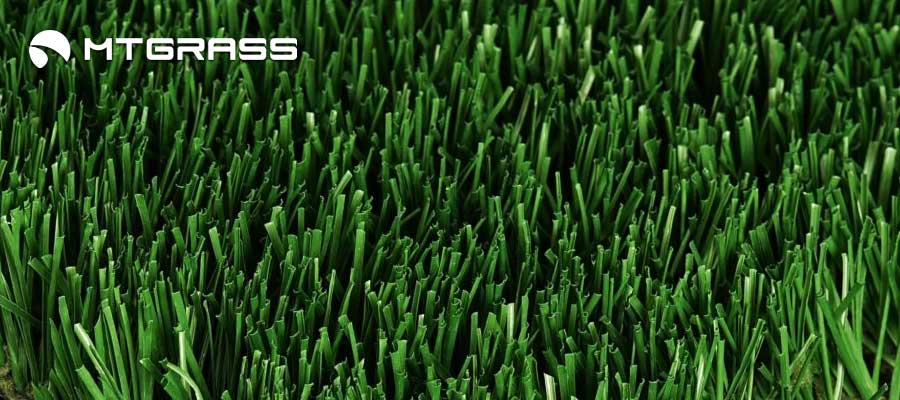
How to Choose the Right Artificial Turf for Your Sports Field?
Choosing artificial turf for a sports field is not simply about selecting the highest pile height or the lowest price. The right solution depends on your sport, expected usage, local climate and performance requirements.
Professional turf manufacturers like MightyGrass can help you evaluate your entire system, including grass fibers, underlay, drainage, infill, and installation requirements.
Consider Your Sport and Usage Requirements
For example, the requirements for turf performance differ between football training fields and hockey fields or school multi-purpose fields. Before selecting artificial grass, Please ask yourself a few questions first:
- What sport will be played?
- How many hours will the field be used each week?
- Is it for professional competition, training or community recreation?
- Will multiple sports share the same surface?
- What are the local weather conditions?
Understanding your actual usage requirements helps avoid choosing a turf system that is either unsuitable or unnecessarily expensive.
Evaluate Turf Performance Features
The quality difference between artificial turf products often comes down to the details. Important factors include:
- Yarn Quality: The yarn determines the turf’s softness, durability and appearance. Advanced polyethylene yarn technology can provide better resilience, UV resistance, antistatic and long-term performance.
- Backing System: The backing provides structural stability and influences drainage performance. MightyGrass offers both latex, PU, and recyclable backing options.
- Drainage Capability: A quality artificial sports turf system should allow water to move quickly through the surface to maintain usability after rain.
Choose an Experienced Artificial Turf Manufacturer
The supplier you choose can have a major impact on the long-term success of your sports field project. Working directly with an experienced manufacturer provides several advantages:
- Better technical support
- More customised solutions
- Stable production quality
- Faster sample and product development
- Stronger project support
For large-scale sports projects, choosing a manufacturer is often more effective than simply purchasing from a general reseller.
Why Choose MightyGrass Turf for Your Sports Field in Australia?
Since 2003, MightyGrass has been dedicated to developing and manufacturing high-quality artificial turf solutions for global markets. As one of China’s leading artificial turf manufacturers, MightyGrass boasts a complete integrated production system and a rigorous quality management system, covering the entire process from product development and yarn extrusion tufting to backing and quality inspection.
For Australian sports projects, MightyGrass provides:
- FIFA-Certified Football Turf Solutions: MightyGrass develops FIFA-certified football turf systems designed for professional clubs, training facilities and community football projects.
- Designed for Australian Climate Conditions: We understand the climate across Australia and integrate UV-resistant yarn technology, durable backing structure, efficient drainage solutions, temperature management, and other technologies into our artificial turf systems for your sports fields.
- Custom Sports Turf Solutions for Global Projects: Whether you need turf for a football academy, school, council facility or commercial sports centre, MightyGrass can provide customized solutions to meet your needs.
Our artificial turf products focus on player safety, surface consistency, durability, natural look, and long-term performance. Please contact us immediately if you have any further questions.
Conclusion
Choosing the right artificial turf for sports fields in Australia is about more than creating a green playing surface. It is about improving field availability, reducing maintenance pressure and providing athletes with a safer and more consistent environment throughout the year.
With Australia’s challenging climate and increasing demand for high-quality sporting facilities, synthetic sports turf has become a practical solution for football fields, schools, community facilities and professional training environments.
With more than 20 years of manufacturing experience, FIFA-certified football turf solutions and continuous investment in turf innovation, MightyGrass provides reliable artificial turf solutions for sports projects across Australia and worldwide. Whether you are planning a new sports field or upgrading an existing surface, Contact MightyGrass today to help you choose the right artificial turf system for your project.
FAQ
How long does artificial turf last on a sports field?
A professionally installed artificial sports turf field can typically last 8-12 years or longer, depending on several factors, including usage intensity, maintenance quality, installation standards and climate conditions.
For high-use facilities such as football clubs, schools and community sports centres, selecting a durable turf system with high-quality yarn, strong backing and proper maintenance is essential for extending service life.
Regular maintenance, such as brushing fibres, checking infill levels and removing debris, can help maintain both appearance and playing performance.
Is artificial turf better than natural grass for sports fields?
Artificial turf and natural grass both have advantages, and the better choice depends on your facility requirements.
Natural grass provides a traditional playing experience but requires significant maintenance, irrigation and recovery time after heavy use.
Artificial turf offers advantages such as:
- More playing hours throughout the year
- Consistent surface performance
- Lower water requirements
- Reduced mowing and maintenance needs
- Better availability after rainfall
For Australian facilities with heavy usage, limited water resources or year-round scheduling requirements, synthetic sports turf can be a practical long-term solution.


