
 Ελληνικά
  English
  العربية
  Español
  Deutsch
  Français
  Português
  Русский
  日本語
日本語  Italiano
  Nederlands
  Svenska
  Suomi
Suomi  ไทย
ไทย  Dansk
Dansk  Bahasa Melayu

Τα γήπεδα με τεχνητό χλοοτάπητα είναι σαν τα smartphones: ενώ το εξωτερικό φαίνεται ελκυστικό, ο εσωτερικός επεξεργαστής είναι αυτός που καθορίζει την ταχύτητα και τη σταθερότητά του. Το υλικό πλήρωσης για τον τεχνητό χλοοτάπητα εξυπηρετεί παρόμοιο σκοπό - είναι ο "πυρήνας" που κρατά κάθε λεπίδα όρθια, προωθεί την αποστράγγιση και δίνει στον συνθετικό χλοοτάπητα τη φυσική, απαλή αίσθηση.
MightyGrass Ως κατασκευαστής και προμηθευτής τεχνητού γρασιδιού για 20+ δεκαετίες, τηρεί την αρχή της "ανάπτυξης προϊόντων απαιτεί μια πραγματική κατανόηση των σεναρίων των χρηστών".
Ανακαλύψαμε ότι η επιλογή του σωστού τεχνητό χλοοτάπητα πλήρωσης είναι σαν να επιλέγετε την τέλεια λύση προϊόντος - όχι μόνο κάνει τον χλοοτάπητα πιο ανθεκτικό και ασφαλέστερο, αλλά και βελτιώνει τη συνολική εμπειρία.
Διαφορετικοί τύποι πλήρωσης για τεχνητό γρασίδι
Υπάρχουν πολλοί διαφορετικοί τύποι πλήρωσης χλοοτάπητα που χρησιμοποιούνται σε συστήματα τεχνητού χλοοτάπητα. Ορισμένοι δίνουν έμφαση στη σταθερότητα και την υποστήριξη, άλλοι εστιάζουν στην προστασία του περιβάλλοντος και την ψύξη και άλλοι επιδιώκουν την επαγγελματική αθλητική απόδοση. Έχουμε συνοψίσει μερικούς από τους πιο συνηθισμένους τύπους πλήρωσης για να σας βοηθήσουμε να βρείτε την καλύτερη δυνατή επιλογή για το έργο σας.

Πυριτική άμμος πλήρωσης
Η πυριτική άμμος Infill είναι το πιο ανθεκτικό και ευρέως χρησιμοποιούμενο θεμελιώδες υλικό πλήρωσης στη βιομηχανία τεχνητού χλοοτάπητα. Κατασκευασμένο από λεπτή φυσική χαλαζιακή άμμο, τα στρογγυλεμένα σωματίδια και το μέτριο βάρος του σταθεροποιούν τις ίνες του χλοοτάπητα, ενισχύουν την αποστράγγιση και αποτρέπουν την ανύψωση και το μπέρδεμα του χλοοτάπητα. Με την πάροδο του χρόνου, τα σωματίδια αυτά διασπώνται λόγω της διάβρωσης από το νερό και τον άνεμο. Δεδομένου ότι δεν προσφέρει ιδιότητες απορρόφησης, μπορεί να απαιτείται πρόσθετη πλήρωση για να επιτευχθεί μια πιο μαλακή αίσθηση.
Η καθαρή πυριτική άμμος βαθμού 20 χρησιμοποιείται συνήθως για τεχνητό χλοοτάπητα τοπίου. Η πυριτική άμμος βαθμού 30 διαθέτει ελαφρώς μικρότερα σωματίδια και συνιστάται κυρίως για χόρτα. Η άμμος για τεχνητό χλοοτάπητα είναι ιδιαίτερα κατάλληλη για μπροστινές και πίσω αυλές χωρίς κατοικίδια ζώα.
Από οικιστικές αυλές μέχρι συστήματα συνθετικού χλοοτάπητα τοπίου, αυτή η πλήρωση παρέχει σταθερή στήριξη και διαρκή επιπεδότητα. Είναι προσιτή, εύκολη στην εγκατάσταση και αποτελεί επιλογή "εισαγωγικού επιπέδου", αποδεικνύοντας ότι "τα καλά προϊόντα δεν χρειάζεται να είναι ακριβά, αλλά πρέπει να είναι αξιόπιστα".

Επικαλυμμένη άμμος Infills
Η άμμος πλήρωσης με επικάλυψη είναι μια εξέλιξη της πυριτικής άμμου υψηλής τεχνολογίας. Τα σωματίδιά της είναι επεξεργασμένα με ένα εύκαμπτο, μη τοξικό ακρυλικό πολυμερές, καθιστώντας τα αντιβακτηριδιακά, ανθεκτικά στη σκόνη και αντιστατικά. Μειώνουν επίσης την ιπτάμενη τέφρα, μετριάζουν τον κίνδυνο τριβής που συνδέεται με την κανονική άμμο και βελτιώνουν την αντοχή στις καιρικές συνθήκες.
Πέρα από τα οφέλη για την ασφάλεια, οι πληρωμές με άμμο με επικάλυψη προσφέρουν πρακτικά πλεονεκτήματα. Ελαχιστοποιούν τη συμπίεση, συμβάλλοντας στη διατήρηση μιας πιο μαλακής και μαλακής επιφάνειας με την πάροδο του χρόνου. Επιπλέον, η άμμος με επικάλυψη είναι πιο αποτελεσματική στην αντίσταση στα βακτήρια και την οσμή από ό,τι η μη επεξεργασμένη πυριτική άμμος, καθιστώντας την ιδιαίτερα κατάλληλη για χρήση σε παιδικές χαρές και χώρους παιχνιδιού κατοικίδιων ζώων.
Η άμμος με επικάλυψη αποτελεί ιδανική επιλογή για περιβάλλοντα όπου η ασφάλεια, η ανθεκτικότητα και η υγιεινή είναι πρωταρχικής σημασίας. Για πολυτελείς βίλες και εμπορικούς χλοοτάπητες, αυτός ο τύπος πλήρωσης προσφέρει την ιδανική ισορροπία αισθητικής και απόδοσης.
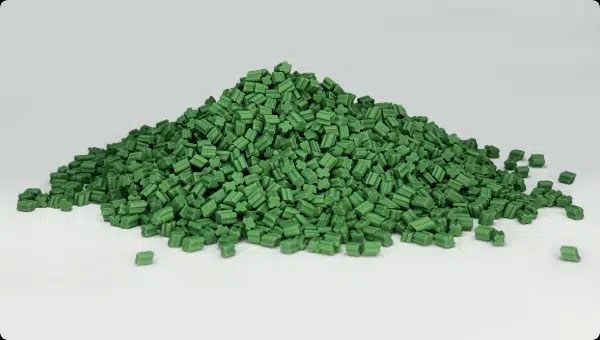
TPE Infill
Η πλήρωση από θερμοπλαστικό ελαστομερές (TPE) κατασκευάζεται από ανακυκλωμένα πλαστικά απόβλητα μετά την κατανάλωση και μετά τη βιομηχανία και αποτελεί μια φιλική προς το περιβάλλον επιλογή. Η λεία υφή του είναι ασφαλής για τα παιδιά και προσφέρει εξαιρετική αντοχή και ελαστικότητα, μειώνοντας σημαντικά τον κίνδυνο αθλητικών τραυματισμών. Επιπλέον, το TPE είναι πλήρως ανακυκλώσιμο και πληροί τα σύγχρονα περιβαλλοντικά πρότυπα.
Το TPE αναστέλλει επίσης την ανάπτυξη βακτηρίων και αποτρέπει τη δημιουργία στατικού ηλεκτρισμού, καθιστώντας το ιδανικό για χρήση σε περιοχές με απρόβλεπτο καιρό, όπως το Τέξας. Αν και πιο ακριβό από την πλήρωση από καουτσούκ για τεχνητό γρασίδι, είναι κατάλληλο για χρήση σε σχολεία, πάρκα, οικογενειακές παιδικές χαρές και γήπεδα ράγκμπι και ποδοσφαίρου/ποδοσφαίρου.
Η πλήρωση TPE (θερμοπλαστικό ελαστομερές) χρησιμοποιείται ευρέως σε επαγγελματικά γήπεδα ποδοσφαίρου/ποδοσφαίρου, ράγκμπι και σχολικά γήπεδα.
Διαθέτει λεία επιφάνεια χωρίς σκόνη, με χαμηλή οσμή και διάρκεια ζωής άνω των δέκα ετών. Θεωρείται ένα "υλικό πλήρωσης υψηλών επιδόσεων" που εξισορροπεί τις επιδόσεις και τη φιλικότητα προς το περιβάλλον και αποτελεί βασικό χαρακτηριστικό του σύγχρονου αθλητικού χλοοτάπητα.
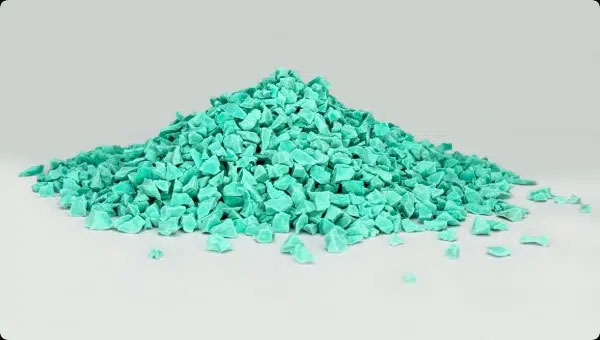
Επίστρωση EPDM
Εάν ο χλοοτάπητάς σας εκτίθεται σε ισχυρές ακτίνες UV ή υψηλές θερμοκρασίες, η πλήρωση EPDM είναι μια αξιόπιστη επιλογή. Κατασκευασμένο από συνθετικό καουτσούκ υψηλής ανθεκτικότητας στις καιρικές συνθήκες, απορροφά αποτελεσματικά τις κρούσεις στην επιφάνεια παιχνιδιού και παρέχει εξαιρετική μείωση του θορύβου. Η σταθερή φυσική δομή του και η διατήρηση του χρώματος εμποδίζουν την παραμόρφωση ή την κιμωλία με παρατεταμένη έκθεση, εξασφαλίζοντας μακροπρόθεσμη απόδοση της επένδυσής σας.
Η πλήρωση MightyGrass EPDM είναι μη τοξική, χωρίς μόλυβδο και σχετικά προσιτή. Με την κατάλληλη φροντίδα, μπορεί να διαρκέσει πάνω από 15 χρόνια.
Το EPDM μπορεί επίσης να προσαρμοστεί σε διάφορα χρώματα, προσθέτοντας οπτική ελκυστικότητα στο γκαζόν πέρα από τις λειτουργικές του ανάγκες. Χρησιμοποιείται συνήθως σε χώρους όπως οι σχολικές αυλές, τα αθλητικά κέντρα και τα παιδικά κέντρα παιχνιδιού.

Αντιμικροβιακό χλοοτάπητα Infill
Εάν το έργο σας περιλαμβάνει παιδική χαρά, παιδότοπο για κατοικίδια ζώα ή σχολικό γήπεδο, η υγιεινή και η ασφάλεια είναι υψίστης σημασίας. Η αντιμικροβιακή πλήρωση χλοοτάπητα, με την προσθήκη αντιμικροβιακής επίστρωσης στην επιφάνεια των κόκκων, αναστέλλει αποτελεσματικά την ανάπτυξη μούχλας και βακτηρίων, μειώνει την οσμή και διατηρεί το γκαζόν καθαρότερο και υγιέστερο.
Αυτή η πλήρωση είναι ιδιαίτερα κατάλληλη για περιβάλλοντα με υψηλά πρότυπα καθαριότητας. Όχι μόνο σας προσφέρει ένα πράσινο γκαζόν, αλλά απολαμβάνετε επίσης έναν υπαίθριο χώρο χωρίς οσμές.

Γεμίσματα ζεόλιθου
Το Zeolite Infill είναι μια καινοτόμος λύση για τις διπλές προκλήσεις των υψηλών θερμοκρασιών και των κατοικίδιων ζώων, ειδικά σε περιοχές με βροχοπτώσεις πάνω από το μέσο όρο. Προέρχεται από φυσικά ηφαιστειακά ορυκτά, έχει δομή "κηρήθρας" σε μοριακό επίπεδο, διαθέτοντας ισχυρή ικανότητα προσρόφησης που εξουδετερώνει την αμμωνία, μειώνοντας σημαντικά την οσμή των ούρων των κατοικίδιων ζώων και ρυθμίζοντας αυτόματα τη θερμοκρασία στο φως του ήλιου.
Αφού παγιδευτούν, τα αέρια αυτά παραμένουν στη θέση τους μέχρι οι ανόργανες ουσίες του νερού της βροχής να αλληλεπιδράσουν με την πλήρωση του ζεόφυτου. Μόνο τότε απελευθερώνονται οι εξουδετερωμένες ουσίες, περνώντας απευθείας μέσα από την επένδυση του χλοοτάπητα και ρέοντας στο έδαφος με το νερό της βροχής.
Όταν τα κατοικίδιά σας τρέχουν στο γκαζόν ή τα παιδιά σας παίζουν ξυπόλυτα, ο Ζεόλιθος προσφέρει μια εμπειρία "φυσικού καθαρισμού του αέρα".
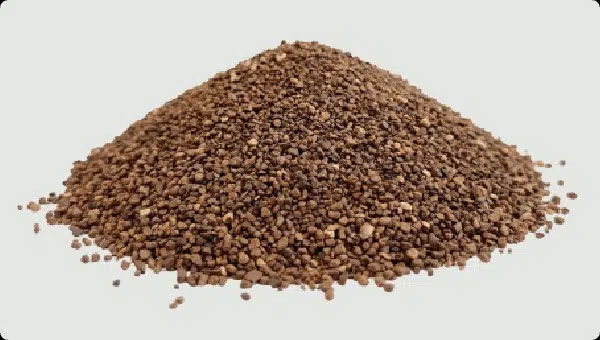
Οργανική πλήρωση
Με την παγκόσμια στροφή προς τη βιώσιμη ανάπτυξη, η οργανική πλήρωση έχει γίνει συνώνυμη με τη νέα εποχή του χλοοτάπητα. Κατασκευασμένο από φυσικά υλικά όπως φλοιούς καρύδας, φλοιούς καλαμποκιού, κουκούτσια ελιάς και κελύφη καρυδιών, το οργανικό υλικό πλήρωσης είναι βιοδιασπώμενο, άοσμο και περιβαλλοντικά ασφαλές. Αυτό το οργανικό υλικό πλήρωσης έχει χαμηλή πυκνότητα όγκου, που σημαίνει ότι δεν θερμαίνεται όπως άλλα υλικά πλήρωσης υψηλού όγκου (πυρίτιο, μαύρο καουτσούκ).
Αυτή η πλήρωση μιμείται επίσης τον κύκλο εξάτμισης του φυσικού χλοοτάπητα, ο οποίος όχι μόνο βελτιώνει την απαλότητα του ποδιού, αλλά διατηρεί επίσης τη θερμοκρασία του χλοοτάπητα εντός 30 βαθμών Κελσίου του φυσικού χλοοτάπητα, ακόμη και τις πιο ζεστές ημέρες και στο άμεσο ηλιακό φως, καθιστώντας τον πιο άνετο και φυσικό. Για έργα που εκτιμούν τις οικολογικές αξίες, αυτό το υλικό πλήρωσης είναι κάτι περισσότερο από ένα απλό υλικό- είναι μια δήλωση σκοπού - "επιστροφή στη φύση με φυσικό τρόπο".
Συνιστούμε ανεπιφύλακτα αυτό το υλικό πλήρωσης για οικογένειες με παιδιά, παιδικές χαρές ή γήπεδα άθλησης, ειδικά σε περιοχές με υγρασία ή χαμηλή βροχόπτωση. Η δροσιστική του επίδραση και η ενισχυμένη απορρόφηση κραδασμών το καθιστούν ιδανική επιλογή για παιχνίδι.

Ψύξη Infill
Τις ζεστές καλοκαιρινές ημέρες, η θερμοκρασία της επιφάνειας του συνηθισμένου χλοοτάπητα μπορεί να ξεπεράσει τους 60°C. Το Cooling Infill, ωστόσο, μειώνει αυτή τη θερμοκρασία κατά 15-20°C μέσω ενός τριπλού μηχανισμού απορρόφησης υγρασίας, αποθήκευσης ενέργειας και εξάτμισης.
Αυτός ο τύπος πλήρωσης χρησιμοποιεί συχνά άμμο ψύξης ή ορυκτό υλικό με επικάλυψη. Όχι μόνο κάνει τον χλοοτάπητα πιο άνετο, αλλά επιβραδύνει επίσης σημαντικά τη γήρανση του χλοοτάπητα. "Η τεχνολογική καινοτομία δεν έχει να κάνει με την επίδειξη- έχει να κάνει με την επίλυση πραγματικών σημείων πόνου".
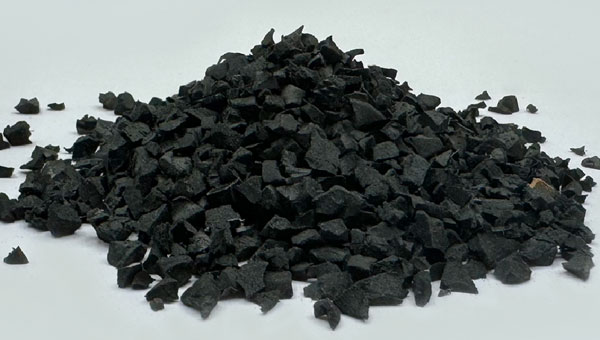
Καουτσούκ πλήρωσης
Το καουτσούκ πλήρωσης είναι ένας βετεράνος του τεχνητού χλοοτάπητα, κατασκευασμένος από ανακυκλωμένο καουτσούκ ελαστικών και προσφέρει εξαιρετική απορρόφηση και υψηλή ελαστικότητα. Τα θρύμματα καουτσούκ δεν χρησιμοποιούνται συνήθως στη διαμόρφωση του οικιστικού τοπίου. Χρησιμοποιήθηκαν ευρέως στα πρώτα αθλητικά γήπεδα και εξακολουθούν να βρίσκουν μια θέση σε ορισμένα έργα με χαμηλό προϋπολογισμό σήμερα.
Το καουτσούκ πλήρωσης τεχνητού χλοοτάπητα απορροφά αποτελεσματικά τους κραδασμούς και ενισχύει την ανθεκτικότητα του χλοοτάπητα, αλλά είναι λιγότερο φιλικό προς την οσμή και το περιβάλλον. Υπάρχουν σήμερα πολλές άλλες επιλογές πλήρωσης για αθλητικά γήπεδα που προσφέρουν αυξημένη ασφάλεια για τους αθλητές. Είναι μια πρακτική επιλογή για προσωρινή ή χαμηλής συχνότητας χρήση.
Σύναψη
Εάν είστε εργολάβος, διανομέας ή κατασκευαστής έργων, η κατανόηση των διαφορετικών τύπων πλήρωσης για τεχνητό γρασίδι είναι ζωτικής σημασίας για την κατανόηση των βασικών μεταβλητών που επηρεάζουν την ποιότητα του χλοοτάπητα. Η πυριτική άμμος προσφέρει σταθερότητα και αξιοπιστία, το οργανικό υλικό πλήρωσης είναι φιλικό προς το περιβάλλον και φυσικό, τα TPE και EPDM αντιπροσωπεύουν ανώτερες επιδόσεις, ενώ η ψύξη και ο ζεόλιθος προσφέρουν ένα νέο επίπεδο άνεσης.
Στο MightyGrass, πιστεύουμε ότι η καινοτομία των προϊόντων δεν πρέπει απλώς να κάνει την επιλογή των προϊόντων πιο περίπλοκη, αλλά να ανταποκρίνεται στις ανάγκες των πελατών. Ερευνώντας διεξοδικά τα χαρακτηριστικά κάθε επιλογής πλήρωσης συνθετικού χλοοτάπητα, βοηθάμε τους πελάτες να βρουν τη βέλτιστη ισορροπία μεταξύ απόδοσης, βιωσιμότητας και κόστους.
Όταν επιλέγετε τη σωστή πλήρωση, το γκαζόν σας γίνεται κάτι περισσότερο από έναν απλό χώρο πρασίνου- γίνεται μια μακροπρόθεσμη, σταθερή, άνετη και βιώσιμη εμπειρία.
Εξερευνήστε διάφορες επιλογές πλήρωσης για να μετατρέψετε τον τεχνητό χλοοτάπητα στο τέλειο τοπίο ή αθλητικό γήπεδο που ανταποκρίνεται στις ανάγκες σας. Επικοινωνήστε μαζί μας σήμερα για μια δωρεάν, μονοσήμαντη προσφορά για ένα σύστημα συνθετικού χλοοτάπητα.
FAQ
Τι είναι πλήρωσης για τεχνητό γρασίδι?
Το υλικό πλήρωσης είναι το υλικό που χρησιμοποιείται για να γεμίσει τα κενά μεταξύ των λεπίδων τεχνητού γρασιδιού. Συνήθως απλώνεται πάνω στον χλοοτάπητα με τη χρήση ενός διανομέα, και στη συνέχεια δουλεύεται μέσα στις ίνες του γρασιδιού για να εγκατασταθεί μεταξύ τους.
Αυτά τα σωματίδια μπορεί να είναι παραδοσιακή άμμος, κόκκοι καουτσούκ, EPDM και πλήρωση χλοοτάπητα TPE. Εναλλακτικά, τα τελευταία χρόνια έχουν εμφανιστεί νεότερα υλικά πλήρωσης ψεύτικου χλοοτάπητα, όπως άμμος με επικάλυψη, ζεόλιθος, φελλός, φλοιός καρύδας και κέλυφος καρυδιού - όλες βιολογικές επιλογές.
Κάθε τύπος πλήρωσης έχει μοναδικές ιδιότητες και ιδιότητες που μπορείτε να επιλέξετε για διαφορετικά γήπεδα, οικιστικές και εμπορικές εφαρμογές χλοοτάπητα.
Χωρίς την κατάλληλη πλήρωση, ακόμη και ο συνθετικός χλοοτάπητας υψηλής ποιότητας θα εμφανίσει προβλήματα όπως κατάρρευση, σκλήρυνση και υπερθέρμανση μέσα σε μήνες ή λιγότερο.
Εν συντομία: χλοοτάπητα πλήρωσης είναι η "κρυφή δύναμη" του τεχνητού χλοοτάπητα, καθορίζει την άνεση, την ασφάλεια και την αντοχή του.
Μήπως όλα τεχνητό χλοοτάπητα χρειάζεται πλήρωσης?
Δεν απαιτούν όλοι οι τεχνητοί χλοοτάπητες πλήρωση, αλλά συνιστάται ιδιαίτερα για τα περισσότερα επαγγελματικά έργα.
Για τα αθλητικά γήπεδα και τις περιοχές με υψηλή κυκλοφορία, επιλογές τεχνητού χλοοτάπητα πλήρωσης βοηθά τα νήματα χλοοτάπητα να παραμείνουν όρθια, ενισχύει την ελαστικότητά του και βελτιώνει την αίσθηση του ποδιού.
Για διακοσμητικούς χλοοτάπητες, μπαλκόνια ή μικρούς χλοοτάπητες DIY, χλοοτάπητας χωρίς πλήρωση μπορεί επίσης να καλύψει αισθητικές ανάγκες.
Εν ολίγοις: το αν η πλήρωση είναι απαραίτητη εξαρτάται από την εφαρμογή και τις προσδοκίες απόδοσης.
Τι είδους άμμος χρησιμοποιείται για την πλήρωση τεχνητού γρασιδιού;
Η πλήρωση με πυριτική άμμο είναι η πιο κοινή επιλογή.
Τα στρογγυλεμένα σωματίδια του και η μέτρια πυκνότητά του διατηρούν τα σκέλη του χλοοτάπητα σταθερά, ενώ παράλληλα εξασφαλίζουν καλή αποστράγγιση.
Για οικιστικά έργα εξωραϊσμού, μπορείτε να επιλέξετε ξηρή πυριτική άμμο μεσαίου μεγέθους.
Για αθλητικά γήπεδα ή χλοοτάπητες κατοικίδιων ζώων, μπορεί να χρησιμοποιηθεί άμμος με επικάλυψη για την αποφυγή σκόνης, βακτηρίων και σβόλων για καλύτερα αποτελέσματα.
Ποιο είναι το υλικό πλήρωσης που χρησιμοποιείται στα πεδία τεχνητού χλοοτάπητα;
Στα συστήματα χλοοτάπητα αθλητικής ποιότητας, τα κοινά υλικά πλήρωσης περιλαμβάνουν:
- Πυριτική άμμος: Ένα στρώμα σταθεροποίησης της βάσης,
- Καουτσούκ πλήρωσης (SBR): Αυξάνει την ελαστικότητα και την απορρόφηση κραδασμών,
- TPE/EPDM: Φιλικά προς το περιβάλλον, ιδιαίτερα ανθεκτικά σωματίδια με αυξημένη αντοχή στις καιρικές συνθήκες,
- Οργανική πλήρωση: Τα φυσικά υλικά, όπως τα κελύφη καρύδας και τα φλούδια καλαμποκιού, είναι πιο φιλικά προς το περιβάλλον,
- Ζεόλιθος: Απορροφά τις οσμές και μειώνει τη θερμότητα,
- Ψύξη πλήρωσης: Σχεδιασμένο για θερμές περιοχές.
Κάθε υλικό εξυπηρετεί διαφορετικό σκοπό. "Διαφορετικοί χρήστες, διαφορετικές επιλογές, αλλά η εμπειρία θα πρέπει να είναι εξαιρετική".
Τι είναι το υλικό πλήρωσης στον τεχνητό χλοοτάπητα;
Η πλήρωση είναι ένα κοκκώδες στρώμα που τοποθετείται μεταξύ των νημάτων τεχνητού χλοοτάπητα, το οποίο συνήθως αποτελείται από άμμο, καουτσούκ ή ένα φιλικό προς το περιβάλλον σύνθετο υλικό.
Οι κύριες λειτουργίες του είναι:
- Σταθεροποίηση της δομής του χλοοτάπητα,
- Παρέχουν ελαστικότητα και αντικραδασμική προστασία,
- Βελτίωση της αποστράγγισης και της αίσθησης του ποδιού,
Βελτιώστε τη διάρκεια ζωής και την εμφάνιση του χλοοτάπητα. Μπορείτε να σκεφτείτε τις επιλογές πλήρωσης συνθετικού χλοοτάπητα ως τον "κρυφό κινητήρα" ενός συστήματος χλοοτάπητα - αόρατο, αλλά ζωτικής σημασίας.
Πώς να εγκαταστήσετε τεχνητό χλοοτάπητα πλήρωσης?
Η εγκατάσταση τεχνητού χλοοτάπητα πλήρωσης περιλαμβάνει συνήθως τρία βήματα:
- Ομοιόμορφη εξάπλωση: Χρησιμοποιήστε έναν διασκορπιστή άμμου ή απλώστε με το χέρι για να διανείμετε ομοιόμορφα το υλικό πλήρωσης στην επιφάνεια του γρασιδιού.
- Βούρτσα σε: Χρησιμοποιήστε μια βούρτσα με σκληρή τρίχα ή μια ηλεκτρική βούρτσα για να σκουπίσετε το υλικό πλήρωσης στις ρίζες του χόρτου, αφήνοντάς το να εγκατασταθεί φυσικά στα διάκενα.
- Επαναλαμβανόμενη διαστρωμάτωση: Ανάλογα με το ύψος του χόρτου και τις ανάγκες σας, μπορείτε να εφαρμόσετε πολλαπλές στρώσεις για να επιτύχετε το επιθυμητό πάχος.
Θυμηθείτε να αποφύγετε την εγκατάσταση σε υγρό καιρό, καθώς αυτό μπορεί να προκαλέσει συσσώρευση ή ανομοιόμορφη κατανομή του υλικού πλήρωσης.
Ποιο είναι το καλύτερο υλικό πλήρωσης για τεχνητό χλοοτάπητα;
Η "καλύτερη πλήρωση" δεν είναι μια ενιαία απάντηση- εξαρτάται από την εφαρμογή σας:
Για οικιακούς χλοοτάπητες ή χλοοτάπητες τοπίου: Η πυριτική άμμος πλήρωσης/επικαλυμμένη άμμος προσφέρει σταθερότητα και ανθεκτικότητα.
Για περιοχές κατοικίδιων ζώων: Ο ζεόλιθος απορροφά τις οσμές και μειώνει τις θερμοκρασίες.
Για σχολεία και παιδικές χαρές: Το καουτσούκ TPE/EPDM προσφέρει αυξημένη ευελιξία και ασφάλεια.
Για έργα φιλικά προς το περιβάλλον ή βιώσιμα: Η καλύτερη επιλογή είναι η βιολογική πλήρωση.
Η MightyGrass συνιστά γενικά τη λήψη μιας συνολικής απόφασης με βάση τη συχνότητα χρήσης, τη θερμοκρασία περιβάλλοντος και τον προϋπολογισμό. Ο απώτερος στόχος δεν είναι να βρείτε την πιο ακριβή επιλογή, αλλά να βρείτε το υλικό πλήρωσης που μεγιστοποιεί πραγματικά την απόδοση του γκαζόν σας.


