
 Suomi
Suomi  English
  العربية
  Español
  Deutsch
  Français
  Português
  Русский
  日本語
日本語  Italiano
  Nederlands
  Svenska
  ไทย
ไทย  Dansk
Dansk  Ελληνικά
  Bahasa Melayu
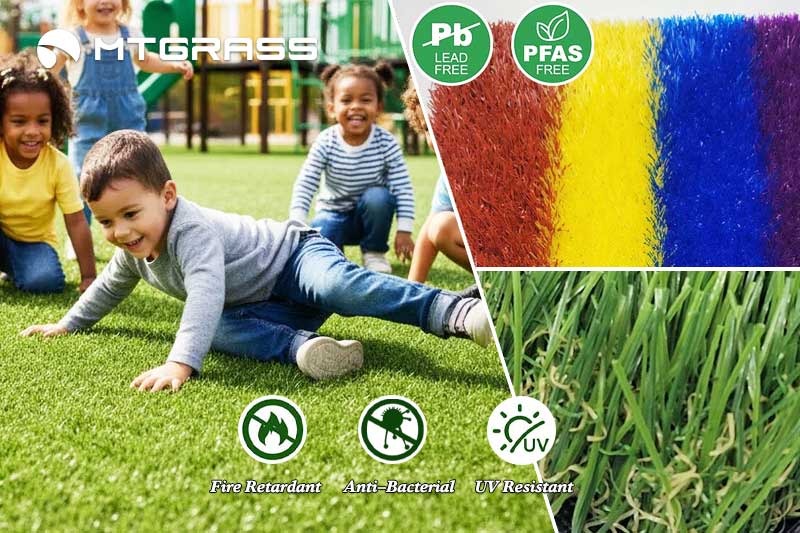
Jos määrittelet tekonurmi leikkikenttä, turvallisuus ei ole ominaisuus, se on perusta koko hankkeen.
Vanhemmat eivät näe iskutyynyjä, putoamiskorkeuksia tai iskunvaimennuskäyriä. Mutta tarkastajat näkevät. Ja mikä tärkeämpää, loukkaantumistilastot näkevät.
Yhdysvaltain kuluttajatuotteiden turvallisuuskomission mukaan Yhdysvalloissa yli 200 000 lasta hoidetaan vuosittain leikkikenttävammojen vuoksi, ja leikkikenttien pinnalle putoaminen on yleisin syy. Tämä yksittäinen tieto selittää, miksi leikkikenttien nurmikenttien nurmikentät eivät enää ole vain esteettisiä tai kestäviä, vaan myös vaatimustenmukaisuus on tärkeää.
Nykypäivän markkinoilla kaltaistesi ostajien odotetaan ymmärtävän ja täyttävän useita turvallisuusstandardeja, kuten ASTM F1292, EN1177 ja ADA:n esteettömyysvaatimukset. Haasteena ei ole vain näiden standardien tunteminen, vaan myös sen tietäminen, miten ne todella vaikuttavat nurmikkojärjestelmän suunnitteluun, kustannuksiin ja pitkän aikavälin suorituskykyyn.
Tässä oppaassa analysoidaan yksityiskohtaisesti edellä mainittuja aiheita, jotta voit tehdä varmoja ja kustannustehokkaita päätöksiä turvallisen leikkikentänurmen valinnasta tulevaan hankkeeseen.
Miksi leikkikentän turpeen turvallisuusstandardit ovat tärkeämpiä kuin luuletkaan.
Useimmat nurmikon ostajat keskittyvät aluksi kasan korkeuteen, lankatyyppiin tai neliöhintaan. Leikkipaikoilla nämä tekijät ovat kuitenkin toissijaisia.
Tilastojen mukaan yli 50% leikkipaikkavammoista johtuu putoamisista, joten pinnan iskunkestävyys on #1 turvallisuustekijä.
Mikä todella määrittää, onko projektin kulkee lopullinen hyväksyminen on tekonurmi itse, yhdessä koko taustalla maaperän järjestelmä.
Kun lapsi putoaa 1,5-3 metrin (5-10 jalan) korkeudesta, pinnan on absorboitava iskuenergia tehokkaasti. Muuten päävamman riski (HIC - Head Injury Criterion) kasvaa dramaattisesti. Sekä ASTM- että EN-standardit perustuvat juuri tähän periaatteeseen.
Seuraaviin seikkoihin on kiinnitettävä huomiota, ja kehotamme teitä painokkaasti olemaan ottamatta niitä huomioon.
- Pelkkä "pehmeä" nurmikkotuote ei täytä turvallisuusvaatimuksia.
- Iskunvaimennus tulee järjestelmäyhdistelmästä: synteettinen turve + tekonurmi täyte + iskunvaimennin + pohja
- Huono asennus voi mitätöidä jopa sertifioidut materiaalit.
Todellisissa hankkeissa olemme nähneet urakoitsijoiden läpäisevän laboratoriotestit, mutta epäonnistuvan työmaalla vaatimustenmukaisuuden täyttämisessä, koska alustan tiivistäminen on ollut virheellistä tai iskutyynyn paksuus on ollut väärä.
Esimerkiksi kriittisen 2,5 metrin putoamiskorkeuden saavuttamiseksi useimmat järjestelmät vaativat:
- Iskunvaimentimen paksuus: 25-50 mm
- HIC-arvo: ≤ 1000
- G-max-arvo: ≤ 200
Nämä eivät ole valinnaisia vertailuarvoja - ne ovat ero vaatimustenmukaisen leikkikentän ja rasitteen välillä.
Jos olet vastuussa koulujen, kunnallisten puistojen tai kaupallisten leikkikenttähankkeiden hankinnoista, suosittelemme, että siirrät huomiosi pelkistä "ostaminen tekonurmella" kokonaisvaltaisesti sertifioidun päällystejärjestelmäratkaisun rakentamiseen.
Mikä on ASTM F1292 leikkikenttien päällysteille?
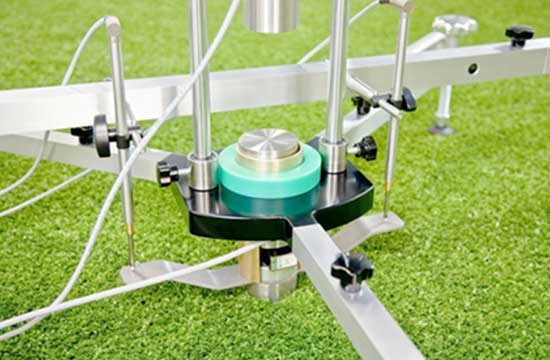
ASTM F1292 on ensisijainen yhdysvaltalainen standardi, jota käytetään leikkikenttien pintojen iskunvaimennuksen arviointiin.
Sen on kehittänyt ASTM International ja siinä keskitytään siihen, miten hyvin pinta voi vähentää pään iskun vakavuutta putoamisen aikana.
Sen sijaan, että materiaaleja arvioitaisiin ulkonäön tai paksuuden perusteella, ASTM F1292 mittaa suorituskykyä kahden keskeisen mittarin avulla:
- HIC (päävammakriteeri): ≤ 1000
- G-max: ≤ 200
Sinulle on tärkeää tämä: ASTM F1292 ei sertifioi pelkkää nurmikkotuotetta, vaan koko asennetun järjestelmän.
Tämä järjestelmä koostuu tekonurmi kerros, täydennysrakentamisen (tarvittaessa), iskuja vaimentava tyyny, ja sub-turf perusrakenne.
Klo MightyGrass, et ole vain ostaa turvetta-olet saada suunniteltu järjestelmä matching. Me autamme sinua määrittämään kohteen putoamiskorkeuden ja hanketyypin perusteella:
- Oikea iskunvaimennin tiheys ja paksuus
- Nurmikon rakenne, joka toimii iskunvaimennuksen kanssa (ei sitä vastaan).
- Täyttövaihtoehdot, jotka säilyttävät pitkän aikavälin suorituskyvyn
Koska ASTM F1292:n läpäiseminen kerran laboratoriossa on helppoa. Sen läpäiseminen 3-5 vuoden käytön jälkeen on se, millä on todella merkitystä.
Mikä on EN1177 leikkikenttien pinnoitteita varten?
EN1177 on leikkikenttien päällysteitä koskeva eurooppalainen standardi, joka on kehitetty leikkikenttien päällysteiden standardointijärjestön Euroopan standardointikomitea.
Vaikka EN1177 on samankaltainen kuin ASTM F1292, sen lähestymistapa on hieman erilainen.
Sen sijaan, että keskityttäisiin ensisijaisesti HIC- ja G-max-kynnyksiin, EN1177:ssä otetaan käyttöön käsite: Kriittinen putoamiskorkeus (CFH) - enimmäiskorkeus, josta lapsi voi pudota saamatta hengenvaarallista päävammaa.
Käytännössä:
- CFH 2,0 m:lle mitoitettu pinta on testattu vaimentamaan turvallisesti tuolta korkeudelta tulevia iskuja.
- Mitä korkeampi CFH, sitä turvallisempi järjestelmä on.
Tämä tekee EN1177-standardista intuitiivisemman monille kansainvälisille ostajille, erityisesti kun suunnitellaan leikkikenttiä, joissa on erityiset laitekorkeudet.
Kuitenkin, aivan kuten ASTM:
- EN1177 koskee koko pintajärjestelmää
- Suorituskyky riippuu suuresti asennuksen laadusta
- Pitkäaikainen kuluminen (tiivistyminen, täytteen häviäminen) voi vähentää CFH:ta ajan myötä.
Jos olet rakentamassa tekonurmi leikkipaikka Euroopassa, Lähi-idässä tai kansainvälisissä kouluissa EN1177-standardin noudattaminen on usein pakollinen vaatimus, josta ei voida neuvotella.

ASTM F1292 vs. EN1177: F117: Tärkeimmät erot, jotka sinun on tiedettävä
Ensi silmäyksellä ASTM F1292 ja EN1177 vaikuttavat keskenään vaihdettavilta. Todellisuudessa ne heijastavat erilaisia sääntelyfilosofioita.
ASTM on enemmän tieto- ja kynnysarvopohjainen, kun taas EN1177 on enemmän sovelluskeskeinen.
| Aspect | ASTM F1292 (USA) | EN1177 (Eurooppa) |
| Ydinfokus | Iskuvoiman mittaus | Kriittinen putoamiskorkeus |
| Keskeiset mittarit | G-max & HIC | CFH (kriittinen putoamiskorkeus) |
| Läpäisyperusteet | ≤200 G-max, ≤1000 HIC | On täytettävä turvallisen putoamiskorkeuden kynnysarvo |
| Sovellus | Yhdysvaltojen leikkikentät | EU:n leikkikentät |
| Testaustyyli | Voimaan perustuva | Tuloksiin perustuva |
| Turf Design Vaikutus | Keskittyminen iskunvaimennusarvoihin | Keskity järjestelmän paksuuteen vs. korkeuteen |
Kun ostat meiltä, olet hankkimassa enemmän kuin vain tekonurmi-sit investoimalla turvallinen, sertifioitavissa leikkipaikka järjestelmä. Miten MightyGrass sopii vaatimustenmukaisuusstrategiaasi? Hyödyntämällä sisäisiä turpeen tuotantokapasiteettimme ja yli kahden vuosikymmenen valmistusasiantuntemuksemme voimme määrittää tarkasti optimaalisen turpeen ja iskunvaimennustyynyjen yhdistelmän, joka täyttää työmaasi erityiset kriittiset putoamiskorkeusvaatimukset. Lisäksi tarjoamme OEM-kustomointipalveluja sekä ympäristöystävällisiä, kierrätettäviä nurmikkovaihtoehtoja, jotta voimme vastata kohdemarkkinoidesi erilaisiin tarpeisiin.
Mikä on ADA-yhteensopiva leikkikentän turvetta pinnoite?
Kun leikkikenttää suunnitellaan Yhdysvalloissa, pelkkä turvallisuus ei riitä. Esteettömyys on yhtä tärkeää - ja juuri siinä kohtaa ADA-säännösten noudattaminen tulee kyseeseen.
The Amerikkalaisten vammaislaki (ADA) edellyttää, että leikkikenttien on oltava esteettömiä kaikenkuntoisille lapsille. Tämä tarkoittaa, että tekonurmi-järjestelmän on mahdollistettava pyörätuolien, kävelytelineiden ja liikkumisvälineiden liikkuminen vapaasti ja turvallisesti leikkialueella.
Käytännössä ADA-yhteensopivien nurmipintojen on täytettävä Yhdysvaltain esteettömyyslautakunnan määrittelemät ohjeet, mukaan lukien:
- Kiinteys ja vakaus: Pinta ei saisi deformoitua liikaa kuormituksessa.
- Luistonesto: Turvallinen sekä kuivissa että märissä olosuhteissa
- Sujuvat siirtymät: Ei äkillisiä tasomuutoksia, jotka estävät liikkumisvälineitä
Toisin kuin löysä-täyte materiaalit (kuten puulastut tai hiekkaa), tekonurmi järjestelmät ovat laajalti suosittuja, koska ne luovat jatkuva, tasainen pinta.
On syytä huomata, että huonosti asennettu tekonurmi sub-base voi johtaa epätasainen laskeutuminen, jolloin pinta ei ole joustava, vaikka itse turvetta on korkealaatuinen.
MightyGrassilla ADA-säännösten noudattamista tarkastellaan osana pitkän aikavälin käytettävyysjärjestelmää, ei valintaruutuna. Koska esteettömyyspuutteet eivät vaikuta vain tarkastuksiin - ne vaikuttavat suoraan siihen, miten lapset kokevat tilan.
Miten rakentaa turvallinen tekonurmi leikkipaikka sinulle?
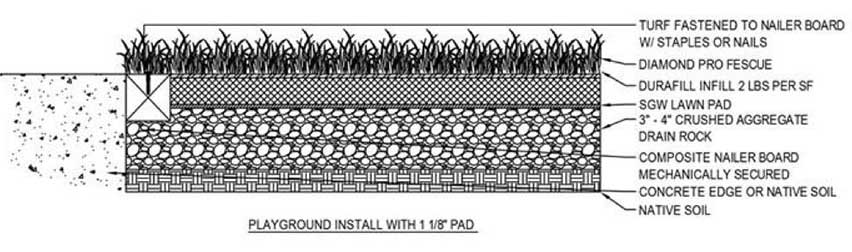
Turvallisen leikkikentän rakentamisessa ei ole kyse "pehmeimmän" nurmikon valitsemisesta. Kyse on sellaisen pinnan suunnittelusta, joka toimii johdonmukaisesti ajan mittaan.
Jos suunnittelet hanketta, sinun pitäisi ajatella sitä näin:
Aloita putoamiskorkeudesta, älä ruohon korkeudesta.
Jokaisella leikkivälineellä on määritelty putoamiskorkeus. Päällystejärjestelmäsi on suunniteltava siten, että se täyttää tai ylittää tämän luvun - olipa kyseessä ASTM F1292, EN1177 tai molemmat.
Rakenna järjestelmäsi sitten kerroksittain:
- Betonista, asfaltista tai asianmukaisesti tiivistetyistä kiviaineksista koostuva pohjakerros varmistaa koko järjestelmän rakenteellisen vakauden.
- Iskunvaimennin (tyypillisesti 25-50 mm) vaimentaa iskuja.
- Nurmi ja täyte toimivat yhdessä suojatakseen iskunvaimentimen ja säilyttääkseen suorituskyvyn.
- Viemäröinti on toinen tekijä, jota et voi jättää huomiotta. Hyvin suunnitellulla tekonurmijärjestelmällä voidaan saavuttaa 500-1 000 mm/tunti vedenpoistonopeus, mikä estää veden kertymisen ja vähentää liukastumisriskiä.
Valitsemalla MightyGrass, saat käyttöösi kattavan tuen ja palvelun koko prosessin ajan - suunnittelusta tuotteen lopulliseen toimitukseen. Räätälöimme juuri sinulle sopivan lattiajärjestelmäratkaisun, joka perustuu projektisi ainutlaatuisiin vaatimuksiin kriittisen putoamiskorkeuden, käyttötiheyden ja paikallisten ilmasto-olosuhteiden osalta. Näin varmistetaan, että leikkikenttäsi ei ainoastaan täytä turvallisuusstandardeja alusta alkaen, vaan myös kestää aikaa ja säilyttää alkuperäisen turvallisuustasonsa tulevina vuosina.
Miksi yhä useammat koulut ja puistot siirtyvät tekonurmi järjestelmät
Eri puolilla Yhdysvaltoja ja maailmaa koulut ja kunnat ovat siirtymässä pois luonnon nurmikentiltä ja irtotäytemateriaaleista, ja muutos kiihtyy.
Syy on yksinkertainen: ennustettavuus ja turvallisuus.
Luonnon nurmi voi näyttää houkuttelevalta, mutta siitä tulee nopeasti:
- Epätasainen raskaassa käytössä
- Sateen jälkeen mutaista ja liukasta
- Ympärivuotinen ylläpito on kallista
Irtotäytemateriaaleihin, kuten puuhakkeeseen tai hiekkaan, liittyy omat ongelmansa:
- Ajan myötä tapahtuva siirtyminen (johtaa epäjohdonmukaiseen putoamissuojaukseen).
- Korkeat huoltovaatimukset
- Huono esteettömyys pyörätuoleille
Tekonurmi järjestelmät ratkaisevat nämä ongelmat tarjoamalla hallittu, suunniteltu pinta.
Kustannusten näkökulmasta katsottuna, vaikka alkuasennus voi olla kalliimpi, elinkaarisäästöt ovat huomattavat:
- Kunnossapitokustannusten aleneminen jopa 60-70% luonnonnurmiin verrattuna.
- Kastelua tai niittoa ei tarvita
- Pidempi käyttöikä (tyypillisesti 8-12+ vuotta leikkikenttäsovelluksissa).
Vielä tärkeämpää on, että nurmikkojärjestelmät tarjoavat tasaisen turvallisuustason, mikä on kriittistä koulujen vastuunhallinnan kannalta.
Siksi näet tekonurmi laajalti hyväksytty:
- Julkiset puistot ja kunnalliset leikkikentät
- Koulukampukset (K-12 ja yliopistot)
- Kaupalliset leikkipaikat ja lomakeskukset
Kyse ei ole trendeistä, vaan riskien vähentämisestä ja toiminnan tehokkuudesta.
Miksi valita MightyGrass tekonurmi leikkikentän turvallisuuden pinnoitteet
Jos olet hankkimassa leikkikentän nurmikenttää, et vain vertaile tuotteita, vaan valitset kumppanin, joka vaikuttaa suoraan hankkeesi onnistumiseen.
MightyGrass on rakennettu tämän vastuun ympärille.
Yli 20 vuoden valmistuskokemuksella ja täydellisellä sisäisellä tuotannolla - langan puristamisesta selkämykseen - voit hallita sitä, millä on eniten merkitystä: laadun tasaisuutta. Kun Kalifornian varasto, MightyGrass voi paremmin tukea Yhdysvalloissa sijaitsevia hankkeita lyhyemmillä toimitusajoilla.
Hankkeesi kannalta ratkaisevaa ei kuitenkaan ole pelkkä tuotanto, vaan se, miten tuemme vaatimustenmukaisuutta ja suorituskykyä koskevia tavoitteitasi:
Saat nurmikkojärjestelmiä, jotka on suunniteltu täyttämään ASTM F1292- ja EN1177-vaatimukset, etkä yleisiä tuotteita, joilla on yleisiä testiraportteja.
Sinä hyödyt:
- Räätälöity iskunvaimennin + synteettinen nurmikkojärjestelmän yhteensovittaminen
- Tuki ADA-yhteensopiville pintakokoonpanoille
- Kestävät lankarakenteet, jotka on suunniteltu vilkkaasti liikennöidyille leikkipaikoille.
- Valinnainen kierrätettävä turve ratkaisuja tulevaisuuteen-proof hankkeet
Kokemuksemme maailmanlaajuisilta markkinoilta Pohjois-Amerikasta Lähi-itään tarkoittaa, ettet joudu kokeilemaan. Työskentelet ratkaisuilla, jotka on jo testattu todellisissa ympäristöissä.
Koska leikkikenttähankkeissa epäonnistumista ei mitata palautuksina tai valituksina, vaan turvallisuusriskeinä.
MightyGrassissa saat enemmän kuin vain materiaaleja. Saat vaatimustenmukaisuusvalmiin ratkaisun, joka on suunniteltu projektisi erityisvaatimusten mukaisesti. Olitpa urakoitsija, jakelija tai projektin omistaja, me autamme sinua vähentämään riskejä, läpäisemään tarkastukset ja saavuttamaan pitkän aikavälin suorituskyvyn. Keskustele tiimimme kanssa jo tänään ja saat räätälöidyn leikkikenttänurmijärjestelmän, joka täyttää sekä turvallisuusstandardit että todelliset vaatimukset.
Johtopäätös
Leikkikenttien turvallisuus ei ole enää pelkkä vaatimus, vaan se on järjestelmätason vastuu.
ASTM F1292:n, EN1177:n ja ADA:n kaltaiset standardit eivät ole vain teknisiä vaatimuksia. Ne määrittelevät, kuinka turvallinen, esteetön ja luotettava leikkipaikka on ajan mittaan.
Sinulle ostajana tärkein asia on selvä:
Et ole ostamassa tekonurmea.
Rakennat sertifioitua turvapintajärjestelmää.
Ja ero hyväksytyn ja epäonnistuneen projektin välillä on siinä, miten hyvin järjestelmä on suunniteltu, asennettu ja tuettu.
MightyGrassin avulla valitset kumppanin, joka ymmärtää tämän eron - ja auttaa sinua tekemään sen oikein alusta alkaen.
FAQ
Mikä on turvallisin pinta leikkikentälle?
Turvallisin leikkipaikan pinta on sellainen, joka täyttää sertifioidut iskunvaimennusstandardit, kuten ASTM F1292 tai EN1177. Iskutyynyillä varustettuja tekonurmijärjestelmiä pidetään yleisesti yhtenä turvallisimmista vaihtoehdoista, koska ne tarjoavat johdonmukaisen putoamissuojan, vakaan jalansijan ja pitkäaikaisen suorituskyvyn verrattuna löyhään täytemateriaaliin, kuten puuhakkeeseen tai hiekkaan.
Täyttääkö tekonurmi leikkikentän turvallisuusstandardit?
Kyllä, mutta vain silloin, kun se on asennettu kokonaisena järjestelmänä.
Tekonurmi ei yksinään täytä turvallisuusvaatimuksia. Jotta järjestelmä olisi ASTM F1292- tai EN1177-standardien mukainen, siihen on sisällyttävä asianmukaisesti suunniteltu iskunvaimennin, vakaa pohja ja (tarvittaessa) täytemaa. Koko järjestelmä testataan ja sertifioidaan, ei pelkästään tekonurmi.
Kuinka paksu leikkikentän turpeen ja iskunvaimentimen pitäisi olla?
Paksuus riippuu vaaditusta putoamiskorkeudesta.
Useimpiin leikkikenttäsovelluksiin:
- Iskunvaimentimen paksuus: tyypillisesti 25-50 mm (1-2 tuumaa).
- Nurmikasan korkeus: yleensä 20-40 mm.
Suuremmat putoamiskorkeudet edellyttävät paksumpia iskutyynyjä ASTM- tai EN-turvallisuusstandardien täyttämiseksi. Järjestelmän suunnittelun tulisi aina perustua laitteen korkeuteen, ei pelkästään tuotteen mieltymyksiin.
Kuinka kauan leikkipaikka tekonurmi kestää?
Laadukkaat leikkipaikan nurmijärjestelmät kestävät yleensä 8-12+ vuotta käytöstä ja kunnossapidosta riippuen.
Elinikään vaikuttavia tekijöitä ovat mm:
- Jalkaliikenteen intensiteetti
- UV-altistuminen
- Täydennysrakentamisen ylläpito (tarvittaessa)
- Langan ja selkämyksen laatu
MightyGrass UV-kestävä nurmijärjestelmä auttaa säilyttämään sekä suorituskyvyn että turvallisuuden ajan myötä.
Onko tekonurmi parempi kuin puulastut leikkikentille?
Monissa tapauksissa kyllä.
Tekonurmi tarjoaa:
- Johdonmukainen iskunkestävyys (ei siirry kuten irtotäyte).
- Pienempi huolto ajan myötä
- Parempi saavutettavuus (ADA-yhteensopivuus)
- Puhtaammat ja visuaalisesti houkuttelevammat pinnat
Puuhake voi olla edullisempaa, mutta sitä on täydennettävä usein ja se voi muuttua epätasaiseksi, mikä heikentää turvallisuustasoa.
Miten valitsen oikean leikkipaikan nurmijärjestelmän?
Aloita projektin vaatimuksista - ei tuotteesta.
Sinun pitäisi määritellä:
- Vaadittu putoamiskorkeus
- Sovellettavat standardit (ASTM, EN, ADA)
- Käyttötaso (koulu, puisto, kaupallinen)
- Ilmasto-olosuhteet
Valitse sieltä täydellinen turvejärjestelmä (turve + iskunvaimennin + pohja), joka täyttää nämä vaatimukset. Työskentely kokeneen valmistajan, kuten MightyGrassin, kanssa auttaa varmistamaan järjestelmän asianmukaisen sovittamisen ja vaatimustenmukaisuuden.
Pystyykö leikkikentänurmi säilyttämään turvallisuustasonsa ajan myötä?
Kyllä, mutta vain jos järjestelmä on suunniteltu ja huollettu oikein.
Ajan mittaan tekijät, kuten täytteen häviäminen, tiivistyminen ja kuluminen, voivat vähentää iskunvaimennusta. Siksi MightyGrassin korkealaatuiset leikkipaikan nurmijärjestelmät on suunniteltu säilyttämään suorituskyky ikääntymistestien ja todellisen käytön jälkeen.
Säännöllinen tarkastus ja kevyt kunnossapito auttavat varmistamaan vaatimustenmukaisuuden ja turvallisuuden pitkällä aikavälillä.


