English
  العربية
  Español
  Deutsch
  Français
  Português
  Русский
  日本語
日本語  Italiano
  Nederlands
  Svenska
  Suomi
Suomi  ไทย
ไทย  Dansk
Dansk  Ελληνικά
  Bahasa Melayu
Artificial turf has come a long way from the early days of AstroTurf. Today’s synthetic turf systems are stronger, safer, and more realistic than ever — offering lush green surfaces that stay beautiful year-round. Whether you’re maintaining a football pitch, a baseball field, or a commercial lawn, one question always comes up: how long does artificial turf last?
The results depend on several factors: the quality of the materials, how often the surface is used, and how well it’s maintained. On average, the lifespan of artificial turf ranges from 8 to 15 years, but high-performance synthetic grass designed for heavy use can last even longer. When considering the long-term value, it’s important to factor in the initial artificial turf cost as well as ongoing maintenance expenses.
At MightyGrass, we’ve been manufacturing professional-grade turf systems for over two decades — and we’ve seen how advanced materials and consistent maintenance can extend a field’s life dramatically. Our goal is simple: help you get the best performance and durability out of every installation, ensuring you maximize your investment in artificial grass cost.
In this guide, you’ll learn:
- The true life expectancy of artificial turf
- How to tell when your turf is reaching the end of its cycle
- What affects synthetic turf cost and replacement
- And how to make your artificial grass last as long as possible
What Is the Average Lifespan of Artificial Turf?
The average lifespan of artificial turf typically falls between 8 and 15 years. A well-installed artificial turf system for residential or commercial use can last well over a decade, while sports fields,,especially those used daily, often require replacement a bit sooner. Understanding this lifespan is crucial when evaluating the long-term artificial turf costs for your project.
| Application Type | Average Lifespan | Maintenance Needs |
| Football & Rugby Fields | 8–10 years | High |
| Baseball Fields | 8–12 years | Medium |
| Landscape & Commercial Lawns | 12–15 years | Low |
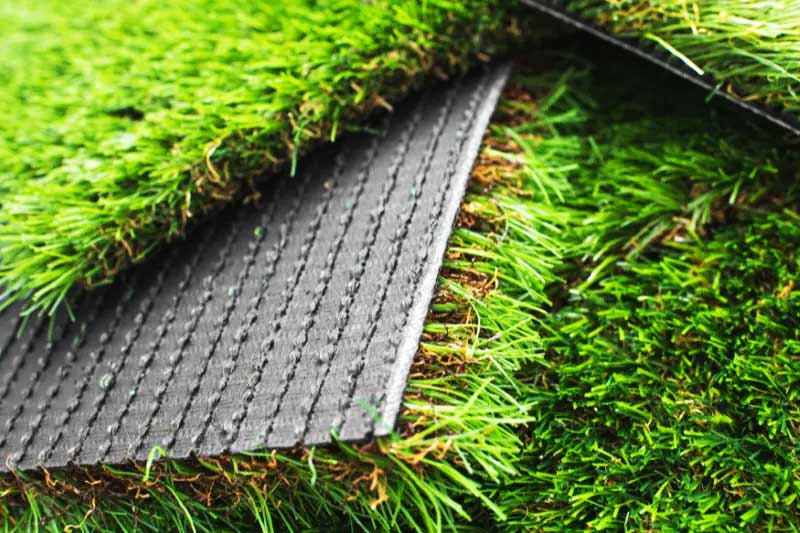
- The difference often comes down to the materials used. Synthetic turf made from UV-stabilized polyethylene (PE) yarns is soft yet resilient, maintaining its shape even after years of foot traffic. Polypropylene (PP) blends, often used in faux grass for decorative landscapes, provide extra stiffness and color retention.
- Backing technology is another key factor. Turf with reinforced double-layer PU or latex backing is more resistant to tearing and delamination, extending the artificial turf life expectancy by several years. Inferior backings, on the other hand, tend to weaken under heavy load or extreme temperature changes.
- Environmental exposure also plays a major role. UV radiation, rainfall, and temperature swings can accelerate fiber aging. That’s why MightyGrass synthetic turf is manufactured using UV-stabilized yarns and high-tensile coatings — ensuring your artificial grass stays vibrant and structurally sound in any climate.
- Another crucial element is proper drainage and infill management. Compacted infill or poor sub-base design can trap heat and moisture, shortening turf lifespan. A well-engineered base, combined with periodic brushing and infill top-ups, can extend the lifespan of artificial turf by several years.
Industry insight: According to multiple field audits, FIFA- and ASTM-compliant field turf systems retain more than 85% of their original performance after 10 years of regular play, proving that quality design and proper maintenance make all the difference.
At MightyGrass, every artificial turf roll is built to last. From yarn extrusion to tufting and backing, our in-house manufacturing process ensures consistent durability. So whether you’re planning a baseball field with artificial turf, a synthetic turf sports complex, or a low-maintenance faux grass landscape, you can count on performance that endures year after year, justifying the initial artificial grass cost.
How to Know When It’s Time to Replace Your Artificial Turf
Even the most durable artificial turf will eventually reach the point where repairs are no longer cost-effective. Timing your turf replacement correctly not only saves money but also ensures your field stays safe and attractive. Here are the most common signs that your synthetic turf is nearing the end of its lifespan, which may prompt you to consider the turf installation cost for a replacement.
1. Noticeable Wear and Flattened Fibers
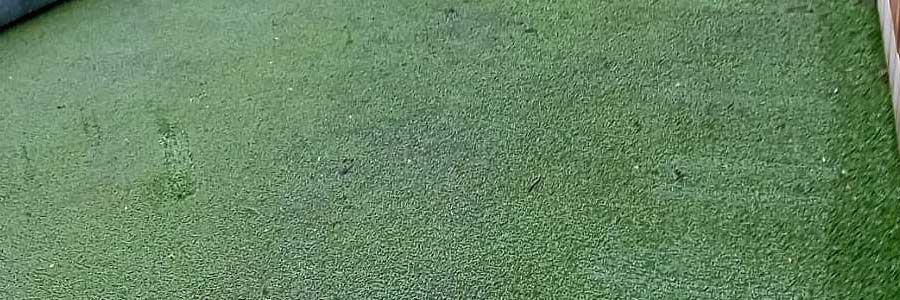
One of the first visual cues is the flattening of turf fibers. Over time, foot traffic and weather can crush even high-quality blades. When brushing no longer helps the grass stand upright, or the fibers feel stiff and matted, it may be time to consider artificial turf replacement. In high-traffic zones like goal mouths or batting areas, this process can accelerate after 7–9 years, depending on the artificial turf life expectancy and maintenance schedule.
2. Faded Color and UV Damage
If your once-vibrant green has turned dull or yellowish, prolonged UV exposure is likely to blame. Although modern synthetic turf products use UV-stabilized yarns, constant sunlight eventually breaks down pigments. Excessive fading not only affects appearance but can also indicate weakening fibers that are more prone to tearing.
3. Drainage and Surface Problems
Poor drainage is another red flag. If you notice puddles forming after rain or uneven surfaces underfoot, the sub-base or backing layer could be deteriorating. Once the drainage performance declines, the field can retain moisture, leading to odor, mold, or bacteria growth — especially on older synthetic turf or early-generation systems.
4. Infill Loss or Compaction
The infill material — typically sand or rubber granules — provides stability and shock absorption. Over time, infill can wash away or compact, making the surface hard and unsafe. Uneven infill levels also accelerate yarn wear and heat buildup. If your field feels firmer than usual, schedule an artificial turf maintenance service to assess whether a deep clean or full replacement is needed.
5. Rising Maintenance Costs
If you’re spending more time and money patching holes, brushing, or re-infilling, that’s often a clear sign your field is aging out. The cost of constant small repairs can quickly exceed the price of a new synthetic turf system with improved materials and technology. At this point, it’s wise to compare ongoing maintenance expenses with the artificial lawn cost of a full replacement.
When Maintenance Isn’t Enough
Routine maintenance is essential — but it can’t reverse structural aging. Once the backing begins to crack or fibers start detaching, replacement is the only reliable option. Continuing to use degraded turf may risk player safety, reduce field performance, and damage the base layer beneath.
That’s where MightyGrass comes in. Our experts can expertly guide you through a site assessment to measure wear, drainage efficiency, and infill condition. If your field is reaching the end of its cycle, we’ll help you design a custom replacement plan — from removing the old faux turf to installing a new, more advanced system that meets FIFA and ASTM performance standards. We’ll also provide a detailed breakdown of the artificial grass installation process and associated costs.
Need an expert opinion? Request a Free Turf Condition Evaluation from MightyGrass. Our engineers can determine whether your field needs maintenance, refurbishment, or full replacement — helping you extend the life of your investment and plan for future artificial turf costs.
Cost of Replacing Artificial Turf
When it comes to replacing your artificial turf, the question everyone asks is: How much will it cost? The answer depends on several key factors — from the field type and surface size to the infill system and labor involved. The more you know about these elements, the better equipped you’ll be to make an artificial grass cost for your field.
1. Field Size and Usage Type
The most significant cost variable is your field’s total area and its intended use.
- Sports fields such as football, baseball, or rugby pitches usually cost more due to their performance standards, shock pad requirements, and certified infill materials.
- Landscape turf for schools, playgrounds, or commercial areas is typically more affordable because it doesn’t require FIFA or ASTM-level certifications.
On average, the cost to replace synthetic turf ranges from USD 4 to 10 per square foot, including materials, removal, and installation. For a full-sized baseball field, the total replacement cost can fall between USD 350,000 and 600,000, depending on design complexity and turf quality.
2. Materials and Turf Technology
Next comes the type of turf yarn, backing system, and infill structure you choose. Premium polyethylene yarns with advanced UV protection and anti-abrasion coatings last longer but cost slightly more upfront. Reinforced double-layer backings improve dimensional stability — reducing the risk of wrinkling or edge lifting over time.
If you’re opting for a recyclable or eco-friendly turf system, like the MightyGrass ERET Series, the initial investment is balanced by long-term savings in disposal and sustainability compliance.
3. Labor, Basework, and Disposal
Replacing turf isn’t just about rolling out new grass. The process includes:
- Removing and disposing of old turf and infill
- Inspecting or regrading the base layer
- Installing new drainage or shock pad systems
- Applying fresh infill and performing grooming
Labor and preparation can account for 25–40% of total turf replacement cost, depending on site accessibility and climate conditions. This is a crucial factor to consider when evaluating the overall artificial grass installation expenses.
4. Ongoing Maintenance Costs
While the new synthetic turf requires less maintenance than natural grass, you’ll still need routine brushing, infill top-ups, and cleaning to extend lifespan. Expect annual artificial turf maintenance costs to be around USD 0.25–0.50 per square foot — a fraction of what natural grass demands. Understanding these ongoing synthetic grass maintenance requirements is essential for budgeting the total cost of ownership over the turf’s lifespan.
Instead of viewing replacement as an expense, think of it as an upgrade opportunity. Modern turf systems from MightyGrass are built with enhanced UV stability, improved drainage, and recyclable materials — delivering better playability and environmental performance. Our professional team can help you calculate cost-per-year of use, so you can see the actual value over a 10–15 year lifecycle.
How to Extend the Lifespan of Your Artificial Turf
Even the best synthetic turf can degrade faster without proper care. With the right maintenance routine, however, you can maximize your artificial turf life expectancy, maintain performance, and protect your investment. Here are the key steps:
Regular Cleaning
Debris like leaves, sand, or trash can trap moisture and promote bacterial growth.
- Use a leaf blower, broom, or brush to remove loose debris weekly.
- For stubborn dirt, rinse with water to prevent buildup.
Regular cleaning helps maintain artificial grass appearance and prevents fiber wear, keeping your turf vibrant for years.
Brushing and Fiber Recovery
High-traffic areas can cause fibers to flatten. Regular brushing with a firm broom or power brush keeps the blades standing tall and prevents them from getting tangled.
- Focus on goal mouths, batting zones, or frequently walked paths.
- Perform brushing monthly or after heavy use.
This simple step extends your synthetic turf lifespan by reducing early fiber breakdown.
Infill Management
The infill layer cushions the surface and provides stability. Over time, infill can compact or shift:
- Check infill depth regularly.
- Add additional sand or rubber granules as needed.
Proper infill management reduces surface hardness, prevents premature fiber wear, and enhances field safety — a critical factor for sports turf maintenance.
Professional Inspections
Even with daily care, some issues require expert evaluation:
- Drainage performance
- Base stability
- Fiber wear patterns
MightyGrass offers artificial turf maintenance services to assess these areas and recommend corrective action. Scheduling inspections every 1–2 years helps avoid costly repairs and identifies when synthetic turf replacement is necessary.
Avoiding Excessive Heat and Chemical Damage
- Minimize exposure to sharp objects, heavy equipment, or excessive heat sources.
- Avoid harsh chemicals that can degrade fibers or backing layers.
Following these simple rules can significantly extend the life of artificial grass while keeping it safe and visually appealing.
MightyGrass Advantage: Engineered to Last
At MightyGrass, we design every turf system for longevity and performance. Using UV-stabilized polyethylene and polypropylene yarns, reinforced double-layer backing, advanced drainage, and recyclable materials, our fields withstand high-traffic sports, residential lawns, and commercial installations while maintaining their lush appearance. Independent field audits show properly installed MightyGrass systems retain over 85% of their performance even after 10 years, often exceeding 12 years with proper maintenance.
Pro Tip: Contact us today to receive a turf maintenance guide with step-by-step instructions for cleaning, brushing, and infill management to protect your artificial turf investment and extend its life.
Conclusion
The lifespan of artificial turf is influenced by its material quality, installation standards, frequency of use, and regular maintenance. High-grade synthetic turf can last 8–15 years, and well-maintained artificial grass for landscapes or residential lawns may last even longer. Regular cleaning, brushing, and infill care greatly extend your artificial turf life expectancy, while timely inspections reveal when synthetic turf replacement is needed.
At MightyGrass, we use advanced yarn technology, reinforced backing, and eco-friendly materials to ensure our turf guaranteed to outlast older AstroTurf or small factory-produced fake grass. Whether you’re building a baseball field with artificial turf, upgrading a football pitch, or designing a low-maintenance commercial lawn, MightyGrass synthetic turf delivers proven durability and excellent long-term value — helping you maximize your artificial grass cost investment.
With MightyGrass, you’re not just installing artificial turf, you’re investing in durable, high-performance synthetic grass that will last for years while enhancing safety, aesthetics, and playability. Let us help you maximize your artificial turf cost investment with our expert installation and maintenance services.