
 日本語
日本語  English
  العربية
  Español
  Deutsch
  Français
  Português
  Русский
  Italiano
  Nederlands
  Svenska
  Suomi
Suomi  ไทย
ไทย  Dansk
Dansk  Ελληνικά
  Bahasa Melayu
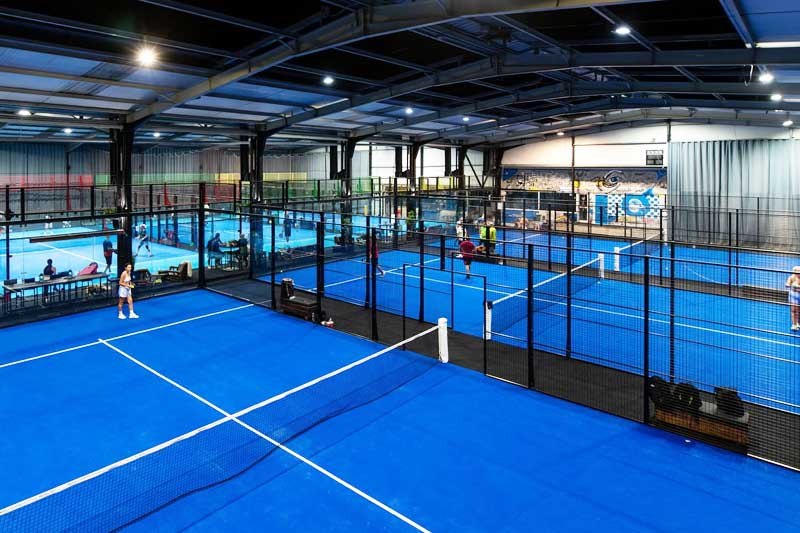
パデルは、世界で最も急速に成長しているスポーツの一つとなっており、専用のコートを整備し、このスポーツを積極的に推進するクラブ、コミュニティ、スポーツ施設が増え続けています。「FIP ワールド・パデル・レポート 2025国際パデル連盟(FIP)が発表した資料によると、このスポーツは現在、世界中で3,500万人以上のプレーヤーを擁し、150カ国にコートが設置されている。2025年末までに、世界のパデルコートの数は7万7,000面という節目に達した。
プライベートクラブ、学校、あるいは大規模な商業施設のいずれを計画している場合でも、パデルコートの建設を成功させるには、一から入念な計画が必要です。このガイドでは、最初から適切な判断を下すために必要なすべての情報を網羅しています。
パデルコートとは?
パデルコートとは、テニスとスカッシュの要素を組み合わせた、急速に人気を集めているスポーツ「パデル」のために特別に設計された、囲いのあるラケットスポーツ用コートです。通常はダブルスで行われ、ストリングのないソリッドラケットと柔らかいボールを使用し、サーブはアンダーハンドで打ちます。 テニスとは異なり、プレー中は周囲のガラス壁や金属メッシュを活用できるため、よりテンポの速い、戦略性の高い試合展開が楽しめます。
1960年代にメキシコで誕生し、その後1990年代から2000年代にかけてスペインやアルゼンチンで急速に普及したパデルは、今や世界で最も急成長しているスポーツの一つへと発展しました。 スペインは依然として世界的なリーダーであり、1万7,000面以上のコートと数百万人のアクティブなプレーヤーを擁しています。このスポーツがヨーロッパ、中東、ラテンアメリカ、北米、アジアへと拡大し続けるにつれ、プロ仕様のパデルコート建設への需要が急速に高まっています。
パデルコートとテニスコートの主な違い
パデルはテニスとよく比較され、単なるテニスの縮小版と見なされがちですが、両者のインフラ要件は根本的に異なります。
- コートのサイズ:パデルコートのサイズは10m×20mで、テニスコートの約3分の1の大きさです。
- コートの表面:パデルコートには通常、 人工芝, 一方、テニスコートの表面は、ハードコート、クレーコート、または人工芝にすることができます。
- ウォールプレイ:テニスとは異なり、パデルではバックウォールやサイドウォールをボールが跳ね返る壁として利用することができます。
- サーブ方式:パデルのサーブは、ボールがバウンドした後、アンダーハンドで打たなければならない。
- ラケット:パデルのラケットは堅牢で、通常はカーボンファイバーやグラスファイバーで作られており、ストリングの代わりに表面に穴が開けられています。
- ネット:パデルのネットはテニスのネットよりわずかに低く、中央で高さ88cm、両サイドで92cmとなっています。
パデルコートとテニスコートの簡単な比較
| 特徴 | パデルコート | テニスコート |
| 寸法 | 20m × 10m | 23.77m × 8.23 m(シングルス)23.77m × 10.97 m(ダブルス) |
| 添付資料 | ガラスとメッシュの壁の設置が義務付けられています | 壁なし |
| 表面 | 人工芝(標準) | ハード、またはターフ |
| 正味高さ | 中央で88cm、支柱で92cm | 中央で91.4cm |
| 選手 | 4(スタンダードプレイでのみダブルス) | 2または4(シングルまたはダブル) |
| 必要な設置面積 | 20 × 10mのFIP構造物 | ~36.58 × 18.29 m(推奨) |
設置面積が小さいことは、パデルの最も魅力的な商業的メリットの一つです。テニスコート1面分のスペースにパデルコート2面を設置することができ、コートの予約需要が高いことを考慮すると、1平方メートルあたりの収益性は大幅に高くなります。
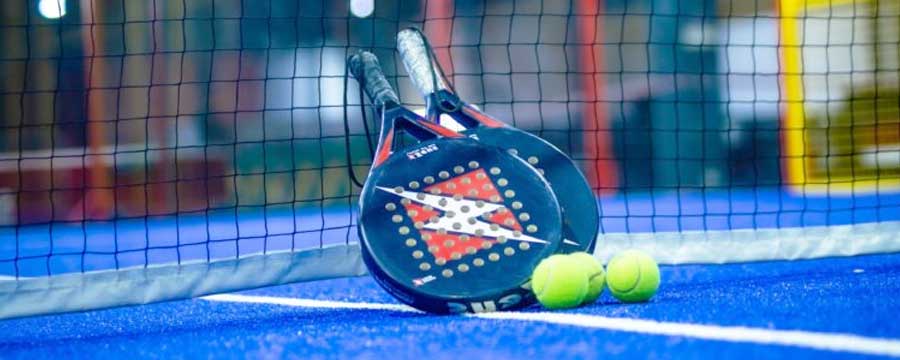
パデルコートの公式寸法とレイアウト
| コンポーネント | 標準寸法 |
| コートの長さ | 20メートル |
| コート幅 | 10メートル |
| 許容公差範囲 | 長さと幅については、±0.5%の許容誤差が認められる |
| 正味高さ(中央) | 0.88メートル |
| ネットハイト(ポスト) | 0.92メートル |
| サービスラインの距離 | ネットから6.95メートル |
| 推奨最低天井高(屋内) | 8メートル以上 |
この囲いシステムは、通常、強化ガラスパネルと金属メッシュを組み合わせて構成されています。ガラス部分の高さは一般的に約3メートルですが、設計によってはフェンス全体の高さが約4メートルに達することもあります。適切な寸法は、単に規制を遵守するだけの問題ではなく、ボールの跳ね返り角度、選手の安全、そして競技の質に直接影響を及ぼします。
パデルコートの施設と用具:適切に整備するために必要なもの
プロ仕様のパデルコートを建設するには、複数の構造システムを統合する必要があります。各構造部材に適切な材料を選定することは、コートの耐久性、安全性、そしてプレー体験の質に大きく影響します。
壁・囲い材
壁は、どのパデルコートにおいても最も重要な構造要素です。現代のパデルコートの壁は、主に「強化ガラス」と「金網」という2つの素材で構成されています。
- 後壁および側壁の下部には、強化ガラスパネルが使用されています。標準的な厚さは10~12 mmで、ガラスはEN 12150または同等の安全認証基準に準拠している必要があります。つまり、万が一破損した場合でも、危険な大きな破片になるのではなく、比較的小さく、比較的無害な破片に砕けるようになっています。
- 壁の上部には金網(亜鉛メッキまたは粉体塗装を施した鋼製)が使用されます。通常、線径は3.15 mmで、1本あたりの引張強度は120~140ニュートンです。 コートが沿岸地域や、塩分濃度や湿度が高い環境にある場合は、溶融亜鉛メッキまたは粉体塗装を施したスチールメッシュは、コストは高くなりますが、投資する価値があります。
- あるいは、壁にはガラス以外の素材、例えばコンクリートや漆喰を塗ったレンガなどを選ぶこともできます。
表面材料
人工芝は、パデルコートの紛れもない標準となっていますが、それには十分な理由があります。人工芝は、安定したボールの跳ね返り、十分なグリップ力、そして長時間のプレー中の関節への負担を軽減する衝撃吸収性を備えているほか、コンクリートやその他の硬質コートでは到底及ばない安全性と、あらゆる天候に耐える耐久性も兼ね備えています。
| 技術仕様 | 推奨規格 | プレーとパフォーマンスへの影響 |
| パイルの高さ | 10~15 mm(12 mmがプロ仕様の最も一般的な規格です) | 10mm(ショートパイル):スピードとボールの飛距離を重視。サーブやショットの基本技術を練習する初心者の方に最適です。12mm(スタンダードパイル): バランスの取れた性能により、プロ試合で好まれる選択肢です。素早いスタートのためのグリップ力と、インパクト時の快適さを兼ね備え、急なストップやターンによる関節への負担を効果的に軽減します。15mm(ロングパイル):ボールスピードを落とし、ディフェンスと戦術的なプレーを重視します。ベースラインでのディフェンスやロブを好む中級者から上級者に適しています。 |
| ファイバー・タイプ | テクスチャ加工(クリンプ加工またはカール加工)を施したモノフィラメント糸 | 現代のパデルコートに最適な選択肢です。多方向へのグリップ力が向上し、荷重の分散がより均一になり、過酷な使用条件下でも繊維の耐久性が向上しています。 |
| 繊維密度(Dtex) | 8,000~10,000 Dtex | Dtexの数値が高いほど繊維が太くなり、その結果、激しいプレーやトーナメントでの使用においても、耐久性や耐摩耗性が向上し、製品寿命が長くなります。 |
| 砂の充填 | 珪砂(0.2~0.5 mm)、8~10 kg/m² | 芝の繊維を安定させ、ボールの速度を調整し、足元の安定性を高め、クッション性を発揮することで、下半身の衝撃による怪我の軽減に役立ちます。 |
| ボールの跳ね返りに関する適合性 | 135~145 cmのリバウンド高さ(規定のパデルボールを2.54 mの高さから落とした場合) | コートが常に一貫した、プロフェッショナルなプレー環境を提供できるようにします。これは、コートの引き渡しおよびオープン前に、その品質を確認するために用いられる一般的な基準です。 |
マイティグラス パデルターフ 当社の製品は、これらのパラメータに合わせて特別に設計されています。MT-Padelシリーズでは、安定したボール速度と均一な反発力を実現する、特別に設計されたブルーグラス繊維を採用しています。特に湿気の多い環境下でも信頼性の高い性能を発揮するため、降雨量の多い地域の屋外コートにおいて重要な要素となります。 当社が提供するパデル用人工芝は、FEP(スペインパデル連盟)の基準に準拠しており、クラシックグリーン、コンペティティブブルー、クレーレッド、カスタムカラーなど、多彩な色展開をご用意しています。これにより、各クラブは独自のアイデンティティを反映したブランドコートを構築することが可能です。
支柱、ネット、および支持構造物
プロ仕様のシステムには、一般的に以下のものが含まれます:
- 粉体塗装または亜鉛メッキ処理されたスチールメッシュ
- 高品質の鋼製またはアルミニウム製の支柱
- 高強度ポリエチレンまたはナイロン製のネット
- ステンレス製の張力調整機構および保護用金具
夜遅くまで営業するクラブでは、均一な照度(300~500ルクス)を実現する、省エネで高性能なLED投光器を活用することができます。適切に設計された照明は、視認性を高めるだけでなく、プレーヤーの体験全体や施設の商業的価値も向上させます。

パデルコートの作り方:ステップバイステップ
高品質なパデルコートの建設は、体系的なエンジニアリングプロセスです。各段階が、完成した施設の耐久性、安全性、および性能に影響を及ぼします。
1. ユースケースを定義する
最初に決めるべきは素材ではなく、目的です。自分自身にこう問いかけてみてください:
- 裁判所は公的機関か、それとも民間機関になるのでしょうか?
- 屋内か屋外か?
- レクリエーションレベルか、トーナメントレベルか?
- 1日あたりの予想プレイヤー数は?
- その地域の気候条件は?
これらの要素によって、基礎、照明、人工芝、および囲いシステムの仕様が決まります。
2. 場所の選定と準備
設置場所は、平坦で安定しており、障害物がない場所を選ばなければなりません。また、周囲には、コート本体だけでなく、照明設備、フェンス、通路、および将来的に必要となる可能性のある観客席や保管スペースも収容できるだけの十分な広さが必要です。
構造荷重に耐えられる地盤(支柱の基礎は深く掘る)、適切な排水設備、そしてプレー中の直射日光によるまぶしさを最小限に抑えるため、コートの長手方向に沿って南北方向に配置されることが理想的です。
3. 底面と上面の構築
適切に設計された基礎こそが、15年間良好な状態を保つコートと、3年以内に排水の問題や表面の凹凸が生じるコートを分ける要因です。 一般的な施工手順としては、完成時のコートレベルより400~500mm下まで掘削し、締固めた砕石の基盤(150~200mm)を敷設します。その後、鉄筋コンクリートスラブを打設するか、コスト効率を高めるためにアスファルトを使用し、最後に透水性のレベリングスクリードで仕上げます。 基盤システム全体が効率的に排水できる必要があります。水が溜まると、芝のバッキングが損傷し、表面が危険な状態になります。
4. 鉄骨構造とガラス壁の設置
基礎が設置され、硬化が完了すると、周囲の鉄骨構造が組み立てられます。支柱はFIPの寸法仕様に厳密に従って配置され、プレキャストされたアンカーポイントにボルトで固定されます。亜鉛メッキされたメッシュパネルはフレームに張力をかけて取り付けられます。張力を均一に保つことが極めて重要であり、たるみがある部分ではボールの衝撃でたわみ、バウンドの挙動が変化してしまうからです。 ガラスパネルは、振動を吸収し、応力亀裂を防ぐために、ゴム製のガスケットを挟んで取り付けられます。
5. パデルコートの表面を敷設する
人工芝は、下地が整えられた全面に敷設され、専用の接着剤や継ぎ目用テープで接合されます。これにより、継ぎ目が目立たなくなり、端部がしっかりと固定されます。
配置が完了すると、シリカ砂は繊維全体に均一に分散されます。この充填材は糸を安定させ、グリップ力を高め、ボールの挙動を安定させるのに寄与します。
高品質なスポーツ用人工芝を採用することで、メンテナンスの頻度を大幅に削減できるだけでなく、選手たちの長期的な満足度も向上します。
MightyGrassでは、最小注文数量(MOQ)1,100m²から、パイルの高さ、繊維の種類、色など、お客様のご要望に合わせてカスタマイズ可能な人工芝を工場直送で提供しています。当社の年間生産能力は1,000万平方メートルを超えているため、大規模なマルチコート開発プロジェクトにおいても納期の遅れが生じることはありません。
6. 照明、ネット、および器具の設置
最終段階には、以下の内容が含まれます:
- LED照明の設置
- ネットワークシステムの設定
- 安全点検
- 表面のブラッシング
- 最終性能試験
続いてネットの設置を行います。両サイドの支柱と中央で、校正済みのネットゲージを用いて高さを精密に調整します。最後に、サービスボックス、コート番号、ブランドロゴなどの設置を行い、設置作業を完了させます。コートを一般に開放する前に、FIPまたはFEPの基準に基づくオープン前の検査を強く推奨します。
パデルコートの用具やアクセサリーはどこで購入できますか?
コート表面は長期的な投資対象です。プレーヤーがポイントごとに足元で感じる感触であり、何千時間にもわたる使用を通じてコートのプレー特性が決まる要素でもあります。FEP基準を満たすメーカーの製品を購入することで、大きなリスクを効果的に回避することができます。
MightyGrassは、パデル専用人工芝を専門とする中国のメーカー兼サプライヤーであり、 米国の倉庫 北米におけるプロジェクトに対応しています。当社は、20年以上にわたる製造実績を背景に、FIFA、CE、SGSなどの数多くの国際認証および50件以上の特許を保有しています。事業範囲はヨーロッパ、中東、アフリカ、南北アメリカに及び、各地域において地元のプロサッカークラブ、販売代理店、施工業者と広範な提携関係を築いています。
MightyGrassは、販売代理店ではなく製造元であるため、素材の品質を損なうことなく、多くの海外製品よりも10~40%競争力のある価格設定を実現しています。
鉄骨構造やガラスパネルについては、 パデル用ネット、および照明システムについては、現地での設置実績を持つ地域のサプライヤーを選定する方が、多くの場合、より現実的です。もちろん、中国における一元的な調達については弊社でもサポート可能ですが、物流の手配、承認手続きの円滑化、現場での調整管理といった点においては、現地のサプライヤーの方がより効率的です。

パデルコートのメンテナンスのコツ
高品質な素材を用いて適切に建設されたパデルコートは、確かにメンテナンスの手間が少なくて済みますが、「少ない」からといって「全く必要ない」わけではありません。表面の性能を維持し、耐用年数を延ばすためには、定期的な手入れが必要です。
- ブラッシング — 利用頻度の高いコートでは週に1~2回行い、プレー中に移動した砂の充填材を均一に整え、繊維を直立させた状態に保つ。
- 充填材の補充 — 通常の使用に伴い、時間の経過とともに砂の量は徐々に減少します。適切な充填深さを維持し、衝撃吸収性能を回復させるため、定期的に砂を補充することをお勧めします。
- ガラスとコートの清掃 — 強化ガラスパネルは、透明度を維持し、ミネラル分の堆積を防ぐため、定期的に清掃してください。特に屋外コートでは、コート表面から落ち葉、ゴミ、土などの異物を取り除いてください。
- 排水設備の点検 — 雨季の前後には、排水口や周囲の排水路を点検し、詰まりがないことを確認してください。排水が詰まると、路盤の損傷や路面のはがれを最も早く引き起こす原因となります。
- メッシュの点検 — 特に沿岸地域では、毎年、鉄製メッシュに腐食箇所がないか確認してください。小さな錆の箇所を早期に処理しておけば、後でパネルを交換するよりもはるかに費用を抑えられます。
結論
パデルコートの建設は、長期的な運用を見据えたインフラ投資です。設計および仕様決定の段階で行われる、寸法、材料、表面品質、排水、構造設計に関する決定は、長年の使用を通じてその影響が積み重なっていきます。 1年目に正しく建設されたコートは、12年目になっても良好な状態を維持します。一方、最低限の仕様で建設されたコートは、それよりずっと前に問題が生じ始めるでしょう。
マイティグラス 当社は、これらの基準に準拠したパデル用人工芝を製造しており、工場直販で、個人用のコート1面から商業用パデルコート複合施設に至るまで、あらゆる規模のプロジェクトに対応できるカスタマイズと生産能力を備えています。 計画段階にあり、建設予定のコートの表面仕様についてご相談をご希望の場合は、ぜひ弊社チームまでご連絡ください。お客様のコートの具体的な要件に最適な製品をご提案いたします。
よくある質問
パデルコートの建設にはどれくらいの費用がかかりますか?
パデルコートの建設費用は、基礎、鉄骨構造、強化ガラス、人工芝、照明システム、現地の労働コストなどの要因によって異なります。 ほとんどの市場において、標準的な商業用パデルコートの建設費用は通常、$20,000から$60,000+の範囲ですが、高級なパノラマコートや屋内施設の場合は、さらに多額の投資が必要になる場合があります。
パデルコートにはどのような地面が最適ですか?
人工芝は、優れたグリップ力、安定したボールの跳ね返り、そしてプレーヤーの快適性を兼ね備えているため、現代のパデルコートに最適な表面材として広く認められています。プロスポーツの競技場のほとんどでは、砂を充填したモノフィラメント製の人工芝が採用されています。硬い表面と比較して、人工芝は関節を保護し、怪我のリスクを低減するという優れた安全性に加え、耐久性や競技パフォーマンスの面でも優れています。
パデルコートの建設にはどれくらい時間がかかりますか?
通常の状況下では、パデルコートの建設には、敷地整備の状況、天候、基礎の養生期間、および機材の入手状況にもよりますが、通常3~6週間かかります。プレハブ式のコートシステムを利用すれば、設置期間を大幅に短縮することができます。
パデルコートは屋外に設置できますか?
はい。屋外のパデルコートは非常に人気が高く、日光や雨、天候の変化に耐えられるよう特別に設計されています。高品質な施設には通常、耐紫外線性の人工芝、亜鉛メッキ鋼製の構造物、強化ガラスパネル、そして効率的な排水システムが採用されており、一年を通じて安定した性能を発揮します。
パデルコートの建設は良い投資でしょうか?
パデルが世界的に人気を博し続ける中、多くのスポーツクラブ、リゾート、学校、住宅団地では、パデルコートを収益性の高い長期的な投資と捉えています。コートのレンタル料、会員費、指導プログラム、トーナメント、スポンサーシップなど、さまざまな収入源が見込めるため、適切に設計された施設は、レクリエーション面でも商業面でも魅力的なものとなります。


