日本語
日本語  English
  العربية
  Español
  Deutsch
  Français
  Português
  Русский
  Italiano
  Nederlands
  Svenska
  Suomi
Suomi  ไทย
ไทย  Dansk
Dansk  Ελληνικά
  Bahasa Melayu
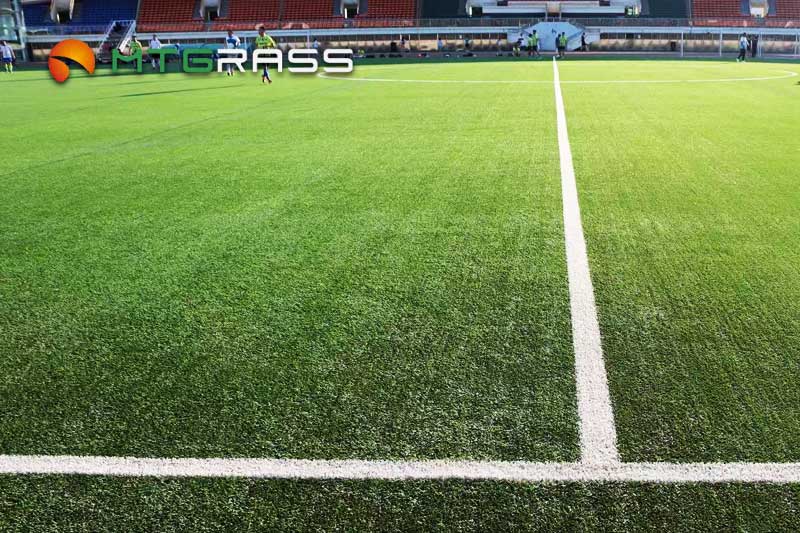
Building and maintaining soccer fields in Canada is fundamentally different from doing so in mild or temperate regions. Long winters, repeated freeze–thaw cycles, heavy seasonal use, and strict budget controls make natural grass increasingly difficult to justify for schools, municipalities, and community sports facilities.
As a result, artificial turf soccer fields have become the preferred solution across Canada. However, not all artificial soccer turf systems perform equally under Canadian climate conditions. Poor base preparation, incorrect turf specifications, or unsuitable drainage design can lead to premature failure, regardless of how good the artificial athletic turf looks on day one.
This guide is written to help you make informed, specification-level decisions. Instead of focusing on surface appearance alone, it explains why 人工芝 works in Canada, what environmental challenges must be addressed, and which technical factors matter most for long-term performance in cold climates.
Why Artificial Soccer Turf Is the Preferred Choice in Canada
In Canada, we believe that your decision to choose between natural and artificial turf is rarely based on aesthetics, but rather on practicality, reliability, and lifecycle costs.
Natural grass struggles to survive Canada’s long winters and short growing seasons. In many regions, soccer fields remain frozen or snow-covered for several months each year, leaving limited time for grass recovery.
Spring thaw often turns fields into muddy, uneven surfaces, while fall temperatures restrict regrowth just as usage peaks. Artificial soccer turf eliminates these seasonal limitations. Once properly installed, it provides:
- Consistent playability from early spring through late fall
- Minimal weather dependency, even during heavy rain or rapid snowmelt
- Lower long-term maintenance costs compared to reseeding, fertilizing, and irrigation
- Higher annual usage hours, especially important for schools and community fields
For Canadian sport facility owners, artificial turf is a solution to structural climate constraints that natural grass cannot overcome.
Key Challenges of Soccer Fields in Canadian Climate
While artificial turf is well-suited for Canada, success depends on how well the system addresses local environmental challenges. Many field failures are not caused by the turf fiber itself, but by underestimating the impact of climate on the entire field system. Understanding these challenges is the first step toward specifying a soccer turf solution that performs reliably for years.
Freeze–Thaw Cycles and Base Stability
One of the most critical challenges for soccer fields in Canada is repeated freeze–thaw cycling. As temperatures fluctuate around 0 °C, moisture in the base layer expands when frozen and contracts when thawed. Over time, this movement can cause:
- Base deformation
- Surface unevenness
- Premature seam stress and turf damage
A stable artificial soccer field in Canada depends less on the turf pile height and more on proper base construction and compaction. Without a frost-resistant base design, even high-quality turf systems can fail prematurely.
Experienced マイティグラス manufacturers have always considered foundation stability to be a core consideration in the design of football fields in cold climate regions.
Snow Accumulation & Drainage Performance
In most parts of Canada, snowfall is inevitable. When the snow melts, large amounts of meltwater must be effectively drained through the turf system. If your artificial sports turf has poor drainage, this will lead to:
- Water pooling beneath the turf
- Ice formation during overnight temperature drops
- Accelerated backing deterioration
- Unsafe playing conditions
MightyGrass A well-designed artificial soccer turf system prioritizes vertical and horizontal drainage, ensuring meltwater is quickly dispersed away from the playing surface. In cold regions, drainage performance is not just about rain—it is about managing seasonal snowmelt safely and consistently.
UV Exposure Despite Cold Climate
A common misconception is that UV exposure is not a major concern in colder regions. In reality, Canadian soccer fields can experience significant UV stress, particularly during long summer daylight hours.
Over time, if the artificial soccer turf you choose lacks sufficient UV resistance, this will result in:
- Yarn embrittlement
- Color fading
- Reduced fiber resilience
This makes UV-stabilized yarns an essential specification—even for fields located in northern or cooler climates. MightyGrass Artificial turf designed for Canada must balance cold-weather flexibility with long-term UV durability.
Heavy Usage in Schools & Communities
Many Canadian soccer fields serve multiple user groups: schools during weekdays, community leagues in the evenings, and tournaments on weekends. Natural grass cannot recover fast enough under this level of continuous use.
Artificial turf systems, when properly specified, are designed to withstand:
- High traffic density
- Year-round scheduling pressure
- Repetitive AG stud (Artificial Grass Soccer Cleats) impact
However, heavy usage amplifies the importance of yarn resilience, stitch density, and system design. Fields intended for schools and community use must be engineered for durability, not just initial appearance.
Essential Specifications for Soccer Turf in Canada
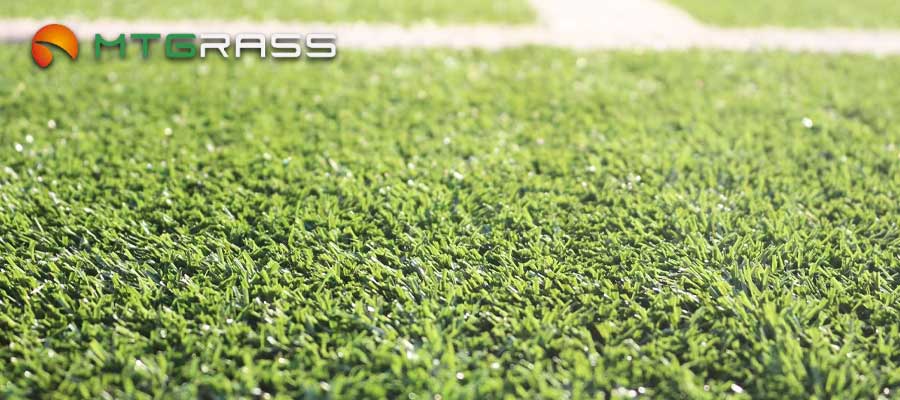
Selecting artificial soccer turf for Canadian projects requires more than choosing a product that looks good on paper. Performance in cold climates depends on how multiple technical specifications work together as a system. The following factors are among the most critical when specifying soccer turf for Canada.
パイルの高さ
For full-size and small-sided soccer fields in Canada, a pile height between 40 mm and 60 mm (such as FIFA-MTダイヤモンド または FIFA-MT-Ubest) is commonly specified. This range offers sufficient cushioning and ball interaction while maintaining fiber stability under freeze–thaw conditions. Excessively tall fibers may struggle to recover in colder temperatures, while shorter piles can compromise shock absorption and player comfort.
糸の形状
Yarn geometry plays a major role in long-term performance. Profiles such as S-shaped, diamond, or spine-reinforced yarns are widely used in Canadian soccer turf systems because they offer improved elastic recovery and resistance to matting. These shapes help fibers remain upright despite low temperatures, snow load, and heavy foot traffic.
Density and Stitch Rate
In high-use Canadian environments, density matters as much as fiber type. Higher stitch rates improve surface stability, reduce infill displacement, and help the field maintain consistent performance over time. However, density must be balanced carefully to avoid restricting drainage or increasing surface hardness.
UV Resistance and Cold-Weather Flexibility
Artificial turf for Canadian soccer fields must withstand both cold winters and extended summer daylight. UV-stabilized polyethylene yarns are essential to prevent brittleness, color fading, and fiber breakage. At the same time, the material formulation must retain flexibility in low temperatures to avoid cracking or premature wear.
バッキング・システム
Backing selection has a direct impact on durability and moisture resistance. Although latex backing is common, our Canadian distributors all choose polyurethane (PU) backing because it offers better dimensional stability and lower water absorption. This means it is less susceptible to damage in freeze-thaw environments. MightyGrass understands that for many Canadian projects, PU backing is increasingly preferred due to its long-term reliability.
Shock Absorption and Player Safety
In Canada, shock absorption systems are not optional for soccer fields, especially in professional training grounds, schools, and community club fields. MightyGrass FIFA standard shock pads help maintain a stable and resilient surface, reducing the risk of injury to athletes.
FIFA-Certified Soccer Turf for Canadian Projects
FIFA certification is often discussed in soccer turf procurement, but it is important to understand when it is truly required, and when it is not.
FIFA Quality vs. FIFA Quality Pro
FIFA certification is divided into two primary levels:
- FIFAクオリティ, typically specified for community, school, and amateur competition
- FIFAクオリティ・プロ, required for professional and elite-level play
Both certifications evaluate criteria such as ball behavior, shock absorption, rotational resistance, and durability. However, certification focuses on system performance, not just the turf carpet alone.
Is FIFA Certification Mandatory in Canada?
For many Canadian projects, particularly those for municipal or educational institutions, FIFA certification is not mandatory. The use of FIFA-certified turf is often determined by your budget and usage patterns. A FIFA-certified turf system can provide a useful guarantee of expected performance and quality for your soccer field.
Certification and Cold-Climate Performance
While FIFA testing is not specifically designed for extreme cold climates, FIFA-certified systems, designed for the international market, typically utilize higher-grade materials and rigorous engineering standards. When properly adapted for cold climates, these systems can perform reliably in Canadian weather conditions.
MightyGrass provides FIFA-certified artificial turf systems for international projects, including installations in cold climate regions, allowing Canadian clients to benefit from proven system designs when certification or elite performance standards are required.
Infill & System Design for Canadian Soccer Fields
Infill selection and system design are among the most overlooked factors in soccer turf performance, yet they are especially critical in Canada.
Artificial Grass Infill Options
Each infill type offers distinct advantages and limitations:
- SBR rubber is widely used due to its cost-effectiveness but may harden in extreme cold if not properly specified
- EPDM infill provides improved color stability and temperature performance but at a higher cost
- TPE infill delivers consistent elasticity and low moisture absorption, but its higher upfront cost typically limits use to premium or regulation-focused projects.
- Silica sand is commonly used as a stabilizing layer to improve fiber support and dimensional stability, though it must be combined with elastic infill materials to achieve adequate shock absorption.
- Organic infill options can offer lower surface temperatures and environmental benefits, though they require careful moisture management
Freeze-Resistant System Design
Canadian soccer fields must be designed to resist frost heave and infill displacement. Proper infill depth, stable base layers, and compatible backing systems all contribute to minimizing movement during freeze–thaw cycles.
Drainage Layer Importance
Effective drainage is the foundation of any cold-climate soccer turf system. A properly engineered drainage layer ensures that rain and snowmelt move away from the surface quickly, reducing ice formation and extending system lifespan.
Non-Infill and Low-Infill Trends
As technology advances, MightyGrass low-infill and non-infill soccer turf systems are gaining attention in Canada. These systems reduce infill migration, simplify maintenance, and improve consistency during seasonal transitions. While not suitable for every project, they represent a growing trend in cold-climate field design.
Soccer Turf Installation Considerations in Canada
In Canada, the success of a soccer turf project depends as much on installation strategy as it does on turf selection. Even high-quality turf systems can underperform if climate-specific installation factors are overlooked.
Base Preparation Matters More Than Turf Selection
Cold-climate performance starts below the surface. Proper excavation depth, frost-resistant base materials, and precise compaction are essential to prevent long-term settlement and surface deformation. In Canadian conditions, inadequate base preparation is one of the most common causes of premature field failure.
Coordination Between Manufacturer and Local Contractor
Canadian soccer turf projects benefit from close coordination between the turf manufacturer and the local installation contractor. Manufacturers provide system-level guidance on backing compatibility, infill depth, and drainage integration, while local contractors understand regional soil conditions and climate patterns. When these two roles are disconnected, performance risks increase.
Seasonal Installation Windows
Installation timing is another critical factor. Most Canadian soccer turf fields are installed during spring, summer, or early fall, when ground conditions allow proper compaction and curing. Attempting installation too late in the season can compromise base integrity and long-term stability.
A well-planned installation schedule helps ensure the turf system performs as designed from the first season onward.
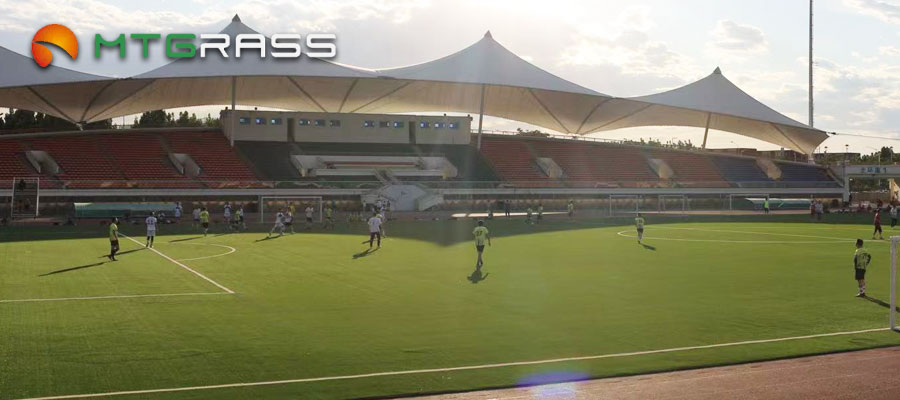
How Much Does a Soccer Turf Field Cost in Canada?
In Canada, the cost of an artificial soccer turf field is not defined by a single price point. Instead, it typically falls within a clear and predictable range, shaped by field size, system specification, climate requirements, and intended usage.
For a full-size outdoor soccer field, total project costs in the Canadian market commonly range from:
- CAD $800,000 to over $2 million
Smaller community fields, training pitches, or indoor installations may fall below this range, while FIFA-aligned or high-usage municipal projects often exceed it.
Soccer Turf Material Cost (Canada Market Range)
When considering turf material only, pricing in Canada is usually discussed on a per–square-foot basis and influenced by yarn quality, backing systems, and cold-climate performance.
Typical material cost ranges include:
- Recreational or entry-level turf: CAD $2.50 – $4.00 per sq ft, Suitable for light-use training or community fields with basic performance requirements.
- School and municipal-grade turf: CAD $4.00 – $6.50 per sq ft, Designed for higher usage, improved fiber resilience, and better freeze–thaw stability.
- Professional or FIFA-aligned turf systems: CAD $6.50 – $9.00+ per sq ft, Often featuring advanced yarn structures, polyurethane backing, and tighter performance tolerances.
Higher-grade turf materials carry a higher upfront cost but generally deliver longer service life and more consistent playability under Canadian conditions.
System and Construction Cost Factors
Beyond the turf itself, the overall cost of a soccer field is heavily influenced by system design and site conditions. Key cost drivers include:
- Base construction and drainage design for freeze–thaw cycles
- Shock pad selection and thickness
- Infill type and quantity
- Site preparation, access, and regional labor costs
Fields built for heavy school, municipal, or club usage typically require more robust base layers and system components. While this increases initial investment, it significantly reduces long-term maintenance and repair costs.
Why Work Directly with a Soccer Turf Manufacturer Like MightyGrass
を選択する。 soccer turf supplier is not just a purchasing decision—it is a risk-management decision. Working directly with a manufacturer offers advantages that go beyond product pricing.
System-Level Expertise
MightyGrass As FIFA-approved turf manufacturer, focuses on how turf, backing, infill, shock absorption, and base design function together as a complete system. This system-level perspective is essential for achieving reliable performance in Canada’s challenging climate.
Specification and Engineering Support
Working directly with manufacturers allows project owners, consultants, and contractors to access expert advice on customized material selections, performance standards, and adjustments for specific climate conditions. This support helps reduce design errors and ensures the final field meets long-term performance expectations.
Proven Experience in Cold-Climate Projects
MightyGrass supplies artificial soccer turf systems for international markets, including cold-climate regions. This experience allows Canadian projects to benefit from proven designs that have been tested under demanding environmental conditions.
Long-Term Performance Focus
Rather than focusing solely on initial cost, MightyGrass prioritizes durability, safety, and lifecycle value. For schools, municipalities, and community sports organizations, this long-term approach helps protect budgets and ensure consistent field performance for years to come.
結論
Building a successful soccer field in Canada requires more than selecting artificial turf—it requires understanding how climate, usage intensity, and system design interact over time. Long winters, freeze–thaw cycles, heavy community use, and strict safety expectations place unique demands on soccer turf systems that are often underestimated.
Artificial soccer turf has become the preferred solution across Canada because it delivers consistent playability, extended seasonal use, and predictable maintenance costs. However, long-term performance depends on making informed decisions about specifications, base construction, drainage, infill selection, and installation timing.
よくある質問
Is artificial soccer turf suitable for Canadian winters?
Yes. MightyGrass Artificial soccer turf is well suited for Canadian winters when it is specifically designed for cold climates. Proper base construction, drainage design, UV-stabilized yarns, and freeze–thaw–resistant materials allow soccer turf systems to perform reliably despite snow cover and temperature fluctuations.
What pile height is best for soccer turf in Canada?
Most soccer fields in Canada use artificial turf with a pile height between 40 mm and 60 mm. This range balances ball performance, player safety, and fiber stability under cold temperatures and heavy use. Final selection should consider field usage level and system design.
Does a soccer field in Canada need FIFA certification?
FIFA certification is not mandatory for most Canadian soccer fields, especially for schools and community facilities. However, FIFA-certified systems provide a recognized performance benchmark and may be required for elite or professional-level projects. Many Canadian fields use non-certified systems that are engineered to meet local needs and budgets.
What is the best infill for soccer turf in cold climates?
There is no single “best” infill for all Canadian projects. SBR, EPDM, TPE and organic infills are all used successfully, depending on budget, maintenance expectations, and temperature performance. In cold climates, infill must resist hardening and work with a properly designed drainage system to avoid ice-related issues.
How long does an artificial soccer turf field last in Canada?
If you choose the right specifications of high-quality soccer turf from Mighty Grass, and it is installed correctly and properly maintained, artificial soccer fields in Canada can typically last for 10 to 15 years. Fields subjected to heavy school or community use may experience higher wear, making system quality and base stability critical to longevity.
Why do some soccer turf fields fail early in Canada?
Early failure is often caused by inadequate base preparation, poor drainage, low-quality backing systems, or turf materials not designed for freeze–thaw conditions. In many cases, failures are related to system design rather than the turf fibers alone.
Is artificial soccer turf safe for school and community use?
Yes. When properly specified, artificial soccer turf systems provide consistent shock absorption, stable footing, and predictable surface performance. Many Canadian schools and municipalities choose artificial turf specifically for its safety consistency under heavy usage.
Should I buy soccer turf through an installer or directly from a manufacturer?
Both approaches can work, but direct involvement from MightyGrass FIFA-approved turf manufacturer provides added value in specification guidance, system compatibility, and cold-climate expertise. Obtaining custom-designed artificial turf for your football field helps reduce design errors and improves the long-term performance of the field, especially in regions with harsh climate conditions like Canada.