
 Bahasa Melayu
  English
  العربية
  Español
  Deutsch
  Français
  Português
  Русский
  日本語
日本語  Italiano
  Nederlands
  Svenska
  Suomi
Suomi  ไทย
ไทย  Dansk
Dansk  Ελληνικά
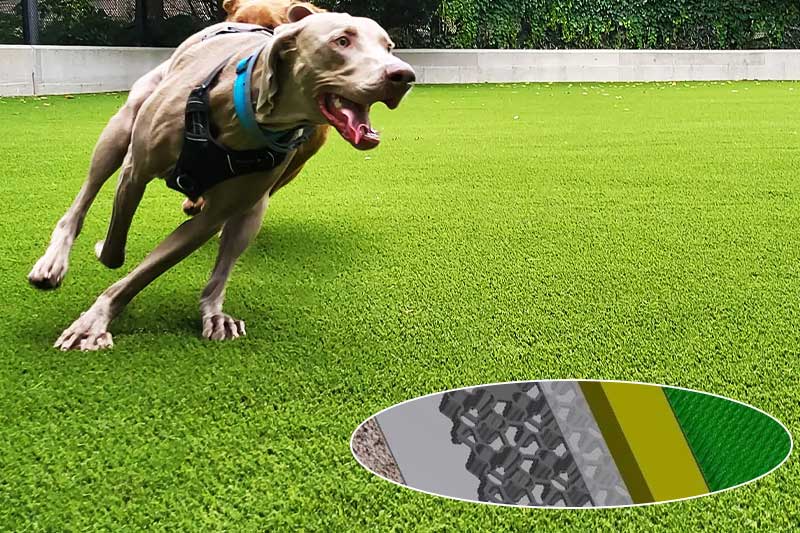
Apabila orang mempertimbangkan untuk memasang rumput tiruan untuk anjing, mereka biasanya menumpukan perhatian pada permukaan rumput, seperti rupa, rasa, dan kos penyelenggaraannya. Namun, di bawah serat hijau subur itu terletak satu komponen penting yang sering diabaikan: lapisan asas.
Ini kerana anjing menggunakan rumput secara berbeza daripada manusia. Mereka berlari dengan bersemangat, menggali dengan tapak kaki, bermain liar dari semasa ke semasa, dan yang paling penting, mereka menggunakan rumput sebagai tandas beberapa kali sehari. Tanpa lapisan asas yang betul, walaupun rumput tiruan berkualiti tinggi boleh cepat mengalami masalah seperti saliran yang buruk, bau air kencing yang berlanjutan, pertumbuhan bakteria, permukaan yang tidak rata, dan keausan pramatang. Walau bagaimanapun, lapisan asas yang betul membolehkan air kencing mengalir dengan berkesan, menghapuskan bau, dan mengekalkan permukaan rumput haiwan peliharaan tetap kukuh dan bersih, membolehkan anjing anda bermain dengan selesa dan sihat.
Dalam panduan ini, anda akan belajar:
- Mengapa rumput tiruan untuk anjing tidak seharusnya dipasang terus di atas tanah kosong
- Bahan apa yang paling sesuai digunakan di bawah rumput haiwan peliharaan—dan mengapa
- Bagaimana pembinaan asas yang betul meningkatkan saliran, kebersihan, dan ketahanan
Sama ada anda pemilik anjing yang merancang peningkatan halaman belakang atau kontraktor yang memasang rumput mesra haiwan peliharaan, memahami lapisan asas adalah kunci kejayaan jangka panjang.
Mengapa Anda Tidak Boleh Sekadar Meletakkan Rumput Tiruan di Atas Tanah
Meletakkan rumput tiruan terus di atas tanah mungkin kelihatan baik pada mulanya, tetapi bagi pemilik anjing, ia hampir selalu menyebabkan masalah.
Tanah semula jadi tidak stabil. Ia menyerap kelembapan secara tidak sekata, bergerak dari masa ke masa, dan mengeras secara tidak konsisten akibat penggunaan berulang. Apabila anjing kencing di atas rumput tiruan yang dipasang di atas tanah terbuka, cecairnya tiada tempat untuk pergi. Daripada mengalir, ia meresap ke dalam tanah di bawah dan terperangkap. Lama-kelamaan, ini mewujudkan persekitaran sempurna untuk bakteria penyebab bau membiak.
Berikut adalah apa yang biasanya berlaku apabila rumput tiruan dipasang tanpa alas yang betul:
- Saliran yang buruk: Kencing dan air hujan terkumpul di bawah rumput sintetik dan tidak mengalir pergi.
- Bau yang berterusan: Ammonia daripada air kencing anjing kekal dan semakin kuat, terutamanya dalam cuaca panas.
- Permukaan tidak rata: Penggalian, larian, dan lalu lintas berulang menyebabkan rumput tenggelam atau berkedut
- Hayat rumput lebih pendek: Kelembapan berlebihan mempercepat kerosakan backing dan keausan gentian
Bagi keluarga yang mempunyai beberapa ekor anjing atau yang kerap menggunakan halaman rumah mereka, masalah-masalah ini mungkin timbul dalam beberapa bulan, bukan bertahun-tahun.
Apabila anda mencipta lapisan asas yang tersusun dengan baik, anda boleh menghasilkan struktur yang stabil dan tembus cahaya yang menangani isu seperti saliran cecair pantas, mencegah genangan air, memberikan sokongan sekata untuk rumput, serta membantu memastikan permukaan kekal higienik dan bebas bau.
Inilah sebabnya pemasangan rumput haiwan peliharaan profesional sentiasa bermula dengan lapisan asas. Sebelum memilih rumput itu sendiri, anda perlu memilih bahan lapisan asas yang sesuai.
Bahan Asas Tambahan Ideal untuk Diletakkan di Bawah Rumput Sintetik bagi Anjing: Cara Memilih
Memilih bahan yang tepat di bawah rumput tiruan adalah apa yang membezakan sistem rumput mesra haiwan peliharaan daripada yang sentiasa berbau, beralih, atau gagal lebih awal. Berdasarkan pengalaman langsung MightyGrass dalam pembuatan dan pemasangan sistem rumput tiruan mesra haiwan peliharaan, pilihan sub-asas berikut telah terbukti memberikan prestasi paling boleh dipercayai untuk kegunaan anjing.
Batu hancur atau granit terurai
Asas Terbaik Secara Keseluruhan untuk Rumput Tiruan bagi Anjing
Mengapa batu hancur (seperti bahan sub-asas atau granit yang terhakis) menjadi bahan asas yang paling meluas disyorkan untuk rumput tiruan di kawasan aktiviti anjing?
Apabila dipadatkan dengan betul, batu hancur menghasilkan permukaan yang keras dan stabil yang menyokong aktiviti berat sambil membolehkan cecair mengalir dengan bebas. Kencing anjing menembusi rumput haiwan peliharaan dan lapisan asas, bukannya terkumpul di permukaan, sekali gus mengurangkan pengumpulan bau dengan ketara.
Manfaat khusus bahan asas batu hancur ini untuk anjing termasuk:
- Saliran yang sangat baik, sesuai untuk kencing kerap.
- Pemampatan yang tinggi menghalang penggalian dan pergerakan permukaan.
- Menjaga kestabilan jangka panjang walaupun di kawasan trafik tinggi.
Untuk kebanyakan pemasangan rumput haiwan peliharaan kediaman, batu hancur menawarkan keseimbangan terbaik antara saliran, ketahanan, dan kos.
MightyGrass Kedalaman pemasangan yang disyorkan: 2-3 inci untuk penggunaan ringan oleh anjing; 3-4 inci atau lebih dalam untuk beberapa ekor anjing atau kawasan haiwan peliharaan komersial.
Kerikil atau batu dicuci
Saliran Cepat untuk Penggunaan Haiwan Peliharaan yang Berat atau Iklim Basah
Kerikil, terutamanya batu yang dicuci atau bulat, menawarkan saliran yang lebih pantas berbanding asas batu yang dipadatkan. Cecair bergerak dengan cepat melalui celah-celah antara batu, menjadikan pilihan ini amat berkesan untuk kawasan di mana anjing kerap kencing atau di mana hujan lebat.
Walau bagaimanapun, kerikil sahaja tidak padat dengan ketat seperti batu hancur. Untuk hasil terbaik, ia sering digunakan sebagai sebahagian daripada sistem berlapis atau digabungkan dengan asas penstabil di bawah.
Kes penggunaan terbaik:
- Kawasan larian anjing atau zon membuang air kecil yang kerap digunakan
- Kawasan dengan saliran semula jadi yang buruk
- Iklim lembap atau lembab
Perhatian mesra: Jika anda memasang tanpa tepi atau lapisan yang betul, kerikil longgar mungkin akan tergeser dari masa ke masa. Pemasangan profesional dan kedalaman yang betul adalah sangat penting.
Kain Geotekstil
Kawalan Rumput dan Pemisahan Asas (Bukan Asas Bersenang Sendiri)
Kain geotekstil bukan bahan asas sendiri, tetapi ia memainkan peranan sokongan penting dalam sistem rumput anjing.
Dipasang di antara tanah asli dan alas batu, fabrik geotekstil menghalang rumput liar daripada tumbuh ke atas sambil membenarkan air dan air kencing mengalir melalui. Ia juga mengelakkan tanah daripada bercampur ke dalam lapisan alas dari masa ke masa, yang membantu mengekalkan prestasi saliran.
Nota Penting: Disyorkan agar anda memilih fabrik geotekstil saliran yang boleh ditembusi dan bukan plastik, serta meletakkan fabrik geotekstil tersebut di bawah lapisan asas, bukan terus di bawah rumput tiruan. Meletakkan fabrik penghalang rumpai terus di bawah rumput tiruan boleh menyebabkan pengumpulan air kencing dan bau, yang perlu dielakkan di kawasan aktiviti haiwan peliharaan.
Lapisan dan bahan tambahan kawalan bau (disyorkan)
Bagi isi rumah yang bimbang tentang bau air kencing, bahan kawalan bau boleh ditambah sama ada dalam sistem asas atau sebagai sebahagian daripada pengisian rumput.
Pilihan biasa termasuk penyerap bau berasaskan mineral ZeoFill yang direka untuk meneutralkan amonia secara semula jadi. Bahan-bahan ini membantu mengawal bau antara bilasan dan mengurangkan pembentukan bakteria di bawah rumput tiruan.
Paling sesuai digunakan apabila:
- Beberapa ekor anjing berkongsi halaman yang sama.
- Kawasan ini menerima hujan semula jadi yang terhad.
- Iklim panas memburukkan bau air kencing
Walaupun tidak diwajibkan, lapisan pengawalan bau meningkatkan kebersihan jangka panjang dalam pemasangan rumput haiwan peliharaan.
Pad Gegaran atau Lapisan Buih (Pilihan)
Keselesaan Tambahan dan Perlindungan Sendi untuk Anjing
Pad penyerapan hentakan dipasang di atas lapisan asas dan di bawah rumput tiruan. Walaupun pilihan, ia boleh meningkatkan keselesaan dengan ketara—terutamanya untuk anjing tua, baka besar, atau kawasan di mana anjing kerap melompat, berbaring, atau bermain.
Manfaat untuk anjing:
- Rasa lebih lembut di bawah tapak kaki dan sendi
- Kesan yang dikurangkan semasa berlari dan bermain
- Konsistensi permukaan yang dipertingkatkan
Pad hentakan Sentiasa dipadankan dengan lapisan bawah yang membolehkan saliran air dengan baik. Ia bukan pengganti saliran yang betul, tetapi penambah keselesaan di atasnya.
Petua Pemasangan Rumput Tiruan untuk Anjing
Bahan asas terbaik pun tidak akan berfungsi dengan betul tanpa pemasangan yang betul. Bagi rumput tiruan mesra anjing, saliran dan kestabilan mesti dibina ke dalam sistem sejak awal.
Amalan Terbaik Pemasangan Langkah demi Langkah
- Buang tanah organik dan serpihan: Gali rumput, akar, dan lapisan atas tanah yang longgar. Jika bahan organik ini dibiarkan di bawah rumput, ia akan menahan kelembapan dan menghasilkan bakteria serta bau yang tidak menyenangkan.
- Pemadat tanah asli: Sebelum menambah sebarang bahan dasar, padatkan subgrade dengan teliti. Ini mengelakkan penurunan dan permukaan tidak rata pada masa hadapan yang disebabkan oleh penggalian atau lalu lintas berulang.
- Pasang kain geotekstil: Letakkan kain geotekstil yang tembus cahaya di atas tanah yang dipadatkan untuk menghalang rumput liar dan memisahkan tanah daripada lapisan asas sambil membolehkan cecair mengalir dengan bebas.
- Tambah dan padatkan lapisan asas: Sebarkan batu hancur atau granit terurai secara sekata pada kedalaman yang disyorkan, padatkan dalam lapisan untuk mencapai permukaan yang keras dan stabil.
- Buat cerun saliran ringan: cerun kira-kira 0.5% menjauhi bangunan membantu mengarahkan air kencing dan air hujan keluar dari permukaan, bukannya membiarkannya terkumpul.
- Tambah pad hentakan jika perlu: Pasang lapisan buih atau getah di atas lapisan asas di kawasan di mana anjing kerap berlari, melompat, atau berehat.
- Letakkan dan pasangkan rumput tiruan: Kembangkan rumput, potong dengan teliti, dan kukuhkan tepinya untuk mengelakkan ia terangkat atau teralih, terutamanya bagi anjing yang aktif.
Bagaimana Memilih Rumput Sintetik untuk Anjing?
Berdasarkan pengalaman MightyGrass dalam pembuatan rumput tiruan dan pemasangan rumput haiwan peliharaan, pemilihan rumput yang tepat untuk anjing harus mengikut kriteria fungsi yang jelas dan bukannya hanya penampilan. Apabila menilai rumput tiruan untuk kegunaan anjing, tumpukan pada keperluan berikut.
Struktur sokongan belakang yang mampu menampung saliran
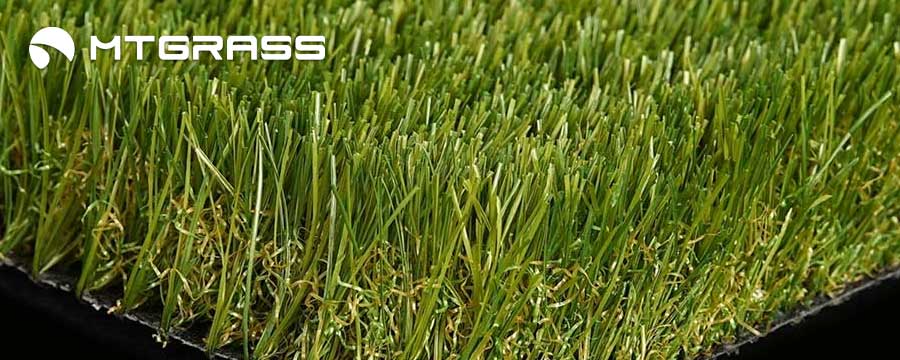
Lapisan sokongan rumput mesti membenarkan cecair mengalir secara menegak melalui sistem. Pelbagai lubang saliran yang diedarkan secara sekata atau reka bentuk lapisan sokongan yang sepenuhnya telap diperlukan untuk memindahkan air kencing ke lapisan dasar dengan cekap. Seperti MT-HP MENAWAN
2. Struktur gentian yang menentang kusut
Lalu lintas anjing memberikan tekanan berulang pada kawasan yang sama. Lanskap rumput dengan struktur gentian yang tahan lasak mengekalkan prestasi tegak lebih lama dan mengekalkan aliran udara antara gentian, yang menyokong saliran dan kebersihan.
3. Kawal ketinggian dan ketumpatan timbunan
Rumput yang terlalu tinggi atau terlalu padat boleh melambatkan pergerakan cecair dan menahan kelembapan. Ketinggian dan ketumpatan timbunan yang seimbang menyokong keselesaan sambil membolehkan air kencing melalui dengan cepat.
4. Kesesuaian dengan pengisi rumput haiwan peliharaan
Jika bahan pengisi penyahbau atau khusus haiwan peliharaan digunakan, sistem rumput mesti direka untuk berfungsi dengan bahan-bahan ini tanpa menyekat laluan saliran.
5. Bahan tidak toksik dan selamat untuk haiwan peliharaan
Rumput tiruan yang digunakan untuk anjing hendaklah memenuhi piawaian keselamatan bagi logam berat dan bahan berbahaya. Ini adalah keperluan asas untuk mana-mana aplikasi haiwan peliharaan.
Memilih rumput tiruan berdasarkan kriteria fungsi ini memastikan rumput berfungsi dengan berkesan bersama sistem alas di bawahnya dan berprestasi boleh dipercayai dalam penggunaan harian oleh anjing.
Pelanggan MightyGrass biasanya memilih rumput tiruan mesra haiwan peliharaan dengan ketinggian tumpukan 25–30 mm, kira-kira 16,800 jahitan setiap meter persegi, gabungan gentian lurus dan kerinting, kekuatan benang kira-kira 11,000 D, dan lapisan belakang PP dua lapisan dengan salutan PU untuk memastikan kestabilan jangka panjang.
Petua Penyelenggaraan Rumput Tiruan di Kawasan Anjing
Asas yang dibina dengan betul secara dramatik mengurangkan penyelenggaraan, tetapi penjagaan berkala masih penting, terutamanya bagi pemilik anjing.
Amalan Terbaik Penyelenggaraan Mudah
- Bilas secara teratur: Semburan ringan membilas air kencing melalui rumput dan alas, mencegah pengumpulan bau.
- Gunakan pembersih selamat untuk haiwan peliharaan apabila perlu: Pembersih berasaskan enzim atau selamat untuk padang rumput membantu memecahkan sisa organik.
- Bersihkan serat berus sekali-sekala: Menggosok mengekalkan serat tegak dan meningkatkan aliran saliran.
- Bersihkan secara spot kawasan yang kerap digunakan: Zon tandas anjing mungkin mendapat manfaat daripada dibilas dengan lebih kerap.
Dengan bahan asas yang sesuai dan penyelenggaraan rutin, rumput tiruan boleh kekal bersih, bebas bau, dan selesa untuk anjing dari tahun ke tahun.
Kesimpulan
Lapisan rumput tiruan untuk haiwan peliharaan, bahan asas, lapisan saliran, dan kaedah pemasangan semuanya berfungsi secara sinergi. Menumpukan perhatian hanya pada permukaan sambil mengabaikan bahagian bawahnya sering menyebabkan masalah bau, sakit kepala penyelenggaraan, dan penggantian awal.
Dengan memulakan dengan asas yang betul, anda mencipta satu rumput mesra anjing yang kekal bersih, stabil, dan selesa sepanjang bertahun-tahun penggunaan.
Jika anda merancang projek rumput untuk haiwan peliharaan atau menilai bahan, memilih sistem yang direka untuk saliran, ketahanan, dan tingkah laku anjing dalam dunia sebenar akan membuat perbezaan besar dalam prestasi jangka panjang.
Soalan Lazim
Apa yang berlaku jika anda meninggalkan lapisan asas yang baik?
Melangkau lapisan asas yang betul sering menyebabkan saliran, bau, dan masalah kestabilan—terutamanya di kawasan anjing.
Tanpa asas yang kukuh, air kencing dan air hujan cenderung terkumpul di bawah rumput tiruan dan bukannya mengalir. Lama-kelamaan, kelembapan yang terperangkap ini boleh menyebabkan bau berterusan, pertumbuhan bakteria, serta permukaan yang lembut atau tidak rata. Di kawasan anjing yang kerap digunakan, rumput tiruan yang dipasang tanpa asas kukuh juga boleh beralih, berkedut, atau tenggelam, mengurangkan keselesaan dan jangka hayatnya.
Dasar yang dipadatkan dengan betul dan saliran baik adalah penting untuk memastikan rumput tiruan kekal bersih, stabil, dan berfungsi untuk anjing dalam jangka masa panjang.
Perbezaan antara rumput tiruan mesra anjing dan rumput tiruan biasa
Rumput tiruan mesra anjing direka untuk mengutamakan saliran, ketahanan, dan kebersihan, manakala rumput landskap biasa sering lebih menumpukan pada penampilan.
Turf haiwan peliharaan biasanya dilengkapi sistem sokongan yang mampu menampung saliran, membolehkan cecair menembusi secara menegak melalui turf ke lapisan asas. Ia juga menggunakan struktur gentian yang lebih tahan lasak untuk menahan lalu lintas anjing berulang dan mengurangkan pembentukan kusut. Rumput tiruan biasa, walaupun kelihatan realistik, mungkin mengekalkan kelembapan lebih lama dan menghadapi kesukaran mengawal bau dalam aplikasi anjing.
Untuk kawasan di mana anjing menggunakan rumput setiap hari, memilih rumput yang direka khas untuk kegunaan haiwan peliharaan menghasilkan prestasi yang lebih baik dan penyelenggaraan yang lebih mudah.
Mengapa sesetengah orang meletakkan pasir di bawah rumput tiruan untuk anjing mereka?
Sesetengah orang menggunakan pasir kerana ia murah dan mudah diratakan, tetapi secara amnya ia tidak sesuai untuk kegunaan anjing.
Pasir menjadi padat dengan buruk dari masa ke masa dan cenderung menyerap serta menahan air kencing. Di kawasan anjing, ini boleh menyebabkan pengumpulan bau, pengekalan kelembapan, dan ketidakstabilan permukaan. Walaupun pasir mungkin sesuai sebagai lapisan pelaras kecil dalam beberapa pemasangan, ia tidak seharusnya digunakan sebagai bahan asas utama di bawah rumput tiruan untuk anjing.
Untuk sistem rumput haiwan peliharaan, lapisan asas batu atau kerikil yang dipadatkan menyediakan saliran yang jauh lebih baik dan kestabilan jangka panjang.


