
 Bahasa Melayu
  English
  العربية
  Español
  Deutsch
  Français
  Português
  Русский
  日本語
日本語  Italiano
  Nederlands
  Svenska
  Suomi
Suomi  ไทย
ไทย  Dansk
Dansk  Ελληνικά
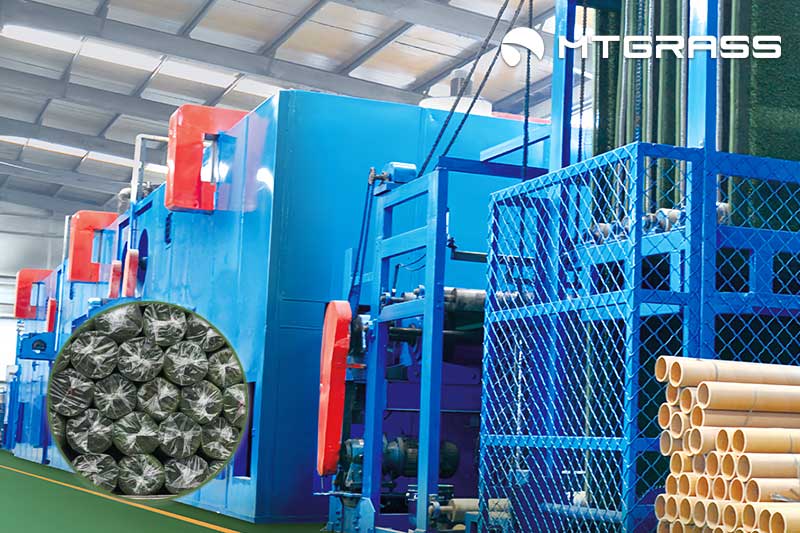
Memperoleh gulungan rumput tiruan terus daripada pengeluar rumput tiruan China boleh membuka penjimatan kos yang ketara — tetapi hanya jika anda memahami dinamik teknikal dan logistik yang mengawal rantaian bekalan. Sama ada anda mengimport bekalan rumput tiruan untuk pembangunan landskap besar, menyimpan stok rumput landskap untuk pengedaran, atau memperoleh rumput bola sepak tiruan untuk kemudahan sukan, butiran dalam panduan ini akan menentukan sama ada import anda menguntungkan atau bermasalah.
Berikut adalah jawapan langsung yang kebanyakan pengimport hanya pelajari selepas membuat kesilapan mahal: tiga faktor khusus — diameter gulungan rumput tiruan, masa tunggu kilang, dan pemeriksaan pra-penghantaran — adalah pembolehubah yang paling kerap diabaikan dalam keseluruhan proses import dari China, dan setiap satu mempunyai kesan langsung yang boleh diukur ke atas kos pendaratan keseluruhan anda. Salah satu daripadanya boleh menambah 5%–15% kepada kos import keseluruhan anda secara senyap tanpa pernah muncul sebagai baris item dalam sebut harga pembekal anda.
Bagaimana anda mendapatkan jangka masa penghantaran yang tepat daripada pengeluar rumput tiruan?
Masa tunggu adalah salah satu angka yang paling kerap dipetik secara salah dalam industri pembekalan rumput tiruan. Apabila anda menghubungi wakil jualan di pengeluar rumput tiruan China, anda hampir selalu akan menerima anggaran optimistik — biasanya 15 hingga 25 hari — tanpa mengira jadual sebenar kilang. Angka ini sering mencerminkan senario terbaik dan jarang mengambil kira beban pengeluaran semasa, ketersediaan bahan mentah, atau kerumitan khusus spesifikasi pesanan anda.
Cara paling boleh dipercayai untuk mengesahkan masa penghantaran ialah dengan bercakap terus dengan pengurus kilang — dan sebaik-baiknya dengan pekerja di lantai pengeluaran. Pengurus kilang mempunyai gambaran tepat tentang berapa banyak pesanan yang sedang menunggu dalam barisan, saluran pengeluaran mana yang sedang beroperasi, dan berapa banyak syif yang diperuntukkan mengikut spesifikasi anda. Pekerja pada mesin tufting boleh memberitahu anda ketinggian timbunan rumput dan corak jahitan yang sedang dijalankan, memberikan anda pengesahan sebenar tentang jadual sebenar yang tiada jurujual boleh sediakan.
Bagi pembeli yang membuat pesanan besar — seperti kontena penuh sepanjang 40 kaki berisi rumput bola sepak tiruan atau gulungan rumput lanskap pukal — malah kelewatan pengeluaran selama satu minggu boleh mengakibatkan terlepasnya tarikh pemasangan, klausa penalti dengan pelanggan akhir, atau tempahan semula slot penghantaran yang mahal. Sediakan buffer yang disahkan sekurang-kurangnya 7–10 hari melebihi masa siap kilang yang dijanjikan oleh pengurus pengeluaran, dan pastikan komitmen ini diperoleh secara bertulis daripada kenalan kanan pengeluaran, bukan daripada pasukan jualan eksport.
Mengapa Diameter Gulungan Rumput Tiruan Secara Langsung Mempengaruhi Kos Penghantaran Anda?
Diameter roll adalah satu-satunya pembolehubah yang paling sering diabaikan dari segi kewangan dalam pengimportan roll rumput tiruan. Setiap sentimeter tambahan diameter bagi setiap roll bermakna lebih sedikit roll muat dalam sebuah kontena — dan lebih sedikit roll setiap kontena bermakna kos kargo laut per meter persegi rumput menjadi lebih tinggi. Ini bukan perbezaan marginal: dalam keadaan yang tidak sesuai, inflasi diameter roll boleh mengurangkan kapasiti kontena sebanyak 10%–15% dan meningkatkan kos kargo efektif anda per meter persegi dengan margin yang sepadan.
Diameter gulungan bukan spesifikasi tetap. Ia adalah hasil yang berubah-ubah dipengaruhi oleh pelbagai faktor pengeluaran dan persekitaran yang saling berinteraksi. Jadual di bawah membandingkan faktor-faktor utama, kesannya terhadap diameter gulungan, julat diameter normal yang terhasil, dan anggaran impak kos kargo berbanding gulungan rumput landskap asas:
| Faktor | Kesan terhadap diameter gelung | Julat Diameter Normal | Impak Kargo vs. Garis Asas |
|---|---|---|---|
| Tinggi timbunan 30–35mm (Rumput Lanskap) | Kenaikan rendah hingga sederhana | 28–33 cm | Garis dasar (rujukan) |
| Tinggi timbunan 40–50mm (Rumput Bola Sepak) | Peningkatan ketara; gentian memampat kurang apabila digulung. | 35–42 cm | +5%–12% kargo/m² |
| Pengeluaran Musim Sejuk (Suhu <10°C) | +~5 cm berbanding pengeluaran musim panas disebabkan pengecutan terma gentian dan lapisan sokongan. | +4–6 cm di atas paras biasa musim panas | +3%–10% kargo/m²(~600 m² kurang bagi setiap 40GP) |
| Lapisan belakang tebal (>1,800 g/m² PU) | Setiap tambahan 100 g/m² menambah kira-kira 1–2 cm pada diameter. | +2–5 cm di atas latar belakang ringan | +2%–6% kargo/m² |
| Corak Jahitan Z-Jarum | Lebih besar daripada jarum lurus; pergeseran gentian lateral mewujudkan poket udara di antara lapisan | +2–4 cm berbanding jarum lurus (spesifikasi sama) | +2%–5% kargo/m² |
| Lokasi Kilang (Utara China, ketinggian) | Suhu persekitaran yang lebih sejuk sepanjang tahun; gulungan angin secara purata lebih longgar | 1–3 cm lebih besar daripada kilang-kilang selatan | +1%–4% kargo/m² |
Kesan suhu bermusim wajar diberi penekanan khusus. Apabila kilang-kilang China — terutamanya di wilayah pengeluaran utara seperti Hebei, Shandong, atau Liaoning — beroperasi pada bulan-bulan musim sejuk (Disember hingga Februari), suhu persekitaran yang hampir atau di bawah titik beku menyebabkan gentian rumput dan bahan pelapik mengecut dengan kurang sekata semasa proses penggulungan. Hasilnya ialah gulungan yang sentiasa lebih longgar dengan diameter kira-kira 5 cm lebih besar berbanding produk yang sama dihasilkan pada musim panas.
Bagi pembeli yang memuatkan kontena 40GP standard dengan gulungan rumput bola sepak tiruan 50mm, peningkatan diameter musim sejuk ini sahaja mengurangkan kawasan muatan kira-kira 600 meter persegi — secara berkesan menaikkan kos kargo laut per meter persegi daripada 3% kepada 10% berbanding pesanan musim panas bagi produk yang sama. Implikasi strategiknya jelas: jika boleh, jadualkan pesanan pengeluaran rumput bola sepak tiruan supaya bertepatan dengan bulan-bulan pengeluaran yang lebih panas. Jika pengeluaran musim sejuk tidak dapat dielakkan, rundingkan kuantiti muatan kontena berdasarkan diameter musim sejuk yang diukur sebenar.
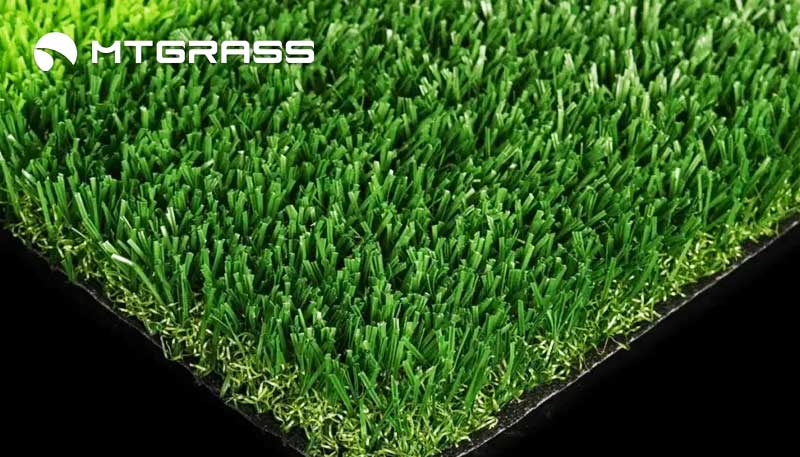
Bagaimana Jumlah Pelekat Latar Belakang Menjejaskan Spesifikasi Gulungan Rumput Tiruan Anda?
Sistem sokongan — sama ada lateks SBR atau poliuretana (PU) — adalah asas struktur bagi setiap gulungan rumput tiruanIa mengikat serat rumput pada lapisan sokongan utama, memberikan kestabilan dimensi di bawah beban, dan menentukan ketahanan produk sepanjang bertahun-tahun penggunaan berat. Walau bagaimanapun, berat dan ketebalan lapisan sokongan mempunyai kesan langsung dan sering dianggarkan rendah terhadap diameter gulungan dan kos kargo kontena.
Jadual di bawah menunjukkan julat berat pelapik sebenar yang digunakan merentasi kategori utama produk rumput tiruan, daripada rumput landskap standard hingga rumput bola sepak tiruan bersijil FIFA:
| Jenis Produk | Jenis Sokongan | Kepadatan Lapisan Belakang Tipikal (g/m²) | Jumlah ketebalan sokongan | Impak Diameter Gelung |
|---|---|---|---|---|
| Rumput Landskap (tumpukan 30–35 mm) | SBR Latexor Light PU | 900–1,200 g/m² | 2.5–4 mm | Impak rendah (diameter 28–33 cm) |
| Rumput Landskap Premium (ketinggian tumpukan 35–40 mm) | SBR berganda atau PU sederhana | 1,200–1,600 g/m² | 4–6 mm | Impak sederhana (diameter 32–37 cm) |
| Rumput Bola Sepak Buatan (pile 40–50mm) | PU berat (lapisan berganda) | 1,600–2,200 g/m² | 6–9 mm | Impak tinggi (diameter 36–44 cm) |
| Rumput Bola Sepak Kualiti FIFA (Kualiti Pro) | PU Premium (lapisan tiga) | 2,200–2,800 g/m² | 9–12 mm | Impak sangat tinggi (diameter 40–48 cm) |
Seperti yang ditunjukkan oleh data, FIFA Quality Pro rumput bola sepak tiruan boleh menampung berat lapisan sokongan lebih daripada dua kali ganda berbanding produk rumput lanskap standard. Setiap penambahan 100 g/m² berat lapisan sokongan menyumbang kira-kira 1–2 cm kepada diameter roll siap pada roll standard selebar 4 meter dan sepanjang 25 meter. Bagi pesanan rumput bola sepak premium, ini bermakna perancangan muatan kontena perlu dibuat berdasarkan ukuran roll sebenar selepas pengeluaran — bukan spesifikasi nominal pengeluar.
Apabila menentukan pesanan bekalan rumput tiruan anda, sentiasa minta berat asas yang tepat dalam g/m², bilangan lapisan asas, dan ketebalan asas yang telah dipadatkan. Bandingkan angka-angka ini dengan ukuran diameter gulungan semasa kilang bagi spesifikasi tersebut. Pengilang rumput tiruan yang boleh dipercayai akan menyediakan data ini dengan mudah; mereka yang teragak-agak atau memberi jawapan samar adalah tanda amaran.
Mengapa pilihan corak jahitan dalam pembuatan rumput tiruan mengubah diameter gulungan?
Corak jahitan yang digunakan dalam proses penuftingan adalah spesifikasi teknikal yang secara langsung mempengaruhi diameter fizikal gulungan rumput tiruan yang siap dan, oleh itu, ketumpatan penghantaran pesanan anda. Aplikasi rumput yang berbeza memerlukan corak jahitan yang berbeza — dan setiap corak mempunyai hasil diameter gulungan ciri khas yang perlu diambil kira oleh pembeli dalam pengiraan muatan kontena mereka.
Jadual di bawah membandingkan corak jahitan yang paling kerap digunakan oleh Pengeluar rumput tiruan Cina, aplikasi tipikal mereka mengikut jenis produk, kesan diameter gelendong relatif, dan impak kos kargo yang sepadan:
| Corak jahitan | Permohonan Umum | Diameter Gelung vs. Spesifikasi yang Sama | Ciri-ciri Prestasi | Kesan Kos Kargo |
|---|---|---|---|---|
| Jarum Lurus (Satu bar) | Lanskap Rumput Rumput Hiasan Padang Golf Putting Green | Lebih kecil (garis dasar) | Permukaan sekata; sesuai untuk kawasan trafik rendah; gulungan angin yang lebih ketat | Asas — ketumpatan bekas maksimum |
| Z-jarum / Zigzag (bentuk-W) | Rumput Bola Sepak BuatanRumput Ragbi / HokiLanskap Bertrafik Tinggi | +2–4 cm lebih besar | Ketahanan gentian unggul; permukaan permainan dua hala; pilihan FIFA; penampilan yang lebih semula jadi | +2%–5% kargo/m² |
| Bar Jarum Ganda (Jahitan Belah) | Gambut Landskap Premium Pengganti Padang Rumput Turf Haiwan Peliharaan | +1–2 cm lebih besar daripada lurus | Penampilan padat dan penuh; liputan dtex yang lebih tinggi; menyerupai rumput semula jadi dengan sangat hampir | +1%–3% kargo/m² |
| Dual Z-Needle (Kualiti Pro FIFA) | FIFA Quality Pro Bola Sepak Elit Permukaan Sukan | +4–6 cm lebih besar (terbesar) | Ikatan tuft maksimum; disahkan untuk permainan profesional; berat pelapik tertinggi; pengeluaran paling menuntut | +5%–10% kargo/m² |
Bagi pembeli yang membandingkan sebut harga daripada pelbagai sumber pembekalan rumput tiruan, corak jahitan adalah pembolehubah perbandingan penting yang sering diabaikan. Jarum Z Rumput bola sepak tiruan 40mm Roll dan roll rumput lanskap jarum lurus 40mm dengan ketinggian dan panjang tumpukan yang sama akan mempunyai ketumpatan penghantaran yang berbeza dengan ketara, kuantiti muatan kontena yang berbeza, dan oleh itu kos pendaratan per meter persegi yang berbeza — sebelum sebarang pertimbangan terhadap jenis gentian atau spesifikasi lapisan belakang.
Sentiasa sahkan corak jahitan sebagai sebahagian daripada spesifikasi produk anda. Jika anda mendapatkan kedua-dua rumput bola sepak tiruan dan rumput landskap dalam penghantaran yang sama, hitung pemuatan kontena untuk setiap SKU secara berasingan — mencampurkan gulungan rumput bola sepak berdiameter tinggi dengan gulungan rumput landskap dalam satu anggaran muatan kontena akan sentiasa menghasilkan unjuran volum yang tidak tepat.

Apakah cara yang betul untuk menjalankan pemeriksaan pra-penghantaran bagi pesanan gulungan rumput tiruan?
Pemeriksaan pra-penghantaran (PSI) adalah pemeriksaan akhir dari segi kualiti dan kuantiti sebelum bekalan rumput tiruan anda meninggalkan kilang. Dalam industri di mana spesifikasi produk boleh berubah antara kelulusan sampel dan pengeluaran penuh — dan di mana perbezaan kuantiti sebanyak 2%–5% bukanlah sesuatu yang luar biasa — proses PSI yang ketat adalah wajib, bukan pilihan.
Hari ini, kebanyakan pembeli borong dan pengimport profesional rumput tiruan mengupah syarikat pemeriksaan pihak ketiga bebas daripada bergantung pada laporan sendiri oleh kilang. Logiknya mudah: kilang mempunyai insentif kewangan dan jadual untuk menghantar tepat pada masanya dan mengelakkan kerja semula. Pemeriksa bebas tidak mempunyai insentif sedemikian — mereka melaporkan apa yang sebenarnya ditemui. Titik pemeriksaan kritikal untuk mana-mana pesanan gulungan rumput tiruan termasuk:
- Pengesahan kuantiti: Pengiraan fizikal dan pengukuran semua gulungan mengikut senarai pembungkusan. Ukur panjang dan lebar sebenar gulungan — jangan bergantung pada label gulungan sahaja.
- Pengukuran ketinggian tiang: Sahkan ketinggian tiang sebenar berbanding spesifikasi yang disahkan. Ini adalah titik penyimpangan pengeluaran yang paling biasa pada siri panjang.
- Kadar jahitan dan ketumpatan: Sahkan bahawa jahitan setiap meter persegi menepati spesifikasi yang dipersetujui. Ketumpatan jahitan yang rendah secara langsung mengurangkan prestasi dan ketahanan produk.
- Konsistensi warna: Periksa variasi warna antara gulungan — amat penting apabila beberapa siri pengeluaran digabungkan untuk memenuhi pesanan besar.
- Lekatan dan keseragaman lapisan pendukung: Periksa lapisan pendukung untuk ruang kosong, aplikasi tidak sekata, atau pelapisan terpisah di tepi gelendong dan kawasan selet.
- Pengukuran diameter gulungan: Catatkan diameter lilitan sebenar gulungan wakil. Ini penting untuk pengesahan pemuatan kontena, terutamanya bagi penghantaran rumput bola sepak musim sejuk.
Mencari pemeriksa pihak ketiga yang tepat sama pentingnya dengan menjalankan pemeriksaan itu sendiri. Keutamakan agensi yang mempunyai pengalaman terdokumentasi khusus dalam pemeriksaan rantaian bekalan rumput tiruan — bukan pemeriksa tekstil atau pakaian umum. Seorang pemeriksa rumput tiruan yang berpengalaman memahami deviasi spesifikasi mana yang kritikal dari segi struktur berbanding yang boleh diterima secara kosmetik, dan tahu cara mengukur geometri gulungan dengan tepat untuk pengesahan pemuatan kontena. Tetapkan kriteria pemeriksaan secara bertulis sebelum pengeluaran bermula, mewajibkan dokumentasi fotografi bagi semua ukuran, dan untuk pesanan rumput bola sepak tiruan premium, minta laporan ujian makmal yang merangkumi kekuatan ikatan tuft, penarafan kestabilan UV benang, dan kadar saliran infill.
Mengapa Pengimport Global Memilih MightyGrass Sebagai Pengilang Gulungan Rumput Tiruan Mereka di China?
Memahami pembolehubah teknikal dalam panduan ini adalah asas bagi mendapatkan rumput tiruan yang cekap — tetapi pengetahuan sahaja tidak menghapuskan risiko. Kelebihan sebenar datang daripada bekerjasama dengan pengeluar yang telah membina sistem untuk mengawal pembolehubah tersebut bagi pihak anda. Inilah yang membezakan MightyGrass.com.
MightyGrass adalah salah satu daripada tiga pengeluar rumput tiruan terkemuka di China, dengan keupayaan pengeluaran spektrum penuh yang merangkumi rumput landskap, rumput bola sepak tiruan, dan permukaan sukan khusus. Berikut ialah maksudnya bagi pembeli yang mengimport gulungan rumput tiruan dari kemudahan kami:
- Keterbukaan pengeluaran: Setiap pesanan MightyGrass termasuk akses terus kepada pengurus pengeluaran kilang kami — bukan sekadar kenalan jualan. Anda mendapat jangka masa penghantaran yang tepat berdasarkan jadual pengeluaran sebenar, disahkan secara bertulis oleh mereka yang sebenarnya mengendalikan mesin.
- Pengurusan diameter gelendong: Kami menyediakan diameter gelendong yang diukur sebenar bagi setiap spesifikasi pada masa pesanan — termasuk data diameter musim sejuk — supaya anda boleh merancang pemuatan kontena dengan tepat sebelum menempah kargo.
- Julat spesifikasi penuh: Daripada rumput landskap ringan 30mm hingga rumput bola sepak tiruan FIFA Quality Pro dengan jahitan Z-jarum berganda dan lapisan belakang PU premium, bekalan rumput tiruan kami merangkumi setiap tahap prestasi dan harga yang diminta oleh pasaran global.
- Operasi sedia untuk pemeriksaan: Fasiliti MightyGrass sentiasa terbuka kepada agensi pemeriksaan pihak ketiga yang diluluskan. Kami mengekalkan rekod pengeluaran terperinci, dokumentasi kualiti peringkat kumpulan, dan log pengukuran gulungan sebagai prosedur operasi standard — bukan sebagai pengecualian untuk pesanan yang diaudit.
- Kelebihan skala teratas 3: Jumlah pengeluaran kami memberi kami akses keutamaan kepada bekalan bahan mentah premium — benang, lapisan sokongan utama, dan input salutan PU — mengurangkan variasi masa tunggu bahan mentah yang menyebabkan kelewatan di kilang-kilang kecil.
Sama ada anda menempah kontena pertama bekalan rumput tiruan dari China atau mengembangkan program import sedia ada, pembolehubah dalam panduan ini — diameter gulungan, ketepatan masa penghantaran, dan disiplin pemeriksaan pra-penghantaran — akan menentukan perbezaan antara penghantaran yang menguntungkan dan yang merugikan. MightyGrass wujud untuk memastikan setiap pesanan bergerak ke arah yang betul.
Terokai rangkaian lengkap gulungan rumput tiruan kami — rumput landskap, rumput bola sepak tiruan, dan rumput sukan — di mightygrass.com, atau hubungi pasukan produksi kami secara langsung untuk mendapatkan helaian spesifikasi yang disahkan kilang dan data diameter roll terkini bagi produk sasaran anda.
Soalan Lazim
Apakah saiz piawai satu gulungan rumput tiruan?
Saiz piawai satu gulungan rumput tiruan biasanya 4 meter lebar dan 20 atau 25 meter panjang. Walau bagaimanapun, dimensi sebenar boleh berbeza-beza bergantung kepada pengeluar dan aplikasi yang dimaksudkan.
Untuk landskap rumput, gulungan 4m × 25m adalah yang paling biasa kerana ia memaksimumkan liputan dan mengurangkan sendi pemasangan. Produk rumput sukan, seperti rumput bola sepak tiruan, juga mungkin menggunakan dimensi yang serupa tetapi boleh berubah bergantung pada keperluan projek.
Diameter roll bergantung pada ketinggian timbunan, berat pendukung, dan corak jahitan, yang secara langsung mempengaruhi kapasiti penghantaran.
Berapa banyak gulungan rumput tiruan muat dalam kontener 40 kaki?
Kandungan kontena 40GP biasanya antara 2,800 dan 3,600 meter persegi rumput tiruan bergantung pada diameter gulungan.
Contoh pemuatan tipikal:
- Rumput landskap 30–35 mm: kira-kira 3,200–3,600 m²
- Rumput bola sepak 40–50 mm: kira-kira 2,600–3,000 m²
Diameter roll, ketebalan lapisan sokongan, dan corak jahitan secara signifikan mempengaruhi kapasiti bekas.
Berapa lama masa yang diperlukan untuk menghasilkan rumput tiruan di China?
Tempoh pengeluaran biasa untuk pesanan rumput tiruan di China ialah 15–30 hari bergantung pada saiz pesanan dan jadual pengeluaran kilang.
Walau bagaimanapun, pesanan kontena besar atau spesifikasi tersuai seperti rumput bola sepak berkualiti FIFA mungkin memerlukan 25–40 hari.
Mengapa diameter gulungan rumput tiruan mempengaruhi kos penghantaran?
Diameter gulungan menentukan berapa banyak gulungan boleh muat di dalam kontena penghantaran.
Diameter yang lebih besar bermaksud:
- kurang gulungan setiap bekas
- ketumpatan muatan yang lebih rendah
- kos kargo yang lebih tinggi setiap meter persegi
Sebagai contoh, peningkatan diameter roll sebanyak 5 cm boleh mengurangkan kapasiti kontena sebanyak 10–15%, sekali gus meningkatkan kos penghantaran.
Apakah perbezaan antara rumput landskap dan rumput bola sepak?
Perbezaan utama ialah ketinggian tumpukan, ketahanan gentian, dan kekuatan lapisan sokongan.
- Rumput landskap: ketinggian tumpukan 25–35 mm; penampilan yang lebih lembut; kegunaan hiasan
- Rumput bola sepak: ketinggian tumpukan 40–50 mm; benang lebih kuat; lapisan belakang PU berat; direka untuk kegunaan sukan berimpak tinggi.
Bagaimana anda memeriksa rumput tiruan sebelum penghantaran?
MightyGrass Pemeriksaan profesional sebelum penghantaran (PSI) harus merangkumi:
- pengesahan kuantiti roll
- Pengukuran ketinggian timbunan
- pemeriksaan ketumpatan jahitan
- semakan konsistensi warna
- pemeriksaan lekatan belakang
- Pengukuran diameter roll
Berapa lama rumput tiruan bertahan?
Rumput tiruan berkualiti tinggi biasanya bertahan 8–15 tahun, bergantung pada penggunaan dan keadaan persekitaran.
Rumput landskap kediaman biasanya bertahan sekitar 10 tahun, manakala rumput sukan profesional mungkin perlu diganti lebih awal kerana penggunaan yang berat.
Benang tahan sinar UV MightyGrass dan lapisan sokongan tahan lama secara signifikan memanjangkan jangka hayat produk.
Adakah rumput tiruan lebih murah apabila diimport dari China?
Dalam kebanyakan kes, mengimport rumput tiruan dari China boleh mengurangkan kos sebanyak 20–40% berbanding membeli daripada pengedar tempatan.
Ini terutamanya disebabkan oleh:
- pembuatan berskala besar
- menurunkan kos pengeluaran
- Pengambilan terus daripada kilang
Walau bagaimanapun, anda mesti mengambil kira kos penghantaran, kastam, dan pemeriksaan.
Apakah ketinggian timbunan yang terbaik untuk rumput tiruan?
Ketinggian timbunan yang disyorkan berbeza mengikut aplikasi:
- 20–30 mm: landskap hiasan
- 30–35 mm: rumput halaman kediaman
- 40–50 mm: padang sukan dan rumput bola sepak
Ketinggian timbunan yang lebih tinggi memberikan penampilan yang lebih semula jadi tetapi juga meningkatkan diameter gulungan dan kos penghantaran.
Apakah pensijilan yang perlu dimiliki oleh pengeluar rumput tiruan?
Pengilang rumput tiruan yang boleh dipercayai seperti MightyGrass biasanya menyediakan pensijilan seperti:
- Pengurusan kualiti ISO 9001
- Pensijilan alam sekitar ISO 14001
- Ujian kualiti FIFA untuk rumput sukan
- Laporan ketahanan sinaran UV dan ujian keausan
Sijil-sijil ini memastikan piawaian pembuatan yang konsisten.
Mengapa pembeli global memilih pengeluar rumput tiruan China?
China telah menjadi hab pembuatan rumput tiruan terbesar di dunia kerana:
- mesin penuftingan canggih
- kapasiti pengeluaran berskala besar
- Harga saingan
- pengalaman eksport yang kukuh
Banyak kilang rumput tiruan terkemuka membekalkan produk ke Eropah, Amerika Utara, dan Timur Tengah.


