Bahasa Melayu
  English
  العربية
  Español
  Deutsch
  Français
  Português
  Русский
  日本語
日本語  Italiano
  Nederlands
  Svenska
  Suomi
Suomi  ไทย
ไทย  Dansk
Dansk  Ελληνικά
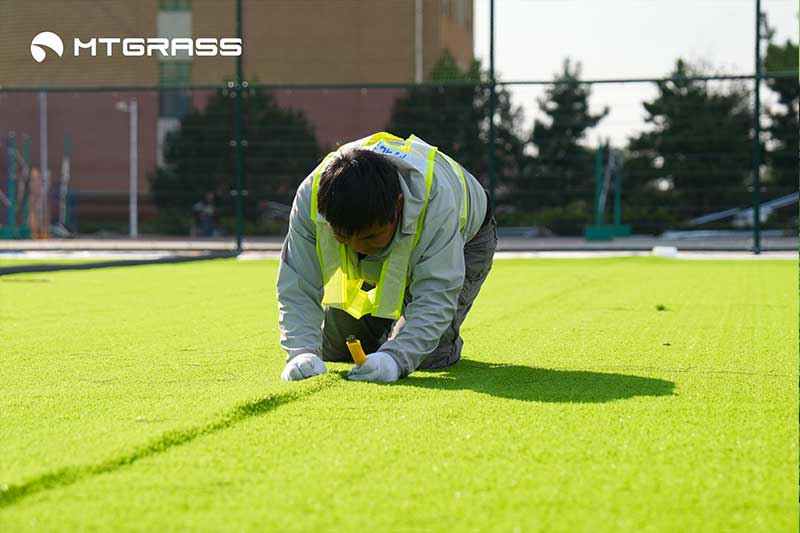
Jika anda merancang atau membuat bida untuk projek taman permainan, anda akan mendapati bahawa tumpuan industri telah senyap-senyap berubah. Pelanggan anda tidak lagi hanya mementingkan reka bentuk estetik; mereka telah mula meneliti dengan teliti elemen utama yang terlibat dalam pemasangan rumput taman permainan, seperti pematuhan keselamatan, ketahanan jangka panjang, dan kos kitar hayat keseluruhan.
Inilah sebabnya sistem rumput taman permainan dengan pantas menggantikan rumput semula jadi, mulsa getah, malah getah yang dicurahkan di tempat di sekolah, taman, dan kawasan permainan komersial. Permukaan rumput tiruan taman permainan yang dipasang dengan betul memberikan anda penyelesaian yang lebih bersih, lebih konsisten, dan boleh digunakan dalam semua cuaca sepanjang tahun.
Sama ada anda sedang membina taman permainan sekolah, taman perbandaran, atau kawasan permainan rumput tiruan komersial, kami berhasrat membantu anda mencipta sistem lantai yang cemerlang dari segi prestasi teknikal dan nilai komersial.
Mengapa pemasangan rumput taman permainan yang betul lebih penting daripada yang anda sangka
Apabila anda menilai rumput taman permainan, mudah untuk menumpukan perhatian pada permukaannya sendiri—kualiti serat, warna, atau harga. Tetapi dalam projek sebenar, prestasi ditentukan jauh lebih banyak oleh cara sistem dipasang daripada oleh rumput tiruan Berseorangan. Malah rumput tiruan terbaik untuk aplikasi taman permainan boleh gagal lebih awal jika lapisan asas, saliran, dan keselamatan tidak direka dengan betul.
Apa yang berlaku di bawah permukaan?
| Lapisan | Fungsi | Impak Utama |
| Sub-asas (agregat yang dipadatkan) | Kestabilan struktur | Mencegah tenggelam dan permukaan tidak rata |
| Sistem saliran | Evakuasi air | Memastikan rumput padang permainan luar boleh digunakan sepanjang tahun |
| Pad kejutan / Lapisan E | Penyerapan impak | Memenuhi piawaian keselamatan ASTM F1292 & EN1177 |
| Lapisan rumput (serat sintetik) | Permukaan permainan | Memberi keselesaan, estetika dan ketahanan terhadap keausan |
Sebaliknya, pemasangan rumput taman permainan yang dilaksanakan dengan betul boleh memanjangkan jangka hayat sistem kepada 8–10 tahun atau lebih, sekali gus mengurangkan kos kitar hayat rumput taman permainan dengan ketara.
Senarai Semak Alat & Bahan untuk Pemasangan Lantai Padang Permainan
Sebelum memulakan pemasangan rumput tiruan di taman permainan, sila pastikan anda telah mengumpul semua alat dan bahan yang diperlukan untuk memastikan projek berjalan lancar dan mengelakkan kelewatan atau kerja semula.
| kategori | Bahan / Alat | Fungsi / Nota |
| Bahan Pembinaan Asas | Batu hancur / asas jalan | Membentuk sub-asas yang stabil, mencegah pemendakan dan deformasi |
| Granit terurai (pilihan) | Lapisan pelaras halus untuk kemasan permukaan yang lebih licin | |
| Kain geotekstil | Berfungsi sebagai penghalang rumpai dan memisahkan tanah daripada lapisan asas. | |
| Komponen Lantai Padang & Sistem | Roling rumput taman permainan (sarung gentian PE disyorkan) | Memberi permukaan taman permainan rumput tiruan yang lembut dan tahan lama |
| Pad hentakan (dinilai CFH) | Penting untuk penyerapan impak dan pematuhan keselamatan (pelindung ketinggian jatuh) | |
| Bahan pengisi (pilihan) | Menambah kestabilan dan penyerap hentakan dalam sistem infill | |
| Alat dan Peralatan Pemasangan | Pemadat/gilingan plat | Memastikan pemadatan asas yang betul dan kestabilan jangka panjang |
| Pemotong rumput / pisau utiliti | Digunakan untuk pemotongan dan pembentukan gulungan rumput dengan tepat | |
| Pita pengukur & garisan kapur | Memastikan susun atur dan penjajaran yang tepat semasa pemasangan | |
| Penyapu berkuasa / berus kaku | Membantu mengangkat serat rumput dan mengagihkan bahan pengisi secara sekata | |
| Bahan Penjahitan dan Pembaikan | Pita jahitan | Menghubungkan bahagian rumput dengan selamat di sendi |
| Lem poliuretana (PU) | Memberi ikatan yang kuat dan fleksibel untuk jahitan | |
| Paku tergalvani / duri | Membaiki tepi rumput dan mencegah pergerakannya | |
| Pengehadan tepi (papan lentur / pembatasan konkrit) | Menjaga integriti perimeter dan mencegah angkatannya di tepi |
Mempunyai persediaan yang betul sebelum anda bermula bukan sahaja meningkatkan kecekapan—ia juga secara langsung mempengaruhi sama ada rumput tiruan untuk permukaan taman permainan anda akan lulus pemeriksaan dan berfungsi dengan baik dari masa ke masa.
Proses pemasangan rumput taman permainan langkah demi langkah
Pemasangan rumput taman permainan yang berjaya bukan begitu banyak tentang kelajuan tetapi lebih tentang urutan. Pembinaan setiap lapisan struktur mempengaruhi lapisan seterusnya; penyimpangan kecil yang berlaku pada peringkat awal sering kali menjadi masalah seperti kegagalan lulus penerimaan akhir, saliran buruk, permukaan tidak rata, atau penamatan pramatang jangka hayat taman permainan.
Kami kini akan membentangkan prosedur pemasangan yang praktikal dan berkesan untuk rumput tiruan di taman permainan, yang kami harap akan berguna dalam pelaksanaan dan pengoptimuman projek di pelbagai persekitaran—termasuk sekolah, taman, dan kawasan rekreasi komersial.
Langkah 1 – Penyediaan Asas Turf Padang Permainan
Segalanya bermula dengan membuang apa yang tidak sepatutnya ada di situ. Rumput semula jadi, akar, dan tanah organik perlu dibuang kerana ia tidak stabil secara semula jadi. Lama-kelamaan, bahan organik akan reput, dan pada ketika itulah anda mula melihat lekukan dan tompokan lembut pada permukaan rumput tiruan padang permainan yang sepatutnya stabil.
Kebanyakan projek memerlukan penggalian dalam julat 75–150 mm (3–6 inci), walaupun pembinaan yang lebih dalam biasa apabila perlindungan daripada kejatuhan yang lebih tinggi diperlukan. Pada masa yang sama, tapak hendaklah diratakan dengan cerun lembut 1–2%. Walaupun rumput tiruan moden untuk taman permainan menyalir dengan baik, air masih memerlukan arah. Jika projek anda kekurangan cerun yang diperlukan, kecekapan saliran tapak akan berkurangan dengan ketara.
Langkah 2 – Pasang penghalang rumput geotekstil
Setelah penggalian untuk asas rumput tiruan taman permainan selesai, meletakkan lapisan geotekstil mewujudkan lapisan penebat antara tanah dan asas struktur. Ia adalah salah satu langkah yang tidak kelihatan dalam hasil akhir, tetapi dari masa ke masa, lapisan ini membantu mencegah rumpai meresap melalui rumput tiruan untuk kawasan permainan luar. Ia juga menstabilkan asas dengan menghalang zarah tanah halus daripada terangkat ke atas. Terutamanya dalam pemasangan luar jangka panjang, perincian kecil ini melindungi integriti keseluruhan sistem.
Langkah 3 – Membina dan Memadatkan Sub-Dasar
Di sinilah projek ini mula mengambil bentuk dari segi struktur. Sub-asas menanggung beban, mengawal saliran, dan akhirnya menentukan sama ada rumput taman permainan luar anda terasa kukuh di bawah kaki atau tidak.
Biasanya, batu hancur atau asas jalan dipasang dalam lapisan dan dimampatkan secara berperingkat. Setiap lapisan biasanya dikekalkan sekitar 50 mm (2 inci) untuk memastikan pemampatan yang betul. Kami mengesyorkan memampatkannya kepada antara 90% dan 95%, iaitu piawaian yang dipatuhi oleh kebanyakan projek pemasangan profesional.
Jika langkah ini dipersingkat, masalah tidak muncul serta-merta—tetapi ia pasti akan muncul. Anda akan melihat corak keausan tidak sekata, pergerakan permukaan, dan dalam beberapa kes, air terkumpul di bawah rumput tiruan untuk permukaan taman permainan. Sebaliknya, asas yang dipadatkan dengan betul menyokong kadar saliran yang boleh melebihi 500 mm/jam, memastikan permukaan boleh digunakan walaupun selepas hujan lebat.
Langkah 4 – Pasang Pad Hentakan
Pad hentakan adalah yang membolehkan sistem permukaan keselamatan rumput sintetik anda memenuhi piawaian impak.
Kebanyakan sistem taman permainan menggunakan pad dengan ketebalan antara 20 mm hingga 50 mm, bergantung pada Tinggi Jatuh Kritikal (CFH) yang diperlukan. Konsistensi pad penyerapan hentakan perlu diberi perhatian. Pad perlu dipasang rapat antara satu sama lain, tanpa celah atau perbezaan ketinggian, kerana walaupun ketidakselarasan kecil boleh menjejaskan prestasi hentakan semasa ujian.
Apabila rumput tiruan dan pad hentakan direka untuk berfungsi bersama, anda mengurangkan ketidakpastian dan menjadikan pematuhan jauh lebih mudah untuk dicapai.
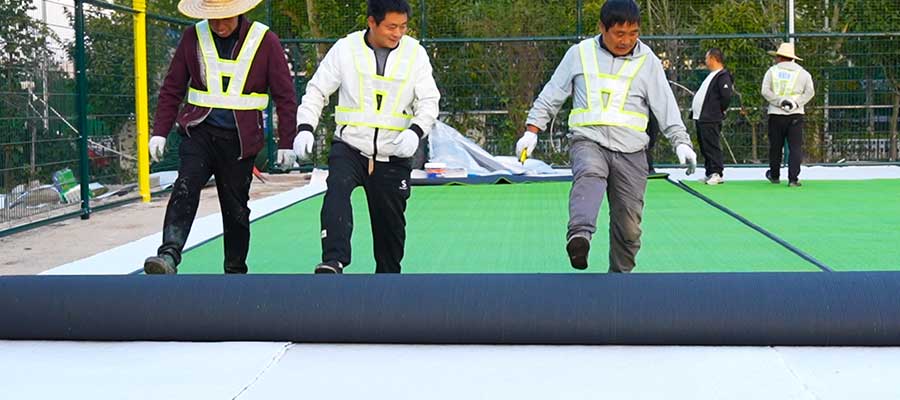
Langkah 5 – Letakkan dan Susun Gulungan Rumput
Sebelum memasang apa-apa, rumput tiruan hendaklah dibentangkan dan dibiarkan menyesuaikan diri dengan keadaan tapak. Suhu boleh menjejaskan dimensi bahan sedikit, dan memberi masa untuk ia menetap membantu mengelakkan ketegangan kemudian.
Apabila meletakkan gulungan, keseragaman adalah penting. Serat rumput hendaklah semuanya searah, jika tidak, permukaan padang rumput tiruan yang siap akan menunjukkan perbezaan bayang yang ketara. Perancangan sambungan juga dilakukan pada peringkat ini—menjauhkan sambungan daripada kawasan trafik tinggi seperti pintu keluar gelongsor boleh memanjangkan hayat pemasangan dengan ketara.
Langkah 6 – Memotong, Menjahit & Menggabungkan rumput
Di sinilah kemahiran pertukangan menjadi nyata. Potongan yang kemas dan jahitan yang dilaksanakan dengan baik adalah apa yang membezakan pemasangan profesional daripada pemasangan biasa.
Proses ini biasanya melibatkan meletakkan pita jahitan di bawah sambungan dan menyapu pelekat poliuretana dua komponen (bahan campuran mengikut nisbah 9:1) secara sekata sebelum menyatukan tepi-tepinya. Setelah ditekan ke tempatnya, jahitan itu seharusnya kukuh dan kelihatan halus.
Kami mengesyorkan agar anda memperuntukkan 12–24 jam untuk pelekat mengeras dengan sempurna bagi memastikan sambungan kekal kukuh walaupun digunakan berulang kali, yang amat penting di kawasan rumput taman permainan yang sibuk.
Langkah 7 – Kukuhkan tepi rumput
Batas rumput tiruan adalah tempat pergerakan bermula jika ia tidak dipasang dengan betul. Lama-kelamaan, perubahan suhu dan penggunaan boleh menyebabkan pengembangan dan pergeseran kecil, terutamanya dalam pemasangan rumput taman permainan luar.
Mengamankan perimeter—sama ada melalui duri, paku, atau penyambungan pada tepi pepejal seperti konkrit—mengunci sistem di tempatnya. Tepi rumput yang dipasang dengan kukuh mengelakkan terangkat, mengurangkan bahaya tersandung, dan mengekalkan kemasan yang kemas dari masa ke masa.
Langkah 8 – Permohonan pengisian (jika berkenaan)
Bergantung pada reka bentuk sistem, bahan pengisi mungkin digunakan atau tidak. Biasanya, rumput taman permainan luar mungkin melibatkan bahan pengisi, yang berfungsi terutamanya sebagai fungsi sokongan dan bukannya struktur.
Bahan pengisi seperti pasir silika membantu menstabilkan lapisan sokongan rumput dan memastikan serat tegak, menyumbang kepada rasa yang lebih semula jadi di bawah kaki. Aplikasi perlu dilakukan secara sekata, diikuti dengan menyikat untuk memasukkan bahan ke dalam serat.
Banyak rumput tiruan untuk kawasan permainan yang digunakan di kawasan rekreasi—seperti sekolah, tadika, dan kemudahan dalaman—semakin beralih kepada sistem "Non-infill". Rumput tiruan Non-Infill (seperti yang ditawarkan oleh MightyGrass) lebih mudah dibersihkan, menawarkan tahap kebersihan yang lebih tinggi, dan membantu mengurangkan kebimbangan penyelenggaraan jangka panjang.
Langkah 9 – Menggabungkan Ciri-ciri Taman Permainan
Jika taman permainan anda dilengkapi dengan peralatan seperti gelongsor, buaian, atau rangka memanjat, perancangan teliti semasa proses pemasangan adalah penting. Ketepatan amat diperlukan apabila bekerja di sekitar struktur-struktur ini. Rumput tiruan mesti dipotong dengan ketepatan tinggi agar ia rapat menepati tiang penyokong dan tepi plat asas, manakala pad penyerapan hentakan di bawahnya mesti kekal bersambung dan tidak terganggu di seluruh zon penyerap jatuh yang ditetapkan. Kawasan seperti pintu keluar gelongsor sering menahan daya impak tinggi dan oleh itu mungkin memerlukan pengukuhan tambahan.
Ingat bahawa rumput tiruan hendaklah dipotong dengan tepat mengikut kontur pelbagai peralatan, memastikan ia bebas daripada kedutan atau permukaan tidak rata. Memberi perhatian rapi kepada perincian ini adalah kunci untuk mengekalkan taman permainan yang kemas dan selamat. Pada peringkat ini, tumpuan utama bukan lagi pada mematuhi prosedur piawai secara kaku, tetapi lebih kepada menyesuaikan pelan pemasangan rumput secara fleksibel agar sesuai dengan keadaan sebenar tapak taman permainan.
Langkah 10 – Penjagaan Akhir & Pemeriksaan
Fasa terakhir adalah di mana segala-galanya disatukan. Permukaan disikat untuk mengangkat serat, jahitan diperiksa, tepi diperiksa semula, dan rata keseluruhan kawasan dinilai.
Pada ketika ini, rumput tiruan untuk permukaan taman permainan harus terasa sekata dan stabil di seluruh kawasan. Air harus dapat mengalir dengan cepat, sambungan hampir tidak dapat dilihat, dan peralihan antara bahagian harus lancar.
Pada projek berspecifikasi tinggi, kontraktor juga boleh mengesahkan prestasi impak atau menjalankan semakan pematuhan akhir sebelum penyerahan.
Petua Penyelenggaraan: Menjaga rumput taman permainan agar sentiasa dalam keadaan terbaik
Berbanding dengan rumput semula jadi, penyelenggaraan rumput tiruan di taman permainan adalah agak mudah. Walau bagaimanapun, pembersihan dan penjagaan secara berkala membantu memastikan ia kekal dalam keadaan optimum untuk bertahun-tahun akan datang.
Sapulah rumput secara berkala untuk memastikan serat rumput tegak dan membuang kotoran serta serpihan yang terkumpul. Gunakan penyapu daun untuk membersihkan permukaan rumput, terutamanya semasa musim luruh apabila daun gugur dan ranting lebih banyak.
Secara berkala periksa rumput tiruan untuk tanda-tanda keausan, terutamanya di kawasan yang kerap dilalui atau di bawah peralatan taman permainan. Lakukan pembersihan tompokan mengikut keperluan, dan jika sebarang jahitan longgar, baiki dengan segera untuk memastikan rumput tiruan kekal selamat dan menarik dari segi estetika.
Mengapa Anda Memilih MightyGrass untuk Projek Lantai Padang Permainan Anda
Memilih rakan kongsi yang tepat boleh membuat perbezaan yang dapat diukur dalam penyampaian projek dan keputusan jangka panjang.
- Dengan MightyGrassAnda bukan sekadar mendapatkan rumput tiruan untuk taman permainan—anda bekerjasama dengan pengeluar yang memahami bagaimana sistem berfungsi dalam keadaan sebenar.
- Kerana MightyGrass mengawal keseluruhan proses pengeluaran—daripada ekstrusi benang hingga lapisan belakang—anda mendapat tahap keseragaman yang sukar dicapai apabila mendapatkan bekalan daripada pelbagai pembekal. Ini menjadi sangat penting dalam lapisan permukaan keselamatan rumput sintetik, di mana variasi kecil boleh menjejaskan prestasi.
- Bagi kontraktor di Amerika Utara, kewujudan gudang di California juga mengubah persamaan. Ia bermakna penghantaran lebih pantas, masa tunggu yang dikurangkan, dan keupayaan untuk bertindak balas dengan cepat terhadap jadual projek tanpa kelewatan penghantaran antarabangsa yang panjang.
- MightyGrass menyokong anda melangkaui pembekalan produk. Daripada membiarkan anda mencari spesifikasi sendiri, pasukan kami menyediakan cadangan berasaskan sistem yang disesuaikan dengan projek anda.
Sama ada anda sedang bekerja di taman permainan sekolah, taman perbandaran, atau kawasan permainan rumput tiruan komersial, kami boleh menyediakan penyelesaian konfigurasi yang memastikan keputusan pemasangan mematuhi sepenuhnya semua peraturan keselamatan.
Beritahu kami butiran projek anda, dan kami akan membantu anda membinanya dengan betul pada kali pertama. Dapatkan sistem rumput taman permainan dengan prestasi yang benar-benar luar biasa—segera.
Kesimpulan
Pemasangan rumput taman permainan tidak lagi hanya tugas pembinaan—ia adalah gabungan kejuruteraan, pematuhan keselamatan, dan perancangan prestasi jangka panjang.
Dari penyediaan asas hingga pemeriksaan akhir, setiap langkah dalam proses pemasangan rumput tiruan taman permainan menyumbang kepada hasilnya. Apabila dilakukan dengan betul, hasilnya ialah permukaan yang selamat, tahan lama, dan bersedia menahan penggunaan berterusan selama bertahun-tahun. Apabila dilakukan dengan buruk, bahan berkualiti tertinggi pun boleh gagal lebih awal.
Itulah sebabnya semakin ramai kontraktor beralih kepada penyelesaian berasaskan sistem, di mana reka bentuk, bahan, dan pemasangan bekerjasama sejak awal.
Soalan Lazim
Berapa lama pemasangan rumput taman permainan mengambil masa?
Salah satu kelebihan rumput tiruan untuk permukaan taman permainan ialah jangka masa pemasangan yang boleh diramalkan. Tidak seperti getah yang dicurahkan atau rumput semula jadi, sistem rumput kurang bergantung pada masa pengerasan atau jendela cuaca.
Untuk kebanyakan projek, garis masa mengikuti corak yang agak konsisten.
Padang permainan sekolah kecil atau pusat jagaan harian (kurang daripada 3,000 kaki persegi) sering boleh disiapkan dalam masa 2–4 hari, dengan andaian tapak telah disediakan dan keadaan cuaca stabil. Projek bersaiz sederhana, seperti taman komuniti atau halaman sekolah yang lebih besar, biasanya mengambil masa 5–7 hari dari penggalian hingga pemeriksaan akhir. Pemasangan yang lebih besar atau lebih kompleks—terutamanya yang melibatkan beberapa zon permainan atau reka bentuk tersuai—mungkin mengambil masa lebih daripada seminggu.
Apa yang paling mempengaruhi garis masa anda bukanlah rumput itu sendiri, tetapi kerja asas:
- keadaan tapak dan kesukaran penggalian
- masa pembinaan dan pemadatan asas
- kerumitan integrasi peralatan taman permainan
Cuaca juga boleh memainkan peranan, terutamanya semasa peringkat penyediaan asas dan pengerasan pelekat.
Secara amnya, berbanding kaedah permukaan keselamatan tradisional, pemasangan rumput taman permainan membolehkan penggunaan semula dengan lebih cepat. Banyak sistem boleh dibuka untuk lalu lintas dalam masa 24–48 jam selepas siap, yang merupakan kelebihan utama bagi sekolah dan kemudahan awam yang beroperasi dengan jadual ketat.
Bagaimana mencegah pengumpulan air pada rumput taman permainan?
Saliran yang berkesan adalah faktor utama dalam memastikan ketahanan rumput taman permainan. Saliran yang buruk boleh menyebabkan air bertakung di permukaan, yang seterusnya menyebabkan rumput kekal lembap, menggalakkan pertumbuhan kulat, dan mungkin mengakibatkan bau yang tidak menyenangkan. Untuk mengelakkan ini, adalah penting untuk memasang lapisan asas berkualiti tinggi, kerana ini memudahkan saliran lembapan dengan lancar menjauhi permukaan rumput.
Jika anda tinggal di kawasan yang menerima hujan lebat, pemasangan rumput yang dilengkapi lubang saliran amat penting. Lubang saliran ini membolehkan air hujan meresap ke lapisan asas di bawah rumput, sekaligus mengelakkan air bertakung di permukaan. Selain itu, semasa memasang lapisan asas, cerun semula jadi tanah perlu diambil kira bagi memastikan lebihan air disalurkan ke titik saliran yang ditetapkan, seperti parit atau paip saliran.
Menjaga saliran yang berkesan memerlukan pemeriksaan berkala terhadap rumput untuk membuang sebarang serpihan yang berpotensi menyumbat lubang saliran. Menggaru atau menyikat rumput secara berkala membantu memastikan saluran saliran sentiasa terbuka, membolehkan air mengalir dengan bebas. Memeriksa permukaan rumput dengan teliti untuk tanda-tanda air bertakung dapat memanjangkan jangka hayat rumput dengan ketara dan memastikan kawasan permainan kekal selamat dan kering.
Bagaimana untuk memanjangkan jangka hayat rumput taman permainan?
Untuk memastikan rumput taman permainan berfungsi dengan baik, penjagaan dan penyelenggaraan berkala adalah penting bagi mengekalkan daya tarikan estetik dan keadaan keseluruhan. Salah satu cara paling mudah untuk memanjangkan jangka hayat rumput ialah dengan menyikat secara berkala. Menyikat membantu memastikan serat rumput tegak, mengelakkan ia daripada berlapis atau tertekan di kawasan yang kerap dilalui.
Selain itu, adalah penting untuk membersihkan rumput secara berkala bagi menyingkirkan kotoran, daun gugur, dan serpihan lain. Ini boleh dilakukan dengan menggunakan penyedut daun, sapu, atau paip taman. Menjaga permukaan rumput agar bersih dan bebas daripada bahan organik membantu mencegah pertumbuhan kulat, yang merosakkan kualiti rumput.