Bahasa Melayu
  English
  العربية
  Español
  Deutsch
  Français
  Português
  Русский
  日本語
日本語  Italiano
  Nederlands
  Svenska
  Suomi
Suomi  ไทย
ไทย  Dansk
Dansk  Ελληνικά

Sebagai pentadbir, perancang, atau pengurus kemudahan, anda berada di bawah tekanan berterusan untuk mewujudkan persekitaran sukan yang selamat, tahan lama, dan berprestasi tinggi. Itulah sebabnya rumput tiruan untuk sekolah dan Lapisan rumput padang bola sepak komuniti telah meningkat pesat dalam penerimaan sepanjang dekad yang lalu.
Berbanding dengan rumput semula jadi, rumput tiruan untuk sekolah menyediakan permukaan permainan yang jauh lebih konsisten dan menghapuskan masalah seperti lumpur, lubang, tanah tidak rata, dan penaburan semula yang mahal. Bagi bandar yang berkembang dan hab pendidikan yang pesat membangun, rumput bukan sekadar tren, ia kini elemen teras dalam moden fasiliti sukan pendidikan dan ruang rekreasi.
Tinjauan industri mendedahkan betapa cepatnya pasaran berkembang: permintaan global untuk rumput tiruan untuk ruang rekreasi diramalkan akan berkembang melebihi 7% Kadar Pertumbuhan Tahunan Gabungan sehingga 2030, didorong terutamanya oleh program sukan sekolah dan taman sukan komuniti.
Faedah utama yang anda peroleh serta-merta termasuk:
- 3–5 kali lebih banyak masa bermain, walaupun selepas hujan
- Sehingga 50% kos penyelenggaraan jangka panjang yang lebih rendah
- Ketersediaan latihan sepanjang tahun untuk semua cuaca
- Prestasi gred profesional untuk atlet pelajar
Dalam persekitaran akademik yang kompetitif, sekolah-sekolah yang menggunakan sistem rumput tiruan bola sepak sekolah Bukan sahaja meningkatkan keputusan sukan, anda juga menarik ibu bapa yang mengutamakan kemudahan moden dan gaya hidup pelajar yang aktif.
Kelebihan Keselamatan dan Prestasi Sistem Padang Sekolah
Keselamatan pelajar sentiasa diutamakan, dan lanjutan Lapisan rumput untuk sekolah sistem direka khas untuk atlet muda. Hari ini rumput tiruan taman permainan dan sistem rumput tiruan bola sepak sekolah gabungkan pad penyerapan hentakan, isian selamat, dan gentian tahan UV untuk melindungi kesihatan kanak-kanak sambil meningkatkan kualiti permainan.
Data industri menunjukkan insiden kecederaan pada sistem rumput tiruan moden boleh berkurang. sehingga 20–30% Apabila dibandingkan dengan padang rumput semula jadi yang diselenggara dengan buruk. Tarikan sekata dan permukaan yang stabil membantu mencegah putaran buku lali, licin, dan terjatuh, satu manfaat utama untuk fasiliti sukan pendidikan mengendalikan kelas Pendidikan Jasmani harian dan liga selepas sekolah.
Kelebihan keselamatan utama termasuk:
- Pad penyerapan hentakan boleh mengurangkan impak dan mencegah risiko kecederaan sendi.
- Serat rumput antibakteria dan bebas alergen
- Tiada lumpur, air bertakung, atau kawasan tidak rata
- Benang mesra kulit untuk mengurangkan kecederaan pada kulit.
Sama ada anda sedang mereka bentuk Lapisan rumput padang bola sepak komuniti projek atau menaik taraf kampus sekolah, berkualiti tinggi rumput tiruan untuk ruang rekreasi Sistem ini memastikan pelajar menikmati prestasi dan perlindungan semasa setiap perlawanan, rehat waktu lapang, dan sesi kelas Pendidikan Jasmani.
Pelaburan anda dalam rumput tiruan untuk sekolah Bukan sekadar memperbaiki padang, tetapi membina persekitaran sukan yang lebih selamat, bersih, dan inklusif di mana kanak-kanak dapat berkembang.
Kecekapan Kos: Penjimatan Jangka Panjang untuk Sekolah dan Komuniti
Keputusan belanjawan itu penting — terutamanya apabila anda bertanggungjawab untuk meningkatkan kemudahan pelajar sambil kekal cekap dari segi kos. Salah satu sebab paling meyakinkan mengapa sekolah dan komuniti memilih rumput tiruan untuk sekolah dan rumput tiruan untuk ruang rekreasi adalah manfaat kewangan jangka panjang.
Rumput semula jadi mungkin kelihatan lebih murah pada mulanya, tetapi kos berterusan dengan cepat bertambah, termasuk air, baja, penaburan semula, pemotongan rumput, kawalan perosak, dan pembaikan padang. Sebaliknya, moden rumput tiruan untuk sekolah Sistem direka untuk ketahanan dan penyelenggaraan minimum.
Perbandingan anggaran penyelenggaraan
| Jenis Medan | Kos Penyelenggaraan Tahunan | Penggunaan Air | Kapasiti Main |
| Rumput Asli | $35,000–$60,000 | tinggi | Bergantung pada cuaca |
| Sistem Padang Tiruan Sekolah | $5,000–$10,000 | Minimum | Sepanjang tahun, semua cuaca |
Dengan rumput tiruan untuk sekolah, anda boleh mengurangkan belanjawan penyelenggaraan sehingga 50–70% sambil meningkatkan masa lapangan yang tersedia dengan 3–5×. Itu bermakna lebih banyak kelas Pendidikan Jasmani, lebih banyak program sukan selepas sekolah, dan akses yang lebih baik kepada aktiviti komuniti, semuanya tanpa membebankan belanjawan operasi.
Selain itu, sistem rumput tiruan bola sepak sekolah dibina untuk kekal kelihatan hijau dan bersih sepanjang tahun, membantu kampus anda mengekalkan persekitaran yang profesional dan mesra untuk pelajar dan pelawat.

Kebolehsesuaian Reka Bentuk untuk Ruang Sekolah dan Komuniti
Sama ada anda merancang padang sukan kompetitif, taman komuniti bersama, atau zon permainan pelajar yang selamat, sistem rumput moden membolehkan anda mereka bentuk dengan fleksibiliti dan tujuan. Hari ini rumput tiruan taman permainan dan Lapisan rumput padang bola sepak komuniti Pilihan menyesuaikan diri dengan semua persekitaran, daripada kawasan permainan tadika hingga padang latihan berprestasi tinggi.
Dengan Lapisan rumput untuk sekolahAnda boleh menyesuaikan ketinggian susunan tiang, kekuatan penyokong, sistem penyerapan hentakan, penandaan garisan, dan jenis pengisian untuk memenuhi keperluan program anda. Ini bermakna satu kampus boleh melaksanakan:
- Padang bola sepak khusus menggunakan sistem rumput tiruan bola sepak sekolah
- Padang Pendidikan Jasmani serbaguna dan kawasan permainan terbuka
- Rumput tiruan padang permainan selamat untuk kanak-kanak sistem dengan penambahan ruang kosong
- Ruang kongsi komuniti untuk sukan dan acara hujung minggu
Yang fleksibel ini rumput tiruan untuk ruang rekreasi Penyelesaian membantu anda memaksimumkan penggunaan tanah, menyokong pelbagai program sukan, dan membina kemudahan yang benar-benar pelbagai fungsi. fasiliti sukan pendidikan, walaupun ruang terhad.
Anda mendapat sistem lapangan yang menyesuaikan diri dengan keperluan pelajar, keadaan iklim tempatan, dan matlamat prestasi jangka panjang anda.
Kelestarian & Tanggungjawab Alam Sekitar
Pemimpin sekolah dan pihak berkuasa tempatan semakin mengutamakan penyelesaian mesra alam — dan di situlah rumput tiruan untuk sekolah Menonjol. Sistem rumput moden direka untuk menjimatkan sumber dan menyokong kelestarian jangka panjang.
Dengan rumput tiruan untuk sekolah, anda:
- Kurangkan penggunaan air sehingga 1.5–2 juta gelen setiap ladang setiap tahun
- Hapuskan baja kimia dan racun perosak
- Mengurangkan pelepasan CO₂ daripada peralatan pemotongan rumput dan penyelenggaraan
- Memanjangkan hayat tanah boleh guna melalui sistem kejuruteraan tahan lama
Sementara itu, lanjutan Lapisan rumput padang bola sepak komuniti dan sistem rumput tiruan bola sepak sekolah Teknologi kini merangkumi struktur benang boleh dikitar semula dan bahan pengisi mesra alam, membantu institusi anda selaras dengan inisiatif pembangunan hijau.
Apabila anda memilih Mighty Grass rumput tiruan untuk ruang rekreasi Di kampus anda atau di kejiranan anda, anda bukan sahaja meningkatkan prestasi atletik, malah anda juga mewujudkan persekitaran yang lebih sihat dan mampan untuk generasi akan datang.
Pemasangan & Penyelenggaraan Dijadikan Mudah
Apabila anda melabur dalam rumput tiruan untuk sekolah atau rumput tiruan untuk ruang rekreasi, anda memperoleh satu sistem yang direka untuk kemudahan pemasangan dan penyelenggaraan rendahBerbeza dengan rumput semula jadi, sistem ini tidak memerlukan penyiraman, pemotongan, atau rawatan kimia secara berterusan.
Langkah-langkah pemasangan tipikal yang akan anda alami termasuk:
- Penyediaan tapak dan saliran – memastikan bahawa anda sistem rumput tiruan bola sepak sekolah tetap kering dan selamat.
- Penempatan kusyen hentakan – penting untuk taman permainan dan padang dengan aktiviti pelajar yang tinggi.
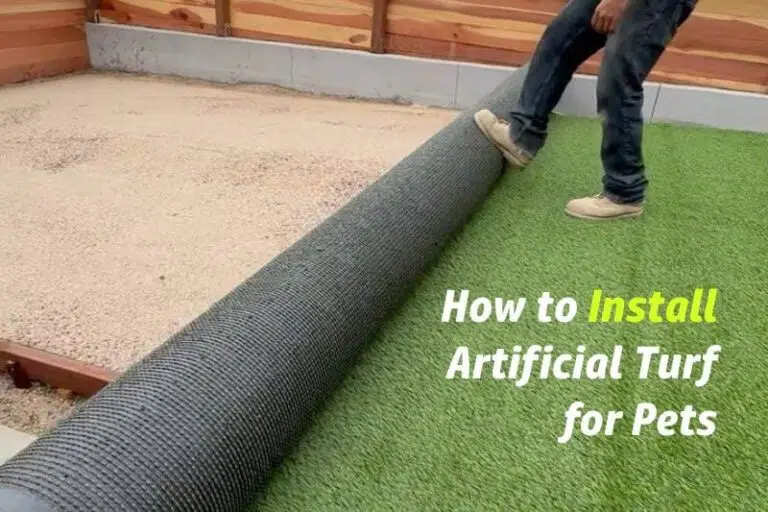
- Pemasangan gulungan rumput & pelekatan jahitan – menyediakan permukaan yang licin dan berkualiti profesional.
- Pengisian dan penjagaan (jika diperlukan) – mengekalkan serat tegak dan permukaan permainan konsisten.
- Penandaan garisan atau susun atur pelbagai sukan – membolehkan anda memaksimumkan fasiliti sukan pendidikan untuk pelbagai aktiviti.
Penyelenggaraan adalah mudah: Mighty Grass mengesyorkan memberus secara berkala, pengisian semula secara berselang, dan pembersihan permukaan. Malah anda rumput tiruan taman permainan boleh kekal selamat dan bersih sepanjang tahun dengan usaha minimum. Untuk Lapisan rumput padang bola sepak komunitiKesederhanaan ini memastikan ketersediaan tinggi untuk program awam tanpa pengawasan berterusan.
Contoh Sebenar yang Boleh Anda Jadikan Penanda Aras
Instalasi sebenar Mighty Grass boleh membantu anda membayangkan kemungkinan untuk sekolah atau komuniti anda:
- Komuniti Malaysia: Memasang sistem padang bola sepak sekolah berumput tiruan dengan lapik penyerap hentakan, membolehkan 2,800 jam penggunaan setahun serta kelas Pendidikan Jasmani harian dan liga selepas sekolah.
- Kolej Vokasional Perindustrian Beijing: Penggunaan rumput tiruan Mighty Grass yang diluluskan FIFA di padang sukan sekolah memaksimumkan keselamatan pelajar semasa bersenam.
- Taman Sukan Shijiazhuang: Melaksanakan FIFA rumput padang bola sepak untuk ruang rekreasi, menyokong liga hujung minggu dan program belia, menjumlahkan 3,200 jam permainan tahunan tanpa sebarang penutupan.
Dalam semua kes ini, sekolah dan pihak berkuasa tempatan mencatat: kos penyelenggaraan yang lebih rendah, persekitaran yang lebih selamat, dan kepuasan pengguna yang lebih baik. Membuktikan bahawa rumput untuk sekolah dan projek komuniti adalah pelaburan jangka panjang yang berbaloi.

Pertimbangan Kos dan Belanjawan
Apabila anda merancang untuk rumput tiruan untuk sekolah Dengan pemasangan, anda membuat pilihan kewangan yang strategik. Walaupun kos pemasangan awal mungkin lebih tinggi berbanding rumput, penjimatan operasi anda adalah ketara.
| Faktor | Rumput Asli | Rumput Sintetik |
| Penyelenggaraan Tahunan | $25,000–$50,000 | $5,000–$12,000 |
| Penggunaan Air | 1.5–2M+ liter/tahun | Sifar pengairan |
| Jam Boleh Dipermainkan | 200–300 | 2,500–3,500+ |
| Jangka hayat | 3–5 tahun | 8–12 tahun |
Dengan memilih Mighty Grass rumput tiruan untuk sekolah atau rumput tiruan untuk ruang rekreasi, anda membebaskan bajet untuk: program baharu, peningkatan kemudahan, atau akses komuniti yang diperluas. Anda Lapisan rumput padang bola sepak komuniti atau sistem rumput tiruan bola sepak sekolah Pelaburan menjadi bukan sekadar bidang, tetapi sebuah aset jangka panjang.
Bagaimana Anda Memilih Sistem Lantai Rumput yang Betul?
Memilih yang sempurna Lapisan rumput untuk sekolah Sistem memerlukan pertimbangan yang teliti. Tanyakan pada diri anda:
- Adakah ia termasuk a pad hentakan untuk keselamatan?
- Adakah bahan itu tidak beracun dan bebas plumbum?
- Adakah ia memenuhi Lapisan rumput berkualiti FIFA atau piawaian keselamatan EN?
- Adakah gentian tahan sinar UV dan tahan haus?
- Adakah ia termasuk benang pengurangan haba untuk taman permainan yang cerah?
- Adakah saliran direka untuk penggunaan berat?
- Adakah waranti dan sokongan disertakan?
MightyGrass sebagai seorang profesional Pembekal dan pengeluar rumput tiruan yang diluluskan oleh FIFA, mengesyorkan agar rumput tiruan di taman permainan anda, sistem rumput bola sepak sekolah, atau rumput padang bola sepak komuniti selaras dengan iklim khusus anda, kumpulan umur, dan intensiti penggunaan padang. Memilih sistem yang tepat memastikan ketahanan, keselamatan, dan kepuasan pelajar serta ahli komuniti.
Jika anda mempunyai sebarang keraguan mengenai faktor-faktor yang mempengaruhi, sila Hubungi kami segera supaya kami dapat membantu anda membangunkan pelan yang sesuai. Kami juga menyediakan Sampel rumput tiruan bebas plumbum, tidak beracun, dan kalis api yang telah lulus ujian ketahanan api makmal FIFA, beserta sebut harga percuma yang disesuaikan dengan keperluan anda.
Kesimpulan: Mengapa Anda Perlu Melabur dalam Padang Sekolah dan Komuniti
Dengan memilih rumput tiruan untuk sekolah, rumput tiruan untuk sekolah, dan rumput tiruan untuk ruang rekreasi, anda tidak hanya memasang medan, anda sedang mencipta satu persekitaran yang selamat, lestari, dan berprestasi tinggi bagi pelajar dan masyarakat umum.
Anda akan:
- Sediakan Permainan sepanjang tahun dan memaksimumkan ketersediaan lapangan
- Kurangkan kos penyelenggaraan dan penggunaan sumber
- Lindungi pelajar dan pengguna rekreasi dengan rumput tiruan taman permainan ciri-ciri keselamatan
- Memperolehkan aktiviti berbilang sukan menggunakan sistem rumput tiruan bola sepak sekolah
- Sokong penglibatan komuniti dengan Lapisan rumput padang bola sepak komuniti penyelesaian
Akhirnya, pelaburan anda berubah. fasiliti sukan pendidikan dan ruang rekreasi awam menjadi aset tahan lama dan bernilai tinggi. Dengan memilih rumput kejuruteraan, anda memberikan kanak-kanak dan komuniti persekitaran yang selamat, hijau, dan aktif setiap hari, hujan atau cerah.
Soalan Lazim
Apakah manfaat menggunakan rumput tiruan untuk sekolah?
Anda mendapat kebolehgunaan sepanjang tahun, tiada lumpur atau permukaan tidak rata, dan penyelenggaraan jauh lebih sedikit. Rumput sintetik untuk sekolah juga membantu menjimatkan sehingga 70% kos penyelenggaraan tahunan berbanding rumput semula jadi. Ia tahan lama, mesra alam, dan sesuai untuk padang Pendidikan Jasmani dan program sukan yang banyak digunakan.
Adakah rumput tiruan untuk sekolah selamat bagi kanak-kanak?
Ya, rumput tiruan moden untuk sekolah direka dengan gentian tidak beracun, bebas plumbum dan lapisan penyerap hentakan. Digabungkan dengan pad hentakan di bawah, ia menawarkan perlindungan jatuh dan kebersihan yang lebih baik berbanding rumput semula jadi, menjadikannya sempurna untuk taman permainan dan kemudahan sukan pendidikan.
Berapa kos untuk memasang rumput tiruan di sekolah?
Kos rumput tiruan untuk sekolah berbeza mengikut kawasan dan reka bentuk, biasanya antara RM35–RM60 setiap meter persegi (termasuk kerja asas dan pengisian). Walaupun kos pemasangan pada awalnya lebih tinggi berbanding rumput semula jadi, penjimatan penyelenggaraan jangka panjang menjadikan sistem rumput tiruan lebih ekonomik.
Berapa lama sistem padang bola sepak sekolah berumput tiruan boleh bertahan?
Sistem rumput bola sepak sekolah berkualiti bertahan kira-kira 8–12 tahun, bergantung pada penggunaan dan penyelenggaraan. Menggunakan benang tahan sinaran UV, jahitan berketumpatan tinggi, dan lapisan sokongan yang diperkuat membantu memanjangkan jangka hayat walaupun di kawasan yang cerah atau bertrafik tinggi.
Apakah jadual penyelenggaraan untuk rumput tiruan di sekolah?
Penyelenggaraan rumput tiruan untuk sekolah adalah minimum. Anda perlu:
- Sikat serat setiap minggu untuk memastikan ia tegak.
- Bersihkan serpihan dan daun
- Isikan semula infill setiap 1–2 tahun (jika berkenaan)
- Bilas sekali-sekala untuk membuang habuk
Berbanding dengan rumput semula jadi, rumput tiruan untuk ruang rekreasi tidak memerlukan penyiraman atau pemotongan.
Adakah rumput tiruan sesuai untuk padang permainan sekolah?
Sudah tentu. Rumput tiruan di taman permainan lebih lembut dan selamat berbanding permukaan tradisional seperti pasir atau konkrit. Ia dilengkapi lapisan penyerapan hentakan untuk mencegah kecederaan dan menawarkan saliran yang lebih baik. Jika anda menggunakan rumput tiruan di tadika, sekolah rendah, dan taman permainan, kami mengesyorkan menggunakan Mighty Grass. Rumput tiruan tanpa pengisian untuk mengelakkan kanak-kanak secara tidak sengaja menelan zarah pengisian.
Adakah rumput tiruan mesra alam?
Ya, rumput sintetik untuk sekolah menjimatkan air, menghapuskan baja kimia, dan mengurangkan pelepasan karbon akibat pemotongan rumput. Satu padang rumput sintetik boleh menjimatkan sehingga 1.5 juta liter air setahun, menjadikannya pilihan lestari untuk kemudahan sukan pendidikan. Anda juga boleh memilih Mighty Grass ERET 100% rumput tiruan yang boleh dikitar semula siri.
Bagaimana rumput tiruan berprestasi di padang bola sepak komuniti?
Lapisan rumput padang bola sepak komuniti menyediakan permukaan yang stabil dan boleh digunakan dalam semua cuaca, menyokong permainan yang kerap. Ia menahan keausan akibat kasut dan tapak paku serta mengekalkan cengkaman yang konsisten, walaupun semasa hujan. Banyak bandar kini memilih rumput tiruan untuk ruang rekreasi bagi mengurangkan masa henti dan kos.
Di mana saya boleh membeli rumput tiruan untuk sekolah berhampiran saya?
Anda boleh mendapatkan rumput tiruan untuk sekolah terus daripada Pengeluar bertauliah FIFA Seperti Mighty Grass, yang menawarkan sistem rumput bola sepak sekolah tersuai dan penyelesaian rumput padang bola sepak komuniti. Cari pembekal yang menyediakan pemasangan penuh, pad hentakan, dan sokongan penyelenggaraan.
Bolehkah rumput tiruan dikitar semula selepas digunakan?
Ya. Rumput tiruan siri ERET Mighty Grass sering menampilkan benang PU 100% yang boleh dikitar semula dan lapisan sokongan. Sistem rumput siri ERET boleh dikitar semula dan diproses menjadi bahan baharu, sekali gus mengurangkan impak alam sekitar.