
 Svenska
  English
  العربية
  Español
  Deutsch
  Français
  Português
  Русский
  日本語
日本語  Italiano
  Nederlands
  Suomi
Suomi  ไทย
ไทย  Dansk
Dansk  Ελληνικά
  Bahasa Melayu
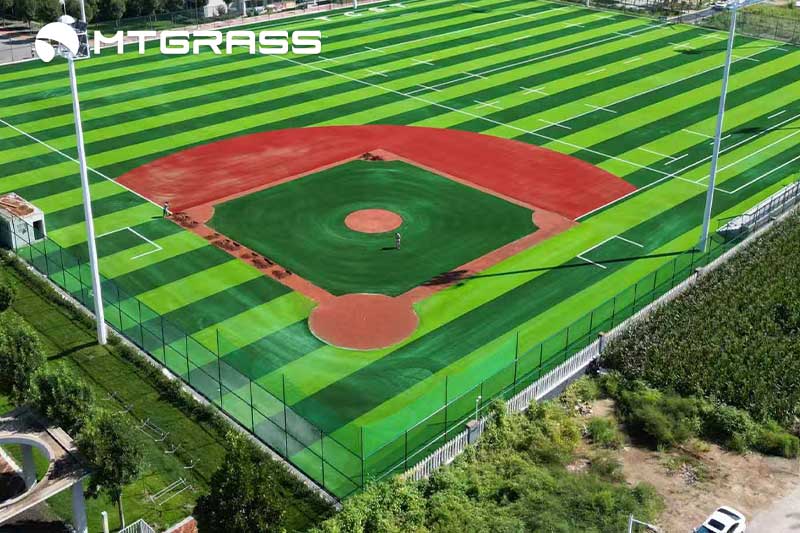
Konstgräsgräs används inte bara ofta på fotbollsplaner utan visar också stark tillväxtmoment på marknaden för basebollfält. Om man tar USA som exempel, enligt branschstatistik, har från och med 2024 cirka 12 000 till 13 000 syntetiska fält (inklusive fotboll, rugby, multifunktionella fält etc.) tagits i bruk i USA, och cirka 1 200-1 500 nya fält omvandlas till eller nybyggs med konstgräsytor varje år.
Även om MLB (Major League Baseball) som helhet fortfarande huvudsakligen använder naturgräs, enligt offentlig information under de senaste åren, finns det 5 arenor som använder konstgräs (eller delvis använder det). För samtliga 30 MLB-arenor handlar det om 16-20%. Även om konstgräs ännu inte helt har dominerat de bästa professionella fälten, framhävs dess fördelar i college / ligamiljöer med högt klimat, underhållskostnader och hög användningsfrekvens, och det har i allt högre grad blivit det föredragna valet för basebollfält markmaterial.
Den globala marknaden för konstgräs för baseboll kommer att växa med en CAGR på ~5,2% från 2025 till 2035. Mot bakgrund av denna stora marknadstrend har konstgräs som är avsedda för basebollplaner större potential, särskilt i Latinamerika, Östasien, Mellanöstern och områden med höga temperaturer, torka eller koncentrerad nederbörd. Det finns fler och fler projekt för att uppdatera naturgräs eller blandade gräsplaner till basebollplaner för konstgräs.
För basebollplanentreprenören, sportbyggaren, skoldistriktet eller idrottsdirektören är kärnfrågan som är mest bekymrad utan tvekan: Vad är den totala kostnaden för att installera konstgräs på basebollplanen? Därefter kommer den här artikeln att ta dig djupt in i uppdelningen av installationskostnaderna för basebollfält och diskutera i detalj de viktigaste faktorerna som påverkar kostnaderna.
Installation fält baseball kostnader nyckelfaktorer:
Att börja från början med att utforma en helt ny basebollgräsplan innebär att den tid och energi du spenderar är större än dina pengar. Från det förberedande arbetet med att anlita en professionell designkonsult, marktillstånd till att utfärda ett anbud, är det många länkar inblandade. Ta anläggandet av basebollplaner i amerikanska skolor som exempel. Vi antar att vi bara behöver ta hänsyn till installationskostnaden för basebollplanen, som kan delas in i materialkostnader för planen, kostnader för grundbehandling (inklusive dräneringssystem eller bevattningssystem), arbetskostnader och underhållskostnader. Här är de kostnadsfaktorer som ska beaktas för var och en:
Kostnad för basebollplanens ytmaterial
När man beräknar kostnaden för en basebollplan är valet av ytmaterial ett av de viktigaste besluten när det gäller kostnader och prestanda. Traditionellt byggdes de flesta basebollplaner med naturgräs och infields av röd lera, men under det senaste decenniet har syntetiskt basebollgräs blivit alltmer populärt bland skolor, högskolor och kommunala parker - vanligtvis står det för 35-45% av den totala fältinvesteringen. Olika typer av ytor och dräneringssystem för basebollplaner har en direkt inverkan på både prestanda och prissättning.
1. Baseballplan med naturgräs
Sammansättning:
- Ytterplan: Naturgräs (t.ex. Bermuda, Kentucky Bluegrass)
- Infield: Röd lera / krossat tegel
- Basbanor och högar: Specialiserad basebollblandning av lera
| Faktor | Detaljer |
| Genomsnittlig installationskostnad | $12-20 per kvadratmeter (ca $140.000-$240.000 för ett fält på 12.000 m²) |
| Årlig underhållskostnad | $20.000-$35.000/år (gräsklippning, bevattning, gödsling) |
| Livslängd | 5-7 år före större omläggning av ytskiktet |
| Krav på dränering | Hög (regelbunden luftning + toppdressning med sand) |
| Fördelar | - Naturligt utseende och traditionell känsla - Kallare yttemperatur - Föredras av vissa MLB-pitchers för markfriktion |
| Nackdelar | - Kräver omfattande underhåll - Väderberoende (hög risk för avbrott på grund av regn) - Ojämn yta över tid - Inte lämplig för fält med flera användningsområden |
För professionella arenor med heltidsanställda skötselteam är naturgräs fortfarande estetiskt och historiskt tilltalande. Men för skolor eller kommunala planer är skötselkostnaderna ofta oöverkomliga.
2. Infieldsystem av lera/jord
Sammansättning:
- Infield-zon helt gjord av röd lera, tegelmjöl eller sand- och lerblandning
- Kombinerat med en utomhusplan av naturgräs
| Faktor | Detaljer |
| Installationskostnad | $8-12 per kvadratmeter (ca $90.000-$130.000 per fält) |
| Underhållskostnad | $10.000-$18.000/år (återgravning, vattning, rullning) |
| Livslängd | 3-5 år före omplanering eller byte |
| Fördelar | - Traditionell basebollestetik - Förutsägbar bollstuds för infielders - Lätt att reparera små ytor |
| Nackdelar | - Problem med damm och lera efter regn - Behöver dras och vattnas dagligen - Begränsad avtappning, inställda matcher är vanliga |
| Bästa användningen | Amatörplaner eller hybridplaner med gräsmatta på utsidan |
Många skolor ersätter nu infields av lera med konstgräsplaner som efterliknar lerans färg (Clay-Red turf) - vilket ger samma utseende med mindre underhåll.
3. Konstgräs för baseboll
- Syntetiskt underlag över hela planen (PE- eller nylonplattor)
- Infill (sand + gummi / organisk / eller icke-infill 4G)
- Stötdämpare + dränerande bassystem
| Faktor | Detaljer |
| Installationskostnad | $18-30 per kvadratmeter (ca $220.000-$360.000 för ett fält på 12.000 m²) |
| Underhållskostnad | $4.000-$8.000/år (borstning, kontroll av fyllnadsmassor) |
| Livslängd | 8-12 år |
| Krav på dränering | Integrerat system; spelbart efter kraftigt regn |
| Fördelar | - Användbarhet i alla väder (inga regnavbrott) - Konsekvent studs och hastighet - Minimalt underhåll - Multisportanvändning är möjlig - Lång livslängd och snabbare ROI |
| Nackdelar | - Högre initiala investeringar - Något varmare yta på sommaren |
| Bästa användningen | Skolor, universitet, yrkesakademier, komplex med flera användningsområden |
Konstgräsplaner har vuxit med 500% i Nordamerika sedan 2015. MightyGrass återvinningsbara 4G/5G basebollgrässystem används nu i stor utsträckning på college- och semiproffsplaner för sin hållbarhet och kostnadseffektivitet.
Kostnader och prestanda för konstgräs
| Parameter | Naturligt gräs | Lera / jord Infield | Konstgräs |
| Initialkostnad (per m²) | $12-20 | $8-12 | $18-30 |
| Hela fältet (12.000 m²) | $140K-$240K | $90K-$130K | $220K-$360K |
| Årligt underhåll | $20K-$35K | $10K-$18K | $4K-$8K |
| Användbarhet efter regn | Dålig | Dålig | Utmärkt |
| Yta Livslängd | 5-7 år | 3-5 år | 8-12 år |
| Ball Bounce Konsekvens | Måttlig | Bra (endast på innerplan) | Utmärkt |
| Spelarens säkerhet | Bra | Variabel | Mycket bra |
| Kompatibilitet med flera sporter | Begränsad | Ingen | Hög |
| Långsiktig ROI (10 år) | ★★ | ★ | ★★★★★ |
| Miljöpåverkan | Hög vatten- och gödningsmedelsanvändning | Dammföroreningar | Återvinningsbar, låg vattenförbrukning |
För entreprenörer och anläggningsägare är den långsiktiga Förhållande mellan kostnad och prestanda tydligt gynnar syntetiska basebollgräs - särskilt i projekt för skolor, högskolor och kommunala parker.
Medan naturgräs och lera erbjuder traditionell estetik, är basebollplan med konstgräs ger oöverträffad hållbarhet, konsekvent spelbarhet och minimalt underhåll i alla klimat.
Grundläggande byggkostnad
De baskonstruktion utgör den strukturella grunden för varje basebollplan. Det avgör hur väl ytan dräneras, hur plan spelytan förblir över tid och hur länge planen håller innan en större renovering. Olika material för planens yta-Naturligt gräs, lera, och konstgräs-kräver mycket olika baskonstruktioner, djup och material.
Grundläggande konstruktionskrav
| Typ av yta | Typisk basstruktur | Djup | Genomsnittlig kostnad (per m²) | Viktiga anmärkningar |
| Naturgräsplan | Matjord + sandblandning över kompakterad inhemsk jord | 150-200 mm | $5-8 | Behöver näringsrikt lager för rötter; kompaktering och lutning kritiskt |
| Lera / jord Infield | Graderad lermix + stabilisering av underlaget | 120-150 mm | $4-6 | Kräver exakt utjämning för att förhindra pölar; frekvent omplanering |
| Konstgräsplan | Bas av krossad sten + geotextil + betongkantsten | 200-300 mm | $6-10 | Måste vara helt i nivå med integrerad dränering; engångskonstruktion |
Insikt: Konstgräsplaner kräver en tätare och tjockare underbyggnadeftersom det inte finns någon jord eller rotstruktur för att stabilisera ytan. Men när den väl är installerad kan denna grund hålla 20+ årvilket avsevärt minskar livscykelkostnaden.
Arbetskostnad
Installationsarbetet varierar kraftigt beroende på typ av yta och hur komplicerat grundarbetet är.
| Typ av yta | Steg för installation | Avg. Arbetstimmar (per 1.000 m²) | Typisk kostnad (per m²) | Total projekttid | Komplexitet |
| Naturligt gräs | Planering → Bevattning → Läggning av gräs → Rullning | 180-220 | $4-6 | 30-45 dagar + 3 månaders tillväxt | Medium |
| Lera/smuts | Schaktning → Lera → Komprimering → Ingjutning | 120-160 | $3-5 | 20-30 dagar | Låg |
| Konstgräs | Förberedelse av underlag → Läggning av gräs → Fogning → Fyllning → Skötsel | 250-300 | $5-8 | 25-40 dagar | Hög precision krävs |
Observation:
Krav på installation av konstgräs mer kvalificerad arbetskraft och precisionsärskilt när det gäller limning av sömmar, lutningstolerans (<0,5%) och fyllningens enhetlighet. Dock är dess engångsinstallation eliminerar behovet av årlig utjämning, omläggning av grässvålen eller bevattning som naturliga fält kräver.
Kostnad för tillbehör och förnödenheter
Utöver det huvudsakliga gräs- och underlagssystemet bidrar flera extramaterial till den totala kostnaden. Dessa poster skiljer sig åt mellan olika typer av planer och har en direkt inverkan på den långsiktiga hållbarheten.
| Kategori | Naturligt gräs | Lera/smuts | Konstgräs |
| Bevattningssystem | Krävs | Valfritt | Inte nödvändigt |
| Kantstöd / kantstenar | $3-5/m | $2-3/m | $5-7/m (med betongkantsten) |
| Fältmarkering / linjer | Färg ($2K/år) | Kalk ($500/år) | Inlagda gräsmattelinjer (engångsbelopp $5K-10K) |
| Stängsel & basankare | Liknande mellan olika typer | Liknande | Liknande |
| Lim och skarvtejp | N/A | N/A | $1-2/m² |
| Stötdämpare (tillval) | N/A | N/A | $2-3/m² |
Expertinsikt: Konstgrässystem fördyrar kostnaderna genom tillbehör (kantlister, lim, sömnadsmaterial), men dessa är engångsinvesteringar som kan hålla genom två livscykler för gräsmattor.
Underhållskostnad
Underhåll är det område där konstgräsplaner har sin största kostnadsfördel jämfört med natur- och lerbaserade system. Nedan följer en detaljerad jämförelse av kostnadsprognoser för 10 år.
| Kostnadskategori | Naturligt gräs | Lera/jordfält | Konstgräs |
| Årligt arbete (klippning/rullning) | $8K-12K | $4K-6K | $1K-2K |
| Bevattning / Irrigation | $5K-8K | $1K | — |
| Gödselmedel / Jordbearbetning | $2K-3K | — | — |
| Omblandning / luftning | $3K-4K | $2K-3K | — |
| Infill / borstning Underhåll | — | — | $500-1K |
| Genomsnittlig årlig kostnad | $20K-30K | $8K-12K | $3K-6K |
| Total underhållskostnad på 10 år | $200K-300K | $90K-120K | $30K-60K |
Exempel: En typisk basebollplan för en gymnasieskola sparar cirka $150,000–$200,000 i underhåll under 10 år efter bytet till ett konstgrässystem - tillräckligt för att kompensera för större delen av den ursprungliga installationskostnaden.
Jämförelse av bygg- och underhållskostnader
| Kategori | Naturligt gräs | Lera/smuts | Konstgräs |
| Baskonstruktion | $5-8/m². | $4-6/m² | $6-10/m² |
| Dräneringssystem | $3-5/m² | $2-3/m² | $4-6/m² |
| Installationsarbete | $4-6/m² | $3-5/m² | $5-8/m². |
| Tillbehör & förnödenheter | $3-5/m² | $2-3/m² | $4-7/m². |
| Årligt underhåll | $20K-30K | $8K-12K | $3K-6K |
| 10-årig ägandekostnad (uppskattad) | $400K-550K | $250K-350K | $260K-380K |
Professionell slutsats: Även om basebollplaner av konstgräs har en högre initial installationskostnad, deras basens hållbarhet, överlägsen dränering, och lågt underhåll resultera i Lägsta livscykelkostnad. För entreprenörer och fastighetsförvaltare innebär detta konstgräs den mest kostnadseffektiva långsiktiga investeringen - särskilt för skolor, högskolor och kommunala anläggningar där driftstopp och väderstörningar direkt påverkar användbarheten.
Hur man väljer en professionell basebollfältsbyggare och tillverkare av gräsmattor
Att bygga en basebollplan - särskilt en som använder konstgräs-är en långsiktig investering som påverkar prestationer, säkerhet och skolans rykte. Oavsett om du är idrottsledare på ett universitet, fastighetsförvaltare för en skola eller en entreprenör, är det viktigt att välja rätt byggare av basebollplan och tillverkare av basebollgräsmatta kan göra skillnaden mellan ett fält som håller i 10 år och ett som går sönder efter 2 år.
Här är vad du bör titta efter när du väljer en professionell partner.
Dokumenterad erfarenhet av byggande av basebollplaner
En pålitlig byggföretag för basebollplan bör ha en portfölj med slutförda projekt, helst inklusive:
- Basebollplaner för gymnasieskolor och college
- Turfkomplex för multisport
- Träningsanläggningar inomhus
Begär projektreferenser, CAD-ritningar och dräneringslayouter från tidigare installationer.
MightyGrass har levererat över 200+ system för utformning av idrottsplatser världen över - inklusive baseboll-, softboll- och fotbollsplaner - och levererar nyckelfärdig kundanpassad design, materialförsörjning och teknisk övervakning för internationella entreprenörer.
Teknisk kapacitet för grund- och dräneringssystem
Ett riktigt proffs lägger inte bara gräs - de konstruera grunden. Leta efter byggare som förstår:
- Jordprovning och planering
- Utformning av dräneringsslänter (0,5-1%)
- Komprimeringsstandarder för gruslager (≥95%)
- Installationsmetoder för geotextil och kantsten
Dricks: Skolor förbiser ofta dräneringen. En dålig dräneringsdesign kommer att fördubbla dina underhållskostnader i framtiden.
Som exempel kan nämnas följande: På grund av den orimliga utformningen av dräneringssystemet för en basebollplan i USA samlades vatten på planen året runt när den användes, vilket gjorde den obrukbar och krävde ytterligare reparation och återuppbyggnad, vilket ledde till irreparabla förluster.
MightyGrass arbetar direkt med arkitekter och ingenjörer för att tillhandahålla kundanpassade basritningar, rekommendationer för lutning, och materialtvärsnitt anpassat till lokala klimat - vilket garanterar stabil prestanda i mer än 10 år.
Tillverkare med Certified Baseball Turf Systems
Din tillverkare av konstgräs bör erbjuda:
- ASTM- och FIFA-certifieringar
- Beprövade tester av fiberhållbarhet (UV, Gmax, dräneringshastighet)
- Infield- och outfield-specifika gräsmodeller
- Icke återfyllnads- och återvinningsbara alternativ (för hållbarhet)
Varför det är viktigt: Certifieringen säkerställer jämn bollhastighet, säkert glidmotstånd och spelarkomfort - avgörande för tävlingsnivåer på skolor och college.
MightyGrass Baseball Turf-serie ingår:
- MT-Infield Clay Red Turf (35 mm) - lågstaplig, tät yta för snabbt spel på innerplan.
- MT-Outfield grönt gräs (45-50 mm) - monofilament PE-fibrer för realistisk bollstuds.
- MT-5G System för återvinningsbart gräs - helt miljövänlig, inget avfall, långvarig hållbarhet.
- MT-4G Gräs som inte är utfyllnad - snabbare installation, inga gummigranulat, perfekt för skolor.
Varje produkt levereras med fullständig Dokumentation från ASTM, SGS och FIFAvilket gör det enkelt att lämna anbud och få godkännande för offentliga projekt.
Teknisk support från början till slut
En professionell basebollplanbyggare säljer inte bara gräsmattor - de tillhandahåller löpande vägledning före, under och efter byggnationen:
- CAD-ritningar för layoutplanering och dränering
- Övervakning av installation på plats eller via video
- Riktlinjer för skarvning av gräsmatta och fyllning
- Borstning efter installation och utbildning i underhåll
För skolor och idrottsavdelningar: Leta efter en leverantör av gräsmattor som tillhandahåller utbildnings- och underhållsmanualer för anläggningens personal.
MightyGrass erbjuder en komplett nyckelfärdig tjänst-från fältdesign → produktion av gräs → frakt → teknisk support → inspektion efter försäljningoch säkerställa ett smidigt genomförande och kvalitetssäkring av varje projekt.
Global leveransförmåga och lokal logistik
Den bästa tillverkaren av gräsmattor bör garantera snabb leverans och regional support. MightyGrass är verksamt:
- Två stora produktionsbaser (Kina & Saudiarabien)
- USA-lager i Kalifornien för lokal distribution (1.500 sq.ft per rulle)
- Servicecenter utomlands i Nordamerika, MENA och LATAM
Denna modell med dubbla leveranskedjor förkortar ledtiden, minskar logistikkostnaderna och möjliggör snabba leveranser till skolrenoveringsprojekt med strikta tidsramar.
Transparent garanti och service efter försäljning
Ansedda tillverkare av basebollgräsmattor tillhandahåller:
- Klar 8-10 års produktgaranti
- Teknisk inspektion på begäran
- Tillgång till underhållsverktyg och reservdelar
Exempel: MightyGrass garanterar långsiktigt stöd - även efter överlämnandet av projektet - med valfria årliga kontroller av ytans prestanda (Gmax-, dränerings- och fiberslitagetester).
Professionell vs. icke-professionell basebollgräsplanbyggare
| Kriterier | Professionell byggare | Icke-professionell byggare |
| Projektdesign | Tillhandahåller CAD- och dräneringsritningar | Endast grundoffert |
| Certifiering | ASTM / FIFA-certifierad gräsmatta | Overifierat material |
| Stöd för installation | Utbildning på plats eller på distans | Inget stöd |
| Leveranstid | 3-4 veckor | Oförutsägbar |
| Garanti | 8-10 år | 2-3 år eller inget |
| Riktlinjer för underhåll | Ingår | Uppgift saknas |
| Långsiktig ROI | Hög | Låg (frekventa reparationer) |
Professionell insikt
En välkvalificerad tillverkare av basebollgräsmatta och erfaren fältbyggare säkerställa att din plan förblir spelbar, säker och visuellt tilltalande i ett decennium eller mer. Kombinationen av konstruerad dränering, certifierad gräsmatta, och expertinstallation sparar inte bara pengar - utan även tid, anseende och långsiktig tillförlitlighet.
Varför skolor väljer MightyGrass för gräsmattor till basebollplaner
- Fabriksdirekt prissättning - Spara 20-30% genom att köpa direkt från tillverkaren.
- Certifierad kvalitet - FIFA-, ASTM-, SGS- och ISO-verifierad för sportsäkerhet och prestanda
- Anpassad design - Dubbelfärgsystem med lera-röd + fält-grön för realistiskt baseballspel.
- Låg MOQ & snabb leverans - Från 1.100 m² och uppåt; lager i USA för snabb leverans.
- Nyckelfärdigt stöd - CAD-design, dräneringslayout, installationsguide, service efter försäljning.
- Eco Innovation - Återvinningsbara 5G Turf & Non-Infill 4G-system för hållbara campus.
Från design till leverans, MightyGrass är din pålitliga fabrikspartner för anläggning av basebollplaner med konstgräs - och hjälper skolor, universitet och entreprenörer att bygga säkrare, smartare och mer kostnadseffektiva idrottsplatser.
Hur mycket kostar det att anlägga en gräsmatta på en basebollplan?
Generellt, A basebollplan med konstgräs i standardstorlek (runt 12,000 m²) kostnader mellan $220,000 och $360,000beroende på gräsmattans nivå och dräneringens utformning.
A naturgräs och grusplan är billigare att bygga initialt, men kräver $20.000-30.000 per år i underhåll, bevattning och arbete, vilket snabbt uppväger besparingarna.
A syntetiskt basebollgrässystem ger den bästa långsiktiga avkastningen på investeringen: användbarhet i alla väder, mindre underhåll och en livslängd på 8-12 år.
Oavsett om du är skolområdesavdelning eller lokal utbildningsstyrelse / distriktsstyrelse eller sportbyggnadsföretag måste du förstå alla viktiga faktorer som påverkar kostnaden, hur man kontrollerar kostnaderna, hur man väljer material, projektcykel, produktcertifiering och godkännandestandarder, byggnadsdetaljer etc. för att maximera användningen av budgeten och göra den totala effekten av arenan bättre.
Kontakta MightyGrass idag för att få din baseballgräsplan offert - Fabriksdirekt, FIFA-certifierad, levereras över hela världen.
Frågor och svar om basebollgräsplan
Vilken bas ska man använda för konstgräs?
För en professionell gräsplan för baseboll, använd en flerskiktat krossat stenfundament med:
- 150-200 mm av packat grus
- Geotextilväv för stabilitet
- Dräneringsrör av PVC under
Detta säkerställer ett korrekt vattenflöde och en jämn yta.
MightyGrass tillhandahåller CAD-ritningar och konstruktioner för dräneringsslänter för varje projekt, vilket garanterar en livslängd på över 10 år.
Hur använder man konstgräs för basebollplaner?
Välj olika typer av gräsmattor för varje område:
- Infield: lerrött gräs med korta pålar (30-35 mm) och täta sömmar för jämn bollstuds.
- Ytterfält: Gröna PE-monofilamentgräs med högre lugg (45-50 mm) för realistisk studs.
MightyGrass erbjuder en basebollgrässystem med dubbla färger kombinerar båda - Clay Red + Field Green - anpassad för skol- och yrkesområden.
Vilka basebollstadion har konstgräs?
Flera stora arenor har antagit syntetiskt basebollgräs, inklusive:
- Rogers Centre (Toronto Blue Jays, MLB)
- Tropicana Field (Tampa Bay Rays, MLB)
- Globe Life Field (Texas Rangers, MLB)
- Tokyo Dome (Japan)
- Doosan Bears Stadium (Korea)
Mer än 70% av NCAA Division I college nu använda basebollplaner med konstgräsvilket visar på ett globalt skifte mot underhållsfria spel i alla väder.
Hur ställer man in konstgräs?
- Komprimera och jämna till underlaget
- Lägg geotextil och dräneringsnät
- Rulla ut torvrullar och rikta in riktningen
- Limma och skarva med turftejp
- Spridning kiselsand + gummifyllning jämnt
- Borsta fibrerna upprätt med en groomingmaskin
MightyGrass erbjuder installationsvägledning på plats eller via video för entreprenörer och skolor över hela världen.
Hur gör man en bas för konstgräs?
Skapa en dränerbar och stabil grund:
- 100-150 mm krossad sten (5-20 mm ballast)
- Underlag av geotextil
- Lutning för dränering (0,5-1%)
- Stötdämpare som tillval för spelarens säkerhet
Kostnad: $5-8/m²., beroende på material.
MightyGrass basebollgrässystem är konstruerade för en dräneringskapacitet på 500-800 mm/h - spelbart inom 30 minuter efter kraftigt regn.
Hur man installerar konstgräs på en basebollplan?
Installationen följer fem viktiga steg:
| Steg | Beskrivning |
| 1. Design och layout | CAD-ritningar, slänt- och dräneringsdesign av MightyGrass. |
| 2. Förberedelse av bas | Grundläggning, packning och kantsten av krossad sten. |
| 3. Installation av gräsmatta | Rullinriktning, falsning och applicering av lim. |
| 4. Infill-tillämpning | Lägg till sand + gummi (eller använd 4G-system utan fyllning). |
| 5. Slutlig putsning | Borsta fibrerna upprätt och testa bollresponsen. |
Byggtid:
- Utbildningsområde: 10-15 dagar
- Baseballplan i full storlek: 25-30 dagar
MightyGrass 4G-system för gräsmattor utan återfyllnad förenklar installationen - inga gummigranulat, snabbare installation och inga problem med underhållsfyllning.


