
 Svenska
  English
  العربية
  Español
  Deutsch
  Français
  Português
  Русский
  日本語
日本語  Italiano
  Nederlands
  Suomi
Suomi  ไทย
ไทย  Dansk
Dansk  Ελληνικά
  Bahasa Melayu
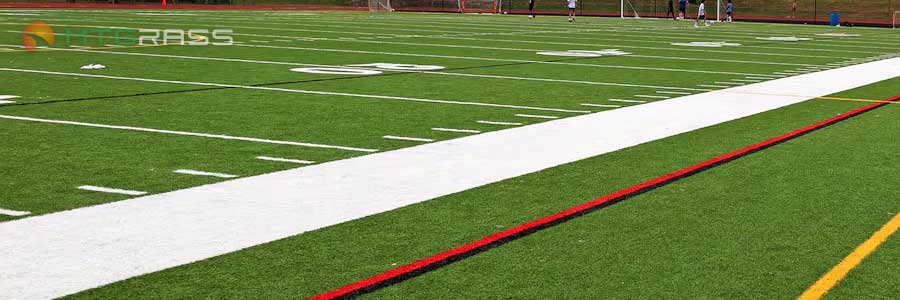
Fotbollsplaner med konstgräs har blivit det mest populära valet vid byggandet av moderna fotbollsplaner – de är hållbara, kräver lite underhåll och ger en jämn spelkvalitet. De håller i många år, kräver mindre skötsel än naturgräs och erbjuder spel av högsta kvalitet på fotbollsplaner i alla storlekar.
Men när kunderna börjar planera en konstgräsplan är den första frågan de ofta ställer: ”Hur mycket kostar en fotbollsplan med konstgräs?”
Den totala kostnaden för en fotbollsplan med konstgräs ligger mellan $100 000 och $700 000, och beror på några huvudfaktorer: gräsmaterial, planens storlek, installationskostnader, fyllnadsmaterial, underhåll samt regionala prisskillnader. I den här guiden går vi igenom varje faktor i detalj och ger tips som hjälper dig att hålla kostnaderna under kontroll utan att kompromissa med kvaliteten.
Viktiga faktorer som påverkar kostnaderna för fotbollsplaner med konstgräs
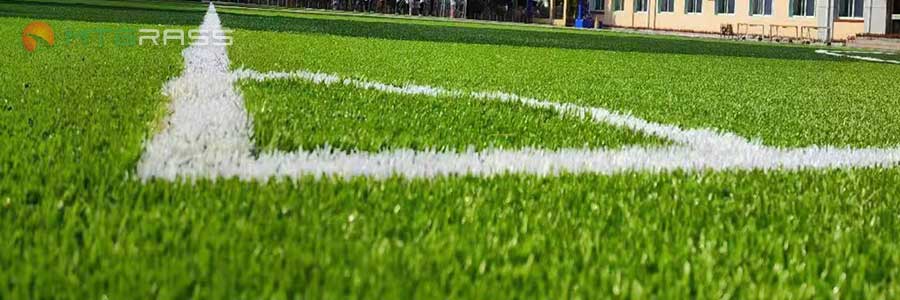
1. Val av gräsmattematerial
Kvaliteten på ditt konstgräs påverkar direkt både kostnaden och livslängden. Olika spelmiljöer kräver olika grässpecifikationer, så ditt val bör baseras på planens syfte, budget och målgrupp. Låt oss titta på rekommendationer för olika typer av fotbollsplaner – från proffsklubbar till skolor och allmänna planer.
1) För professionella fotbollsklubbar
För kommersiella klubbar handlar valet av konstgräs om mer än bara funktionalitet – det påverkar även spelarnas upplevelse och den långsiktiga avkastningen på investeringen. Eftersom kommersiella klubbar ofta arrangerar matcher och träningar med jämna mellanrum måste konstgräset vara mycket slitstarkt, bekvämt och tåla intensiv användning.
Tips för valet:
- FIFA-certifierad gräsmatta: Uppfyller de högsta globala standarderna för professionella matcher och träning. Har utmärkt elasticitet, hållbarhet och halkskydd – vilket minskar risken för skador.
- Material: Välj en förstklassig blandning av polyeten (PE) och polypropen (PP) för maximal hållbarhet och komfort.
- Infill: Gummigranulat är det bästa valet här för extra dämpning och spelarnas komfort.
Rekommenderad produkt:
- FIFA-MT-Diamond-50 fotbollsmatta — Utvecklad för kommersiella anläggningar och arenor med höga krav, FIFA-certifierad, med hög slitstyrka, god elasticitet och hög komfort för att minska risken för idrottsskador.
2) För skolornas fotbollsplaner
Skolornas planer används främst för idrottslektioner och interna matcher, så valet av konstgräs måste ta hänsyn till både budget och livslängd. Även om kraven inte är lika stränga som för professionella klubbar måste konstgräset ändå vara säkert och bekvämt.
Tips för valet:
- Prisvärd konstgräsmatta: Perfekt för mindre eller medelstora planer med måttlig användning.
- Material: Hög densitet PE-gräsmatta — mer hållbara och tåliga än billigare alternativ.
- Infill: Sandfyllning är mer kostnadseffektivt men ger sämre dämpning än gummi.
Rekommenderad produkt:
- MT-HTUbäst — Speciellt utformade för skolor, med god komfort och hållbarhet för både lektioner och matcher.
3) För offentliga fotbollsplaner (offentliga projekt)
Offentliga spelplaner, som finansieras genom statliga anslag, måste tåla frekvent användning av allmänheten, kräva minimalt underhåll och ha lång livslängd.
Tips för valet:
- Gräsmattor i mellan- till högprissegmentet: Skapar en bra balans mellan prestanda och budget.
- Material: A Blandning av PE och PP för hållbarhet och bred användbarhet.
- Infill: Sand eller en liten mängd gummigranulat för att hålla nere underhållskostnaderna.
Rekommenderad produkt:
- MT-HTMaxi — Utformad för offentliga utrymmen med hög hållbarhet och lägre underhållskostnader på lång sikt.
4) För entreprenörer inom idrottsplatsbyggande
Entreprenörerna anlägger olika typer av planer åt olika kunder, vilket innebär att valet av gräsmattor måste vara flexibelt och skräddarsytt.
Tips för valet:
- Erbjud båda budgetgräs för planer med färre spelare och FIFA-certifierat konstgräs av högsta kvalitet för fullstora planer.
- Valet av material beror på användningsområdet — PP för högintensiv, PE för bekvämlighetens skull.
- Gummifyllning är bäst för professionella planer i full storlek.
2. Planens storlek och gräsmängd
Planens storlek avgör direkt hur mycket gräs som behövs, vilket är en viktig del av kostnad för installation av fotbollsgräsmatta.
| Typ av fält | Standardstorlek | Rekommenderad mängd gräsmatta |
| 5-a-side | 25 m × 16 m (400 m²) | 420–440 m² |
| 7-a-side | 40 m × 20 m (800 m²) | 840–880 m² |
| 11-a-side | 105 m × 68 m (7 140 m²) | 7 500–7 900 m² |
Riktlinjer för inköp av gräsmattor:
- Noggrann storleksberäkning: Se till att fältets faktiska längd och bredd beräknas exakt.
- Extra mängd: Ta hänsyn till eventuellt spill av gräsmatta till följd av tillskärning, sammanfogning, kantklippning och framtida reparationsbehov genom att köpa in ytterligare 5–10% gräsmatta.
- Val av grästyp: Välj gräs utifrån hur intensivt planen används. FIFA-certifierat konstgräs passar bäst för planer på professionell nivå, medan gräs i ekonomiklass fungerar bra för mindre planer eller planer med medelhög användningsintensitet, såsom planer för 5-a-side och 7-a-side.
Dricks: Lägg alltid till 5–10% extra gräsmatta för att täcka upp för klippavfall, kanter och framtida reparationer.

3. Installations- och byggkostnader
Förutom gräsmattematerial, kostnader för installation av konstgräs Detta omfattar markförberedelser, anläggning av dräneringssystem, gräsmatteläggning samt valfria tillval som stängsel och belysning. Arbetskostnaderna varierar avsevärt mellan olika regioner.
Dessa uppgifter kräver ett kompetent team av experter, eftersom byggkvaliteten direkt påverkar gräsmattans livslängd och spelarnas säkerhet.
Nedan följer en uppskattning av Kostnad för installation av fotbollsplan med konstgräs fördelning, baserad på internationella standarder och justerad för att återspegla arbetskraftskostnaderna i olika regioner världen över. Beräkningarna tar hänsyn till både direkta (synliga) kostnader och indirekta (dolda) kostnader, liksom regionala skillnader i globala arbetskostnader.
Uppskattade totala installationskostnader (USD):
| Typ av fält | Direkta kostnader | Dolda kostnader | Totalt (uppskattat) |
| 5-a-side | $5 500–$9 000 | $1 000–$2 000 | $6 500–$11 000 |
| 7-a-side | $9 000–$18 000 | $1 500–$3 000 | $10 500–$21 000 |
| 11-a-side | $58 000–$114 000 | $2 500–$5 500 | $60 500–$119 500 |
Översikt över beräkning av arbetskraftskostnader
- Direkta (synliga) kostnader: Ange alla direkta kostnader i samband med anläggningen, såsom material till konstgräsmattan, markberedning, installation av dräneringssystem, läggning av konstgräs, fyllnadsmaterial samt ytterligare anläggningsutrustning (t.ex. stängsel och belysning).
- Indirekta (dolda) kostnader: Täcka extra kostnader som uppstår till följd av oförutsedda omständigheter, såsom förseningar i materialleveranser, extrema väderförhållanden eller omarbetningar.
- Globala variationer i arbetskraftskostnader: Arbetskraftskostnaderna varierar avsevärt mellan olika regioner (t.ex. Kina, Saudiarabien, USA och Europa). Vanligtvis är arbetskraftskostnaderna lägre i Asien och Mellanöstern, medan de är högre i Nordamerika och Europa.
4. Kostnader för fyllnadsmaterial
Många system för konstgräs kräver fyllnadsmaterial såsom sand eller gummigranulat för att förbättra gräsmattans stabilitet och spelarnas komfort. Kostnaden för olika fyllnadsmaterial varierar, och varje material har en betydande inverkan på planens prestanda. Gummigranulat är till exempel i allmänhet dyrare, men erbjuder överlägsen elasticitet och dämpning, vilket gör dem idealiska för idrottsplaner där man utövar högintensiva sporter.
I läggning av konstgräs, fyllnadsmaterialet spelar en avgörande roll för att förbättra gräsmattans prestanda – särskilt på fotbollsplaner. Enligt FIFA:s standarder förbättrar rätt fyllnadsmaterial stabiliteten, komforten och hållbarheten samtidigt som det garanterar spelarnas säkerhet.
Vanliga typer av fyllnadsmaterial är bland annat:
- Sand (kvartssand) — det mest prisvärda alternativet, lämpligt för verksamheter med låg intensitet.
- Gummigranulat — bättre elasticitet, perfekt för tävlingsspel.
- EPDM-granulat — ett förstklassigt alternativ för idrottsplaner av internationell tävlingsklass.
- Blandad bebyggelse — kombinerar sandens stabilitet med gummets dämpning.
Översikt över kostnader för infill:
| Typ av infill | Mängd/m² | Pris/ton (USD) | Kostnad/m² (USD) | Bäst för |
| Sand | 10–15 kg | $40–$70 | $0,40–$1,05 | 5 mot 7 (7-a-side) |
| Gummi | 15–20 kg | $200–$500 | $3–$10 | 11-a-side |
| EPDM | 15–20 kg | $800–$1 200 | $12–$24 | Proffsnivå |
| Blandat | 12–18 kg | $80–$250 | $2–$7 | Träningsplaner |
Enligt FIFA:s regler:
- FIFA-certifierat fotbollsgräs: Valet av fyllnadsmaterial måste uppfylla kraven på gräsmattans prestanda, komfort och säkerhet.
- Material för utfyllnad: FIFA rekommenderar uttryckligen att man använder gummigranulat som fyllnadsmaterial, eftersom det ger bättre elasticitet och dämpning. Sand används oftast som fyllnadsmaterial på planer där intensiteten är lägre, till exempel på små planer eller vid informella matcher.
- Genom att välja rätt fyllnadsmaterial kan du se till att fotbollsplan med konstgräs uppfyller internationella prestationsstandarder och erbjuder spelarna den bästa möjliga match- och träningsupplevelsen.
5. Underhållskostnader
Även om konstgräs kräver mindre skötsel än naturgräs är det viktigt att underhålla det regelbundet. Arbetet omfattar bland annat att rensa bort skräp, reparera skadat gräs och underhålla dräneringssystemen. Att välja konstgräs av hög kvalitet från en pålitlig leverantör av konstgräs Att välja en produkt som MightyGrass och se till att installationen utförs av fackfolk kan avsevärt minska underhållskostnaderna på lång sikt.
Så här beräknar du kostnaden för en fotbollsplan med konstgräs
- Välj rätt gräsmatta — Anpassa grästypen efter planens användningsområde och budget.
- Bestäm tonhöjden exakt — Undvik att välja för stor storlek för att minska kostnaderna för gräsmattan.
- Planera installationen noggrant — Använd erfarna team för att undvika kostsamt omarbete.
- Välj ett kostnadseffektivt fyllnadsmaterial — Sand för mindre lokala planer, gummi för spel på proffsnivå.
- Underhåll regelbundet — Små, regelbundna underhållsåtgärder är billigare än större reparationer.
Slutsats
Att bygga en fotbollsplan med konstgräs är en betydande investering, men med smart planering kan du maximera både kvalitet och värde.
- Högkvalitativt FIFA-certifierat fotbollsgräs är bäst för spel på professionell nivå.
- Prisvärd konstgräsmatta fungerar bra för skolor och små idrottsplaner i lokalsamhället.
- Samarbeta med en erfaren leverantör av konstgräs som MightyGrass för att säkerställa en kvalitativ installation och kundservice.
Få en kostnadsfri offert på ditt projekt
Funderar du på en ny fotbollsplan? Kontakta MightyGrass idag för en Anläggningsplan för specialanpassat konstgräs anpassat efter din budget, plats och ytans storlek. Vårt team hjälper dig att välja rätt konstgräs, beräkna exakta mängder och sköta installationen från början till slut – så att du får det bästa kostnad för installation av fotbollsgräsmatta och långvarig prestanda.
FAQ
Konstgräs eller naturgräs: Vilket är billigast?
Om man ser till den totala kostnaden på lång sikt är konstgräs mer kostnadseffektivt än naturgräs av flera skäl:
Livslängd och användbarhet: Konstgräs kan användas året runt utan avbrott, medan naturgräs kräver avbrott för att återhämta sig.
Skillnader i underhållskostnader: Naturgräs kräver regelbunden klippning, vattning, gödsling och skadedjursbekämpning, medan konstgräs endast behöver rengöras och fyllas på då och då.
Långsiktiga ekonomiska fördelar: För anläggningar med hög användningsfrekvens, såsom skolor eller idrottsklubbar, kan konstgräs sänka kostnaden per timme för spel med över 50%. Många projekt har en återbetalningstid på 3–5 år, jämfört med 6–13 år för naturgräs.
Vilka faktorer påverkar kostnaden för en fotbollsplan med konstgräs?
Kvalitet på gräsmattan: Högkvalitativa material, dämpningslager och anpassade tryck (till exempel laglogotyper) kan höja kostnaden.
Infrastruktur: Om det redan finns ett stabilt underlag kan man spara pengar genom att lägga gräsmattan senare.
Storlek och utformning: En standardfriidrottsbana är cirka 80 000 kvadratfot stor, och kostnaden för ett säkerhetsområde runt banan bör också tas med i beräkningen.
Regionala skillnader: Arbets- och transportkostnaderna är högre i stadsområden; klimatförhållandena påverkar också kostnaderna för utformningen av avloppssystemet.
Övriga faciliteter: Att lägga till LED-belysning, trottoarer, spår m.m. kommer också att öka budgeten.
Hur lång tid tar det att anlägga en fotbollsplan med konstgräs?
Från start till färdigställande tar det vanligtvis cirka 60 dagar (2 månader), men detta kan variera beroende på vädret i området och byggnadens komplexitet.
Hur fördelas finansieringen för de olika faserna i anläggningen av en fotbollsplan med konstgräs?
Inledande fas: Grundläggning, materialinköp, byggnation och installation, anpassning av mönster m.m.
Halvårsrapport: Regelbundet underhåll (rengöring, återfyllning, desinfektion och reparationer).
Senare skede: Kostnader för rivning och avfallshantering.
Du kan också överväga att hyra ut anläggningen för att öka intäkterna och påskynda kostnadstäckningen.


