Svenska
  English
  العربية
  Español
  Deutsch
  Français
  Português
  Русский
  日本語
日本語  Italiano
  Nederlands
  Suomi
Suomi  ไทย
ไทย  Dansk
Dansk  Ελληνικά
  Bahasa Melayu

Konstgräs blir en alltmer populär lösning för landskapsarkitektur i hela Kanada. Långa vintrar, frys- och töcykler, kraftiga regn i kustregioner och stigande vatten- och underhållskostnader gör det svårt och dyrt att underhålla naturliga gräsmattor året runt. Som ett resultat av detta söker fler husägare efter tydliga svar på en nyckelfråga: hur mycket kostar konstgräs i Kanada?
Utmaningen är att priserna på konstgräs varierar kraftigt. Faktorer som gräsets kvalitet, installationsförhållanden, dräneringskrav och regionala arbetskostnader påverkar alla det slutliga priset per kvadratmeter. I den här guiden får du en tydlig, Kanada-specifik uppdelning av kostnader för konstgräs och de faktorer som påverkar prissättningen. Vi hoppas att detta hjälper dig att vara förberedd när du begär en offert.
Konstgräs Kostnadsfördelning: Vad påverkar priset?
Gräsets kvalitet och typ av garn
Den största faktorn i kostnaden för konstgräs är kvaliteten på gräsmaterialet.
Konstgräs tillverkas vanligtvis av polyeten- (PE), polypropylen- (PP) eller nylongarn. Baserat på MightyGrass mångåriga erfarenhet av bostads- Landskapsarkitektur och Sport på fotbollsplaner i hela Kanada är PE-konstgräs det vanligaste valet på grund av dess balans mellan mjukhet, hållbarhet och väderbeständighet. Konstgräs av hög kvalitet har vanligtvis följande egenskaper:
- Tätare sömmar och tyngre ytvikt för bättre hållbarhet
- UV-stabiliserade garner för att förhindra blekning under stark sommarsol
- Starkare baksida i flera lager utformad för att klara frys- och upptiningscykler
- Konstgräs med antibakteriella, antimögel- och antistatiska egenskaper hämmar effektivt tillväxten av bakterier och mögel, vilket minskar lukt och säkerhetsrisker, samtidigt som det minimerar uppbyggnaden av statisk elektricitet, vilket förbättrar komfort och renlighet.
Billigare konstgräs kan se acceptabelt ut till en början men slits ofta snabbare i områden med hög trafik eller hårt klimat. Premiumkonstgräs kostar däremot mer på förhand men behåller sitt utseende och sin prestanda under många år, vilket är särskilt viktigt i regioner med extrema årstidsväxlingar.
Installationssvårigheter och platsförhållanden
Installationskostnaderna kan variera lika mycket som materialpriserna, beroende på din fastighet.
Faktorer som ökar arbetskraftskostnaderna inkluderar:
- Begränsad tillgänglighet (trappor, smala gångar eller inhägnade gårdar)
- Lutande eller ojämn mark
- Oregelbundna former på gräsmattan som kräver mer skärning och montering
- Borttagning av befintlig torv, jord eller skräp
En platt, öppen bakgård är vanligtvis snabbare och billigare att installera än ett komplext landskap med flera höjdskillnader. I Kanada återspeglar arbetspriserna ofta både platsens svårighetsgrad och den tid som krävs för att förbereda den korrekt.
Förberedelse av underlag och dräneringskrav
Korrekt förberedelse av underlaget är avgörande för konstgräsets prestanda - särskilt i kanadensiskt klimat. De flesta installationer kräver:
- En packad bas av krossad sten (vanligtvis 2-3 tum tjock)
- Ogräsbarriärer för att förhindra tillväxt under gräsmattan
- Överväganden om dränering, särskilt i områden med hög nederbörd eller lerjord
- Underlaget bör ha en viss lutning (ca 0,5% rekommenderas) för att underlätta dräneringen.
I områden som British Columbia eller delar av Ontario och Quebec blir dräneringen ännu viktigare för att förhindra vattenansamlingar efter regn eller snösmältning. Om din trädgård har dålig naturlig dränering kan det krävas ytterligare grundarbeten, vilket ökar den totala projektkostnaden - men förbättrar de långsiktiga resultaten avsevärt.
P.S..: MightyGrass är en tillverkare med över 20 års erfarenhet av att leverera konstgräs, och är en av de få FIFA-godkända tillverkare av konstgräs globalt. Med en lager i Kalifornienkan vi leverera och tillgodose behoven på den nordamerikanska marknaden på kortast möjliga tid. MightyGrass fokuserar på hållbara garnsystem, stabila bärande konstruktioner och produkter som är konstruerade för långvarigt bruk utomhus - även i utmanande klimat som liknar Kanadas.
Genomsnittlig kostnad för konstgräs i Kanada (per kvadratmeter)
Med hänsyn till dessa faktorer och baserat på aktuella marknadstrender har vi sammanställt följande lista över förväntade priser på konstgräs i Kanada:
Endast material för gräsmattor
Om du köper konstgräs utan installation ligger de genomsnittliga materialpriserna vanligtvis inom dessa intervall:
- Budget konstgräs: CAD $5-$8 per kvadratmeter
- Konstgräs i mellanklassen: CAD $10-$15 per kvadratmeter
- Konstgräs av högsta kvalitet: CAD $15+ per kvadratmeter
Dessa priser återspeglar också skillnader i garnkvalitet, densitet, backingstyrka och förväntad livslängd. MightyGrass är en direkt tillverkare av konstgräs och kan helt anpassa produkter efter dina behov.
Kostnad för installation av konstgräs i Kanada
Vid professionell installation tillkommer arbets- och förberedelsekostnader utöver materialpriserna. I de flesta kanadensiska bostadsprojekt varierar installationskostnaderna vanligtvis från:
- CAD $5-$8 per sq ft för enkla platser med minimal förberedelse
- CAD $10-$15 per sq ft för standardinstallationer i bostäder
- CAD $15-$20+ per sq ft för komplexa eller arbetsintensiva anläggningar
När material och installation kombineras ligger den totala installationskostnaden för konstgräs i Kanada vanligtvis mellan $10 och $30 CAD per kvadratmeter. Den exakta kostnaden beror på gräsets kvalitet, platsens förhållanden och regionala arbetspriser.

Kostnad för konstgräs per kvadratmeter efter kvalitetsnivå
När du planerar ditt konstgräsprojekt i Kanada påverkar kvalitetsnivån starkt kostnaden per kvadratmeter. Nedan följer en uppdelning av typiska prisklasser baserat på produktens prestanda, hållbarhet och förväntade livslängd, vilket är särskilt viktigt med tanke på Kanadas varierade klimat.
Budget Konstgräs (bäst för områden med låg trafik)
- Bäst för: Bakgårdar med låg trafik, sidogårdar eller tillfälliga installationer
- Kännetecken:
- Kortare pålhöjd och lägre densitet
- Enkelt skydd, begränsat UV-skydd
- Lämplig där utseende är nice-to-have men inte prioriterat
Budgetkonstgräs är ett bra alternativ för många husägare som vill ha en grön trädgård med lågt underhåll utan en stor initial investering. I områden med mycket fottrafik (t.ex. lekande barn eller springande husdjur) kan dock lägre densitet leda till snabbare slitage och synlig utplattning med tiden, särskilt under kanadensiska frys- och töförhållanden.
Konstgräs i mellanklassen (mest populära valet)
- Bäst för: Vanliga bostadsgräsmattor och allmän landskapsarkitektur
- Kännetecken:
- Balanserad densitet för hållbarhet och naturligt utseende
- Bättre UV-stabilisering för att motverka blekning
- God livslängd i de flesta regioner i Kanada
Mellanklassgräs är en balans mellan kostnad och prestanda, vilket gör det till det vanligaste valet för husägare. Om du vill ha en frodig, realistisk gräsmatta som står emot regelbunden användning och årstidsväxlingar, brukar en gräsmatta i mellanklassen ge det bästa långsiktiga värdet.
Premium konstgräs (sällskapsdjur och tung användning)
- Bäst för: Högtrafikerade gårdar, husdjur, sportområden, kommersiella landskap
- Kännetecken:
- Långa, täta fibrer med överlägsen motståndskraft
- Avancerad ryggdesign för stabilitet och dränering
- Förbättrad UV-beständighet och slitagetolerans
Konstgräs av högsta kvalitet är perfekt om du förväntar dig mycket fottrafik, aktiva husdjur eller om du helt enkelt vill ha bästa möjliga utseende och hållbarhet. I kanadensiska klimat med intensiv solexponering och säsongsbunden snösmältning håller premiumgräs längre med mindre krossning eller mattbildning.
Hur påverkas du av olika prisnivåer för konstgräs?
| Konstgjord gräsmatta Feature | Budget gräsmatta | Premium gräsmatta |
| Kvalitet på gräsmatta | Kortare lugg och låg densitet, mindre realistiskt utseende | Fibrer med hög densitet, mjuk och lummig känsla |
| Varaktighet | ≤10 års livslängd | 15-20 års livslängd |
| Stöttning och dränering | Grundläggande SBR perforerad baksida | Avancerad dubbelskiktad PP +PU eller ERET återvinningsbar baksida för bättre dränering |
| Fyllnadsmaterial | Kiselsand och grundläggande fyllning | Premium Non-infill konstgräs är bäst |
Kostnadsberäkning för konstgräs: Hur mycket kommer din gräsmatta att kosta?
Nu när du vet att kostnaden per kvadratmeter varierar beroende på kvalitetsnivå kan du få en bättre uppfattning om realistiska projektkostnader baserat på typiska gräsmattestorlekar i Kanada.
Typiska storlekar på konstgräsmattor i Kanada
Här är några vanliga storlekar på gräsmattor för bostäder för att du ska kunna uppskatta din totala investering:
| Typ av gräsmatta | Ungefärlig yta |
| Liten gård på framsidan | ~150-300 sq ft |
| Liten bakgård | ~300-600 kvadratmeter |
| Medium Yard | ~600-1.000 sq ft |
| Stor gård | ~1.000-2.000 kvadratmeter |
Dina faktiska mätningar kan variera, men dessa riktmärken hjälper dig att beräkna grova budgetintervall.
Kostnadskalkylator för konstgräs
När du beställer konstgräs säljer grossistleverantörer vanligtvis i fasta bredder, vilket innebär att du kan behöva köpa något mer material än din faktiska gräsmatta för att möjliggöra skärning och installation. När du använder kalkylatorn nedan rekommenderar vi därför att du väljer en uppskattningsfaktor för installationen.
Uppskatta din kostnad för konstgräs
Dricks: Dessa uppskattningar inkluderar inte ytterligare kostnader för förberedelser på plats eller tillbehör. De är avsedda att ge dig en realistisk uppfattning så att du kan förbereda din budget innan du kontaktar leverantörer eller installatörer.
Ytterligare kostnader att ta hänsyn till före installation
När du budgeterar för konstgräs i Kanada är det viktigt att ta hänsyn till potentiella kostnader utöver grundläggande gräs och installation. Att ignorera dessa kan leda till överraskningar när offerterna kommer in.
Borttagning av befintlig gräsmatta eller skräp
Om din trädgård för närvarande har naturligt gräs, ogräs eller gamla landskapsarkitekturmaterial tar många installatörer ut en extra avgift för detta:
- borttagning av gräsmatta
- markplanering
- Bortskaffande av gammalt material
Detta kan variera från CAD $1-$3 per kvadratmeter eller mer, beroende på platsens skick.
Kantlinjer, gränser och landskapselement
Rena övergångar till uteplatser, gångvägar eller trädgårdsland kräver ofta:
- kantlist av aluminium eller plast
- kantstenar för asfaltläggare
- anpassad skärning för kurvor
Dessa finjusteringar förbättrar utseendet och hållbarheten men ökar de totala kostnaderna.
Infill-material
I vissa installationer används fyllnadsmaterial (t.ex. gummismulor, sand eller miljövänliga alternativ till fyllnadsmaterial) för att:
- stödjande fiberstruktur
- förbättra dräneringen
- öka vikt och stabilitet
Beroende på typ och mängd kan infill lägga till några dollar per kvadratfot till din budget.
Ogräsbarriärer, underlag och geotextilväv
I områden som är utsatta för ogräsväxt eller dålig dränering kan en ogrässpärr eller ett geotextilunderlag av hög kvalitet bidra till att upprätthålla gräsmattans prestanda. Materialkostnaden är blygsam, men arbetsinsatsen ökar - särskilt på större gårdar.
Tillstånd eller HOA-kostnader
I sällsynta fall där din fastighet ingår i en husägarförening (HOA) eller omfattas av strikta kommunala regler för landskapsarkitektur kan du behöva:
- avgifter för godkännande
- konsultinsatser
- kontroll av konstruktionens överensstämmelse
Dessa gäller inte överallt men är värda att kontrollera i förväg.

Konstgräs vs. Naturgräs: Vilket kostar mer i Kanada?
En av de vanligaste frågorna som kanadensiska husägare ställer är hur konstgräs står sig i jämförelse med naturgräs, inte bara utseendemässigt utan även vad gäller den totala kostnaden över tid. Med tanke på Kanadas olika klimatzoner, från regniga BC till hårda Prairie-vintrar och frysning (tining) Ontario-vårar, är det viktigt att förstå den verkliga kostnadsskillnaden innan man investerar.
| Föremål | Konstgräs | Naturligt gräs |
| Installation på en 1000 kvadratmeter stor gård (material och arbetskostnader för professionell installation) | CAD $15 per kvadratmeter; Totalt: CAD $15.000 | CAD $9 per kvadratmeter; Totalt: CAD $9.000 |
| Första året Totalt | CAD $15,000 | CAD $9,000 |
| Gräsklippning (10+ gånger per år) | – | ~CAD $1,000 |
| Ogräsrensning och utfodring (2-3 gånger per år) | – | ~CAD $200 |
| Vårbevattning (1 gång per år) | – | ~CAD $100 |
| Vattenförbrukning (6 månader) | – | ~CAD $400 |
| Top Dress Seed (1 gång per år) | – | ~CAD $350 |
| Ytterligare kostnad per år | ~0 | ~CAD $2,500 |
| Totalt utbetalt efter 5 år | ~CAD $15,000 | ~CAD $20.000 |
| Totalt spenderat efter 10 år | ~CAD $15,000 | ~CAD $30.000 |
Så om du bara tittar på de initiala kostnaderna kostar konstgräs betydligt mer, ofta 2-10 × högre beroende på gräsmattans storlek och kvalitetsnivå. Denna initiala skillnad berättar dock inte hela historien eftersom en naturlig gräsmatta medför löpande kostnader som konstgräs inte gör.
Besparingarna varierar beroende på region, vattenpriser och hur mycket underhåll du gör själv jämfört med att lägga ut på entreprenad. I många delar av Kanada går konstgräset dock ofta jämnt ut på totalkostnaden och blir billigare under en längre period tack vare lägre underhåll och ingen vattning.
Det är värt att notera att MightyGrass inte är det billigaste konstgräset, eftersom vi strävar efter högkvalitativa, bekväma och hållbara produkter, vilket gör det till en positiv investering jämfört med naturgräs.
Är konstgräs värt kostnaden i Kanada?
Med högre initiala priser men lägre långsiktigt underhåll frågar sig många husägare: Är konstgräs verkligen värt det? Svaret beror på dina mål, din budget, din livsstil och det regionala klimatet.
När är det meningsfullt? Konstgräs är särskilt värt det om:
- Du bor i ett område med höga vattenkostnader (t.ex. BC, Alberta, delar av Ontario)
- Din trädgård används flitigt (barn, husdjur, rekreation)
- Du vill ha en grön gräsmatta året runt med minimalt underhåll
- Naturgräs har svårt att växa på grund av skugga, lerig jord eller dålig dränering
I dessa fall motiverar de långsiktiga besparingarna och livsstilsfördelarna ofta den initiala investeringen.
Slutsats
I Kanada har konstgräs inte ett enhetligt pris. Priset på konstgräs balanseras utifrån gräsets kvalitet, installationsförhållanden och regionala klimatfaktorer. Om du är ute efter en grön gräsmatta som kräver lite underhåll, som är grön året runt och som fungerar tillförlitligt under de kanadensiska vintrarna och regnperioderna, kan konstgräs vara en smart långsiktig investering.
Som en erfaren tillverkare, MightyGrass fokuserar på hållbara garnsystem och stabila bärande konstruktioner som är konstruerade för krävande utomhusmiljöer och hjälper husägare att hitta en balans mellan kostnad, prestanda och livslängd.
FAQ
Varför kostar det billigaste gräset ofta mer på lång sikt?
Att välja det absolut billigaste konstgräset är inte alltid det bästa värdet. Här är anledningen till varför:
- Lägre hållbarhet: Billigt gräs kan bli plattare eller brytas ned snabbare, särskilt vid hård användning.
- Dålig dränering: Underlag av lägre kvalitet kan leda till att vatten fångas upp eller att mögel bildas i fuktiga klimat i Kanada.
- Kortare livslängd: Det som verkar vara ett budgetköp kan behöva bytas ut tidigare, särskilt i områden med mycket sol eller snö.
Så även om ett billigare gräs sparar pengar i början, kan det kosta mer över tid på grund av:
- Tidigare ersättning
- Reparationer av lappar
- Högre underhållskostnader för att hålla den snygg
Fördelar och nackdelar med konstgräs för kanadensiska hem
För att hjälpa dig att bestämma dig, här är en kortfattad titt på fördelarna och nackdelarna med konstgräs i Kanada.
Proffs
- Lågt långsiktigt underhåll - ingen gräsklippning, gödsling eller regelbunden vattning
- Grönt utseende året runt - även under höst och tidig vår
- Vattenbesparingar - ingen bevattning krävs
- Slitstark yta - tål fottrafik och husdjur
- Enhetligt utseende - inga bruna fläckar eller lera
Nackdelar
- Högre initialkostnad jämfört med naturgräs
- Den första installationen kräver noggranna förberedelser på plats
- Under mycket varma sommarförhållanden (sällsynta i Kanada) kan ytvärmen vara märkbar
- Vissa husägare föredrar naturgräs av miljöskäl
Påverkar formen på grässtråna priset på konstgräs?
Enligt MightyGrass har formen på grässtråna en försumbar inverkan på kostnaden för konstgräs. Verkligheten är dock att det finns många olika former av gräsblad tillgängliga på marknaden, och varje form har ett annat pris.
Läs mer om vanliga alternativ för konstgräs på den kanadensiska marknaden.
| Form av gräsblad | Utmärkt för |
| S-formad | Gräsmattor som inte har mycket gångtrafik |
| C-formad | Kommersiell eller bakgårdsanvändning |
| U-formad | Gräsmattor med måttlig till kraftig fottrafik |
| V-formad | Reser sig snabbt efter att ha blivit trampad på |
| M-formad | Spela sport på |
| W-formad | Gräsmattor med hög värmeexponering |
| Diamantform | Gräsmattor med låg till medelhög fottrafik |
| Omegaformad | Husdjur på gården |
Finns det prisskillnader mellan olika leverantörer i Kanada?
Kostnaden för konstgräs kommer också att variera mellan leverantörerna och varumärkena som finns tillgängliga på den kanadensiska marknaden för konstgräs. Här är en uppdelning av vanligt varumärke och det intervall du kan förvänta dig att betala:
- Easy Turf: $2 till $2.7
- Everlast: $2,68 till $6,74
- Onelawn: $3,03 till $9,78
- DuraPlay: $3,28 till $15,64
- PreGra: $3.51 till $5.26
- MegaGrass: $4,72 till $6,74
- EnvyPet: $4,99 till $9,44
- Perfect Turf: $5,39 till $6,74
- ProGreen: $5,93 till $15,38
Behöver konstgräs underhållas på vintern?
Konstgräs kräver minimalt vinterunderhåll. Snö kan lämnas att smälta naturligt och det räcker oftast med att ta bort skräp ibland. Till skillnad från naturliga gräsmattor finns det ingen risk för döda fläckar, lera eller nysådd på våren.
Är konstgräs ett bra alternativ för husdjur i Kanada?
Ja, det är det. Många husägare väljer konstgräs specifikt för husdjur eftersom det eliminerar lera, dränerar effektivt och är lätt att rengöra. För bästa resultat ska du välja ett gräs med högre densitet som är utformat för tung användning och korrekt dränering.
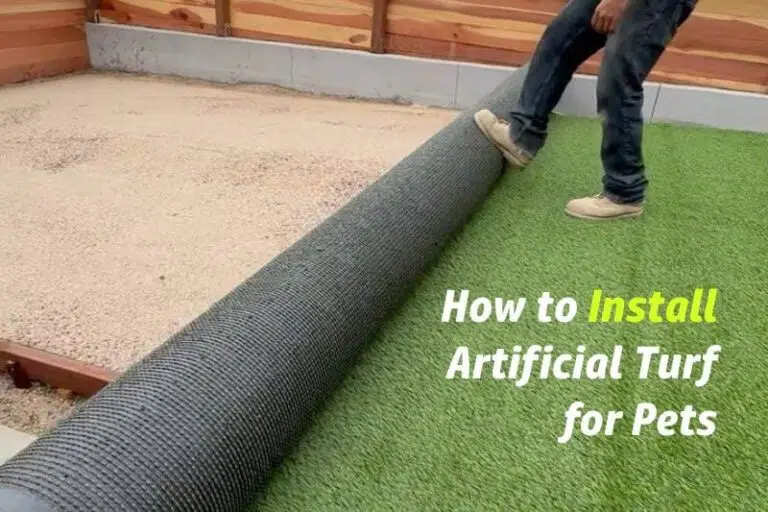
Kan jag installera konstgräs själv för att spara pengar?
Gör-det-själv-installation kan minska arbetskostnaderna, men det kräver ordentlig förberedelse av underlaget och dränering. Dålig installation kan leda till ojämna ytor eller vattensamlingar, vilket kan förkorta gräsmattans livslängd. För större eller komplexa gårdar är professionell installation ofta mer kostnadseffektivt på lång sikt.