Svenska
  English
  العربية
  Español
  Deutsch
  Français
  Português
  Русский
  日本語
日本語  Italiano
  Nederlands
  Suomi
Suomi  ไทย
ไทย  Dansk
Dansk  Ελληνικά
  Bahasa Melayu
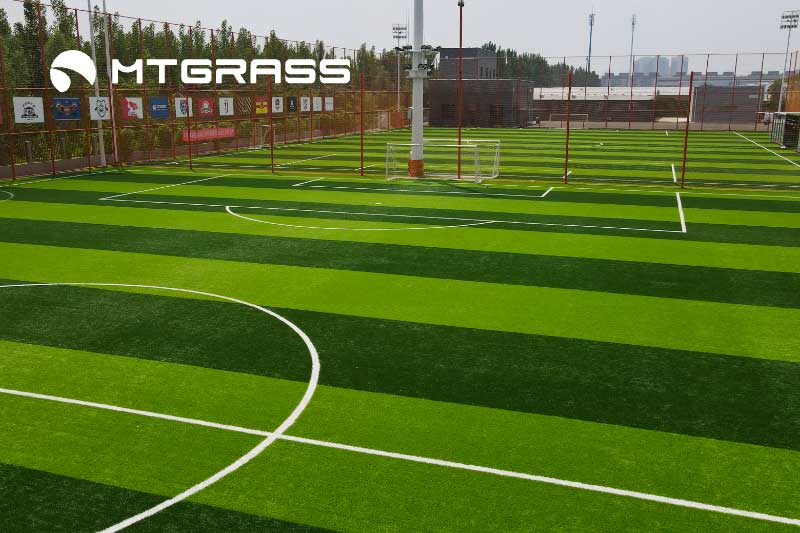
Enligt FIFA:s senaste uppgifter för 2024 finns det nu mer än 13.000 FIFA-certifierade fotbollsplaner över hela världen. Den största andelen är i Europa (cirka 40%), följt av Asien (cirka 30%), och Mellanöstern & Afrika (cirka 15%). Mellanöstern och Afrika visar en tydlig uppåtgående trend, då allt fler entreprenörer för fotbollsplaner gör FIFA-certifierad gräsmatta ett riktmärke för projektacceptans.
Den globala konstgräs för fotboll marknaden förväntas växa med cirka 8.0% CAGR från 2024 till 2031. Tillverkarna av fotbollsgräs är huvudsakligen koncentrerade till Europa, Nordamerika och KinaKina har redan blivit världens största hubb för handel med tillverkare av fotbollsgräs. Idag är mer än 70% konstgräsplaner för fotboll i hela världen kommer från fabriker i Kina eller utomeuropeiska fabriker som investerats av kineser. För fotbollsentreprenörer är den största frågan när de väljer gräs: Hur identifierar du kvaliteten på fotbollsgräs?
Ur ett globalt perspektiv kan de vanligaste standarderna för fotbollsgräs delas in i två kategorier: FIFA:s certifieringsstandarder (fastställs av FIFA för arenor på professionell och internationell nivå), och regionala/branschstandarder som till exempel EU EN-standard, italiensk standard och kinesisk GB/T-standard. För att utvärdera gräsmattans kvalitet finns det fem nyckelfaktorer att titta på: fiberråvaror, extruderingsprocess (dragning), fiberprestanda, backingsystem och internationella certifieringar. Tillsammans ger dessa faktorer fotbollsbyggare ett systematiskt sätt att fastställa den verkliga kvaliteten på fotbollsgräs.
Vilka typer av fotbollsgräs?
Globalt, standarder för typer av fotbollsgräs kan i stort sett delas in i flera kategorier. Olika standarder är utformade för olika typer av användare och fälttillämpningar:
| Standardtyp | Lämpliga scenarier | Viktiga funktioner | Typiska länder/regioner |
| FIFA-certifierad gräsmatta | Professionella klubbar, internationella turneringar | Klarar mer än 20 prestandatester, inklusive bollstuds, rullning, stötdämpning och hållbarhet | Europa, Mellanöstern, stora arenaprojekt i Kina |
| 3G fotbollsplan | Skolgårdar, träningsplaner och lekplatser | Infill-baserat gräs användning av sand + gummigranulat | Storbritannien, Europa, Australien |
| 4G gräsmatta | Inomhusfotboll 5-a-side, kommunala planer | Icke-infyllnadssystem för gräsmatta, lägre underhåll | Kina, Japan, Mellanöstern |
| 5G Fotbollsgräs (nästa generation) | Innovativa områden | Fokus på100% återvinningsbart gräs | Kina, under utveckling i Europa |
| Fotbollsgräs med PU-baksida | Professionella matcher och avancerade träningsanläggningar | Starkare stabilitet, längre livslängd | Tillverkas och exporteras huvudsakligen från Kina |
Ur ett globalt perspektiv har utvecklingen av standarder för fotbollsgräs genomgått en tydlig utveckling: från 3G fyllnadsgräs, till 4G gräsmatta, och nu till det senaste 5G-system för gräsmattor som betonar hållbarhet och återvinningsbarhet.
Olika standarder passar olika platser och användarbehov: till exempel föredrar skolor och kommunala fält ofta den kostnadseffektiva 3G fotbollsgräsmedan professionella klubbar och internationella turneringar fokuserar mer på säkerhet, prestanda och efterlevnad av FIFA-certifierad gräsmatta.
För byggare och entreprenörer av idrottsanläggningarOm du förstår dessa standarder blir det lättare att göra rätt val baserat på fältanvändning, budget och användargrupper. Det ger också en tydlig referensram vid kontroll av kvalitet på fotbollsgräs i senare skeden av projektutvärderingen.
Vilka faktorer påverkar kvaliteten på fotbollsgräs?
Vid faktisk produktion och användning bestäms kvaliteten på fotbollsgräs huvudsakligen av fem centrala faktorer. Låt oss bryta ner dem en efter en.
1. Råmaterial för gräsfiber
Fotbollsgräsets hållbarhet beror till stor del på de råmaterial som används för fibrerna. Kvaliteten på gräsfibrerna avgör direkt planens livslängd. De vanligaste råvarorna inkluderar PE (polyeten), PP (polypropen) och PA (nylon):
- PE-fibrer: Mjukt med en naturlig känsla som påminner om riktigt gräs. PE används ofta för fotbollsplaner.
- PP-fibrer: Hårdare och styvare, används ofta i fyllnadslager eller landskapsgräs, men är inte lämplig för professionella fotbollsplaner.
- Nylonfibrer: Utmärkt slitstyrka men dyrare, används vanligtvis i vissa högklassig gräsmatta för inomhussporter applikationer.
Enligt uppgifter från branschen, över 80% FIFA-certifierat fotbollsgräs använder PE-monofilamentfibrer. PE har utmärkta anti-aging- och UV-resistensegenskaper, vilket garanterar att gräsmattan håller länge 8-10 år utomhus utan betydande blekning eller sprickbildning. Däremot kan gräsmattor som tillverkas av dåliga eller återvunna material visa blekning och sprickbildning på bara 2-3 år.
Därför är råmaterialet i gräsfibern är den viktigaste faktorn för att bestämma fotbollsgräsets kvalitet. Vid inköp av torv måste köparna ägna särskild uppmärksamhet åt ursprunget för de fibrer som används av tillverkaren av fotbollsgräs och begäran relevanta testrapporter. Detta är det enda sättet att undvika gräs av låg kvalitet med kort livslängd och höga risker på lång sikt.
2. Extruderingsprocess
Produktionsprocessen för torvfibrer påverkar direkt fotbollsgräsets hållbarhet och stabilitet. Högkvalitativ fotbollsgräs presterar genomgående bättre i Lisport slitage testmed en betydligt högre andel godkända jämfört med fibrillerade fibrer. Uppgifterna visar att monofilamentgräs klarar FIFA:s kvalitetscertifieringstester om 25% oftare än fibrillerat gräs, vilket bevisar att utvecklingen av extruderingsprocessen direkt avgör om gräset kan bibehålla prestanda över tid.
De viktigaste typerna av strängsprutningsprocesser inkluderar:
- Monofilament: Formad för att likna naturliga gräsblad, vilket ger stark slitstyrka och utmärkt elasticitet.
- Fibrillering: Lägre kostnad, men större risk för splittring och deformering vid frekvent användning.
- Hybridgräs: En kombination av monofilament och fibrillerade fibrer, balans mellan motståndskraft och stabilitet i utfyllnaden.
Uppgifter från branschen visar att fotbollsgräs med monofilament har 25% högre godkännandegrad i FIFA-tester jämfört med fibrillerat gräs. Avancerad monofilament- eller hybridgräs Extruderingsprocesser förbättrar avsevärt slitstyrkan, spelbarheten och livslängden hos fotbollsgräs. I motsats till detta är den billiga fibrillerad processär visserligen billigare i början, men leder ofta till mycket högre underhålls- och ersättningskostnader på hårt utnyttjade fotbollsplaner.
3. Fiberprestanda för gräsmatta
Turffibrernas prestanda avgör direkt den totala livslängd, säkerhet och spelupplevelse för fotbollsgräs. Fibrer som är slitstarka, UV-beständiga, mycket elastiska och starka i draghållfasthet är de viktigaste indikatorerna för högkvalitativa fotbollsgräs. De vanligaste prestandamätvärdena inkluderar:
- Slitstyrka (Lisport-test): Simulerar mer än 20.000 friktionscykler för att säkerställa en livslängd på över 8 år.
Eftersom fotbollsplaner utsätts för konstant fottrafik och friktion, avgör fiberns slitstyrka direkt om fotbollsgräs kan upprätthålla långsiktig stabilitet. Fibrer som passerar Lisport Test (20.000+ simulerade cykler) garanterar i allmänhet en livslängd på 8-10 årmedan fibrer av dålig kvalitet kan gå sönder eller slitas ut inom bara 2-3 år. - UV-beständighet: Utomhus fotbollsplaner av konstgräs måste tåla minst 3.000 timmars direkt UV-exponering utan att blekna.
Eftersom de flesta fotbollsplaner är utomhus avgör fiberns förmåga att tåla starkt solljus gräsmattans färgbeständighet och motståndskraft mot åldrande. Högkvalitativa fibrer kan genomgå 3.000+ timmar av UV-testning utan blekning eller pulverisering, vilket garanterar långvarig prestanda och utseende. Däremot bleknar dåliga fibrer snabbt och skadar både estetik och spelbarhet. - Motståndskraft: Säkerställer att bollen studsar och rullar FIFA:s standarder.
Ju närmare underlaget är naturgräs, desto mer realistiskt blir bollens studs och rullning. Spelarna kan njuta av en autentisk spelupplevelse när det gäller löpning, dribbling och kontroll av bollen. Om fibrerna saknar elasticitet kan bollen rulla ojämnt, vilket ökar risken för idrottsskador. - Indikatorer för täthet och Dtex: Avspeglar den övergripande fiberkvaliteten.
Vikten av fibrer per kvadratmeter och Dtex-betyg är viktiga riktmärken för utvärdering av prestationer. Hög kvalitet fotbollsgräs varierar vanligtvis från 10.000-12.000 Dtexvilket innebär att fibrerna är tjocka, slitstarka och kan hålla sig upprätt i många år. Däremot faller gräsmattor av dålig kvalitet ofta under 8.000 Dtexvilket gör fibrerna mer benägna att kollapsa, åldras snabbt och äventyra både fältets livslängd och prestanda.
Till exempel innehåller premiumgräs vanligtvis 10.000-12.000 Dtex torvfibrer per kvadratmetermedan lågkvalitativt gräs kan ha en Dtex under 8.000, vilket leder till snabbare nedbrytning och minskad stabilitet.
4. Stödjande system
Baksidans primära roll är att hålla fast fibrerna ordentligt på basduken. Högkvalitativ Fotbollsgräs med PU-baksida kan hålla fibrerna stabila under kraftig friktion och långvarig användning, vilket gör dem mindre benägna att lossna. Bakstycket är nyckeln till att fixera fibrerna, och för närvarande finns det två huvudtyper:
- SBR-baksida (latex-baksida): Låg kostnad, men benägen att drabbas av problem som delaminering och vatteninträngning.
Om underlaget spricker eller absorberar vatten kan gräsmattan bubbla eller lossna, vilket gör att planen blir ojämn. Detta ökar risken för idrottsskador. Dessutom krävs frekventa reparationer eller utbyten, vilket avsevärt ökar de långsiktiga underhållskostnaderna. - PU-baksida (polyuretan-baksida): Ger bättre hållbarhet, är mindre benägna att spricka och har utmärkt väderbeständighet, vilket förlänger gräsmattans livslängd med cirka 30%.
Jämförelse av data:
- Gräsmatta med PU-baksida vanligtvis varar 10-12 år.
- Gräsmatta med Baksida av SBR-latex börjar vanligtvis åldras efter 6-8 år.
Backningsteknik är den "osynliga nyckeln" till övergripande kvalitet på fotbollsgräs. Avancerad Fotbollsgräs med PU-baksida säkerställer stark fiberadhesion, en jämn och stabil spelyta och en mycket längre livslängd. Å andra sidan, low-end Baksida av SBR-latexär visserligen billigare i början, men tenderar att åldras och delamineras snabbare - vilket i slutändan leder till högre långsiktiga kostnader och större säkerhetsrisker.
5. Internationella certifieringar
Hög kvalitet fotbollsgräs måste överensstämma med erkända miljöstandarder och certifieringar, t.ex:
- FIFA:s kvalitetsprogram
De FIFA:s kvalitetsprogram testar inte bara gräsets spelprestanda (bollstuds, rullning och friktionskoefficient) utan utvärderar också dess hållbarhet och miljösäkerhet. FIFA-certifierad gräsmatta som klarar dessa strikta tester har visat sig ha höga standarder för slitstyrka, åldringsbeständighet och miljövänlighet - vilket garanterar att den inte försämras snabbt eller släpper ut skadliga ämnen under långvarig användning. - EU REACH-certifiering
På marknader som Europa, Mellanöstern och Nordamerika kräver skolor, klubbar och statliga projekt vanligtvis REACH och RoHS certifieringsrapporter. Utan dessa miljöcertifieringar kan inte ens lågprisgräs komma in på marknaden för exklusiva eller offentliga projekt. - ISO9001/ISO14001 Fabrikscertifiering
En fabrik som håller ISO9001/ISO14001 certifications visar att dess produktionsprocesser uppfyller strikta kvalitets- och miljöledningsstandarder. Detta säkerställer en enhetlig produkt för varje parti gräs och minskar de risker som orsakas av produktionsfluktuationer. - RoHS och CPSIA säkerhetsstandarder
Sedan fotbollsgräs kommer i direkt kontakt med spelarnas hud och andningsmiljö, kan fibrer eller fyllnadsmaterial som innehåller tungmetaller, ftalater eller formaldehyd utgöra allvarliga hälsorisker. Överensstämmelse med RoHS och CPSIA standarder innebär att gräsmattan uppfyller säkerhetskraven för farliga ämnen, vilket garanterar en säker spelupplevelse.
Certifieringar garanterar inte bara säkerhet utan fungerar också som en viktig indikator på den övergripande kvalitet på fotbollsgräs. Gräsmatta som är uppbackad av FIFA, RÄCKVIDD, ISOoch andra certifieringar återspeglar excellens inom säkerhet, miljövänlighet, hållbarhet och acceptans på den globala marknaden. Dessa certifieringar är både ett tecken på miljövänligt fotbollsgräs och ett grundläggande inträdeskrav för internationella projekt.
Riskerna med fotbollsgräs av låg kvalitet
För fotbollsklubbar:
Låg kvalitet fotbollsgräs påverkar inte bara spelupplevelsen utan skapar också allvarliga säkerhetsrisker och ekonomiska risker:
- Högre risk för skador på spelare: Överdriven friktion eller dålig stötdämpning kan leda till stukningar av fotleden, knäskador eller ligamentskador.
- Förkortad livslängd för fält: Inom bara 2-3 år kan fibrerna lossna, blekna eller underlaget spricka.
- Ökade underhållskostnader: Frekventa reparationer, påfyllningar eller till och med byte av gräsmatta gör att de långsiktiga kostnaderna blir mycket högre.
- Miljörisker: Dåliga fyllnadsmaterial kan innehålla tungmetaller som utgör hälsorisker och orsakar miljöförstöring.
För sportbyggare och entreprenörer:
Ett projekts förmåga att klara ägarens slutgodkännande är den viktigaste faktorn som avgör lönsamheten. Att välja låg kvalitet fotbollsgräs direkt påverkar om fältet godkänns vid inspektion.
Projektets acceptansgrad
- Liten fabrik, gräs av låg kvalitet: Prestanda är instabil. Friktion, stötdämpning och elasticitet uppfyller ofta inte standarderna, vilket leder till underkända inspektioner.
- Stor fabrik, högkvalitativ turf: Möten FIFA-certifierad gräsmatta eller lokala standarder, vilket säkerställer en hög godkännandegrad och minskar riskerna för omarbetning.
Betalnings- och kassaflödessäkerhet
- Liten fabrik, gräs av låg kvalitet: Om godkännandet misslyckas kan kunderna hålla inne slutbetalningarna, vilket orsakar störningar i kassaflödet. Entreprenörer kan till och med bli tvungna att själva bekosta kostsamma korrigeringar.
- Stor fabrik, högkvalitativ turf: Med ett engångsprojektgodkännande betalar kunderna i enlighet med avtalet, vilket håller kassaflödet stabilt.
Tidslinje och kostnadskontroll
- Liten fabrik, gräs av låg kvalitet: Omarbetningar och korrigeringar orsakar projektförseningar och oväntade material- och arbetskostnader.
- Stor fabrik, högkvalitativ turf: Stabila produkter innebär förutsägbara tidsramar och minskad risk för kostnadsöverskridanden.
Anseende och framtida projekt
- Liten fabrik, gräs av låg kvalitet: Leder till kundklagomål och dåligt rykte på marknaden, vilket minskar möjligheterna att vinna framtida upphandlingar.
- Stor fabrik, högkvalitativ turf: Framgångsrika fall fungerar som starka referenser, vilket ökar konkurrenskraften i framtida upphandlingar.
Juridiska risker och risker för bristande efterlevnad
- Liten fabrik, gräs av låg kvalitet: Underlåtenhet att uppfylla miljö- eller kvalitetscertifieringar kan leda till stämningar eller rättsliga påföljder.
- Stor fabrik, högkvalitativ turf: Fullständigt förenlig med REACH, RoHS, FIFA:s kvalitetsprogram standarder och undviker risker för bristande efterlevnad.
För både fotbollsklubbar och entreprenörer är riskerna med att välja gräs av låg kvalitet långt större än problem på ytnivå. Undermåligt gräs underminerar kvalitet på fotbollsgräshotar spelarnas säkerhet, försenar projektgodkännanden, stör kassaflödet och skadar det långsiktiga ryktet. Att samarbeta med ett välrenommerat FIFA-certifierad leverantör av gräsmattor säkerställer säkerhet, efterlevnad och långsiktig projektframgång.
Fotbollsgräs av låg kvalitet kontra hög kvalitet
| Dimension | Liten fabrik, fotbollsgräs av låg kvalitet | Stor fabrik, högkvalitativt fotbollsgräs (t.ex. FIFA Turf Supplier) |
| Godkännande av projekt | Prestationsindikatorer uppfyller ofta inte standarderna, hög sannolikhet för att inspektionen misslyckas | Möten FIFA-certifierad gräsmatta eller lokala standarder, klarar inspektion vid första försöket |
| Betalning & kassaflöde | Misslyckad acceptans → beställare håller inne slutbetalningen, entreprenörer måste täcka kostnader för avhjälpande | Smidig acceptans → kunder betalar i tid enligt avtal, stabilt kassaflöde |
| Tidslinje och kostnader | Förseningar i omarbetningar och extra underhåll ökar de totala projektkostnaderna | Förutsägbara tidsramar, minskad risk för omarbetning, mer transparenta kostnader |
| Anseende och marknadstrovärdighet | Frekventa klagomål, dåligt rykte på marknaden, minskade chanser att vinna framtida upphandlingar | Bevisat framgångsrika projekt, ökar konkurrenskraften i anbudsförfaranden |
| Miljö- och efterlevnadsrisker | Användning av återvunnet material eller tungmetaller, risk för rättsliga påföljder | Överensstämmer med FIFA, REACH, och RoHS certifieringar, vilket säkerställer ett smidigt inträde på marknaden |
Välja småskaliga fabriker av låg kvalitet fotbollsgräs kan verka billigare i början, men det skapar risker när det gäller acceptans, betalningar, tidsramar och rykte. Genom att arbeta med en pålitlig FIFA-leverantör av gräsmattorPå så sätt säkerställer entreprenörerna efterlevnad, smidig projektleverans och långsiktig trovärdighet på marknaden för sportbyggnation.
Hur väljer man en pålitlig leverantör av fotbollsgräs?
När du väljer en leverantör av fotbollsgräs, entreprenörer och köpare bör utvärdera följande viktiga aspekter:
- Har leverantören FIFA-certifiering?
- Äger de utrustning för extrudering av torvfiber, och är utrustningen importerad?
- Har de erfarenhet av internationella evenemang eller storskaliga projekt med konstgräs på arenor?
- Kan de tillhandahålla fullständiga testrapporter och miljöcertifieringar?
- Har de global leveranskapacitet (t.ex. utländska lager eller lokala distributörer)?
Till exempel, MightyGrass i Kina är en typisk representant för ett pålitligt tillverkare av fotbollsgräs:
- 20+ års erfarenhet av produktion
- A FIFA-certifierad gräsfabrik
- Egen FoU-utrustning för fiber och avancerad extruderingsteknik, vilket ger deras gräsmattor en livslängd som är 2-3 år längre än många konkurrenters
- Dubbla produktionsbaser i Kina och Saudiarabiensamt ett lokalt lager i USA
- Export till 166+ ländermed en dokumenterad meritlista som omfattar Olympiska spelen 2008skolor, fotbollsklubbar och till och med Träningsbanor för fotbolls-VM
En trovärdig leverantör av fotbollsgräs bör ha både certifiering och erfarenhet, med stöd av starka FoU-kapaciteter, tillförlitliga fallstudier och global leveranskapacitet. Att arbeta med en partner som MightyGrass säkerställer konsekvent kvalitet på fotbollsgräs, efterlevnad av internationella standarder och förtroende för att projektet kommer att lyckas på lång sikt.
Idrottsanläggningsentreprenörers överväganden
Vid placering av anpassad fotbollsplan en order med en fabrik för konstgjort fotbollsgräsbör entreprenörerna ägna stor uppmärksamhet åt följande aspekter:
- Minsta orderkvantitet (MOQ): Vanligtvis cirka 1 100㎡, även om vissa fabriker kan erbjuda anpassad flexibilitet.
- Val av pålhöjd och densitet: För professionella matcher rekommenderas att man väljer gräs med en höjd på ≥50 mm; för träningsplaner och skolor räcker det ofta med 40 mm.
- Anpassning av färg och linje: Logotyper och linjemarkeringar kan anpassas efter klubbarnas eller skolornas behov.
- Provtagning: Före massproduktion ska du alltid bekräfta att provets prestanda uppfyller de standarder som krävs.
- Service efter försäljning och garanti: Högkvalitativa fabriker ger vanligtvis en garanti på 5-8 år.
Att utvärdera kvalitet på fotbollsgräsär det viktigt att ta hänsyn till fem viktiga aspekter: fiberråvaror, extruderingsprocess (dragning), fiberprestanda, backingteknik och miljöcertifieringar. Att välja en pålitlig Leverantör av FIFA-gräsinternationell projekterfarenhet och globala leveransmöjligheter säkerställer att fotbollsplanerna förblir säkra och hållbara för långsiktig drift.
För byggare av idrottsanläggningar är det viktigt att arbeta med en professionell leverantör av fotbollsgräs eller FIFA-certifierad tillverkare av konstgräs innebär att man kan känna sig trygg när det gäller kvalitet, prestanda och efterlevnad. Genom att fokusera på dessa fem dimensioner kan entreprenörer undvika dolda risker och se till att varje projekt levereras enligt högsta internationella standard.
FRÅGOR OCH SVAR: Frågor som entreprenörer för fotbollsplaner bör ställa till tillverkare av konstgräs
Har tillverkaren FIFA-certifiering?
Kontrollera alltid om din potentiella partner är en FIFA-leverantör av gräsmattor med ett giltigt Certifikat för FIFA:s kvalitetsprogram. FIFA-testningen omfattar bollrull, stötdämpning, UV-beständighet och hållbarhet. En tillverkare med FIFA-godkännande garanterar att deras kvalitet på fotbollsgräs uppfyller internationella standarder, vilket är viktigt för stadion- och klubbprojekt.
Producerar fabriken sina egna torvfibrer?
En stark tillverkare av fotbollsgräs Kina har vanligtvis sina egna fibersträngsprutningslinjer. Fråga om de producerar monofilament eller fibrillerade fibrer och begär prestandadata som Dtex, Lisport-slitagetestresultat och UV-resistens. En tillverkare med egen fiberproduktion ger bättre stabilitet, längre livslängd och full kvalitetskontroll jämfört med återförsäljare eller små verkstäder.
Vilken typ av backningsteknik används?
Stödsystemet är avgörande för gräsmattans hållbarhet. Många små leverantörer erbjuder endast Baksida av SBR-latexsom kan spricka eller delamineras efter 6-8 år. Avancerade fabriker tillhandahåller Fotbollsgräs med PU-baksidasom håller i 10-12 år, är hydrolysbeständigt och mer miljövänligt. När du väljer en leverantör av fotbollsgräsFråga alltid om typer av stöd och garantiperioder.
Vilken projekterfarenhet har leverantören?
En pålitlig fabrik för konstgjort fotbollsgräs bör tillhandahålla en lista över slutförda projekt, inklusive internationella arenor, FIFA-certifierade fotbollsplaner, skolor och kommunala planer. Om leverantören har levererat projekt i Europa, Afrika, Mellanöstern eller Nord- och Sydamerika visar det att de förstår olika klimat och byggstandarder. Beprövade referenser är ett starkt tecken på en kapabel leverantör av sportgräs.
Kan tillverkaren erbjuda kundanpassning och designstöd?
Ledande fabriker säljer inte bara gräsmattor - de tillhandahåller också fältdesign, logotypanpassning, linjemarkering och alternativ för flerfärgat gräs. Vissa erbjuder även installationsguider eller skickar ut tekniker för att stödja lokala entreprenörer. En enda kontaktpunkt leverantör av fotbollsgräs sparar tid för entreprenörerna, minskar antalet misstag och säkerställer att fältet uppfyller både budget- och prestandaförväntningarna.
Vilken service och garanti erbjuder de efter försäljningen?
Hög kvalitet FIFA-leverantörer av gräsmattor erbjuder vanligtvis en garanti på 5-8 år. Fråga om de har utomeuropeiska lager eller lokala distributörer för snabbare leverans och service. Kontrollera också om de tillhandahåller kostnadsfria utbyten eller reparationer om problem som fiberdelning eller sprickor i baksidan uppstår. En stark kundtjänst skiljer en riktig tillverkare från lågprishandelsföretag.
Hur transparent är prissättningen?
En trovärdig tillverkare av fotbollsgräs Kina kommer att ge en tydlig uppdelning av fotbollsgräs kostnad per kvadratmeter, inklusive gräs, fyllnadsmaterial, frakt och installationstjänster. Undvik vaga offerter. Transparenta priser gör det möjligt för entreprenörer att jämföra alternativ och planera budgetar mer effektivt.
Hur mycket kostar det att anlägga en 3G- eller 4G-fotbollsplan?
Kostnaden för en 3G fotbollsplan eller 4G fotbollsgräs beror på fältstorlek, fiberkvalitet och val av fyllnadsmaterial. I genomsnitt är fotbollsgräs kostnad per kvadratmeter varierar från $15 till $35 FOB Kina fabrikspris. När du arbetar med en pålitlig leverantör av fotbollsgräsmåste man också ta hänsyn till extra kostnader som t.ex. grundkonstruktion, dränering och installation.
Vad är skillnaden mellan 3G och 4G fotbollsgräs?
Den viktigaste skillnaden mellan en 3G fotbollsplan och en 4G fotbollsplan ligger i utfyllnaden. 3G-planer kräver fyllning med sand och gummismulor för att bibehålla stabiliteten, medan 4G gräsmatta system är utformade för att inte fyllas på, vara renare och lättare att underhålla. Även om 4G konstgräs är nyare och mer miljövänlig, 3G konstgräs är fortfarande det mest installerade systemet för professionella och amatörmässiga fotbollsplaner världen över.