ไทย
ไทย  English
  العربية
  Español
  Deutsch
  Français
  Português
  Русский
  日本語
日本語  Italiano
  Nederlands
  Svenska
  Suomi
Suomi  Dansk
Dansk  Ελληνικά
  Bahasa Melayu

ฟุตบอลไม่ใช่แค่กีฬา—มันคือความหลงใหลระดับโลกที่ขับเคลื่อนชุมชน โรงเรียน และสโมสรอาชีพต่างๆ อย่างไรก็ตาม การรักษาสนามฟุตบอลคุณภาพสูงให้คงอยู่เสมอนั้นเป็นความท้าทายที่สำคัญมาโดยตลอด หญ้าธรรมชาติต้องการการรดน้ำ การตัด และการหว่านเมล็ดอย่างต่อเนื่อง และถึงแม้จะทำเช่นนั้นแล้ว ก็ยังสามารถสึกหรอได้อย่างรวดเร็วเมื่อใช้งานหนัก
หญ้าเทียมสำหรับสนามฟุตบอล หรือที่รู้จักกันในชื่อหญ้าสังเคราะห์ ได้กลายเป็นทางเลือกที่ใช้งานได้จริง ซึ่งผสมผสานความทนทาน การเล่นที่สม่ำเสมอ และการดูแลรักษาต่ำ ด้วยเทคโนโลยีสมัยใหม่ พื้นผิวเหล่านี้สามารถเลียนแบบลักษณะและสัมผัสของหญ้าธรรมชาติได้อย่างใกล้เคียง พร้อมทั้งมอบข้อดีเพิ่มเติม เช่น สามารถใช้งานได้ทุกสภาพอากาศ ลดความเสี่ยงในการบาดเจ็บ และประหยัดค่าใช้จ่ายในระยะยาว
ไม่ว่าคุณจะเป็นผู้จัดการสนามกีฬา เจ้าของสถานที่กีฬา หรือผู้จัดจำหน่ายที่ต้องการขยายผลิตภัณฑ์หญ้าเทียมของคุณ คู่มือฉบับนี้จะให้ภาพรวมที่ครบถ้วนเกี่ยวกับหญ้าเทียมสำหรับฟุตบอล คุณจะได้รับข้อมูลเชิงลึกเกี่ยวกับประเภทของหญ้า กระบวนการติดตั้ง ข้อกำหนดในการบำรุงรักษา ค่าใช้จ่าย และแม้แต่แนวโน้มด้านความยั่งยืน—ทุกสิ่งที่คุณต้องการเพื่อตัดสินใจอย่างมีข้อมูล
หญ้าเทียมสำหรับฟุตบอลคืออะไร?
หญ้าเทียมสำหรับสนามฟุตบอลเป็นพื้นผิวที่ออกแบบและวิศวกรรมพิเศษเพื่อเลียนแบบหญ้าธรรมชาติ ในขณะที่มอบความทนทาน ประสิทธิภาพ และความปลอดภัยที่เหนือกว่า หญ้าเทียมสำหรับสนามฟุตบอลแตกต่างจากหญ้าเทียมตกแต่งทั่วไป เนื่องจากหญ้าเทียมสำหรับสนามฟุตบอลต้องผ่านมาตรฐานที่เข้มงวดเกี่ยวกับพฤติกรรมของลูกบอล การยึดเกาะ และการดูดซับแรงกระแทก โดยเฉพาะอย่างยิ่งสำหรับการแข่งขันฟุตบอลระดับมืออาชีพ การเลือกใช้หญ้าเทียมที่ได้รับการรับรองจาก FIFA (เช่น MightyGrass หญ้าเทียมฟีฟ่า).
ส่วนประกอบสำคัญของระบบสนามหญ้าฟุตบอล:
- เส้นใยหญ้า/เส้นด้าย: โดยทั่วไปทำจากโพลีเอทิลีน (PE), โพลีโพรพิลีน (PP), หรือไนลอน (PA), ออกแบบมาเพื่อจำลองลักษณะและความทนทานของใบหญ้าธรรมชาติ
- ชั้นรองรับ: เสริมด้วยโพลียูรีเทนหรือลาเท็กซ์เพื่อความมั่นคงและอายุการใช้งานที่ยาวนาน
- วัสดุเติมเต็ม: ทราย, เม็ดยาง หรือทางเลือกที่เป็นอินทรีย์เพื่อสนับสนุนการตั้งตรงของเส้นใย, ให้การรองรับ, และปรับปรุงการกลิ้งของลูกบอล.
- แผ่นรองกันกระแทก (อุปกรณ์เสริม): เพิ่มความปลอดภัยโดยการดูดซับแรงกระแทกและลดความเครียดของข้อต่อสำหรับผู้เล่น
MightyGrass ในช่วงสองทศวรรษที่ผ่านมา เทคโนโลยีสนามหญ้าฟุตบอลได้พัฒนาไปอย่างมาก นวัตกรรมต่างๆ เช่น โครงสร้างเส้นใยไฮบริด การเคลือบผิวกันรังสียูวี และวัสดุเติมเต็มรีไซเคิล ทำให้สนามหญ้าเทียมไม่เพียงแต่ปลอดภัยและสมจริงมากขึ้นเท่านั้น แต่ยังเป็นมิตรกับสิ่งแวดล้อมอีกด้วย ปัจจุบัน สนามของเรา หญ้าเทียมคุณภาพสูง ใช้กันอย่างแพร่หลายโดยสโมสรอาชีพ โรงเรียน และสนามกีฬาเทศบาลทั่วโลก
ประโยชน์ของหญ้าเทียมสำหรับสนามฟุตบอล

การติดตั้งหญ้าเทียมสำหรับสนามฟุตบอลมีประโยชน์มากมายสำหรับผู้เล่น ผู้จัดการสถานที่ และองค์กรต่างๆ ต่อไปนี้คือข้อดีหลัก:
| ผลประโยชน์ | คำอธิบาย |
| ความทนทาน | สามารถทนทานต่อการใช้งานหลายพันชั่วโมงต่อปี เหมาะอย่างยิ่งสำหรับสนามกีฬาหรือสนามฝึกซ้อมที่มีการใช้งานหนัก |
| การเล่นอย่างสม่ำเสมอ | ให้การกลิ้งของลูกบอล การเด้ง และการยึดเกาะพื้นผิวที่คาดการณ์ได้ ช่วยให้การฝึกซ้อมและการเล่นในการแข่งขันมีประสิทธิภาพดียิ่งขึ้น |
| ประสิทธิภาพในทุกสภาพอากาศ | ยังคงเล่นได้ภายใต้ฝน หิมะ หรือความร้อนจัด ลดการยกเลิกการแข่งขัน |
| ค่าใช้จ่ายในการบำรุงรักษาที่ต่ำลง | ไม่ต้องตัดหญ้า รดน้ำ หรือหว่านเมล็ดใหม่ เพียงแค่ปัดทำความสะอาดและปรับวัสดุรองพื้นให้เหมาะสมก็เพียงพอ |
| ความปลอดภัยของผู้เล่น | การดูดซับแรงกระแทกและโครงสร้างเส้นใยช่วยลดการบาดเจ็บจากการลื่นหรือการล้ม |
| ความยั่งยืน | สนามหญ้าสมัยใหม่ใช้เส้นใยที่สามารถนำกลับมาใช้ใหม่ได้และวัสดุเติมที่เป็นมิตรกับสิ่งแวดล้อม ช่วยประหยัดน้ำและลดการใช้สารเคมี |
ประโยชน์อื่น ๆ ได้แก่ การติดตั้งที่รวดเร็วเมื่อเทียบกับหญ้าธรรมชาติ, การทำเครื่องหมายสนามที่ปรับแต่งได้, และผลตอบแทนการลงทุนระยะยาวเนื่องจากค่าแรงและค่าน้ำที่ลดลง การเลือกหญ้าเทียมที่เหมาะสมยังช่วยให้สามารถนำไปใช้ในกรณีเฉพาะได้ เช่น สนามฝึกซ้อม, สนาม 5 คน, หรือสนามกีฬาหลายประเภท ซึ่งช่วยเพิ่มความยืดหยุ่นในการบริหารจัดการสถานที่
ประเภทของหญ้าเทียมสำหรับฟุตบอล
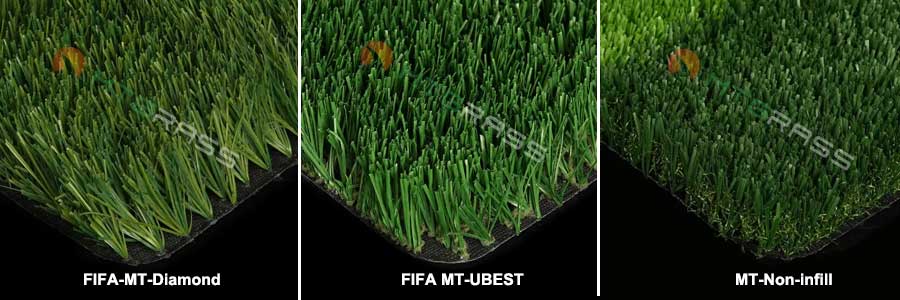
ในฐานะมืออาชีพ ผู้ผลิตหญ้าเทียม, MightyGrass นำเสนอความหลากหลายมากมายของ หญ้าเทียมประเภทต่างๆ สำหรับฟุตบอล. แต่ละแบบถูกออกแบบมาเพื่อการใช้งานที่แตกต่างกัน, ความต้องการด้านประสิทธิภาพ, และงบประมาณ. การเลือกประเภทที่เหมาะสมจะช่วยให้การใช้งานยาวนาน, ความปลอดภัยของผู้เล่น, และพฤติกรรมของลูกบอลที่ดีที่สุด.
โดยวัสดุเส้นใย
- โพลีเอทิลีน (PE): พื้นผิวที่นุ่มและให้ความรู้สึกเป็นธรรมชาติ ทนทานสูง ใช้กันอย่างแพร่หลายสำหรับสนามระดับมืออาชีพ
- โพลีโพรพีลีน (PP) : แข็งกว่า ประหยัดค่าใช้จ่าย; มักใช้สำหรับสนามฝึกซ้อมหรือสนามโรงเรียน
- ไนลอน (PA): มีความทนทานสูงมาก ทนต่อการสึกหรอได้ดีเยี่ยม เหมาะสำหรับพื้นที่ที่มีการสัญจรหนาแน่น แต่มีราคาสูงกว่า
- เส้นใยไฮบริด: ผสมเส้นใยต่างชนิด (เช่น PP + PE) เพื่อความนุ่มที่สมดุล ความยืดหยุ่น และความสวยงาม
การเปรียบเทียบวัสดุเส้นใย
| วัสดุ | ความทนทาน | ความนุ่มนวล | ค่าใช้จ่าย | ดีที่สุดสำหรับ |
| โพลีเอทิลีน | สูง | สูง | ปานกลาง | สนามแข่งขันระดับมืออาชีพและชุมชน |
| โพลีโพรพีลีน | ปานกลาง | ปานกลาง | ต่ำ | สนามฝึกอบรม, โรงเรียน |
| ไนลอน | สูงมาก | ปานกลาง | สูง | สนามกีฬาที่มีการใช้งานหนัก |
| ไฮบริด | สูง | สูง | ปานกลาง-สูง | สนามกีฬาอเนกประสงค์ |
โดยโครงสร้างเส้นใย
- โมโนฟิลาเมนต์: เส้นใยตรงเดี่ยว; ลักษณะธรรมชาติ, การกลิ้งเป็นลูกบอลยอดเยี่ยม, ความทนทานสูง
- ฟิล์มตัดเป็นแถบ: เส้นใยที่แยกตัวออกสร้างโครงสร้างคล้ายตาข่าย; สัมผัสนุ่มขึ้น ลดการเสียดสี
- เท็กซ์เจอร์ไรซ์/ไฮบริด: เส้นใยที่ผสมผสานระหว่างเส้นตรงและเส้นหยิก; ผสานความทนทานเข้ากับความยืดหยุ่นในการเล่นและความสบาย
โดยการสมัคร
- สนามฟุตบอล 5 คน: ขนสั้น ทนทานมากขึ้น เหมาะสำหรับการใช้งานบ่อยและรวดเร็ว
- สนามฟุตบอล 7 คน: ความสูงของขนปานกลาง เหมาะสำหรับการฝึกซ้อมและการแข่งขันระดับกึ่งมืออาชีพ
- สนามฟุตบอล 11 คน: สนามกีฬาสำหรับมืออาชีพ; โดยทั่วไปใช้เส้นใยเดี่ยวพร้อมวัสดุเติมความหนาแน่นสูงเพื่อความแม่นยำในการกลิ้งของลูกบอล
หญ้าเทียม vs. หญ้าธรรมชาติสำหรับฟุตบอล

ผู้จัดการสถานที่หลายคนต้องเผชิญกับคำถาม: ควรติดตั้งหญ้าธรรมชาติหรือหญ้าเทียม? นี่คือการเปรียบเทียบอย่างละเอียด
| คุณสมบัติ | หญ้าเทียม | หญ้าธรรมชาติ |
| ความทนทาน | 8–12 ปี ทนทานต่อการใช้งานหนัก | ตามฤดูกาล, เสียหายได้ง่ายจากการเล่นบ่อย |
| การซ่อมบำรุง | การแปรง การปรับเติม การทำความสะอาดเป็นครั้งคราว | รดน้ำ ตัดหญ้า ใส่ปุ๋ย หว่านเมล็ดใหม่ |
| ประสิทธิภาพของสภาพอากาศ | ทุกสภาพอากาศ, ระบายน้ำได้รวดเร็ว | พื้นผิวที่เปียกน้ำหรือแข็งตัวจากน้ำแข็งลดความสามารถในการเล่น |
| ความปลอดภัยของผู้เล่น | การดูดซับแรงกระแทกอย่างสม่ำเสมอ; จุดไม่เรียบลดลง | ความเสี่ยงของการเกิดรอยบุ๋ม, พื้นที่ที่มีโคลน, การยึดเกาะที่ไม่สม่ำเสมอ |
| ต้นทุน (ตลอดอายุการใช้งาน) | ค่าใช้จ่ายเริ่มต้นสูงกว่า ค่าใช้จ่ายระยะยาวต่ำกว่า | ค่าใช้จ่ายเริ่มต้นต่ำกว่า ค่าบำรุงรักษาประจำปีสูงกว่า |
| ผลกระทบต่อสิ่งแวดล้อม | ตัวเลือกที่สามารถนำกลับมาใช้ใหม่ได้; ไม่ต้องรดน้ำ | ต้องการน้ำ, สารเคมี; รอยเท้าทางนิเวศที่สูงขึ้น |
ข้อมูลเชิงลึกที่สำคัญ:
- หญ้าเทียมช่วยให้สามารถเล่นได้สม่ำเสมอทั้งปี
- การบาดเจ็บมีความใกล้เคียงกับสนามหญ้าธรรมชาติเมื่อใช้สนามที่ได้รับการรับรองจากฟีฟ่าและมีการบำรุงรักษาอย่างเหมาะสม
- หญ้าธรรมชาติอาจให้ความรู้สึก "แท้จริง" มากกว่า แต่ต้องการทรัพยากรจำนวนมากในการดูแลรักษา
ขั้นตอนการติดตั้งสนามหญ้าเทียมสำหรับฟุตบอล

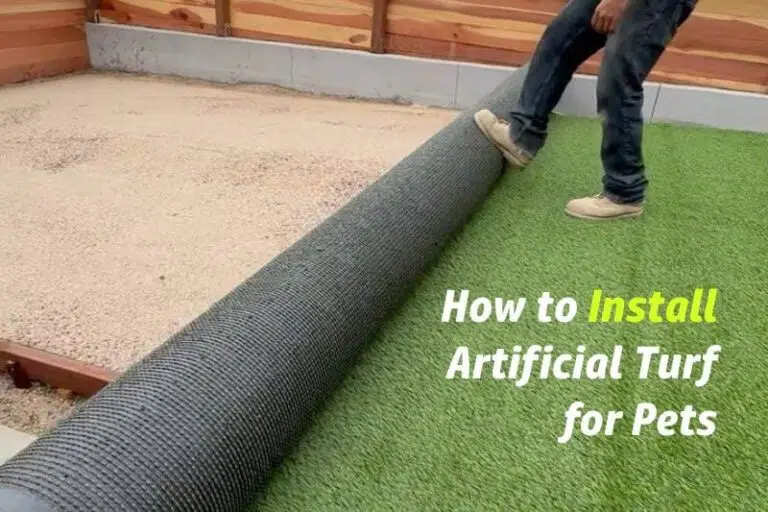
ติดตั้งสนามฟุตบอลเทียม เกี่ยวข้องกับการวางแผนอย่างรอบคอบและการดำเนินการอย่างแม่นยำเพื่อให้มั่นใจในความคงทนและความปลอดภัย
ขั้นตอนที่ 1: การประเมินและวางแผนพื้นที่
- ประเมินคุณภาพดิน การระบายน้ำ และภูมิประเทศ
- กำหนดขนาดของสนามตามกฎกติกาของสนาม 5, 7 หรือ 11 คน
ขั้นตอนที่ 2: การเตรียมฐานรากและการก่อสร้างฐาน
- ขุดให้ถึงความลึกที่กำหนด
- ปูพื้นด้วยหินอัดแน่นหรือแอสฟัลต์เพื่อความมั่นคง
- ตรวจสอบให้แน่ใจว่ามีระดับความลาดชันที่เหมาะสมสำหรับการระบายน้ำ (แนะนำให้ใช้ 1–2%)
ขั้นตอนที่ 3: การติดตั้งแผ่นรองกันกระแทก (ไม่บังคับ)
- แผ่นกันกระแทกช่วยเพิ่มความสบายให้กับผู้เล่นและลดแรงกดทับที่ข้อต่อ
- โดยทั่วไปมีความหนา 5–15 มม. ติดตั้งไว้ใต้สนามหญ้า
ขั้นตอนที่ 4: การปูหญ้าและรอยต่อ
- ปูแผ่นหญ้าให้เรียบร้อย จัดแนวรอยต่อให้ตรงอย่างระมัดระวัง
- เชื่อมต่อรอยต่อด้วยกาวและเทปต่อรอยต่อ
- ตัดขอบให้พอดีกับขนาดของพื้นที่อย่างแม่นยำ
ขั้นตอนที่ 5: การเติมวัสดุ
- กระจายทรายและเม็ดยางให้ทั่วอย่างสม่ำเสมอเพื่อรองรับเส้นใย
- ปรับการเติมวัสดุเพื่อเพิ่มประสิทธิภาพการกลิ้งของลูกบอลและการยึดเกาะของผู้เล่น
คำแนะนำ: MightyGrass ยังมีให้บริการ หญ้าเทียมที่ไม่ใช่แบบเติมเต็ม ทำจากเส้นใยที่ผสมกันระหว่างเส้นตรงและเส้นโค้ง
ขั้นตอนที่ 6: การดูแลและตรวจสอบขั้นสุดท้าย
- จัดเส้นใยแปรงให้ตั้งตรง
- ตรวจสอบรอยต่อ เส้น และกระจายการเติมเต็ม
- สนามทดสอบสำหรับการระบายน้ำและพฤติกรรมของลูกบอล
เคล็ดลับจากมืออาชีพ: การจ้างผู้ติดตั้งที่ได้รับการรับรองจากฟีฟ่าช่วยให้มั่นใจได้ถึงการปฏิบัติตามมาตรฐานสากลและป้องกันการสึกหรอก่อนเวลาอันควร
การบำรุงรักษาและอายุการใช้งานของหญ้าเทียมสำหรับสนามฟุตบอล
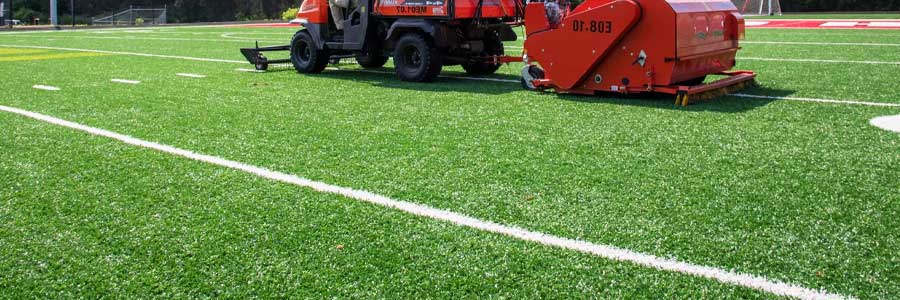
การบำรุงรักษาอย่างถูกต้องเป็นสิ่งสำคัญอย่างยิ่งเพื่อเพิ่มอายุการใช้งานของสนามฟุตบอลหญ้าเทียมให้สูงสุด ต่างจากหญ้าธรรมชาติที่ต้องการการตัดหญ้าทุกวัน การรดน้ำ และการเพาะเมล็ดใหม่ หญ้าเทียมต้องการการบำรุงรักษาที่สม่ำเสมอแต่ไม่ซับซ้อนมากนัก
งานบำรุงรักษาตามปกติ
- ขนแปรง: การแปรงขนทุกสัปดาห์หรือทุกสองสัปดาห์ช่วยให้เส้นขนตั้งตรงและป้องกันการพันกัน
- การกำจัดเศษซาก: นำใบไม้ สิ่งสกปรก และขยะออกเพื่อป้องกันการเจริญเติบโตของแบคทีเรียและการสะสมของมอส
- การเติมเต็มช่องว่าง: ตรวจสอบระดับยางและทรายที่เติมทุกไตรมาส; การเติมที่ไม่สม่ำเสมออาจส่งผลต่อการกลิ้งของลูกบอลและความปลอดภัยของผู้เล่น
- การทำความสะอาดผิวหน้า การล้างเป็นครั้งคราวด้วยน้ำหรือน้ำยาทำความสะอาดอ่อนเพื่อกำจัดฝุ่น, คราบ, หรือตะไคร่น้ำ.
เคล็ดลับอายุยืน
- หลีกเลี่ยงวัตถุมีคมและเครื่องจักรหนักบนสนามหญ้า
- ตรวจสอบรอยต่อและขอบอย่างสม่ำเสมอ ซ่อมแซมความเสียหายเล็กน้อยทันที
- จัดตารางทำความสะอาดอย่างล้ำลึกโดยมืออาชีพปีละครั้ง
อายุขัยที่คาดหวัง
MightyGrass สนามหญ้าฟุตบอลคุณภาพสูง ทนทานยาวนาน 8–12 ปี ขึ้นอยู่กับชนิดของเส้นใย, คุณภาพของวัสดุเติม, ความถี่ในการใช้งาน, และความขยันในการบำรุงรักษา. ระบบพรีเมียมบางระบบที่ได้รับการดูแลอย่างถูกต้องอาจใช้งานได้ยาวนานเกิน 12 ปี.
การวิเคราะห์ต้นทุนของสนามฟุตบอลหญ้าเทียม
การเข้าใจค่าใช้จ่ายล่วงหน้า เป็นสิ่งจำเป็นสำหรับการวางแผนงบประมาณและการวางแผนผลตอบแทนจากการลงทุน. สนามฟุตบอลเทียมเกี่ยวข้องกับ ค่าใช้จ่ายด้านวัสดุ การติดตั้ง และการบำรุงรักษา.
1. ต้นทุนวัสดุ
- เส้นด้ายสนามหญ้า: $8–$15 ต่อตารางเมตร ขึ้นอยู่กับชนิดและความหนาแน่นของเส้นใย
- วัสดุเติม: $2–$6 ต่อตารางเมตร (ทราย, ยาง, หรือทางเลือกที่เป็นอินทรีย์)
- แผ่นรองกันกระแทก (ตัวเลือกเสริม): $3–$10 ต่อตารางเมตร
2. ต้นทุนการติดตั้ง
- งานเตรียมพื้นที่ งานระบายน้ำ และงานฐานราก: $15–$35 ต่อตารางเมตร
- แรงงานและการปูหญ้า: $8–$15 ต่อตารางเมตร
- การทำเครื่องหมาย, รั้ว, หรือการทำความร้อนใต้ดิน: ขึ้นอยู่กับความต้องการ
3. ค่าใช้จ่ายในการบำรุงรักษา
- การแปรงทำความสะอาดและเติมวัสดุรองพื้นประจำปี: $3–$5 ต่อตารางเมตร
- ต่ำกว่าหญ้าธรรมชาติ ซึ่งต้องการการตัดหญ้า การรดน้ำ การใส่ปุ๋ย และการควบคุมศัตรูพืช
ตัวอย่างโครงการทั้งหมด
สำหรับสนามมาตรฐาน 11 คน (ประมาณ 7,000 ตารางเมตร):
- Material: ~$56,000–$105,000
- Installation: ~$161,000–$350,000
- ค่าบำรุงรักษาประจำปี: ~1,000,000–1,500,000 บาท
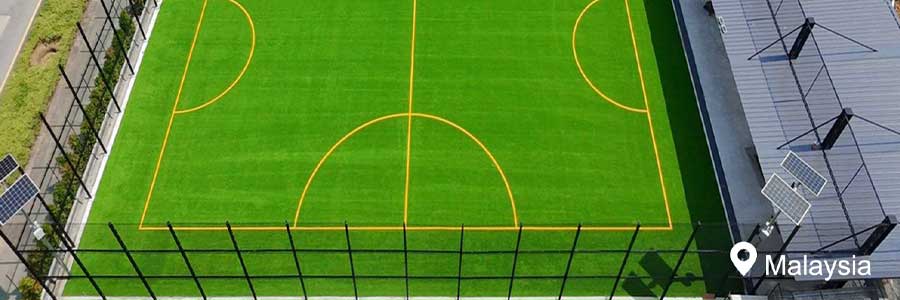
มาตรฐานความปลอดภัยและประสิทธิภาพ
หญ้าเทียมสำหรับฟุตบอลต้องเป็นไปตามมาตรฐานสากลเพื่อให้แน่ใจว่าผู้เล่นมีความปลอดภัย, ประสิทธิภาพที่สม่ำเสมอ, และความคงทนของสนาม.
มาตรฐานหลัก
- โปรแกรมคุณภาพฟีฟ่า:
- การรับรองคุณภาพฟีฟ่า และ การรับรองคุณภาพฟีฟ่า โปร
- การทดสอบประกอบด้วย การกลิ้งของลูกบอล, การดูดซับแรงกระแทก, การเสียรูปในแนวดิ่ง, และการต้านทานการหมุน
- การรับรองคุณภาพฟีฟ่า และ การรับรองคุณภาพฟีฟ่า โปร
- การดูดซับแรงกระแทก: 55–70% เพื่อป้องกันรอยต่อ
- ลูกบอลกลิ้งและกระเด้ง: ความลึกคงที่ 4–8 เมตร ขึ้นอยู่กับประเภทของพื้นที่
- การต้านทานรังสียูวี: ช่วยให้เส้นใยคงสีและความแข็งแรงไว้ภายใต้แสงแดด
- การรับรองในท้องถิ่น: ISO9001, CE, SGS สำหรับความปลอดภัยด้านสิ่งแวดล้อมและการปฏิบัติตามคุณภาพ
ข้อควรพิจารณาด้านความปลอดภัย
- ติดตั้งแผ่นกันกระแทกเพื่อลดการบาดเจ็บจากแรงกระแทก
- ตรวจสอบให้แน่ใจว่ามีระดับการเติมที่เหมาะสมเพื่อรักษาการยึดเกาะและการควบคุมลูกบอล
- การตรวจสอบรอยต่อ ขอบ และระบบระบายน้ำอย่างสม่ำเสมอช่วยป้องกันอุบัติเหตุ
ความยั่งยืนและแนวโน้มในอนาคต
ความยั่งยืนกำลังกลายเป็นปัจจัยสำคัญในการบริหารจัดการสนามกีฬาฟุตบอล ระบบสนามหญ้าเทียมสมัยใหม่ผสานการออกแบบที่เป็นมิตรต่อสิ่งแวดล้อมและวัสดุนวัตกรรมเพื่อลดผลกระทบต่อสิ่งแวดล้อม
วัสดุที่เป็นมิตรกับสิ่งแวดล้อม
- เส้นด้ายและแผ่นรองที่สามารถรีไซเคิลได้: ระบบสนามหญ้าบางประเภท เช่น ซีรีส์ ERET สามารถรีไซเคิลได้ทั้งหมด ช่วยลดปริมาณขยะที่ต้องนำไปฝังกลบ
- อินฟิลออร์แกนิก: คอร์ก เส้นใยมะพร้าว หรือทรายทดแทน ช่วยลดการใช้ยางสังเคราะห์
- การอนุรักษ์น้ำ: หญ้าเทียมช่วยขจัดความจำเป็นในการรดน้ำ ประหยัดน้ำได้หลายพันลิตรต่อปีต่อสนาม
แนวโน้มที่เกิดขึ้นใหม่
- เทคโนโลยีการระบายความร้อนของเส้นด้าย: ลดอุณหภูมิผิวหน้า, ปรับปรุงความสบายในฤดูร้อน.
- ระบบที่ไม่มีการเติมเต็ม: ลดการบำรุงรักษาและกำจัดไมโครพลาสติกที่ไหลออก
- ระบบไฮบริด: ผสมผสานรากหญ้าธรรมชาติกับเส้นใยสังเคราะห์เพื่อความทนทานสูงและสัมผัสที่เป็นธรรมชาติ
การเลือกซัพพลายเออร์หรือผู้ผลิตที่เหมาะสม
การเลือกซัพพลายเออร์หญ้าเทียมสำหรับสนามฟุตบอลที่มีชื่อเสียงดี จะช่วยรับประกันคุณภาพ ความปลอดภัย และการสนับสนุนในระยะยาว
ข้อควรพิจารณาหลัก:
- การรับรอง: คุณภาพฟีฟ่า, คุณภาพฟีฟ่า โปร, เอสจีเอส, ISO9001, ซีอี สำหรับความปลอดภัยของวัสดุและประสิทธิภาพ
- ประสบการณ์ & กรณีศึกษา: โครงการที่ได้รับการพิสูจน์แล้วในสภาพอากาศและสถานการณ์การใช้งานที่คล้ายคลึงกัน
- การสนับสนุนหลังการขาย: คำแนะนำการบำรุงรักษา, การเติมเต็มวัสดุ, และบริการซ่อมแซม
- ตัวเลือกการปรับแต่ง: ความสูงของเสา ความหนาแน่น สี เส้นเครื่องหมาย และตราสัญลักษณ์
กรณีศึกษา (ข้อมูลลูกค้าจริงของ MightyGrass)
สโมสรอาชีพในซาอุดีอาระเบีย: การใช้สองเท่า เส้นด้ายรูปตัว W, Lisport XL ทำงานครบ 12,000 รอบ และรักษาอายุการใช้งานได้แปดปี ที่อุณหภูมิ 50°C ซึ่งยาวนานกว่าสนามหญ้าทั่วไปถึงสามปี
โครงการโรงเรียนในอเมริกาใต้: การเลือก เส้นด้ายรูปตัวเอส ลดค่าใช้จ่ายในการก่อสร้างลง 20% ในขณะที่ปรับปรุงความเร็วของลูกบอลและประสบการณ์ของนักเรียนเมื่อเทียบกับหญ้าธรรมชาติ และเพิ่มความพึงพอใจของผู้ปกครองขึ้น 35%
โครงการของรัฐบาลในแอฟริกา: การจัดหา เส้นด้ายรูปตัว U ลดค่าใช้จ่ายในการบำรุงรักษาภาคสนามลง 30% ในระยะเวลาสามปี ประหยัดกว่า $150,000.
ทำไมต้องเลือกหญ้าเทียมสำหรับฟุตบอล MightyGrass?
- โรงงานที่ได้รับการรับรองจากฟีฟ่า: สินค้าของเราผ่านการทดสอบคุณภาพ FIFA และคุณภาพระดับโปรแล้ว
- ประสบการณ์การผลิตมากกว่า 20 ปี: ผู้พัฒนาและผู้ผลิตหญ้าเทียมรายแรกของจีน โรงงานที่ได้รับการรับรองจากฟีฟ่า.
- ความสามารถในการส่งมอบระดับโลก: โรงงานหญ้าเทียมในประเทศจีนและซาอุดีอาระเบีย พร้อมด้วยคลังสินค้าในรัฐแคลิฟอร์เนีย สหรัฐอเมริกา สนับสนุนการจัดหาสินค้าในท้องถิ่น
- โซลูชันที่ปรับแต่งตามความต้องการ จาก การติดตั้งสนามหญ้าเทียมสำหรับฟุตบอล การฝึกอบรมการบำรุงรักษา เราให้คำแนะนำที่ปรับให้เหมาะสมเกี่ยวกับประเภทของสนามหญ้าและพารามิเตอร์ต่างๆ
- ได้รับการยอมรับในระดับสากล: สินค้าของเราผ่านการทดสอบมาตรฐานสากลมากมาย และได้รับการใช้ประโยชน์อย่างแพร่หลายในโรงเรียน, โครงการของรัฐบาล, และสโมสรอาชีพ.
ในฐานะที่ได้รับความไว้วางใจ ผู้จัดจำหน่ายและผู้ผลิตหญ้าเทียมสำหรับสนามฟุตบอล, MightyGrass มุ่งมั่นที่จะให้คำแนะนำอย่างมืออาชีพและผลิตภัณฑ์หญ้าเทียมคุณภาพสูงแก่ ผู้สร้างสนามฟุตบอล, สโมสร, โรงเรียน, และโครงการของรัฐบาล, ช่วยให้คุณเพิ่มคุณค่าของโครงการของคุณให้สูงสุด
ติดต่อ MightyGrass วันนี้ สำหรับโซลูชันหญ้าเทียมฟุตบอลที่ปรับแต่งตามความต้องการ
บทสรุป
หญ้าเทียมสำหรับสนามฟุตบอลเป็นทางเลือกสมัยใหม่สำหรับสิ่งอำนวยความสะดวกที่เชื่อถือได้ ปลอดภัย และคุ้มค่า มันมอบความสามารถในการเล่นที่สม่ำเสมอ การบำรุงรักษาต่ำ และตัวเลือกที่ยั่งยืนซึ่งตอบสนองความต้องการของโรงเรียน สโมสร และสนามกีฬาอาชีพ
เมื่อเลือกระบบสนามหญ้า ควรพิจารณา:
- การใช้งานในสนามและความปลอดภัยของผู้เล่น
- สภาพภูมิอากาศและสิ่งแวดล้อม
- คุณภาพของวัสดุ, การรับรอง, และความน่าเชื่อถือของผู้จัดจำหน่าย
ด้วยการวางแผนอย่างรอบคอบ การติดตั้งโดยมืออาชีพ และการบำรุงรักษาเป็นประจำ สนามฟุตบอลเทียมสามารถให้ ประสบการณ์ฟุตบอลคุณภาพสูงหลายปี ในขณะที่ลดต้นทุนระยะยาวและผลกระทบต่อสิ่งแวดล้อม
คำแนะนำเกี่ยวกับลิงก์ภายใน: เสริมสร้างการเชื่อมโยงบทความในหมวดหมู่เกี่ยวกับประโยชน์ การติดตั้ง การเปลี่ยนทดแทน และการวิเคราะห์ต้นทุน
คำถามที่พบบ่อย
หญ้าเทียมสำหรับสนามฟุตบอลมีอายุการใช้งานนานแค่ไหน?
โดยทั่วไป 8–12 ปี หากมีการบำรุงรักษาอย่างถูกต้อง; ระบบคุณภาพสูงสามารถใช้งานได้เกิน 12 ปี
หญ้าเทียมสำหรับสนามฟุตบอลปลอดภัยสำหรับผู้เล่นหรือไม่?
ใช่ โดยเฉพาะเมื่อติดตั้งพร้อมกับแผ่นกันกระแทกที่ได้รับการรับรองและบำรุงรักษาอย่างสม่ำเสมอ
สามารถติดตั้งหญ้าเทียมในสภาพอากาศที่รุนแรงได้หรือไม่?
ใช่ ใยสังเคราะห์สมัยใหม่ได้รับการปรับให้คงทนต่อรังสี UV และทนต่อความร้อน น้ำแข็ง หรือฝนตกหนัก
ค่าใช้จ่ายเฉลี่ยในการติดตั้งสนามหญ้าฟุตบอลคือเท่าไร?
ค่าใช้จ่ายโครงการทั้งหมดอยู่ระหว่าง $300,000–$600,000 สำหรับสนามขนาดเต็ม 11 คน ขึ้นอยู่กับวัสดุและงานติดตั้ง
หญ้าเทียมสามารถรีไซเคิลได้หรือไม่?
ใช่ ระบบสนามหญ้าสมัยใหม่หลายระบบใช้เส้นด้ายและวัสดุรองพื้นที่สามารถรีไซเคิลได้