العربية
  English
  Español
  Deutsch
  Français
  Português
  Русский
  日本語
日本語  Italiano
  Nederlands
  Svenska
  Suomi
Suomi  ไทย
ไทย  Dansk
Dansk  Ελληνικά
  Bahasa Melayu
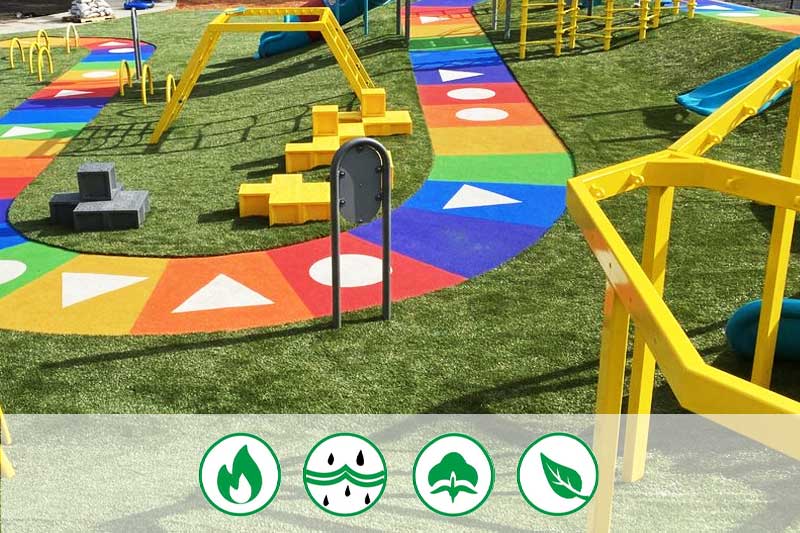
إذا سبق لك شراء عشب الملعب للمدرسة أو الحديقة أو منطقة اللعب التجارية، فمن المحتمل أنك لست غريبًا عن ملصقات الشهادات مثل IPEMA و EN1177 و REACH.
على الورق، يبدو الأمر بسيطاً: "عشب معتمد = مشروع آمن."
في الواقع، عندما يتعلق الأمر بالعشب الاصطناعي للملاعب، لا يتم تحديد السلامة من خلال الملصق - بل يتم تحديدها من خلال ما إذا كان النظام بأكمله يعمل في ظل ظروف حقيقية.
- قد تفي لفة العشب الصناعي الموجودة في المستودع بالمعايير الكيميائية.
- قد تجتاز عينة تم اختبارها في المختبر اختبار الصدمات.
ولكن بمجرد تركيبها في الموقع - مع قاعدتك، ووسادة الصدمات الخاصة بك، ومناخك - قد تسفر عن نتائج مختلفة.
يرشدك هذا الدليل إلى كيفية عمل شهادات عشب الملاعب في الواقع - وكيفية تطبيقها على مشاريع حقيقية، سواء كنت تبحث عن مصادر عشب مزيف لمناطق اللعب في الهواء الطلق، أو بناء سلسلة توريد مستودعات عشب الملاعب، أو تحديد المواد للمناقصات العامة.
إطار العمل العالمي لإصدار شهادات اعتماد عشب الملاعب
فكر في اعتماد عشب الملعب كنظام سلامة ثلاثي الطبقات، وليس اعتماداً واحداً.
على مستوى المشروع، يجب أن يحل كل سطح ملعب على مستوى المشروع ثلاثة مخاطر مختلفة في نفس الوقت:
| بُعد السلامة | ما الذي يحميه | المعيار الرئيسي |
| السلامة من الصدمات | إصابات الرأس من السقوط | EN1177/STM F1292 |
| سلامة المواد | التعرض للسموم من التلامس | REACH / CPSIA |
| تكامل النظام | الأداء الواقعي بعد التثبيت | آيبيما |
تحدث معظم حالات الفشل عندما يتم تجاهل إحدى هذه الطبقات.
على سبيل المثال، قد يختار المقاول أفضل عشب صناعي للملعب بناءً على المظهر والمتانة - ولكنه يتجاهل تصميم وسادة الصدمات. والنتيجة؟ سطح يبدو ممتازاً ولكنه يفشل في اختبار ارتفاع السقوط.
أو قد يستورد أحد الموزعين عشبًا صناعيًا منخفض التكلفة لمناطق اللعب يفي بالمواصفات البصرية ولكنه يفشل في الوصول إلى REACH بسبب محتواه من المعادن الثقيلة - مما يؤدي إلى استبعاده من مشاريع الاتحاد الأوروبي أو المشاريع التجارية الراقية.
في MightyGrass، شهدنا هذا النمط مراراً وتكراراً في جميع أنحاء أمريكا الشمالية والأسواق الدولية:
- المشاريع التي تفشل في الفحص بسبب تركيبات النظام غير الصحيحة، وليس بسبب جودة العشب
- ينخفض أداء التأثير بمقدار 30%+ في غضون 2-3 سنوات بسبب ضعف بناء القاعدة
- العشب المستورد المرفوض بسبب التركيب الكيميائي غير المطابق للمواصفات
إن سطح الملعب المتوافق ليس مجرد منتج، بل هو نظام مصمم.
كيف يتم قياس سلامة عشب الملاعب في الواقع
وراء كل شهادة مجموعة من مؤشرات الأداء القابلة للقياس. وهي ليست نظرية - فهي تحدد بشكل مباشر ما إذا كان مشروعك سينجح أو يفشل.
وأهمها معيار إصابة الرأس (HIC).
وبعبارات بسيطة، يقيس HIC مدى احتمال تعرض الطفل لإصابة خطيرة في الرأس عند السقوط على سطح ما. على مستوى الصناعة، تعتبر قيمة HIC ≤ 1000 هي الحد الأعلى للسلامة. أنظمة عشب الملعب عالية الجودة عادةً ما يكون الأداء أفضل بكثير، وغالبًا ما يكون في نطاق 600-800.
ويرتبط بذلك ارتباطاً وثيقاً ارتفاع السقوط الحرج (CFH) - وهو أقصى ارتفاع يمكن أن يسقط منه الطفل دون إصابة خطيرة.
- يتطلب الملعب الذي يبلغ طوله 1.5 متر (≈5 أقدام) نظامًا مختلفًا عن الهيكل الذي يبلغ طوله 3.0 متر (≈10 أقدام)
- يجب أن تتماشى سماكة وسادة الصدمة وكثافة العشب وضغط القاعدة مع هذا الشرط
في اختبار العالم الحقيقي (ASTM F1292 أو EN1177)، يتم إسقاط شكل رأس مزود بمستشعر على السطح بشكل متكرر. يجب أن يحافظ النظام على الأداء ليس فقط لمرة واحدة - ولكن بعد محاكاة التآكل.
هذا هو المكان الذي تفشل فيه العديد من الأنظمة منخفضة التكلفة.
من البيانات الميدانية وتقارير اختبارات الطرف الثالث:
- يمكن أن تشهد الأنظمة ذات الجودة الرديئة زيادة في قيم HIC بنسبة 20-50% بعد اختبارات التقادم
- في المناخات الحارة يمكن أن تتصلب المواد، مما يقلل من امتصاص الصدمات
هذا هو السبب في أن تحديد العشب تحت معدات الملعب دون النظر في النظام الكامل يمثل مخاطرة. في MightyGrass، يبدأ تصميم النظام دائمًا من ارتفاع السقوط المستهدف، وليس من اختيار العشب. لأن السلامة مصممة - وليست مفترضة.

ما هي الشهادات الرئيسية التي تحتاج إلى معرفتها لمشاريعك الفعلية؟
لا يحتاج كل مشروع إلى كل شهادة - ولكن اختيار التركيبة الخاطئة يمكن أن يؤخر الموافقات، أو يزيد من المسؤولية، أو حتى يفرض استبدالاً كاملاً بعد التركيب.
في معظم سيناريوهات العالم الواقعي، هناك ثلاث شهادات تحدد ما إذا كان العشب الصناعي لسطح الملعب مقبولاً أم لا:
| التصديق | التركيز | الأسواق النموذجية |
| آيبيما | التحقق من صحة النظام بالكامل | الولايات المتحدة الأمريكية، المدارس، الحدائق العامة |
| EN1177 | أداء التأثير | أوروبا، الشرق الأوسط، دولي، دولي |
| ريتش | السلامة الكيميائية | الاتحاد الأوروبي، التصدير العالمي |
إن فهم كيفية اختلافهما هو ما يفصل بين المشروع المتوافق والمشروع المحفوف بالمخاطر.
آيبيما: التحقق من السلامة على مستوى النظام
في الولايات المتحدة، غالباً ما يتم التعامل مع شهادة IPEMA على أنها معيار لسلامة الملاعب - ولكن كثيراً ما يُساء فهمها.
لا تعتمد IPEMA منتج العشب العشبي المستقل.
وهي تعتمد نظام تسطيح كامل تم اختباره في ظل ظروف محددة.
ويشمل ذلك:
- سجادة عشبية
- وسادة الصدمات (النوع والسمك)
- الهيكل الأساسي
- طريقة التثبيت
هذا التمييز مهم أكثر مما يدركه معظم المشترين.
لأنك إذا قمت بتغيير ولو مكون واحد - تبديل مورد وسادة الصدمات أو تقليل سمكها أو تعديل قاعدتها - فإنك لم تعد تستخدم النظام المعتمد.
يمكن أن يؤثر ذلك بشكل مباشر على المدارس والبلديات والمشاريع العامة:
- الموافقة على الفحص
- الامتثال للتأمين
- المسؤولية القانونية
في سوق الولايات المتحدة، حيث يتم تطبيق معايير ADA لإمكانية الوصول ومعايير ASTM بشكل صارم، فإن الأنظمة المعتمدة من IPEMA تقلل بشكل كبير من مخاطر المشروع.
بالنسبة للمقاولين والموزعين، لا يتمثل النهج الذكي في الحصول على عشب ملعب معتمد من IPEMA فحسب، بل في الحصول على نظام معتمد مع تكوينات موثقة. هذا هو بالضبط المكان الذي تخلق فيه MightyGrass قيمة لك - فنحن لا نقدم فقط المواصفات الفنية لمنتج واحد، بل مجموعة شاملة من الدعم على مستوى النظام.
EN1177: سلامة التأثير على المشاريع الدولية
على عكس IPEMA، يركز EN1177 على أداء الصدمات فقط، وليس على تكوين النظام.
وهذا يمنحك المزيد من المرونة - ولكن أيضاً المزيد من المسؤولية.
وبدلاً من اتباع نظام ثابت، يجب عليك التأكد من أن التركيبة التي اخترتها تفي بارتفاع السقوط الحرج المطلوب.
على سبيل المثال:
- لا يمكن استخدام النظام الذي تم اختباره حتى 1.3 متر من السعة الحرارية المربعة تحت هيكل 2.0 متر
- تعني زيادة متطلبات ارتفاع السقوط عادةً وجود وسادات صدمات أكثر سمكًا أو تصميمات ذات أداء أعلى
EN1177 مطلوب على نطاق واسع في:
- أوروبا (الامتثال الإلزامي)
- الشرق الأوسط (المناقصات العامة)
- المدارس الدولية والملاعب التجارية
في MightyGrass، تتم معالجة ذلك من خلال تصميم نظام مرن، مما يسمح لك بمطابقة الميزانية والمناخ وأهداف الأداء دون المساس بالامتثال.
ريتش: سلامة المواد والامتثال للمواد الكيميائية
في حين أن السلامة من الصدمات تحمي من الإصابات، فإن REACH تحمي من شيء أقل وضوحًا - ولكن بنفس القدر من الأهمية: التعرض طويل الأمد للمواد الضارة.
REACH هي اللائحة الكيميائية الأكثر صرامة في الاتحاد الأوروبي، وهي تنطبق مباشرة على العشب الصناعي لمناطق اللعب.
يتحكم في مواد مثل:
- الرصاص والمعادن الثقيلة
- الهيدروكربونات العطرية العطرية العديدة الحلقات (PAHs) الموجودة عادة في المواد المعاد تدويرها
- المواد المضافة الخطرة في البلاستيك والطلاءات
ما أهمية ذلك حتى خارج أوروبا؟
لأن المشترين العالميين يتوافقون مع توقعات السلامة الأعلى.
في السنوات الأخيرة
- المزيد من المناقصات الدولية تتطلب الامتثال لمعايير REACH افتراضيًا
- سلاسل البيع بالتجزئة والمطورين يرفضون بشكل متزايد المواد غير المتوافقة
- أصبح المستخدمون النهائيون (خاصة المدارس وأولياء الأمور) أكثر وعيًا بسلامة المواد
- إن منتجات العشب منخفضة الجودة - خاصة تلك التي تستخدم محتوى معاد تدويره غير خاضع للرقابة - هي الأكثر عرضة للفشل في اختبار REACH.
بالنسبة للموردين أو الموزعين الذين يقومون ببناء مستودع عشب الملاعب، فإن هذا يخلق مخاطر خفية: يمكن أن يصبح المخزون غير المتوافق غير قابل للبيع بسرعة في الأسواق المنظمة.
في MightyGrass، يتم تضمين الامتثال في الإنتاج - بدءًا من بثق الخيوط وحتى الدعم - مما يضمن أن العشب المزيف لمناطق اللعب الخارجية يلبي توقعات السلامة ومتطلبات الوصول إلى السوق.
كيف تترجم الشهادات إلى تصميم نظام العشب
لا تبقى الشهادات حبراً على ورق - فهي تشكل بشكل مباشر كيفية بناء نظام العشب في ملعبك من الألف إلى الياء.
إذا قمت بعكس هندسة أي نظام متوافق، ستجد المنطق نفسه: ابدأ بالارتفاع المطلوب للسقوط ← قم بهندسة النظام ← تحقق من صلاحيته بالاختبار.
يشتمل العشب الصناعي النموذجي لنظام تسطيح أرضيات الملاعب على أربع طبقات وظيفية:
| الطبقة | الوظيفة | تأثير التصميم |
| سجادة العشب | مقاومة التآكل + ملمس السطح | شكل الألياف وكثافتها وثباتها وثبات الأشعة فوق البنفسجية |
| وسادة الصدمات | امتصاص الصدمات | السُمك (10-50 مم)، نوع المادة |
| الطبقة الأساسية | الاستقرار الهيكلي | الضغط، وأداء الصرف |
| الطبقة التحتية | المؤسسة | حالة التربة، والانحدار، والتحكم في المياه |
وهنا يأتي دور الشهادات:
- يحدد EN1177 EN1177 / ASTM F1292 مقدار امتصاص الصدمات الذي يجب أن يقدمه نظامك
- أقفال IPEMA في التكوين الدقيق الذي تم اختباره
- تضمن REACH أن كل المواد المستخدمة آمنة للتلامس البشري
في المشاريع الحقيقية، حتى التعديلات الصغيرة يمكن أن تغير الأداء بشكل كبير.
على سبيل المثال:
- يمكن أن يؤدي تقليل سمك وسادة الصدمات بمقدار 10 مم إلى خفض ارتفاع السقوط الحرج بمقدار 20-40%
- يمكن أن يؤدي ضعف ضغط القاعدة إلى زيادة صلابة السطح بنسبة 15-25%
- ستؤدي العيوب في تصميم نظام الصرف إلى تراكم المياه لفترات طويلة، مما يؤدي في النهاية إلى فشل نظام العشب في الملعب.
هذا هو السبب في أن فكرة شراء "أفضل عشب صناعي للملعب" دون تصميم النظام فكرة معيبة.
في MightyGrass، يعتمد تصميم النظام دائماً على الأداء. فبدلاً من الدفع بمنتج ثابت، نساعدك بدلاً من ذلك في تحديد المعلمات الرئيسية - مثل ارتفاع السقوط الحرج المستهدف، وكثافة الاستخدام (سواء للمدارس أو الحدائق العامة أو الأماكن التجارية)، والظروف البيئية المناخية. ثم نطابقها مع عشب تم التحقق منه + وسادة الصدمات + المحلول الأساسي.
المتطلبات الإقليمية: ما تحتاجه حسب السوق
إذا كنت تقوم بتوريد العشب الاصطناعي لمناطق اللعب في مناطق متعددة، فإن فهم هذه الاختلافات أمر بالغ الأهمية لتجنب التأخير أو رفض المشاريع.
| سوق | المتطلبات الأساسية | ما يتوقعه المشترون |
| الولايات المتحدة الأمريكية | معايير IPEMA + معايير ASTM | شهادة النظام الكامل + التوافق مع ADA |
| أوروبا | EN1177 EN1177 + REACH | ارتفاع السقوط المتحقق منه + السلامة الكيميائية |
| الشرق الأوسط | EN1177 (شائع) | أداء في درجات الحرارة العالية + المتانة |
| جنوب شرق آسيا | EN1177 (متزايد) | التوازن بين التكلفة والأداء + الامتثال للسلامة |
| أستراليا | معايير AS/NZS (المتوافقة مع EN) | أمان ضد الصدمات + مقاومة للأشعة فوق البنفسجية |
في الولايات المتحدة، يرتبط الاعتماد ارتباطًا وثيقًا بالمسؤولية والموافقة على التفتيش. وعادة ما تتطلب المدارس والبلديات أنظمة IPEMA موثقة.
أما في أوروبا، فإن الامتثال في أوروبا أكثر صرامة فيما يتعلق بالمواد والسلامة البيئية، مما يجعل REACH غير قابل للتفاوض.
- أما في المناطق الأكثر حرارة مثل الشرق الأوسط، فتظهر طبقة أخرى:
- درجة حرارة السطح واستقرار المادة، على سبيل المثال, أنظمة العشب الصناعي عالية الجودة يمكن أن تعمل الهياكل الليفية المتطورة التي تتميز بها على خفض درجات حرارة السطح بمقدار 5 إلى 10 درجات مئوية مقارنةً بالعشب الصناعي العادي، مما يعزز بشكل كبير من قابلية استخدام وسلامة المكان.
- بالنسبة للموزعين الذين يديرون مستودع عشب الملاعب، فهذا يعني شيئاً واحداً:
- لا يمكن لمنتج واحد أن يخدم كل الأسواق، فأنت بحاجة إلى استراتيجية منتجات خاصة بكل منطقة، مدعومة بالشهادات الصحيحة.
- اختبار أداء دورة الحياة: 3-5 سنوات من الأداء ومقاومة العشب الخارجي للأشعة فوق البنفسجية في الملاعب الخارجية

كيفية مطابقة الشهادات مع نوع مشروعك
لا يتطلب كل مشروع من مشاريع الملاعب نفس مستوى الاعتماد - ومع ذلك فإن اختيار مستوى اعتماد منخفض جدًا (أو مرتفع جدًا) يمكن أن يكون مكلفًا. من الضروري النظر في الأمر ليس فقط من منظور المنتج ولكن أيضًا من وجهة نظر سياق التطبيق المحدد للمشروع.
| نوع المشروع | الشهادات الموصى بها | أولوية النظام |
| المدرسة العامة | الاتحاد الدولي للملاحة الجوية والفضاء + الرابطة الدولية للملاحة الجوية والفضاء + الرابطة الدولية للملاحة الجوية والفضاء | أقصى درجات السلامة + الامتثال |
| حديقة البلدية | IPEMA أو EN1177 | المتانة + أداء الصدمات |
| منطقة اللعب التجاري | EN1177 EN1177 + REACH | التكلفة + توازن التكلفة + السلامة |
| ملعب داخلي | EN1177 (CFH سفلي) | التوسيد + النظافة |
| الفناء الخلفي السكني | اختياري EN1177 | الراحة + الميزانية |
على سبيل المثال:
- قد يفشل مشروع مدرسة أمريكية بدون شهادة IPEMA في الحصول على الموافقة - حتى لو كان أداء العشب جيدًا
- قد لا يمر ملعب تجاري في أوروبا بدون الامتثال لـ REACH في المشتريات
- قد لا تتطلب منطقة اللعب الداخلية ارتفاعاً عالياً للسقوط، ولكنها لا تزال بحاجة إلى توسيد موثوق به
في MightyGrass، نلاحظ في كثير من الأحيان وقوع المقاولين والموزعين في أحد مأزقين: إما دفع رسوم باهظة للحصول على شهادات غير ضرورية، أو - والأسوأ من ذلك - تكبد نفقات إعادة العمل المكلفة ونفقات الإصلاح في وقت لاحق بسبب عدم كفاية المواصفات الفنية. اتصل بفريق خبرائنا اليوم لتتم مطابقتك مع حل مناسب لنظام ملاعب العشب الصناعي، مما يساعدك بشكل فعال على تجنب هذين النقيضين.
قائمة مراجعة المقاول: من المواصفات إلى التركيب
في مشاريع الملاعب في العالم الحقيقي، لا تأتي السلامة من العشب الصناعي عالي الجودة وحده. إنه يأتي من مدى جودة تحديد النظام بأكمله وهندسته وتركيبه في الموقع. حتى أفضل عشب صناعي للملاعب يمكن أن يفشل في تلبية معايير السلامة إذا لم يتم تنفيذ عملية تركيب وسادة الصدمات أو القاعدة أو التركيب بشكل صحيح.
لذا فبدلاً من التركيز فقط على العشب الصناعي لمواد تسطيح أرضيات الملاعب، إليك ما تحتاج إلى التحكم فيه في كل مرحلة - من الشراء إلى ما بعد التركيب - للتأكد من أن أفضل نظام عشب للملاعب يعمل على النحو المنشود ويجتاز الفحص دون مفاجآت.
| مرحلة المشروع | ما عليك القيام به | ما أهمية ذلك | الخطأ الشائع |
| قبل الشراء | تأكيد الشهادات المطلوبة بناءً على موقع المشروع | يضمن الامتثال للوائح المحلية (IPEMA، EN1177، REACH) | بافتراض أن جميع "العشب المعتمد" مقبول عالميًا |
| اطلب تقارير اختبار النظام الكاملة، وليس فقط شهادات المنتج | التحقق من الأداء الحقيقي للعشب + وسادة الصدمات + نظام القاعدة | التحقق من مواصفات العشب فقط دون التحقق من صحة النظام | |
| التحقق من تطابق ارتفاع السقوط الحرج مع تصميم المعدات | مواءمة سلامة السطح مع ارتفاع هيكل الملعب | عدم التوافق بين ارتفاع السقوط وقدرة النظام الفعلية | |
| أثناء التصميم | حدد سمك وسادة الصدمات بوضوح (وليس "أو ما يعادلها") | تؤثر بشكل مباشر على أداء توهين الصدمات | السماح بالبدائل التي تقلل من أداء السلامة |
| تحديد بنية القاعدة (حجر مضغوط، طبقات تصريف) | يضمن ثباتاً طويل الأمد وامتصاصاً ثابتاً للصدمات | تجاهل التصميم الأساسي أو تركه للمركبين | |
| خطة الصرف الصحي | يمنع تراكم المياه وتصلب السطح بمرور الوقت | سوء التصريف الذي يؤدي إلى فشل النظام قبل الأوان | |
| أثناء التثبيت | ضمان توافق ضغط القاعدة مع المعايير الهندسية (≥95%) | يحافظ على أداء السطح ثابتًا | ضغط غير متساوٍ أو غير كافٍ |
| الحفاظ على تركيب وسادة صدمات ثابتة | يتجنب نقاط الضعف التي تفشل في اختبارات التصادم | الفجوات أو التداخلات أو السماكة غير المتناسقة | |
| التحكم في جودة التماس وشد العشب | يضمن المتانة والسلامة في ظل الاستخدام الكثيف | ضعف الإغلاق مما يؤدي إلى انفصال السطح | |
| ما بعد التثبيت | إجراء اختبار التأثير في الموقع إذا لزم الأمر | تأكيد الامتثال في العالم الحقيقي قبل التسليم | تخطي التحقق بعد التثبيت |
| توثيق التثبيت للفحص والضمان | حماية المقاول وتبسيط الموافقات | عدم وجود وثائق أثناء التفتيش | |
| صيانة الخطة (التنظيف بالفرشاة وإعادة التوزيع) | يحافظ على الأداء والسلامة على المدى الطويل | التعامل مع العشب على أنه "لا يحتاج إلى صيانة" |
لماذا تختار MightyGrass لأنظمة عشب الملاعب المعتمدة
إن اختيار مورد لعشب الملاعب لا يتعلق فقط بالسعر أو المظهر - بل يتعلق بما إذا كان نظامك سيجتاز الفحص ويؤدي عمله لسنوات.
تتعامل MightyGrass مع هذا الأمر بشكل مختلف. فنحن لا نبيع لك أفضل منتجات عشب الملاعب فحسب، بل نقدم أيضًا الدعم الفني لأنظمة العشب الصناعي المصممة خصيصًا لتلبية متطلبات سيناريوهات الاستخدام في العالم الحقيقي.
ما يعنيه ذلك بالنسبة لك:
- الوصول المباشر إلى القمة مُصنِّع العشب الصناعي: العمل مباشرة مع مصنع رائد في مجال العشب الصناعي - لا وسطاء ولا ثغرات في المعلومات - مما يضمن تحكماً أفضل في التكلفة وتواصلاً أسرع وشفافية كاملة من الإنتاج إلى التسليم
- محلي مستودع الولايات المتحدة الدعم: مع المخزون المخزون وقدرات التنفيذ في كاليفورنيا، الولايات المتحدة. إذا كنت في أمريكا الشمالية، فسوف تستمتع بسرعات تسليم أسرع، ومهل زمنية أقصر، وأداء محسن لمشاريعك العاجلة أو احتياجاتك الهندسية المستمرة.
- الحلول المستندة إلى النظام: ستحصل على توصيات مطابقة للعشب ووسادة الصدمات والقاعدة - وليس تخميناً
- دعم الشهادات العالمية: أنظمة مصممة لتلبية متطلبات IPEMA و EN1177 و REACH
- التحكم في التصنيع الداخلي: بدءًا من بثق الخيوط وحتى التدعيم، مما يضمن اتساق الجودة والامتثال
- هندسة مخصصة لسوقك: سواءً كانت شركتك تستهدف الولايات المتحدة أو أوروبا أو الأسواق الناشئة، فإننا نقدم حلولاً مصممة بدقة ومخصصة للعشب الصناعي للملاعب.
- خبرة مشروع مثبتة: دعم المدارس والحدائق والملاعب التجارية في جميع أنحاء العالم
إذا كنت تخطط لمشروع ملعب - سواءً كان مدرسة أو حديقة أو منطقة لعب تجارية - فإن النهج الأكثر أماناً هو البدء بتصميم نظام تم التحقق منه، وليس مجرد منتج. اطلب حلاً مخصصاً من مايتي جراس على الفور! سوف يتطابق هذا الحل بدقة مع ارتفاع السقوط الحرج المستهدف، ويتوافق تمامًا مع متطلبات الاعتماد المحلية، ويتم تحسينه بشكل شامل من حيث التكلفة والمتانة والسلامة.
خاتمة
لا يتم تعريف سلامة الملعب بشهادة واحدة - بل يتم تعريفها بمدى جودة أداء النظام بأكمله في العالم الحقيقي.
ولكن فقط عندما يتم تطبيقها معًا - من خلال التصميم المناسب واختيار المواد والتركيب المناسب - فإنها تخلق سطحًا يمكنك الوثوق به حقًا.
بالنسبة للمقاولين والموزعين وأصحاب المشاريع، فإن التحول واضح:
- توقف عن شراء العشب كمنتج
- البدء في تحديد العشب كنظام
لأنه في مشاريع الملاعب، السلامة ليست شيئًا تدّعيه. إنه شيء تقوم بهندسته واختباره وتسليمه - في كل مرة.
التعليمات
ما هو عشب الملاعب المعتمد من IPEMA؟
يشير عشب الملعب المعتمد من IPEMA إلى نظام تسطيح الملعب الكامل - وليس فقط العشب الصناعي نفسه - الذي تم اختباره وفقًا لمعايير ASTM مثل ASTM F1292 (التوهين بالصدمات) و ASTM F1951 (إمكانية الوصول).
وهذا يعني أنه قد تم التحقق من مزيج العشب ووسادة الصدمات ونظام القاعدة لتوفير حماية آمنة من السقوط وإمكانية الوصول إليها لاستخدامها في الملعب.
هل أحتاج إلى شهادة IPEMA لجميع مشاريع الملاعب؟
ليس دائماً - ولكن ذلك يعتمد على السوق الذي تعمل فيه.
- في الولايات المتحدة الأمريكية، غالباً ما تكون شهادة IPEMA مطلوبة للمدارس والحدائق العامة والمشاريع البلدية
- بالنسبة للمشاريع الخاصة أو السكنية، قد لا يكون ذلك إلزامياً، ولكنه لا يزال يضيف مصداقية ويقلل من المسؤولية
إذا كنت تقدم عطاءات لمشاريع عامة، يوصى بشدة باستخدام نظام معتمد من IPEMA.
ما الفرق بين EN1177 و ASTM F1292؟
كلا المعيارين يقيسان السلامة من الصدمات، ولكنهما يستخدمان في مناطق مختلفة:
- EN1177 هو المعيار الأوروبي، ويستخدم على نطاق واسع في أوروبا والشرق الأوسط والمشاريع الدولية
- ASTM F1292 هو المعيار الأمريكي المستخدم عادةً في الأنظمة المعتمدة من IPEMA
يقوم كلاهما بتقييم معيار إصابة الرأس (HIC) وارتفاع السقوط الحرج، ولكن تختلف إجراءات الاختبار وأطر الامتثال اختلافًا طفيفًا.
ما هو أفضل عشب صناعي للملاعب؟
إن أفضل عشب صناعي للملاعب لا يتعلق فقط بالعشب نفسه، بل يتعلق بتصميم النظام بأكمله.
يتضمن نظام عشب الملعب عالي الأداء عادةً ما يلي:
- خيوط متينة غير سامة مصنوعة من البولي إيثيلين البولي إيثيلين (متوافقة مع اتفاقية ريتش)
- وسادة صدمات متطابقة بشكل مناسب لامتصاص الصدمات
- قاعدة مستقرة ومضغوطة بشكل جيد لأداء طويل الأمد
بدلاً من اختيار منتج بمفرده، يجب عليك اختيار نظام يلبي معايير ارتفاع السقوط المطلوبة ومعايير الاعتماد.
كم يجب أن تكون سماكة عشب الملعب ووسادة الصدمات؟
تعتمد السماكة المطلوبة على ارتفاع السقوط الحرج لمعدات الملعب الخاص بك.
كمرجع عام:
- مناطق اللعب منخفضة الارتفاع (≤1.5 م): قد تكون وسادات الصدمات الرقيقة (10-20 مم) كافية
- الهياكل متوسطة الارتفاع (1.5-2.5 متر): تتطلب عادةً وسادات من 20-40 مم
- معدات الملاعب المرتفعة (≥3 م): قد تتطلب 40-50 مم أو أكثر
يجب التحقق من صحة المواصفات الدقيقة من خلال اختبار EN1177 أو اختبار ASTM F1292.
هل العشب الصناعي آمن للملاعب؟
نعم - عند تصميم العشب الصناعي لسطح الملعب وتركيبه بشكل صحيح، يعتبر العشب الصناعي لسطح الملعب آمنًا ويستخدم على نطاق واسع في المدارس والحدائق العامة.
تعتمد السلامة على ثلاثة عوامل رئيسية:
- امتصاص الصدمات (EN1177 EN1177 / ASTM)
- مواد غير سامة (معايير REACH أو ما يعادلها)
- التركيب السليم (القاعدة والصرف وسلامة النظام)
وبدون ذلك، قد لا يعمل حتى العشب عالي الجودة بأمان.
ما الذي يدخل تحت عشب الملعب؟
يتضمن نظام عشب الملعب الكامل عادةً ما يلي:
- وسادة الصدمات (للحماية من السقوط)
- قاعدة ركام مضغوطة (للاستقرار والصرف)
- تعبئة اختيارية (حسب تصميم النظام)
هذا الهيكل متعدد الطبقات هو ما يسمح للعشب الموجود أسفل معدات الملعب بتلبية معايير السلامة.
كم من الوقت يدوم العشب الصناعي للملاعب؟
عادةً ما تدوم أنظمة عشب الملاعب عالية الجودة:
- 8-12 سنة في البيئات المدرسية العادية أو المتنزهات
- أطول مع الصيانة المناسبة والاستخدام المعتدل
ومع ذلك، يجب مراقبة أداء الصدمات (امتصاص الصدمات) مع مرور الوقت، حيث قد ينخفض تدريجياً حسب الاستخدام والظروف المناخية.
هل يحتاج عشب الملعب إلى صيانة؟
نعم، على الرغم من أنه أقل صيانة من العشب الطبيعي.
تشمل الصيانة النموذجية ما يلي:
- التنظيف بالفرشاة للحفاظ على وضع الألياف
- فحص اللحامات والحواف
- فحص أداء وسادة الصدمات بمرور الوقت
- إعادة توزيع الردم (إن أمكن)
تساعد الصيانة الدورية في الحفاظ على المظهر وأداء السلامة.
هل يمكنني تركيب عشب الملعب مباشرة على التربة؟
لا يوصى بتركيب العشب الصناعي مباشرة على التربة في الملاعب.
بدون قاعدة مناسبة ووسادة صدمات مناسبة:
- لن يفي السطح بمعايير السلامة من الصدمات
- سيكون الصرف سيئاً
- قد يتحول العشب أو يتشوه بمرور الوقت
تُعد القاعدة المصممة هندسيًا بشكل صحيح أمرًا ضروريًا للسلامة والمتانة.
كيف يمكنني اختيار مورد عشب الملعب الموثوق به؟
انظر إلى ما هو أبعد من السعر ومواصفات المنتج. يجب أن يقدم المورد الموثوق به:
- الحلول القائمة على النظام (وليس فقط لفات العشب)
- دعم شهادات معتمدة (IPEMA، EN1177، REACH)
- التحكم في التصنيع الداخلي
- خبرة في مشاريع الملاعب الدولية
- إرشادات تركيب واضحة
يساعدك العمل مع مورد محترف مثل MightyGrass على ضمان أن يكون مشروعك متوافقاً وآمناً ومصمماً ليدوم طويلاً.