Ελληνικά
  English
  العربية
  Español
  Deutsch
  Français
  Português
  Русский
  日本語
日本語  Italiano
  Nederlands
  Svenska
  Suomi
Suomi  ไทย
ไทย  Dansk
Dansk  Bahasa Melayu
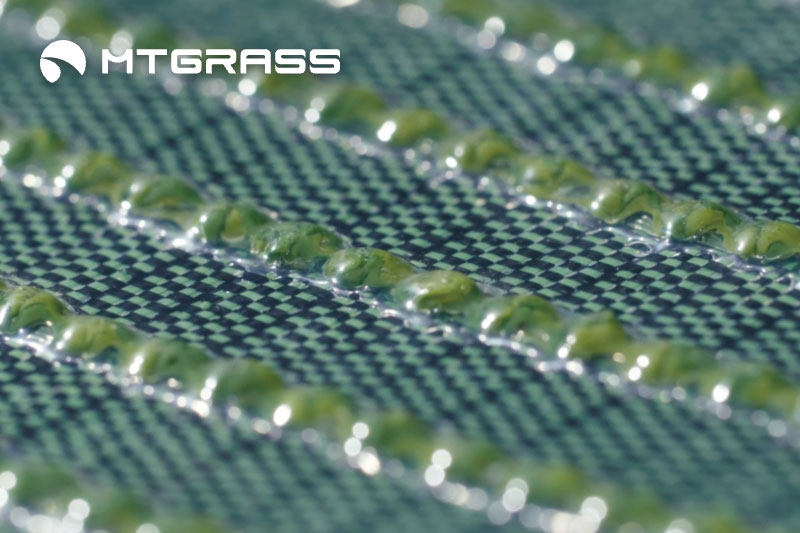
Στο παγκόσμιο σύστημα παραγωγής τεχνητού χλοοτάπητα, τεχνητή υποστήριξη χλοοτάπητα αντιπροσωπεύει 24%-32% του συνολικού βάρους του τεχνητού χλοοτάπητα, και είναι η βασική δομή που καθορίζει την αντοχή έλξης των ινών χόρτου, τη συνολική σταθερότητα ρολό, αντοχή στις καιρικές συνθήκες, και το μακροπρόθεσμο κόστος. Το χρώμα του υποστρώματος του τεχνητού χλοοτάπητα δεν είναι απλώς μια οπτική διαφορά- είναι συνήθως μια εξωτερική εκδήλωση της σύνθεσης του υλικού, του συγκολλητικού συστήματος, της αναλογίας ορυκτής σκόνης πλήρωσης και της περιεκτικότητας σε αντιγηραντικό παράγοντα.
Σύμφωνα με στατιστικά στοιχεία από τη Διεθνή Ένωση Κατασκευαστών Τεχνητού Χλοοτάπητα (ESTO) και πολυεθνικές εργαστηριακές δοκιμές (SGS, TÜV, Labosport), πάνω από 71% των προβλημάτων μετά την πώληση σε γήπεδα σχετίζονται με τη γήρανση, την κονιορτοποίηση και την αποκόλληση του υποστρώματος του χλοοτάπητα. Μεταξύ αυτών, οι διαφορές στη σύνθεση του υλικού υποστήριξης του τεχνητού χλοοτάπητα που αντικατοπτρίζονται στις διαφορές χρώματος είναι οι πιο εύκολα παραβλέψιμες πτυχές από τους εγκαταστάτες τεχνητού χλοοτάπητα και τους εργολάβους αθλητικών εγκαταστάσεων.
Τι αντίκτυπο έχουν τα διάφορα υλικά υποστήριξης τεχνητού χλοοτάπητα στο χλοοτάπητα; Η "κόλλα" που βλέπετε δεν είναι απλώς ένα βαμμένο χρώμα, αλλά ένα σύστημα πυρήνα που καθορίζει τη σταθερότητα, τη διάρκεια ζωής, την αντοχή στην εξαγωγή και τη συνολική δομική αντοχή του χλοοτάπητα. Στα διεθνή πρότυπα κατασκευής τεχνητού χλοοτάπητα (EN 15330-1, Πρόγραμμα Ποιότητας της FIFA), το υπόστρωμα του χλοοτάπητα αποτελεί βασικό δείκτη που επηρεάζει την απόδοση του προϊόντος.
Ως επαγγελματίας εγκαταστάτης τεχνητού χλοοτάπητα, τίποτα δεν είναι χειρότερο από την εκ νέου επεξεργασία μετά την παράδοση και την εξήγηση ζητημάτων ποιότητας μετά την πώληση. Κάθε επανεργασία όχι μόνο βλάπτει άμεσα τα συμφέροντά σας, αλλά εγείρει επίσης ερωτήματα σχετικά με τον επαγγελματισμό σας από τους πελάτες σας. Σε αυτό το άρθρο, ένας εμπειρογνώμονας με πάνω από 20 χρόνια εμπειρίας στην κατασκευή τεχνητού χλοοτάπητα θα σας πει ότι οι διαφορετικές συγκολλητικές ουσίες υποστήριξης συνεπάγονται διαφορετική ποιότητα πρώτων υλών, αντοχή στη γήρανση και συνθέσεις συγκολλητικών ουσιών. Η επιλογή της κόλλας υποστήριξης και το χρώμα της θα επηρεάσουν τη διαδικασία υποβολής προσφορών, τη διάρκεια ζωής, το κόστος και τη σταθερότητα του έργου σας με τεχνητό χλοοτάπητα. Αυτό το άρθρο θα σας πει πώς να επιλέξετε τη σωστή υποστήριξη τεχνητού χλοοτάπητα για το έργο σας και πώς να προσδιορίσετε ποιο χρώμα υποστήριξης μαύρο/πράσινο/γκρι είναι το καταλληλότερο για το έργο σας.
Τι είναι το Turf Backing;
Το συγκολλητικό υπόστρωμα είναι ένα στρώμα του συστήματος συγκόλλησης στο κάτω μέρος του τεχνητού χλοοτάπητα. Οι κύριες λειτουργίες του είναι: Η συγκολλητική επίστρωση είναι η κύρια επίστρωση:
- Για να ασφαλίσετε τις ίνες του χόρτου (Tuft Bind), εμποδίζοντας την απομάκρυνσή τους κατά τη χρήση.
- Για να σταθεροποιήσετε τη δομή, κρατήστε το ρολό χόρτου επίπεδο, χωρίς να συστρέφεται ή να παραμορφώνεται.
- Για να παρέχει προστασία από τις καιρικές συνθήκες, αυξάνοντας την αντοχή του χλοοτάπητα στις ακτίνες UV, την οξείδωση και την κιμωλία.
- Για να παρατείνετε τη διάρκεια ζωής του χλοοτάπητα, καθορίζοντας τη δυνατότητα χρήσης του σε εξωτερικούς χώρους για 3-10 χρόνια. Στα διεθνή πρότυπα (Πρόγραμμα Ποιότητας της FIFA, EN 15330-1, ASTM), το συγκολλητικό υπόστρωμα είναι ένα από τα βασικά δομικά στοιχεία που καθορίζουν αν ένας τεχνητός χλοοτάπητας πληροί τα πρότυπα.
3 Τεχνητή χόρτο υποστήριξη τύπων
Η παγκόσμια βιομηχανία τεχνητού χλοοτάπητα χρησιμοποιεί κυρίως τρεις τύπους συστημάτων υποστήριξης: (πολυουρεθάνη) και ανακυκλώσιμο υπόστρωμα. Κάθε υλικό υποστήριξης τεχνητού χλοοτάπητα διαφέρει σημαντικά όσον αφορά τη διάρκεια ζωής, τη σταθερότητα, το κόστος και την αντοχή στην εξαγωγή.
Λατέξ Υποστήριξη (SBR Latex) - 70% της Global Turf Υποστήριξη
Χαρακτηριστικά υλικού: αλλά η διάρκεια ζωής επηρεάζεται σε μεγάλο βαθμό από τη σύνθεση. Κύρια συστατικά:
- Λατέξ SBR (καουτσούκ βουταδιενίου στυρενίου)
- CaCO₃ (πληρωτικό ανθρακικού ασβεστίου)
- Masterbatch (καθορίζει το χρώμα: μαύρο/πράσινο)
- Γαλάκτωμα με βάση το νερό
PU Backing - Αθλητικά γήπεδα (Πιστοποιημένα πεδία FIFA)
Περίπου 64%-70% της FIFA Quality Pro πιστοποιημένα πεδία παγκοσμίως χρησιμοποιούν PU υποστήριξη (τεχνητό γρασίδι πολυουρεθάνης υποστήριξη). Χαρακτηριστικά του προϊόντος:
- Ισχυρότερη δύναμη απομάκρυνσης (έως και 1,8-2,5 φορές μεγαλύτερη από αυτή του Latex)
- Μη υγροσκοπικό, μη διογκούμενο
- Μεγάλη διάρκεια ζωής, αντοχή σε υψηλές θερμοκρασίες, αντίσταση στην υδρόλυση
- Κυρίως γκρι/μπεζ κόλλα
Ανακυκλώσιμη κόλλα - European Sports Fields
Χρησιμοποιείται κυρίως σε έργα αθλητικών γηπέδων υψηλών προδιαγραφών με αυστηρές περιβαλλοντικές απαιτήσεις. Χαρακτηριστικά του προϊόντος:
- Υβριδική διπλή επίστρωση PU + Latex
- Σύστημα θερμού τήγματος TPE
- Ανακυκλώσιμο σύστημα πολυολεφίνης (πληροί τα πρότυπα βιωσιμότητας της ΕΕ)
Πίνακας συγκριτικών δεδομένων συγκολλητικών ουσιών (διεθνή πειραματικά δεδομένα)
Ενσωματώνει τις δοκιμές SGS, TÜV, Labosport 5000h UV γήρανσης και τα πρότυπα FIFA/EN, αντιπροσωπεύοντας τα πιο ολοκληρωμένα δεδομένα για την κόλλα τεχνητού χλοοτάπητα που διατίθενται σήμερα στον κλάδο.
| Τύπος δείκτη/υποστήριξης | Υποστήριξη από λατέξ (SBR) | PU Backing (πολυουρεθάνη) | Υβριδικό / ανακυκλώσιμο σύστημα |
| Κοινά χρώματα | Μαύρο, πράσινο, μικτό | Γκρι, μπεζ, ανοιχτό κίτρινο | Εξαρτάται από το σύστημα (συχνά ανοιχτόχρωμο) |
| Φούντα δέσιμο | 25-35 N | 45-60 N (Labosport) | 30-50 N (ανάλογα με το σύστημα) |
| Διατήρηση αντοχής UV - 3000h | 40%-65% | 70%-90% (δοκιμασμένο από την TÜV) | 50%-75% |
| Διατήρηση αντοχής UV - 5000h | 30%-55% | 80%-92% (Labosport) | 45%-70% |
| Ικανότητα Anti-Chalking | Μέτρια (ανεπαρκής σε περιοχές με υψηλές θερμοκρασίες) | Εξαιρετικό (σχεδόν καθόλου κιμωλία) | Μέτρια έως υψηλή |
| Απορρόφηση υγρασίας / ευαισθησία | Υψηλή απορρόφηση υγρασίας (κίνδυνος σε υγρές χώρες) | Σχεδόν μηδενική απορρόφηση | Χαμηλός |
| Σταθερότητα σε υψηλές θερμοκρασίες | Πτώση επιδόσεων στους 50-60°C | Αντέχει 70-80°C (ιδανικό για τη Μέση Ανατολή) | Καλή |
| Αναμενόμενη διάρκεια ζωής σε εξωτερικούς χώρους | 2-6 έτη (ποικίλλει ανάλογα με τη φόρμουλα) | 7-10 χρόνια | 4-8 ετών |
| Συμβατότητα πιστοποίησης FIFA | Ποιότητα (οικονομικό επίπεδο) | Ποιότητα Pro (επαγγελματικό επίπεδο) | Εξαρτάται από το σύστημα |
| Εύρος κόστους | ★ Χαμηλότερη | ★★★★ Το υψηλότερο | ★★ Μεσαίο |
| Τυπικές εφαρμογές | Χλοοτάπητας τοπίου, ευαίσθητα στον προϋπολογισμό έργα | Επαγγελματικά γήπεδα ποδοσφαίρου, σχολεία, σύλλογοι, χώρες με ακραίο κλίμα | Νέα ενεργειακά πεδία, φιλικά προς το περιβάλλον έργα |
| Κύρια σημεία κινδύνου | Κιμωλία, ευθραυστότητα, παραμόρφωση κύλισης | Σχεδόν κανένας δομικός κίνδυνος | Το κόστος και η σταθερότητα της διαδικασίας ποικίλλουν |
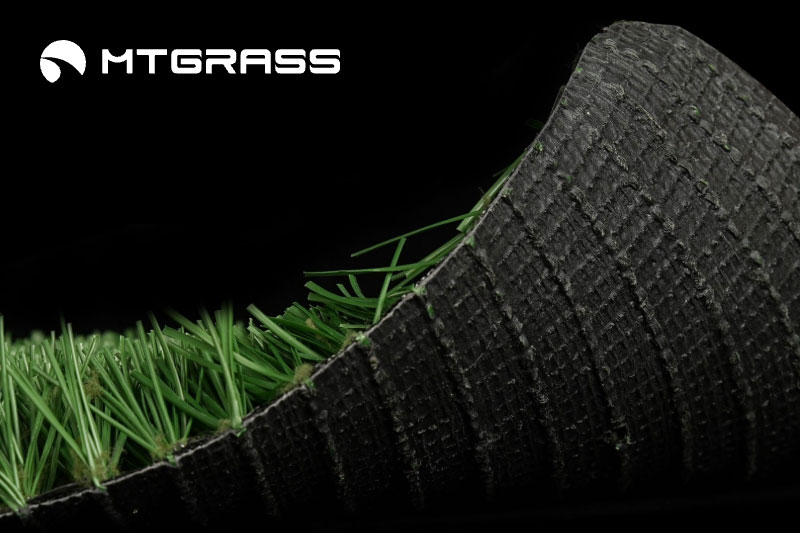
Επηρεάζουν τεχνητό χλοοτάπητα Υποστήριξη επιλογή βασικών παραγόντων
Από την άποψη της πρακτικής εμπειρίας κατασκευής τεχνητού χλοοτάπητα, τους κινδύνους μετά την πώληση, την επιτόπια δυνατότητα ελέγχου, την προσαρμοστικότητα του κλίματος, τον προϋπολογισμό και τα πρότυπα αποδοχής, οι βασικοί παράγοντες για την επιλογή διαφορετικών συστημάτων υποστήριξης είναι: ο προϋπολογισμός καθορίζει το Latex ή PU, το κλίμα καθορίζει τη διάρκεια ζωής, ο τύπος του έργου καθορίζει τον κίνδυνο, και η μέθοδος εγκατάστασης καθορίζει αν απαιτείται ανακατασκευή. Εξετάστε τον προϋπολογισμό, το κλίμα, την προβλεπόμενη χρήση και τη μέθοδο εγκατάστασης.
Παράγοντες του προϋπολογισμού
Ένα από τα κύρια κριτήρια για την επιλογή της σωστής υποστήριξης είναι ο προϋπολογισμός. Εάν ο πελάτης σας διαθέτει επαρκή προϋπολογισμό, ελαχιστοποιήστε τον κίνδυνο μετά την πώληση: Αν ο πελάτης έχει περιορισμένο προϋπολογισμό, αλλά εξακολουθεί να επιθυμεί σταθερή απόδοση → επιλέξτε το υπόστρωμα "Latex (SBR)". αν το έργο είναι φιλικό προς το περιβάλλον, ανακυκλώσιμο ή για ειδικές αθλητικές εφαρμογές → το ανακυκλώσιμο/υβριδικό υπόστρωμα είναι μια επιλογή.
Οι ειδικοί του Mightygrass συμβουλεύουν: Ποτέ μην επιλέγετε "κατώτερη υποστήριξη" λόγω περιορισμών του προϋπολογισμού. Το κόστος επανεπεξεργασίας είναι συνήθως 3-10 φορές η τιμή του ίδιου του τεχνητού χλοοτάπητα.
Κλιματικοί παράγοντες
Το κλίμα καθορίζει το ρυθμό γήρανσης του τεχνητού χλοοτάπητα υποστήριξη; θερμοκρασία καθορίζει υποστήριξη κονιορτοποίηση; υγρασία καθορίζει αν υποστήριξη απορροφά το νερό και διογκώνεται; και υπεριώδης ακτινοβολία καθορίζει τη διάρκεια ζωής. Το κλίμα διαφέρει σημαντικά σε όλο τον κόσμο. Με βάση τις δοκιμές UV-5000h / γήρανσης σε υψηλές θερμοκρασίες / ευθραυστότητα σε χαμηλές θερμοκρασίες / απορρόφηση υγρασίας, θεσπίζεται ένα "Περιφερειακό πρότυπο επιλογής υποστρώματος" σύμφωνα με τις παγκόσμιες γεωγραφικές περιοχές.
Μέση Ανατολή (Σαουδική Αραβία, Ηνωμένα Αραβικά Εμιράτα, Κατάρ, Κουβέιτ κ.λπ.): Οι επιφανειακές θερμοκρασίες μπορεί να φτάσουν τους 70-80°C- είναι μία από τις περιοχές με την ισχυρότερη υπεριώδη ακτινοβολία παγκοσμίως- το έδαφος απορροφά εύκολα τη θερμότητα και η πλάτη του χλοοτάπητα υφίσταται καθημερινές εναλλαγές θερμότητας. Το μαύρο υπόστρωμα απορροφά εύκολα τη θερμότητα → επιταχύνει τη γήρανση εντός 2 ετών και είναι επιρρεπές σε κονιορτοποίηση σε υψηλές θερμοκρασίες.
Αφρική (Νότια Αφρική, Κένυα, Νιγηρία, Γκάνα): Η ένταση της υπεριώδους ακτινοβολίας κατατάσσεται σταθερά στις κορυφαίες 10% παγκοσμίως- μεγάλες διακυμάνσεις της θερμοκρασίας- ποικίλα υλικά επιφάνειας (κόκκινο χώμα, πέτρα σε σκόνη) θέτουν υψηλές απαιτήσεις στην υποστήριξη- ο χλοοτάπητας χωρίς πρόσθετα υπεριώδους ακτινοβολίας είναι επιρρεπής στη γήρανση εντός 3 μηνών.
Νότια Αμερική (Χιλή, Κολομβία, Περού, Αργεντινή, Βραζιλία): Υψηλή υπεριώδης ακτινοβολία + Υψηλή υγρασία + Μεγάλες διαφορές θερμοκρασίας - Οι κίνδυνοι διαφέρουν ανάλογα με τη χώρα. Για παράδειγμα, οι συχνές βροχοπτώσεις και η υψηλή υγρασία στην Κολομβία μπορεί να οδηγήσουν σε ανάπτυξη μούχλας στην κόλλα, μαλάκωμα από τη βροχή και αποκόλληση λόγω ανεπαρκούς πάχους κόλλας.
Ευρώπη (Βόρεια Ευρώπη, Δυτική Ευρώπη, Ανατολική Ευρώπη): Το πολύπλοκο ευρωπαϊκό κλίμα, ιδίως στη Βόρεια Ευρώπη με τις χαμηλές θερμοκρασίες, το χιόνι και τη βροχή που επικρατούν όλο το χρόνο, σε συνδυασμό με την παρατεταμένη χρήση σε εξωτερικούς χώρους, μπορεί να προκαλέσει την ευθραυστότητα της κόλλας σε χαμηλές θερμοκρασίες. Η συχνή απομάκρυνση του χιονιού στα αθλητικά γήπεδα απαιτεί αντοχή στο σχίσιμο.
Ασία (Νοτιοανατολική Ασία, Νότια Κορέα, Ιαπωνία, Κεντρική Ασία): Υγρασία + Υψηλές θερμοκρασίες + Μουσώνες → Τα συγκολλητικά πρέπει να είναι ανθεκτικά στην υγρασία και τη θερμότητα (Ταϊλάνδη, Ινδονησία, Μαλαισία) → Υγρασία και ζέστη.
Οδηγός επιλογής συγκολλητικής ουσίας για το παγκόσμιο κλίμα
| Περιοχή | Κλίμα | Καλύτερη υποστήριξη | Προαιρετική υποστήριξη | Δεν συνιστάται |
| Μέση Ανατολή | Ακραία θερμότητα + ισχυρή υπεριώδης ακτινοβολία | ⭐⭐⭐⭐⭐ PU | Κανένα | Όλα Latex |
| Αφρική | Υψηλή θερμοκρασία + υψηλή υπεριώδης ακτινοβολία | ⭐⭐⭐⭐⭐ PU | Latex υψηλής περιεκτικότητας σε στερεά συστατικά | Μικτό χρώμα ή ανακυκλωμένο Latex |
| Χιλή | Υψηλή υπεριώδης ακτινοβολία + μεγάλες διακυμάνσεις θερμοκρασίας | ⭐⭐⭐⭐⭐ PU | Latex υψηλής περιεκτικότητας σε στερεά συστατικά | Πράσινο Latex (χωρίς προστασία UV) |
| Κολομβία | Υψηλή υγρασία | ⭐⭐⭐⭐⭐ PU | Latex κατά της μούχλας | Τυποποιημένο λατέξ |
| Βραζιλία / Αργεντινή | Υψηλή θερμοκρασία | ⭐⭐⭐⭐⭐ PU | Latex υψηλής περιεκτικότητας σε στερεά συστατικά | Λατέξ μικτού χρώματος |
| Βόρεια Ευρώπη | Ακραίο κρύο + χιόνι | ⭐⭐⭐⭐⭐ PU | Υποστήριξη διπλού στρώματος | Latex χαμηλού επιπέδου |
| Δυτική Ευρώπη | Ισχυρή βροχή + φιλική προς το περιβάλλον τάση | ⭐⭐⭐⭐ Υβριδικό | Latex υψηλής περιεκτικότητας σε στερεά συστατικά | Latex χαμηλού επιπέδου |
| Νοτιοανατολική Ασία | Υψηλή υγρασία + υψηλή θερμοκρασία | ⭐⭐⭐⭐⭐ PU | Latex υψηλής περιεκτικότητας σε στερεά συστατικά | Πράσινο λάτεξ (χωρίς αντι-μύκητες) |
| Ιαπωνία / Κορέα | Βροχερός + τέσσερις εποχές | ⭐⭐⭐⭐ PU | Υβρίδιο / Latex | — |
Εφαρμογή - Αθλητισμός vs. Τοπίο Καθορίζει τον βαθμό συγκόλλησης
Για εφαρμογές που αφορούν παιδιά, αθλητές ή αθλητικά γήπεδα, είναι προτιμότερη η υψηλότερη δύναμη εξόλκευσης. Επιλογή υψηλής δύναμης εξαγωγής = μείωση του κινδύνου μετά την πώληση από το 90%.
| Σενάριο εφαρμογής | Συνιστώμενη υποστήριξη |
| FIFA Ποδοσφαιρικό γήπεδο | Μόνο PU (ισχυρότερη δέσμευση φουντίτσας, υψηλότερη αντοχή) |
| Σχολική παιδική χαρά / κοινοτικό γήπεδο αθλητισμού | PU ή Latex υψηλής περιεκτικότητας σε στερεά συστατικά |
| Χλοοτάπητας γυμναστηρίου (εσωτερικοί χώροι γυμναστικής) | Αντιολισθητική επένδυση από καουτσούκ, PU ή ειδική επίστρωση |
| Περιοχή για κατοικίδια (Pet Turf) | Λατέξ + πρόσθετα κατά της μούχλας, ή PU |
| Τοπίο χλοοτάπητα | Latex (συμπεριλαμβανομένου του πράσινου Latex) ή υβριδικό |
| Ακραία εξωτερική χρήση | PU |
Οι ειδικοί συμβουλεύουν: Μην χρησιμοποιείτε Latex για αθλητικά γήπεδα για να εξοικονομήσετε χρήματα.Το Latex μπορεί να χρησιμοποιηθεί για χλοοτάπητα τοπίου με περιορισμένο προϋπολογισμό, αλλά πρέπει να είναι "νέα κόλλα".
Μέθοδος εγκατάστασης - Καθορίζει τη συμβατότητα της κόλλας στήριξης με άλλες κόλλες/μεθόδους συγκόλλησης.
- Η PU είναι καταλληλότερη για ισχυρές κόλλες, άμεση συγκόλληση, θερμοσυγκόλληση και επαγγελματικά συστήματα γηπέδων ποδοσφαίρου.
- Το λατέξ είναι καταλληλότερο για κανονικές κόλλες, αντιολισθητική τοποθέτηση και εγκαταστάσεις εξωραϊσμού.
- Γυμναστήριο χλοοτάπητα απαιτεί ένα καουτσούκ υποστηρίζεται χλοοτάπητα για την ενίσχυση αντιολισθητικές ιδιότητες.
Οι ειδικοί συνιστούν: Εάν το έργο απαιτεί πολλά ματίσματος → PU υποστηρίζεται τεχνητό γρασίδι είναι πιο σταθερή, ενώ Latex είναι πιο επιρρεπής σε μετατόπιση ραφή.
Τι σημαίνει στην τεχνητή χόρτο υποστήριξη χρώμα?
Το χρώμα του τεχνητού χλοοτάπητα αναφέρεται στην προσθήκη διαφορετικών χρωματιστών κύριων συστατικών στις πρώτες ύλες του υποστρώματος. Για παράδειγμα, για να επιτευχθεί ένα κόκκινο υπόστρωμα, προστίθεται κόκκινο masterbatch στο υπόστρωμα SBR ή PU. Ενώ το μαύρο υπόστρωμα είναι το πιο ευρέως χρησιμοποιούμενο στην παγκόσμια βιομηχανία τεχνητού χλοοτάπητα, περισσότεροι κατασκευαστές αναπτύσσουν σήμερα πράσινα, μπλε και λευκά/ανοιχτόχρωμα υπόστρωμα για να ενισχύσουν την οπτική ελκυστικότητα και την εμπορευσιμότητα.
Ως εγκατάσταση τεχνητό χλοοτάπητα ή αθλητικές εγκαταστάσεις εργολάβος, κατά την εισαγωγή των προϊόντων σας σε σχολικούς διευθυντές, ποδοσφαιρικούς συλλόγους, ή κυβερνητικές υπηρεσίες, οι πελάτες συχνά ρωτούν, "Γιατί είναι μερικά τεχνητό γρασίδι υποστήριξη χρώματα μαύρο, μερικά πράσινα, μερικά γκρι, και μερικά διαφανή? Τι αντίκτυπο έχει το χρώμα του υποβάθρου του χλοοτάπητα στον χλοοτάπητα; Πόσο διαφέρει το κόστος;"
Το χρώμα της επένδυσης χλοοτάπητα είναι κάτι περισσότερο από μια απλή επίστρωση- συχνά αντικατοπτρίζει διαφορές στις πρώτες ύλες της επένδυσης, στις ιδιότητες αντιγήρανσης, στο σύστημα επίστρωσης και στη διαδικασία κατασκευής. Οι εγκαταστάτες πρέπει να επιλέγουν την υποστήριξη χλοοτάπητα με βάση τις κλιματικές συνθήκες, τα σενάρια χρήσης και τις συγκρίσεις κόστους.
| Χρώμα υποστήριξης | Σύστημα υλικών | Επαγγελματική εξήγηση |
| Μαύρο | SBR Latex + Μαύρο άνθρακα | Το μαύρο άνθρακα παρέχει φυσική αντίσταση στην υπεριώδη ακτινοβολία, αλλά αυτό το χρώμα χρησιμοποιείται επίσης συνήθως για να καλύψει ελαττώματα, όπως ανακυκλωμένο καουτσούκ ή υπερβολικές σκόνες πλήρωσης. |
| Πράσινος | SBR Latex + Πράσινο Masterbatch | Πιο συνηθισμένο για εφαρμογές τοπίου- αισθητικά ευχάριστο. Η αντοχή στις καιρικές συνθήκες εξαρτάται από το αν προστίθενται σταθεροποιητές υπεριώδους ακτινοβολίας. |
| Γκρι | PU Backing (πολυουρεθάνη) | Αντιπροσωπεύει το πιο σταθερό και υψηλής ποιότητας σύστημα. Προσφέρει ανώτερη αντίσταση στη γήρανση, αντοχή σε υψηλές θερμοκρασίες και την ισχυρότερη δέσμευση φουντίτσας, χωρίς κιμωλία. |
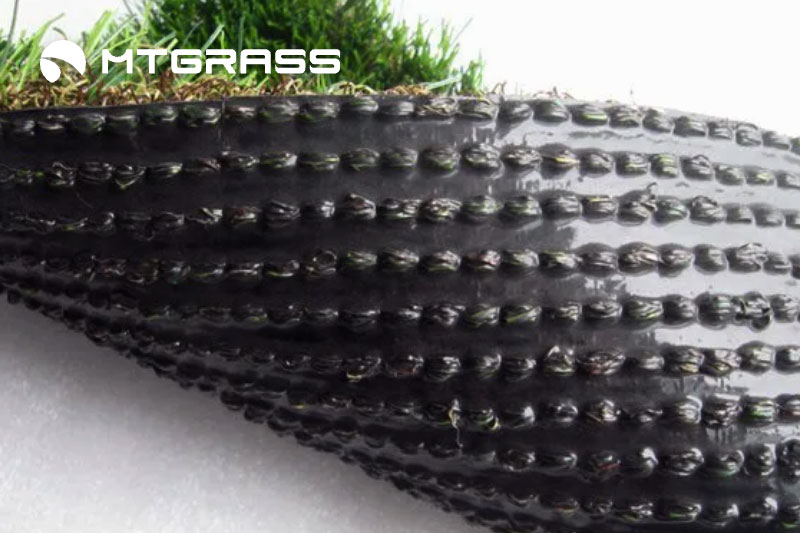
Ποιο χρώμα υποστήριξης είναι καλύτερο για αθλητισμό, τοπίο και χλοοτάπητα κατοικίδιων ζώων;
Διαφορετικές εφαρμογές απαιτούν πολύ διαφορετικές απαιτήσεις για το χρώμα της κόλλας. Τα αθλητικά γήπεδα απαιτούν εξαιρετικά υψηλή δομική σταθερότητα, το γρασίδι τοπίου δίνει προτεραιότητα στην εμφάνιση και την άνεση, το γρασίδι για κατοικίδια χρειάζεται ανθεκτικότητα, αντοχή στη μούχλα και εύκολο καθαρισμό. Το σύστημα υλικού που αντιπροσωπεύεται από το χρώμα της κόλλας καθορίζει άμεσα αν μπορεί να αντιμετωπίσετε προβλήματα όπως αποβολή χόρτου, κονιορτοποίηση ή οσμή.
Η MightyGrass, ως παγκόσμιος κατασκευαστής τεχνητού χλοοτάπητα, προσφέρει τις πιο σαφείς, πιο επαγγελματικές και πιο απροβλημάτιστες συμβουλές επιλογής χρώματος κόλλας: Επιλέξτε γκρι PU για αθλητικά γήπεδα, γκρι PU για τοπία υψηλών προδιαγραφών, πράσινο Latex για συνηθισμένα τοπία, σκούρο Latex ή γκρι PU για χώρες με υψηλές θερμοκρασίες και το γκρι PU προτιμάται για γρασίδι κατοικίδιων ζώων.
| Σενάριο εφαρμογής / Κλίμα | Καλύτερο χρώμα υποστήριξης | Εναλλακτικές επιλογές | Δεν συνιστάται |
| Αθλητισμός / Γήπεδα ποδοσφαίρου / Σχολεία | Γκρι PU | Μαύρο λάτεξ υψηλής περιεκτικότητας σε στερεά συστατικά | Πράσινο λάτεξ |
| Χλοοτάπητας τοπίου (Κατοικητικός / Εμπορικός) | Πράσινο Latex (με πρόσθετα UV) | Γκρι PU | Λατέξ μικτού χρώματος |
| Χλοοτάπητα για κατοικίδια (Εσωτερικός / Εξωτερικός χώρος) | Γκρι PU | Πράσινο λάτεξ (αντι-μουχλιαστικό) | Μαύρο ανακυκλωμένο λάτεξ |
| Περιοχές υψηλών θερμοκρασιών (Βόρεια Χιλή / Μέση Ανατολή / Νότια Αφρική) | Γκρι PU | Μαύρο λατέξ (υψηλή περιεκτικότητα σε στερεά) | Πράσινο λάτεξ |
| Περιοχές χαμηλών θερμοκρασιών (Βόρεια Ευρώπη / Καναδάς) | Γκρι PU | — | Όλες οι βάσεις με βάση το Latex |
Πώς να προσδιορίσετε την υποστήριξη χλοοτάπητα;
Στο εγκατάσταση τεχνητού χλοοτάπητα, 80% των προβλημάτων μετά την πώληση (κονιορτοποίηση, αποκόλληση χόρτων, ρωγμές, εξασθενημένες ραφές) σχετίζονται άμεσα με την ποιότητα του συγκολλητικού υποβάθρου. Επομένως, ανεξάρτητα από το χρώμα του συγκολλητικού υποβάθρου που αγοράζετε (μαύρο, πράσινο, γκρι), πρέπει να γίνεται ένας γρήγορος έλεγχος ποιότητας πριν από την εγκατάσταση.
Παρακάτω παρατίθενται 6 "μέθοδοι διαλογής της ποιότητας της κόλλας" που χρησιμοποιούνται συνήθως από τους εγκαταστάτες παγκοσμίως, οι οποίες μπορούν να εντοπίσουν πιθανά προβλήματα στον χλοοτάπητά σας σε μόλις 30 δευτερόλεπτα.
① Αγγίξτε το: Είναι εύθραυστο;
Ένα καλό συγκολλητικό υπόστρωμα πρέπει να είναι "ανθεκτικό", ανεξάρτητα από το πόσο κρύος είναι ο καιρός.
Αν ασπρίσει ή ραγίσει εύκολα όταν λυγίσει ελαφρά, είναι μια ισχυρή ένδειξη ότι το υλικό είναι υποβαθμισμένο και δεν θα διαρκέσει πολύ.
② Τρίψτε το: Αφήνει πούδρα στα χέρια σας;
Απλά τρίψτε τα χέρια σας μπρος-πίσω στο αυτοκόλλητο υπόστρωμα μερικές φορές.
Εάν τα χέρια σας καλύπτονται από ένα στρώμα μαύρης ή λευκής σκόνης, σημαίνει ότι υπάρχει πολύ υλικό πλήρωσης και πολύ λίγη κόλλα. Αυτός ο τύπος κόλλας είναι πιο επιρρεπής σε πούδρα και αποκόλληση χόρτου.
③ Δοκιμή με ένα άγγιγμα: Ελέγξτε την ταχύτητα αναπήδησης.
Πιέστε το αυτοκόλλητο με τον αντίχειρά σας. Εάν επανέλθει αμέσως, η κόλλα είναι επαρκής και το υλικό είναι υγιές.
Αν πιέζοντας το αισθάνεστε σαν να πιέζετε υγρό χαρτόνι -αργά ή καθόλου- σημαίνει ότι θα γεράσει γρήγορα και θα έχει μικρή διάρκεια ζωής.
④ Τραβήξτε απαλά τις ίνες του χόρτου: Μπορούν να τραβηχτούν;
Το απαλό τράβηγμα μερικών ινών χόρτου είναι ο απλούστερος τρόπος για να κρίνετε τη δύναμη εξαγωγής.
Το καλό γρασίδι δεν θα χαλαρώσει όσο και αν τραβήξετε- το κακό γρασίδι θα πέσει με ένα ελαφρύ τράβηγμα, και αυτό σίγουρα δεν θα αντέξει σε ένα γήπεδο άθλησης.
⑤ Μυρίστε το: Υπάρχει έντονη οσμή;
Η καλή κόλλα δεν έχει σχεδόν καμία αισθητή οσμή,
Αλλά αν μπορείτε να μυρίσετε μια έντονη οσμή καουτσούκ ή χημικών μόλις πλησιάσετε, είναι πολύ πιθανό να χρησιμοποιήθηκε ανακυκλωμένο καουτσούκ ή κατώτερη κόλλα,
και θα είναι επιρρεπές στη μούχλα, στη γήρανση και ακόμη και στη σκλήρυνση αργότερα.
⑥ Τέλος, ρίξτε μια ματιά: Είναι ομοιόμορφη η συγκολλητική επίστρωση;
Το συγκολλητικό υπόστρωμα πρέπει να είναι επίπεδο, ομοιόμορφο και συνεχές.
Εάν δείτε περιοχές με αραίωση, φυσαλίδες ή ακόμη και να βλέπετε το βασικό ύφασμα, αυτό υποδηλώνει μια κακή διαδικασία επίστρωσης και σίγουρα θα γεράσει πρόωρα κατά τη χρήση.
Συμβουλές: Ένα πραγματικά κατάλληλο συγκολλητικό υπόστρωμα θα πρέπει να αισθάνεται ελαστικό στην αφή, να μην αποβάλλει σκόνη όταν τρίβεται, να αναπηδά αμέσως όταν σπρώχνεται, να μην αποβάλλει ίνες χόρτου όταν τραβιέται, να μην έχει οσμή και να εφαρμόζεται καθαρά και ομοιόμορφα. Τα κατώτερα συγκολλητικά υποστρώματα παρουσιάζουν συχνά πολλά χαρακτηριστικά ταυτόχρονα: ευθραυστότητα, κονιορτοποίηση, οσμή, εύκολη αποκόλληση, αργή αναπήδηση και λεπτή επίστρωση.
MightyGrass χλοοτάπητα Υποστήριξη Τεχνολογία
MightyGrass χρησιμοποιεί τις ιδιόκτητες φόρμουλες SBR Latex και PU backing, σε συνδυασμό με πάνω από 20 χρόνια βιομηχανικής εμπειρίας, για να παρέχει επαγγελματικά συστήματα επικάλυψης για αθλητικά γήπεδα, γρασίδι τοπίου και περιβάλλοντα υψηλής θερμοκρασίας. Όλα τα υποστρώματα χρησιμοποιούν νέα υλικά 100% και masterbatches, αποφεύγοντας την κονιορτοποίηση, την ευθραυστότητα και τα προβλήματα οσμών που σχετίζονται με το ανακυκλωμένο καουτσούκ.
Η εταιρεία προσφέρει τρεις βασικούς τύπους υποστήριξης:
- Μαύρο SBR τεχνητό γρασίδι Latex υποστήριξη (κατάλληλο για εξωραϊσμό και τον προϋπολογισμό σπορ)
- Γκρι PU Backing (κατάλληλο για σχολεία, συλλόγους, γήπεδα ποιότητας FIFA και περιοχές με υψηλή θερμοκρασία)
- Υβριδικά συστήματα διπλής στρώσης (για έργα υψηλής ποιότητας και ανακυκλώσιμα έργα)
Όλα τα συστήματα υποστρώματος υποβάλλονται σε δοκιμές UV-3000h/UV-5000h, Tuft Bind, αντοχής στην υδρόλυση, ελαστικότητας σε χαμηλές θερμοκρασίες και γήρανσης σε υψηλές θερμοκρασίες και η σταθερότητά τους έχει επαληθευτεί για μεγάλα χρονικά διαστήματα σε ακραία κλίματα όπως η Αφρική, η Μέση Ανατολή και η Λατινική Αμερική.
Η βασική αξία της συγκολλητικής τεχνολογίας MightyGrass έγκειται στην παροχή υψηλότερης αντοχής στην εξαγωγή, καλύτερης αντοχής στις καιρικές συνθήκες, ομοιόμορφα επικαλυμμένης συγκολλητικής δομής και πραγματικών επιδόσεων έργου που μειώνουν σημαντικά τους κινδύνους μετά την πώληση. Για τους εγκαταστάτες, το συγκολλητικό σύστημα MightyGrass σημαίνει: πιο σταθερά ρολά γρασιδιού, λιγότερα προβλήματα μετά την πώληση, πιο αξιόπιστη διάρκεια ζωής στο πεδίο και ευκολότερη αποδοχή.
FAQ
Ποια είναι η καλύτερη υποστήριξη για τεχνητό γρασίδι;
Το καλύτερο υπόστρωμα είναι εκείνο που σας δίνει ισχυρό κλείδωμα τούφας, σταθερή διαστατική αντοχή και σταθερή αποστράγγιση. Για τα περισσότερα έργα, έχετε την καλύτερη απόδοση από ένα υπόστρωμα διπλής στρώσης (ύφασμα PP + SBR latex ή PU). Τα συστήματα με επικάλυψη PU κοστίζουν περισσότερο, αλλά προσφέρουν ανώτερη σταθερότητα, χαμηλή συρρίκνωση και μεγαλύτερη διάρκεια ζωής - ιδανικά για αθλητικά γήπεδα με υψηλή κυκλοφορία και σκληρά κλίματα.
Γιατί ορισμένα προϊόντα χλοοτάπητα έχουν μαύρο υπόστρωμα;
Βλέπετε μαύρο υπόστρωμα επειδή το λατέξ SBR είναι φυσικά σκούρο μόλις σκληρυνθεί. Είναι η πιο κοινή και οικονομικά αποδοτική επίστρωση που χρησιμοποιείται παγκοσμίως. Το χρώμα δεν σημαίνει χαμηλότερη ποιότητα - απλώς αντικατοπτρίζει το υλικό επίστρωσης.
Είναι η πράσινη υποστήριξη καλύτερης ποιότητας;
Όχι αυτόματα. Η πράσινη υποστήριξη γίνεται συνήθως με χρωματισμένο SBR ή PU, κυρίως για λόγους οπτικής προτίμησης ή ευθυγράμμισης στο μάρκετινγκ. Η απόδοση εξακολουθεί να εξαρτάται από τον τύπο της επίστρωσης, το πάχος και την κλειδαριά της τούφας - όχι από το ίδιο το χρώμα. Ένα πράσινο υπόστρωμα PU μπορεί να υπερτερεί έναντι ενός μαύρου υπόστρωμα SBR, αλλά ένα πράσινο SBR δεν είναι εγγενώς "υψηλής ποιότητας".
Επηρεάζει το χρώμα του υποστρώματος την ανθεκτικότητα;
Όχι. Η ανθεκτικότητα προέρχεται από τη φόρμουλα της επίστρωσης, το βάρος της επίστρωσης, τη σταθερότητα στην υπεριώδη ακτινοβολία και τη διαστατική αντοχή, όχι από το χρώμα. Ένα καλά σχεδιασμένο μαύρο SBR μπορεί να διαρκέσει περισσότερο από ένα κακοφτιαγμένο πράσινο υπόστρωμα. Το χρώμα από μόνο του δεν αποτελεί παράγοντα ανθεκτικότητας.
Πώς επιλέγετε την υποστήριξη για θερμά κλίματα;
Εάν εγκαθιστάτε σε θερμό κλίμα ή σε κλίμα ερήμου, επιλέξτε υποστήριξη με:
- Επίστρωση υψηλής ανθεκτικότητας στην υπεριώδη ακτινοβολία (προτιμάται PU)
- Χαμηλή συρρίκνωση και σταθερές διαστάσεις
- Δομή που αναπνέει ή στεγνώνει γρήγορα
- Επιλογές νήματος ψύξης (εάν υπάρχουν)
Οι επικαλύψεις PU αποδίδουν καλύτερα σε ακραία θερμότητα, επειδή αντιστέκονται στην παραμόρφωση και την υδρόλυση, καθιστώντας τις ασφαλέστερη επιλογή για τις αγορές της Μέσης Ανατολής, της LATAM και της Αυστραλίας.
Μπορείτε να ζητήσετε προσαρμοσμένα χρώματα υποστήριξης;
Ναι. Οι κατασκευαστές μπορούν να προσαρμόσουν τα χρώματα της βάσης - πράσινο, γκρι, μπεζ ή αποχρώσεις που αφορούν συγκεκριμένη μάρκα - εφόσον ο όγκος της παραγγελίας ανταποκρίνεται στις απαιτήσεις παραγωγής. Για τους πελάτες ΚΑΕ, τα προσαρμοσμένα χρώματα σας βοηθούν να διαφοροποιήσετε τη σειρά προϊόντων σας.
Είναι η μαύρη υποστήριξη επιβλαβής;
Όχι, το μαύρο χρώμα προέρχεται από το μαύρο άνθρακα στο λατέξ SBR, το οποίο χρησιμοποιείται ευρέως και θεωρείται ασφαλές για εφαρμογές τοπίου και αθλητισμού. Τα πιστοποιημένα προϊόντα (συστήματα SGS, REACH, CE ή συστήματα που έχουν ελεγχθεί από τη FIFA) πρέπει να περνούν αυστηρά όρια για βαρέα μέταλλα και PAHs, οπότε το σωστά παραγόμενο μαύρο υπόστρωμα δεν δημιουργεί καμία ανησυχία για την ασφάλεια.
Επηρεάζει την τιμή το χρώμα της βάσης;
Μόνο λίγο. Ο τύπος επίστρωσης επηρεάζει την τιμή πολύ περισσότερο από το χρώμα. Το PU κοστίζει περισσότερο από το SBR και τα βαρύτερα βάρη επίστρωσης κοστίζουν περισσότερο από τα ελαφρύτερα. Οι χρωστικές ουσίες χρώματος προσθέτουν μια μικρή διαφορά κόστους σε σύγκριση με το κύριο υλικό.
Έχει σημασία το χρώμα της βάσης για τις δοκιμές της FIFA;
Η FIFA δοκιμάζει μετρήσεις επιδόσεων, όπως αναπήδηση μπάλας, κύλιση μπάλας, απορρόφηση κραδασμών, παραμόρφωση, επαναφορά ενέργειας, γήρανση με υπεριώδη ακτινοβολία, κλείδωμα τούφας και περιβαλλοντική ασφάλεια. Το χρώμα δεν αποτελεί μέρος οποιασδήποτε εργαστηριακής ή επιτόπιας δοκιμής της FIFA. Αυτό που έχει σημασία είναι η απόδοση του συστήματος - νήμα, αντοχή του υποστρώματος, μαξιλάρι κρούσης, πλήρωση και ποιότητα εγκατάστασης.