Русский
  English
  العربية
  Español
  Deutsch
  Français
  Português
  日本語
日本語  Italiano
  Nederlands
  Svenska
  Suomi
Suomi  ไทย
ไทย  Dansk
Dansk  Ελληνικά
  Bahasa Melayu
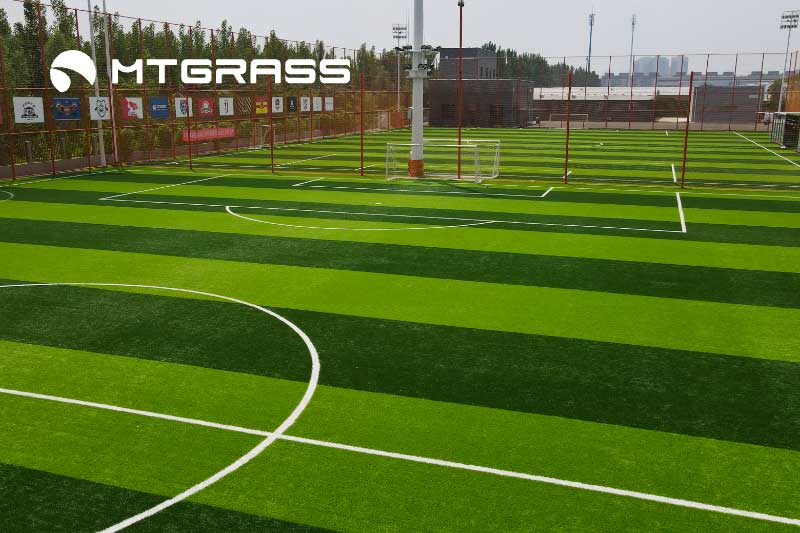
Согласно последним данным ФИФА, в 2024 году в мире насчитывается более 13 000 футбольных полей, сертифицированных ФИФА, по всему миру. Наибольшая доля приходится на Европа (около 40%), затем Азия (около 30%), и Ближний Восток и Африка (около 15%). Ближний Восток и Африка демонстрируют явную тенденцию к росту, поскольку все больше и больше подрядчики по строительству футбольных полей делают Газон, сертифицированный ФИФА ориентир для принятия проекта.
Глобальный искусственный футбольный газон Согласно прогнозам, темпы роста рынка составят около 8.0% CAGR с 2024 по 2031 гг.. Производители футбольных газонов в основном сосредоточены в Европа, Северная Америка и КитайКитай уже стал крупнейшим в мире центром по производству производители футбольных газонов. Сегодня более 70% искусственных футбольных газонов по всему миру поставляется с фабрик в Китае или зарубежных заводов с китайскими инвестициями. Для подрядчиков, занимающихся строительством футбольных полей, самым главным вопросом при выборе газона является: Как определить качество футбольного газона?
С глобальной точки зрения, наиболее распространенные стандарты футбольных газонов делятся на две категории: Стандарты сертификации FIFA (установленный ФИФА для профессиональных стадионов и стадионов международного уровня), и региональные/отраслевые стандарты такие как Стандарт ЕС EN, итальянский стандарт и китайский стандарт GB/T. Для оценки качества дерна существуют пять ключевых факторов посмотреть: волокнистое сырье, процесс экструзии (вытягивания), характеристики волокна, система подложки и международные сертификаты. В совокупности эти факторы дают строителям футбольных полей систематический способ определения истинного качества футбольного газона.
Какие бывают виды футбольных газонов?
Глобально, Стандарты типов футбольных газонов можно разделить на несколько категорий. Различные стандарты предназначены для разных типов пользователей и областей применения:
| Стандартный тип | Подходящие сценарии | Основные характеристики | Типичные страны/регионы |
| Сертифицированный FIFA газон | Профессиональные клубы, международные турниры | Проходит более 20 тестов на прочность, включая отскок мяча, качение, амортизацию и долговечность. | Европа, Ближний Восток, крупные проекты стадионов в Китае |
| Футбольное поле 3G | Школьные игровые площадки, тренировочные поля | Дерн на основе наполнителя с использованием песка + резиновых гранул | Великобритания, Европа, Австралия |
| Газон 4G | Крытый футбол 5 на 5, общественные поля | Система газонов без наполнителя, низкая стоимость обслуживания | Китай, Япония, Ближний Восток |
| Футбольное поле 5G (следующее поколение) | Инновационные области | Сосредоточьтесь на100% перерабатываемый газон | Китай, в стадии разработки в Европе |
| Футбольный газон с полиуретановой подложкой | Профессиональные матчи и высококлассные тренировочные площадки | Повышенная стабильность, долгий срок службы | В основном производится и экспортируется из Китая |
С точки зрения глобальной перспективы, разработка стандартов футбольных газонов прошла четкую эволюцию: от Дерн с наполнителем 3G, к 4G газонА теперь перейдем к последним Системы газонов 5G в которых особое внимание уделяется экологичности и возможности вторичной переработки.
Разные стандарты подходят для разных помещений и потребностей пользователей: например, школы и общественные поля часто предпочитают экономичные Футбольный газон 3GВ то время как профессиональные клубы и международные турниры уделяют больше внимания безопасности, производительности и соответствию стандартам. Сертифицированный FIFA газон.
Для строители и подрядчики спортивных сооруженийПонимание этих стандартов позволяет сделать правильный выбор на основе использование полей, бюджет и группы пользователей. Он также обеспечивает четкую систему ссылок при проверке качество футбольного газона на более поздних этапах оценки проекта.
Какие факторы влияют на качество футбольного газона?
В реальных условиях производства и использования качество футбольного газона в основном определяется пять основных факторов. Давайте разберем их по порядку.
1. Сырьевые материалы для газонных волокон
Долговечность футбольного газона во многом зависит от сырья, из которого изготовлены волокна. Качество волокна напрямую определяет срок службы газона. К наиболее распространенным видам сырья относятся PE (полиэтилен), PP (полипропилен) и PA (нейлон):
- Волокна полиэтилена: Мягкий и натуральный на ощупь, очень похожий на настоящую траву. ПЭ широко используется для футбольных полей.
- Полипропиленовые волокна: Более твердый и жесткий, часто используется в качестве наполнителя или ландшафтного газона, но не подходит для профессиональных футбольных полей.
- Нейлоновые волокна: Отличная износостойкость, но более дорогая, обычно используется в некоторых элитный крытый спортивный газон приложения.
Согласно отраслевым данным, Более 80% футбольных газонов, сертифицированных FIFA, используют монофиламентные волокна из полиэтилена. ПЭ обладает отличными антивозрастными свойствами и устойчивостью к ультрафиолетовому излучению, что обеспечивает долговечность газона. 8-10 лет на открытом воздухе без значительного выцветания или растрескивания. В отличие от этого, дерн, изготовленный из некачественных или переработанных материалов, может выцвести и потрескаться всего за 2-3 года.
Поэтому сырье, из которого изготовлено волокно для газона, является фактором номер один в определении качества футбольного газона. При закупке дерна покупатели должны обращать особое внимание на происхождение волокон, используемых производителем футбольных газонов и попросить соответствующие протоколы испытаний. Это единственный способ избежать некачественного газона с коротким сроком службы и высокими долгосрочными рисками.
2. Процесс экструзии
Процесс производства волокон для газонов напрямую влияет на Долговечность и устойчивость футбольных газонов. Высококачественный футбольное поле неизменно показывает лучшие результаты в Испытание на износ лиспортаВ этом году у них значительно выше проходной балл по сравнению с фибриллированные волокна. Данные показывают, что Монофиламентный газон проходит сертификационные испытания качества FIFA о 25% чаще чем фибриллированный дерн, что доказывает, что усовершенствование процесса экструзии напрямую определяет, сможет ли дерн сохранять свои характеристики в течение долгого времени.
Основные типы экструзионных процессов включают:
- Мононить: По форме напоминают натуральные травяные ножи, обладают высокой износостойкостью и отличной упругостью.
- Фибрилляция: Более низкая стоимость, но большая вероятность раскола и деформации при частом использовании.
- Гибридный газон: Сочетание монофиламентные и фибриллированные волокнаВ нем соблюдается баланс между устойчивостью и стабильностью наполнения.
Данные по отрасли показывают, что Футбольные газоны из моноволокна имеют на 25% более высокий показатель прохождения тестов FIFA по сравнению с фибриллированными газонами. Расширенный мононити или гибридные газоны Процессы экструзии значительно повышают износостойкость, удобство игры и срок службы футбольное поле. Напротив, недорогие фибриллярный процессХотя на начальном этапе это обходится дешевле, на часто используемых футбольных полях затраты на обслуживание и замену часто оказываются гораздо выше.
3. Характеристики газонных волокон
Эксплуатационные характеристики волокон дерна напрямую определяют срок службы, безопасность и удобство игры на футбольном газоне. Износостойкие, устойчивые к ультрафиолету, высокоэластичные и прочные на разрыв волокна являются основными показателями высокого качества. футбольное поле. Наиболее распространенные показатели производительности включают:
- Износостойкость (тест Лиспорта): Имитирует более 20 000 циклов трения, что обеспечивает срок службы более 8 лет.
Поскольку футбольные поля постоянно подвергаются пешеходному движению и трению, износостойкость волокна напрямую определяет, будет ли футбольное поле может сохранять долгосрочную стабильность. Волокна, которые проходят Лиспортный тест (20 000+ циклов моделирования), как правило, гарантируют срок службы 8-10 летВ то время как некачественное волокно может порваться или износиться всего за 2-3 года. - Устойчивость к ультрафиолетовому излучению: На улице Футбольные поля с искусственной травой должны выдерживать не менее 3 000 часов прямого ультрафиолетового облучения без выцветания.
Поскольку большинство футбольных полей находится под открытым небом, способность волокна выдерживать сильное солнечное излучение определяет сохранение цвета и устойчивость газона к старению. Высококачественное волокно может подвергаться 3 000+ часов УФ-тестирования не выцветает и не пудрится, обеспечивая долговечность игры и внешнего вида. В отличие от этого, некачественные волокна быстро выцветают, портя как эстетику, так и игровые качества. - Устойчивость: Обеспечивает соответствие отскока и броска мяча Стандарты ФИФА.
Чем ближе упругость к натуральной траве, тем реалистичнее отскок и качение мяча. Игроки могут наслаждаться подлинными игровыми ощущениями в плане бега, дриблинга и контроля над мячом. Если волокна не обладают достаточной упругостью, мяч может катиться неровно, что повышает риск спортивных травм. - Показатели плотности и Dtex: Отражают общее качество волокна.
Вес волокон на квадратный метр и Рейтинг Dtex являются важнейшими ориентирами для оценки эффективности. Высококачественный футбольное поле обычно варьируется от 10,000-12,000 DtexЭто означает, что волокна толстые, прочные и способны сохранять вертикальное положение в течение многих лет. В отличие от этого, дерн низкого качества часто опускается ниже 8,000 DtexВ результате волокна могут разрушаться, быстро стареть и снижать срок службы и эксплуатационные характеристики поля.
Например, дерн премиум-класса обычно содержит 10,000-12,000 волокон Dtex на квадратный метрВ то время как у низкосортного дерна этот показатель может быть ниже 8 000 дтекс, что приводит к ускоренной деградации и снижению стабильности.
4. Резервная система
Основная роль подложки - прочное крепление волокон к основной ткани. Высококачественный Футбольный газон с полиуретановой подложкой позволяет сохранить стабильность волокон при сильном трении и длительном использовании, что снижает вероятность их расшатывания. Основа - это ключ к фиксации волокон, и в настоящее время существует два основных типа:
- Подложка SBR (латексная подложка): Недорогие, но подвержены таким проблемам, как расслоение и проникновение воды.
Если подложка растрескается или впитает воду, газон может пузыриться или разрыхляться, что приведет к неровности поля. Это повышает риск спортивных травм. Кроме того, требуется частый ремонт или замена, что значительно увеличивает расходы на долгосрочное обслуживание. - PU Backing (полиуретановая основа): Обладает повышенной прочностью, меньше подвержен растрескиванию и отлично противостоит атмосферным воздействиям, увеличивая срок службы дерна примерно на 30%.
Сравнение данных:
- Газон с ПУ основа обычно длится 10-12 лет.
- Газон с Латексная подложка из SBR обычно начинает стареть после 6-8 лет.
Технология подложки - это "невидимый ключ" к общему Качество футбольного газона. Высокотехнологичный Футбольный газон с полиуретановой подложкой Обеспечивает прочное сцепление волокон, ровную и стабильную игровую поверхность и гораздо более долгий срок службы. С другой стороны, недорогие Латексная подложка из SBRНесмотря на то, что такие материалы дешевле, они быстрее стареют и расслаиваются, что в конечном итоге приводит к увеличению долгосрочных затрат и повышению риска для безопасности.
5. Международные сертификаты
Высококачественный футбольное поле должны соответствовать признанным экологическим стандартам и сертификатам, таким как:
- Программа качества ФИФА
The Программа качества ФИФА не только проверяет игровые характеристики газона (отскок мяча, качение и коэффициент трения), но и оценивает его долговечность и экологическую безопасность. Газон, сертифицированный ФИФА Прошедшие эти строгие тесты материалы обладают высокими стандартами износостойкости, устойчивости к старению и экологичности - это гарантирует, что они не будут быстро разрушаться или выделять вредные вещества при длительном использовании. - Сертификация ЕС REACH
На таких рынках, как Европа, Ближний Восток и Северная Америка, школы, клубы и правительственные проекты обычно требуют REACH и RoHS сертификационные отчеты. Без этих экологических сертификатов даже дешевый дерн не сможет выйти на рынок элитных или общественных проектов. - ISO9001/ISO14001 Сертификация фабрики
Завод по производству ISO9001/ISO14001 certifications демонстрирует соответствие производственных процессов строгим стандартам качества и экологического менеджмента. Это обеспечивает стабильность продукции в каждой партии дерна и снижает риски, связанные с колебаниями производства. - Стандарты безопасности RoHS и CPSIA
Поскольку футбольное поле вступает в прямой контакт с кожей и дыханием игроков, волокна или материалы наполнителя, содержащие тяжелые металлы, фталаты или формальдегид, могут представлять серьезную опасность для здоровья. Соответствие требованиям RoHS и CPSIA Стандарты означают, что газон соответствует требованиям безопасности в отношении опасных веществ, что обеспечивает безопасность игры.
Сертификаты не только гарантируют безопасность, но и служат ключевым показателем общей Качество футбольного газона. Газон, который поддерживается FIFA, REACH, ISOи другие сертификаты отражают превосходство в безопасность, экологичность, долговечность и признание на мировом рынке. Эти сертификаты являются одновременно знаком Экологически чистый футбольный газон и базовое требование для международных проектов.
Риски низкокачественного футбольного газона
Для футбольных клубов:
Низкокачественный футбольное поле не только влияет на впечатления от игры, но и создает серьезные риски для безопасности и финансов:
- Повышенный риск травм игроков: Чрезмерное трение или плохая амортизация могут привести к растяжению связок голеностопа, травмам колена или повреждению связок.
- Сокращение срока службы полей: Уже через 2-3 года волокна могут отслоиться, выцвести или основа может потрескаться.
- Увеличение расходов на обслуживание: Частые ремонты, подсыпки и даже замена газона приводят к значительному увеличению долгосрочных затрат.
- Экологические риски: Некачественные наполнители могут содержать тяжелые металлы, представляющие опасность для здоровья и вызывающие загрязнение окружающей среды.
Для спортивных строителей и подрядчиков:
Способность проекта пройти окончательную приемку владельцем является основным фактором, определяющим прибыльность. Выбор низкокачественного футбольное поле напрямую влияет на то, пройдет ли поле проверку.
Коэффициент приемлемости проекта
- Маленькая фабрика, некачественный дерн: Эксплуатационные характеристики нестабильны. Трение, амортизация и упругость часто не соответствуют стандартам, что приводит к неудачным проверкам.
- Большая фабрика, высококачественный дерн: Соответствует Газон, сертифицированный ФИФА или местным стандартам, обеспечивая высокий процент сдачи и снижая риски переделки.
Безопасность платежей и денежных потоков
- Маленькая фабрика, некачественный дерн: Если приемка не удалась, клиенты могут задержать окончательные платежи, что приведет к нарушению денежного потока. Подрядчикам, возможно, даже придется самим оплачивать дорогостоящие ремонтные работы.
- Большая фабрика, высококачественный дерн: При единовременном одобрении проекта клиенты платят в соответствии с договором, что позволяет поддерживать стабильный денежный поток.
Сроки и контроль расходов
- Маленькая фабрика, некачественный дерн: Переделки и исправления приводят к задержке проекта и непредвиденным расходам на материалы и рабочую силу.
- Большая фабрика, высококачественный дерн: Стабильные продукты означают предсказуемые сроки и снижение риска превышения стоимости.
Репутация и будущие проекты
- Маленькая фабрика, некачественный дерн: Приводит к жалобам клиентов и плохой репутации на рынке, снижая шансы на победу в будущих тендерах.
- Большая фабрика, высококачественный дерн: Успешные примеры служат сильными рекомендациями, повышающими конкурентоспособность в будущих тендерах.
Правовые риски и риски, связанные с соблюдением нормативных требований
- Маленькая фабрика, некачественный дерн: Несоблюдение требований экологических сертификатов или сертификатов качества может привести к судебным искам или штрафам со стороны регулирующих органов.
- Большая фабрика, высококачественный дерн: Полностью соответствует REACH, RoHS, Программа качества FIFA стандарты, избегая рисков соответствия.
Как для футбольных клубов, так и для подрядчиков риски, связанные с выбором некачественного газона, выходят далеко за рамки проблем с поверхностью. Некачественный газон подрывает Качество футбольного газонаЭто угрожает безопасности игроков, задерживает утверждение проекта, нарушает денежный поток и наносит ущерб долгосрочной репутации. Сотрудничество с авторитетной компанией Сертифицированный ФИФА поставщик газонов обеспечивает безопасность, соответствие требованиям и долгосрочный успех проекта.
Низкокачественные и высококачественные футбольные газоны
| Размер | Небольшой завод, низкое качество футбольного газона | Крупный завод, высококачественные футбольные газоны (например, поставщик газонов FIFA) |
| Приемка проекта | Показатели эффективности часто не соответствуют стандартам, высока вероятность провала инспекции | Соответствует Газон, сертифицированный ФИФА или местным стандартам, проходит проверку с первой попытки |
| Оплата и движение денежных средств | Неудачная приемка → заказчики задерживают окончательный платеж, подрядчики должны покрыть расходы на исправление недостатков | Бесперебойная приемка → клиенты платят вовремя в соответствии с договором, стабильный денежный поток |
| Сроки и расходы | Задержки при переделке и дополнительное обслуживание увеличивают общую стоимость проекта | Предсказуемые сроки, снижение риска переделок, более прозрачные затраты |
| Репутация и доверие к рынку | Частые жалобы, плохая репутация на рынке, снижение шансов на победу в будущих тендерах | Проверенные успешные проекты, повышающие конкурентоспособность в тендерах |
| Риски, связанные с охраной окружающей среды и соблюдением нормативных требований | Использование переработанных материалов или тяжелых металлов, возможность штрафных санкций со стороны регулирующих органов | Соответствует ФИФА, REACH, и RoHS сертификация, обеспечивающая беспрепятственный выход на рынок |
Выбирая мелкие фабрики, низкое качество футбольное поле поначалу может показаться дешевле, но это создает риски, связанные с приемкой, платежами, сроками и репутацией. Работая с надежным Поставщик газонов FIFAПодрядчики обеспечивают соответствие требованиям, бесперебойную реализацию проектов и долгосрочное доверие на рынке спортивного строительства.
Как выбрать надежного поставщика футбольных газонов?
При выборе поставщик футбольных газоновПодрядчики и покупатели должны оценить следующие ключевые аспекты:
- Имеет ли поставщик сертификат FIFA?
- Имеют ли они собственное оборудование для экструзии дернового волокна, и является ли это оборудование импортным?
- Есть ли у них опыт работы с международными мероприятиями или масштабными проектами по укладке газона на стадионах?
- Могут ли они предоставить полные отчеты об испытаниях и экологические сертификаты?
- Есть ли у них возможности глобальных поставок (например, зарубежные склады или местные дистрибьюторы)?
Например, MightyGrass в Китае является типичным представителем надежного производитель футбольных газонов:
- 20+ лет опыта работы на производстве
- A Сертифицированный FIFA завод по производству газонов
- Собственное оборудование для разработки волокон и передовая технология экструзии, благодаря чему срок службы дерна на 2-3 года дольше, чем у многих конкурентов.
- Двойные производственные базы в Китай и Саудовская АравияПлюс локальный склад в США
- Экспорт в 166+ странс большим опытом работы, включая Олимпийские игры 2008 годашколы, футбольные клубы и даже Тренировочные поля Кубка мира
A trustworthy поставщик футбольных газонов Мы должны обладать как сертификацией, так и опытом, подкрепленным мощным научно-исследовательским потенциалом, надежными примерами из практики и возможностью поставки по всему миру. Работа с таким партнером, как MightyGrass обеспечивает последовательность Качество футбольного газона, соответствие международным стандартам и уверенность в долгосрочном успехе проекта.
Рассмотрение вопроса подрядчиками спортивных сооружений
При размещении индивидуальный футбольный газон заказ с завод по производству искусственного футбольного газонаПодрядчикам следует обратить пристальное внимание на следующие аспекты:
- Минимальное количество заказа (MOQ): Как правило, около 1100㎡, хотя некоторые фабрики могут обеспечить индивидуальную гибкость.
- Выбор высоты и плотности свай: Для профессиональных матчей рекомендуется выбирать газон высотой ≥50 мм; для тренировочных полей и школ часто достаточно 40 мм.
- Настройка цвета и линий: Логотипы и разметка линий могут быть выполнены в соответствии с потребностями клубов или школ.
- Пробное тестирование: Перед началом серийного производства всегда проверяйте соответствие характеристик образца требуемым стандартам.
- Послепродажное обслуживание и гарантия: Высококачественные фабрики обычно предоставляют гарантию на 5-8 лет.
Оценить Качество футбольного газонаПри этом необходимо учитывать пять ключевых аспектов: сырьевые материалы, процесс экструзии (вытягивания), характеристики волокна, технология нанесения основы и экологические сертификаты. Выбор надежного Поставщик газонов FIFAОпыт реализации международных проектов и глобальные возможности поставок обеспечивают безопасность и долговечность футбольных полей в течение длительного времени.
Для строителей спортивных объектов работа с профессионалами поставщик футбольных газонов или Сертифицированный ФИФА производитель газонов означает уверенность в качестве, производительности и соблюдении требований. Сосредоточившись на этих пяти аспектах, подрядчики могут избежать скрытых рисков и гарантировать, что каждый проект будет выполнен в соответствии с высочайшими международными стандартами.
FAQ: Вопросы, которые подрядчики футбольных полей должны задавать производителям газонов
Имеет ли производитель сертификат FIFA?
Всегда проверяйте, является ли ваш потенциальный партнер Поставщик газонов FIFA с действительным Сертификат программы качества FIFA. Тестирование FIFA охватывает качение мяча, амортизацию, устойчивость к ультрафиолету и долговечность. Производитель с сертификатом FIFA гарантирует, что его Качество футбольного газона соответствует международным стандартам, что очень важно для проектов стадионов и клубов.
Производит ли фабрика собственные волокна?
Сильный футбольный газон производитель Китай обычно имеют собственные линии экструзии волокна. Спросите, производят ли они монофиламентные или фибриллированные волокна и запросите такие характеристики, как Dtex, результаты испытаний на износ по методу Лиспорта и устойчивость к ультрафиолетовому излучению. Производитель с собственным производством волокна обеспечивает лучшую стабильность, более длительный срок службы и полный контроль качества по сравнению с посредниками или небольшими мастерскими.
Какой тип технологии подложки используется?
Система подложки имеет решающее значение для долговечности газона. Многие мелкие поставщики предлагают только Латексная подложка из SBRкоторые могут потрескаться или расслоиться через 6-8 лет. Передовые заводы обеспечивают Футбольный газон с полиуретановой подложкойОн служит 10-12 лет, устойчив к гидролизу и более экологичен. При выборе поставщик футбольных газоновВсегда спрашивайте о типах подложки и сроках гарантии.
Каким опытом реализации проектов обладает поставщик?
Надежный завод по производству искусственного футбольного газона необходимо предоставить список завершенных проектов, включая международные стадионы, футбольные поля, сертифицированные FIFA, школы и общественные поля. Если поставщик реализовывал проекты в Европе, Африке, на Ближнем Востоке или в Северной и Южной Америке, это говорит о том, что он понимает особенности климата и строительных стандартов. Проверенные рекомендации - весомый признак способного поставщик спортивного газона.
Обеспечивает ли производитель поддержку при настройке и проектировании?
Ведущие фабрики не только продают газоны - они также предоставляют дизайн поля, нанесение логотипа, разметка и многоцветные газоны. Некоторые из них даже предлагают руководства по установке или направляют технических специалистов для поддержки местных подрядчиков. Универсальный поставщик футбольных газонов экономит время подрядчиков, сокращает количество ошибок и гарантирует, что поле будет соответствовать бюджету и эксплуатационным требованиям.
Какое послепродажное обслуживание и гарантию они предоставляют?
Высококачественный Поставщики газонов FIFA обычно предоставляют гарантию 5-8 лет. Спросите, есть ли у них зарубежные склады или местные дистрибьюторы для более быстрой доставки и обслуживания. Также проверьте, предоставляют ли они бесплатную замену или ремонт в случае возникновения таких проблем, как расщепление волокна или трещины в подложке. Сильная послепродажная поддержка отличает настоящего производителя от дешевых торговых компаний.
Насколько прозрачно ценообразование?
A trustworthy футбольный газон производитель Китай обеспечит четкую разбивку стоимость футбольного газона за квадратный метрвключая дерн, материалы для наполнения, доставку и услуги по установке. Избегайте расплывчатых расценок. Прозрачное ценообразование позволяет подрядчикам сравнивать варианты и эффективнее планировать бюджет.
Сколько стоит построить футбольное поле 3G или 4G?
Стоимость Футбольное поле 3G или Футбольный газон 4G зависит от размера поля, качества волокна и выбора наполнителя. В среднем стоимость футбольного газона за квадратный метр варьируется от $15 до $35 FOB Китай заводская цена. При сотрудничестве с надежным поставщик футбольных газоновТакже необходимо учитывать дополнительные расходы, такие как строительство основания, дренаж и монтаж.
В чем разница между футбольными газонами 3G и 4G?
Ключевое различие между Футбольное поле 3G и Футбольное поле 4G лежит в наполнителе. Поля 3G Для поддержания устойчивости требуется наполнитель из песка и резиновой крошки, в то время как 4G газон Системы разработаны таким образом, что не требуют заполнения, являются более чистыми и простыми в обслуживании. Хотя Астротурф 4G является более новым и экологически чистым, Искусственная трава 3G остается самой распространенной системой для профессиональных и любительских футбольных полей во всем мире.