
 Русский
  English
  العربية
  Español
  Deutsch
  Français
  Português
  日本語
日本語  Italiano
  Nederlands
  Svenska
  Suomi
Suomi  ไทย
ไทย  Dansk
Dansk  Ελληνικά
  Bahasa Melayu
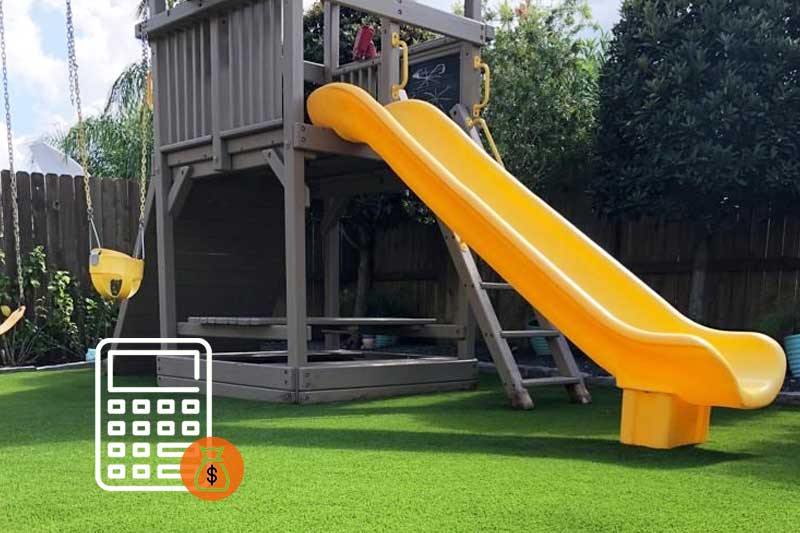
Если вы планируете реализовать проект по созданию детской площадки в 2026 году, то, вероятно, в первую очередь пытаетесь ответить на один ключевой вопрос:
Сколько стоит искусственный газон для детской площадки за квадратный фут?
В Интернете можно найти цифры в диапазоне от $2 до более чем $20+ за квадратный фут. Стоимость только материалов обычно колеблется от $2 до $8 за квадратный фут, тогда как стоимость с полной установкой игровая площадка с искусственным покрытием Площадь поверхности — включая подготовку основания и амортизацию — составляет от $10 до $20+ на квадратный фут.
Важно не само число, а то, что за ним стоит. В большинстве проектов по обустройству детских площадок видимый слой искусственного газона составляет менее трети от общей суммы инвестиций. Остальная часть средств уходит на конструктивные слои, от которых зависит, соответствует ли ваш проект стандартам безопасности, таким как EN1177 или ASTM F1292.
Если вы сравниваете предложения, ориентируясь исключительно на цену искусственного газона, то, скорее всего, вы сравниваете неполные системы.
В этом руководстве вы узнаете, как настоящие подрядчики рассчитывают стоимость искусственного газона для детских площадок на открытом воздухе, от чего зависят эти расходы и как уверенно оценивать предложения.
Сколько будет стоить искусственный газон для детской площадки за квадратный фут в 2026 году?
Основываясь на последних сравнительных данных, предоставленных подрядчиками и поставщиками, давайте для начала рассмотрим общую картину примерной стоимости искусственного газона для детских площадок в расчете на квадратный фут.
| Объем проекта | Ценовой диапазон (за кв. фут) | Что вы на самом деле получаете |
| Только газон | $2 – $8 | Искусственная трава предназначена исключительно для игровой площадки |
| Базовая установленная система | $10 - $15 | Синтетический газон + простой базовый слой |
| Сертифицированная система безопасности | $15 – $25+ | Трава + амортизирующая подложка + инженерное основание + укладка |
Большинство школьных и муниципальных проектов по своим характеристикам находятся где-то посередине — при надлежащем строительстве их показатели обычно колеблются в диапазоне от $12 до $19 на квадратный фут.
Причина разницы в цене может стать понятной только после того, как вы более глубоко разобрались в вопросе. Низкая стоимость часто свидетельствует об упрощённой укладке — более тонких базовых слоях, минимальном дренаже или отсутствии сертифицированной амортизирующей подложки. Более высокая стоимость, напротив, обычно включает в себя полную систему безопасного покрытия из синтетического газона, разработанную с учётом требований безопасности и долговечности.
Поэтому, когда вы спрашиваете: «Сколько стоит искусственный газон для детской площадки?» Скорее всего, вы услышите следующий ответ: «Это зависит от того, насколько безопасным и долговечным он должен быть».
Стоимость искусственного газона для детских площадок в зависимости от типа проекта
Один из самых быстрых способов разобраться в ценообразовании — это посмотреть, как строятся разные проекты. Не все детские площадки требуют одинакового уровня инженерных работ, и это напрямую влияет на стоимость.
- Для небольших детских садов или игровых зон в жилых комплексах система, как правило, проще. Игровое оборудование не такое высокое, требования к высоте падения минимальны, а основное внимание часто уделяется чистоте и комфорту. В таких случаях стоимость искусственной травы для игровых зон может составлять от $10 до $16 за квадратный фут с учетом укладки.
- Школьные игровые площадки относятся к совершенно другой категории. Это зоны с высокой интенсивностью использования, где соблюдение требований безопасности является обязательным условием. В большинстве проектов для покрытия игровых площадок требуется сертифицированный искусственный газон, рассчитанный на высоту падения от 1,5 до 3 метров. В результате стоимость обычно составляет от $15 до $25 за квадратный фут. Именно здесь начинают применяться более толстые амортизирующие прослойки и более прочные системы основания.
- Для общественных парков и муниципальных детских площадок эти системы созданы для долгосрочной эксплуатации, рассчитаны на интенсивный пешеходный трафик и разработаны с учетом строгих стандартов безопасности. Здесь плотность укладки газона на открытых детских площадках часто превышает $18 на квадратный фут и может достигать более $25 в зависимости от условий на объекте. На этом уровне долговечность, дренажные характеристики и испытания на соответствие требованиям становятся неотъемлемой частью инвестиций.
Поэтому стоимость искусственного газона для детской площадки зависит не только от площади покрытия; необходимо также учитывать конкретное назначение покрытия.
От чего на самом деле зависит стоимость искусственного газона для детской площадки?
Многие покупатели полагают, что выбор более дешевого искусственного газона позволит значительно сократить общую стоимость проекта. На самом деле сам искусственный газон — это лишь один из элементов системы, и зачастую далеко не самый дорогой.
Основным фактором, влияющим на стоимость, является высота падения. Чем выше игровое оборудование, тем большее амортизирующее действие должно обеспечивать покрытие. Это напрямую влияет на толщину и тип используемого амортизирующего покрытия. Переход от игровой площадки с низкой степенью удара к системе с высотой падения 3 метра может увеличить общую стоимость проекта на 30% или более.
Помимо этого, важнейшую роль играет амортизирующий слой. Это слой, расположенный под искусственным покрытием в зонах детских площадок, который поглощает удары и помогает системе соответствовать стандартам безопасности. В зависимости от материала и толщины вес одного только этого слоя может варьироваться от $2 до $8 на квадратный фут. Кроме того, это одна из самых распространённых областей, где недорогие поставщики идут на уступки в качестве.
Далее следует устройство основания. Если вы просто заменяете старый искусственный газон на детской площадке, а существующее основание и дренажная система остаются в исправном состоянии, вы можете не учитывать расходы, связанные с этой статьёй. Перед тем как приступить к установка искусственного газона на детской площадке Перед началом работ грунт необходимо должным образом подготовить, уложив уплотнённый слой щебня и дренажный слой. Во многих проектах на это приходится от 30% до 50% от общей стоимости монтажа. Некачественная подготовка основания является одной из основных причин преждевременного износа газона, включая неровности поверхности и скопление воды, что приводит к преждевременному износу искусственной травы на детской площадке.
Стоимость материалов для покрытия детских площадок из искусственной травы варьируется в зависимости от качества волокон, высоты ворса и плотности. Хотя цены на материалы обычно колеблются в диапазоне от $2 до $7 за квадратный фут, выбор волокон более высокого качества зачастую оказывает минимальное влияние на общую стоимость проекта, но при этом существенно влияет на срок службы и внешний вид.
Размер и форма игровой площадки также влияют на требования к искусственной траве, укладываемой на игровой зоне. Для небольших площадей, естественно, требуется меньше материала, тогда как укладка на больших площадях, как правило, приводит к снижению стоимости за квадратный фут. Однако площадки нестандартной формы — или те, на которых имеется множество вырезов (например, вокруг имеющегося игрового оборудования или клумб), — могут привести к увеличению отходов материала и замедлению процесса укладки. Поэтому на этапе подготовки коммерческого предложения крайне важно предоставить точные размеры и фотографии до начала укладки.
Именно поэтому опытные подрядчики не спрашивают: «Какой газон самый дешёвый?». Они спрашивают: «Какая система будет соответствовать требованиям безопасности и прослужит дольше всего?»
Разбивка расходов: на что на самом деле уходит ваш бюджет
Если рассмотреть полную укладку искусственного газона на детской площадке, то бюджет распределяется между несколькими слоями, каждый из которых влияет на эксплуатационные характеристики и безопасность.
| Компонент | Доля в общей стоимости | Ключевая роль |
| Искусственный газон | 20% - 30% | Внешний вид поверхности и износостойкость |
| Ударная площадка | 15% – 25% | Амортизация ударов и соответствие требованиям безопасности |
| Базовая конструкция | 25% – 40% | Устойчивость, водоотвод и долговечность |
| Труд по установке | 15% – 25% | Точность и целостность системы |
Этот разбор объясняет, почему два поставщика, предлагающие один и тот же «газон для детской площадки», могут в итоге установить совершенно разные цены. Дело в том, что они предлагают разные системы.
В предложениях с более низкой стоимостью сокращения затрат зачастую происходят в тех областях, которые не бросаются в глаза сразу. Базовые слои могут быть тоньше, амортизирующие прокладки могут не соответствовать стандартам сертификации, а система водоотвода может быть упрощена. Такие решения позволяют снизить первоначальные затраты, но зачастую приводят к долгосрочным проблемам, таким как деформация поверхности или неудачное прохождение проверок безопасности.
Для покупателей, закупающих товары на складе искусственного газона для детских площадок или напрямую у производителей, понимание этой структуры имеет решающее значение. Оно позволяет оценить не только то, сколько вы платите, но и то, что вы на самом деле получаете.
В компании MightyGrass основное внимание уделяется не продаже отдельного продукта. Напротив, вам предлагается комплексная система искусственного газона для детских площадок, в которой рекомендации по выбору газона, амортизирующего слоя и основания согласованы с требованиями безопасности вашего проекта.
Травяное покрытие для детской площадки или резиновое покрытие: что выгоднее?
При планировании покрытия для детской площадки большинство покупателей в конечном итоге сравнивают искусственный газон с монолитной резиновой настилкой. На бумаге оба эти материала относятся к категории безопасных покрытий. Однако на практике со временем они ведут себя совершенно по-разному.
На этапе монтажа литая резина часто кажется немного более выгодной для небольших площадей, особенно при ограниченной толщине покрытия. Однако при переходе к требованиям со средней или высокой высотой падения разница в стоимости быстро сокращается. Правильно уложенное покрытие детской площадки из искусственного газона с амортизирующей подкладкой часто оказывается в том же ценовом диапазоне — или даже немного дешевле — чем высококачественные резиновые покрытия.
Разница становится очевидной с течением времени. Резиновые поверхности подвержены растрескиванию, выцветанию и упрочнению поверхности, особенно в регионах с интенсивным ультрафиолетовым излучением или резкими перепадами температур. Ремонт редко удается выполнить так, чтобы не осталось следов, и зачастую требуется замена отдельных участков.
В отличие от этого, искусственная трава для детских площадок имеет модульную конструкцию. Срок службы высококачественных систем искусственного газона может составлять 8–10 и более лет в зависимости от интенсивности использования, а уход за ними, как правило, сводится к чистке щеткой, уборке и периодической корректировке наполнителя, если это необходимо.
С точки зрения жизненного цикла многие подрядчики в настоящее время считают безопасное покрытие из искусственной травы более экономически выгодным вариантом, особенно для школ и общественных парков, где бюджет на долгосрочное обслуживание имеет не меньшее значение, чем первоначальные затраты на установку.
Как рассчитать бюджет на укладку искусственного газона на детской площадке
Если вы хотите быстро оценить стоимость своего проекта, вам не нужна сложная формула. Вам нужно четко определить три параметра: площадь, требования к безопасности и тип системы.
Начните с общей площади в квадратных футах. Это послужит вам отправной точкой. Затем определите высоту падения на игровом оборудовании. Именно от этого зависит, потребуется ли вам специально разработанная система игровой площадки с искусственным покрытием, обладающая сертифицированными амортизирующими свойствами.
Стоимость большинства проектов можно оценить, руководствуясь простой логикой:
Общая стоимость ≈ искусственный газон + амортизирующая подложка + основание + монтаж
Например, школьная игровая площадка площадью 5 000 кв. футов, для которой предусмотрено требование по высоте падения 2 метра, почти всегда будет попадать в диапазон от $14 до $20 на кв. фут, в зависимости от условий на объекте и технических характеристик системы.
Местоположение также играет важную роль. Стоимость грузоперевозок, затраты на рабочую силу и доступность объекта могут повлиять на итоговую сумму на 10–20%. Именно поэтому сотрудничество с производителем, который разбирается в глобальной проектной логистике, а не просто поставляет материалы, может иметь решающее значение.
В MightyGrass, вам не придется самостоятельно заниматься расчетами. Вы получите рекомендации по конкретному проекту, в которых с самого начала будут согласованы технические характеристики искусственного газона, толщина амортизирующего слоя и требования к основанию.
Почему некоторые предложения по укладке искусственного газона на детских площадках стоят намного дешевле
Если вы уже запрашивали несколько предложений, то, возможно, заметили одну непонятную деталь:
Два поставщика, предлагающие, на первый взгляд, одинаковые услуги по укладке искусственного газона на детской площадке, могут иметь разницу в цене в 30% или более.
Эта разница редко бывает случайной. В большинстве случаев более низкие расценки достигаются за счет упрощения системы способами, которые не бросаются в глаза с первого взгляда.
- Базовый слой может быть тоньше, чем рекомендуется.
- Амортизирующая прокладка может не соответствовать требуемым стандартам по ударопрочности.
- Для сокращения времени монтажа можно уменьшить объем дренажа.
- Плотность газона также может снизиться, что повлияет на его долговечность при интенсивной эксплуатации.
- Искусственный газон отличается различными эксплуатационными характеристиками, такими как устойчивость к ультрафиолетовому излучению, антистатические свойства, антимикробные и антибактериальные свойства, а также огнестойкость.
Ни одно из этих изменений не бросается в глаза при первом взгляде на поверхность. Однако со временем они проявляются в виде:
- Неровная поверхность, скопление воды
- Более быстрый износ
- Непройденные проверки безопасности
- Низкий уровень комфорта или склонность к выцветанию
Это особенно рискованно в проектах, требующих соблюдения таких стандартов, как EN 1177 или ASTM F1292.
Для подрядчиков и дистрибьюторов, закупающих товары на складе искусственного газона для детских площадок, главное — не просто сравнивать цены, а сравнивать технические характеристики систем. Именно в этом и заключается принцип «качество соответствует цене».
Как сократить расходы без ущерба для безопасности
Снизить затраты на проект детской площадки вполне возможно — но только если вы знаете, в каких аспектах можно проявить гибкость, а в каких — нет.
Ни в коем случае нельзя идти на компромисс в отношении компонентов, связанных с безопасностью, таких как толщина амортизирующей прокладки и устойчивость основания. Эти факторы напрямую влияют на соответствие требованиям и долговечность.
Однако существуют более рациональные способы оптимизации бюджета. Например, регулировка высоты ворса искусственного газона позволяет сократить расходы на материалы без ущерба для безопасности. Выбор подходящей системы — с наполнителем или без него — с учетом особенностей вашего проекта также может повысить эффективность.
Еще одним фактором, который часто упускают из виду, является стратегия выбора поставщиков. Работая напрямую с производитель искусственной травы Например, компания MightyGrass исключает ненужные промежуточные звенья, что позволяет вам приобретать искусственный газон для детских площадок по более выгодной цене, при этом по-прежнему получая инженерную поддержку.
В случае крупных проектов стандартизация систем на нескольких объектах также может значительно сократить общие затраты на закупки. Цель заключается не в сокращении расходов, а в их разумном планировании.
Почему подрядчики выбирают MightyGrass для проектов по обустройству детских площадок
При выборе искусственной травы для игровых площадок главная сложность заключается не в поиске самого продукта, а в поиске решения, которое действительно подойдет для конкретных условий вашего проекта.
Именно в этом MightyGrass выделяется среди других.
Вместо того чтобы предлагать отдельные элементы искусственного покрытия, мы предоставляем комплексный подход к созданию системы покрытия для детской площадки. Это означает, что рекомендации по выбору искусственного покрытия, амортизирующего слоя и основания разрабатываются комплексно, а не по отдельности. Это снижает риски при монтаже и гарантирует стабильные эксплуатационные характеристики после завершения работ.
Благодаря собственному производству, включающему экструзию волокна, тафтинговую обработку и изготовление основы, компания MightyGrass обеспечивает полный контроль над качеством продукции. Это позволяет вам настраивать структуру волокон, высоту ворса и плотность в соответствии с потребностями вашего рынка — независимо от того, поставляете ли вы продукцию в школы, парки или на коммерческие игровые площадки.
В случае проектов, требующих соблюдения нормативных требований, вы также получаете преимущества от использования систем, разработанных в соответствии с международными стандартами, такими как EN 1177 и ASTM F1292.
Благодаря накопленному опыту в сфере экспорта и наличию локальных служб поддержки компания MightyGrass гарантирует, что искусственный газон для детских площадок на открытом воздухе будет доставлен в срок и будет функционировать на месте в соответствии с ожиданиями. Если вы находитесь в Северной Америке, мы отправим товар напрямую вам из нашего склад искусственной травы в Калифорнии.
Сразу же предоставьте компании MightyGrass основную информацию о вашем проекте, включая его масштаб, местоположение и требования к высоте падения, и вы получите индивидуальную разбивку стоимости искусственного газона для детской площадки за квадратный фут, а также рекомендации по системе, соответствующие вашим потребностям.
Получить индивидуальное предложение по проекту
Заключение
Чтобы правильно оценить стоимость искусственного газона для детской площадки, нужно не просто найти самую низкую цену, а понять, за что именно вы платите.
Хорошо спроектированная система обеспечивает баланс между безопасностью, долговечностью и долгосрочной ценностью. Плохо спроектированная система может на первый взгляд выглядеть аналогично, но со временем приведет к более высоким затратам.
Если вы будете подходить к своему проекту с системной точки зрения, а не с точки зрения продукта, вы с самого начала будете принимать более взвешенные решения.
Часто задаваемые вопросы
Как школы и детские сады могут снизить затраты на монтаж?
Вот несколько практических способов управления бюджетами проектов без ущерба для безопасности и качества:
- Если существующее асфальтовое или бетонное покрытие ровное и обеспечивает хороший водоотвод, новое покрытие можно укладывать непосредственно поверх него.
- Используйте амортизирующие маты только в определенных зонах падения, а не по всей площади.
- Выберите искусственный газон без наполнителя, что упрощает техническое обслуживание и позволяет сократить расходы на материалы.
- Используйте оставшиеся материалы для создания сенсорных дорожек, скамеек или небольших игровых уголков.
- Запланируйте монтаж на период школьных каникул, чтобы свести к минимуму неудобства и ускорить реализацию проекта.
Наша опытная команда предлагает честные рекомендации и гибкие варианты, которые помогут школам добиться наилучших результатов в рамках имеющегося бюджета — от обустройства небольших игровых уголков в детских садах до комплексной реконструкции игровых площадок в начальных школах.
Почему укладка искусственного газона на детской площадке обходится так дорого?
Большая часть затрат связана с тем, что скрыто под поверхностью.
Надлежащее покрытие детской площадки из искусственного газона состоит из нескольких слоев, таких как уплотнённое основание, дренажная система и амортизирующий слой. Эти компоненты обеспечивают соответствие требованиям безопасности и долговечность.
Во многих проектах на эти конструктивные слои приходится 60% или более от общей стоимости, поэтому стоимость укладки может показаться высокой по сравнению со стандартным ландшафтным газоном.
Какой вариант покрытия для детской площадки является самым дешевым?
Насыпные материалы, такие как древесная щепа или песок, как правило, являются вариантами с наименьшими первоначальными затратами.
Однако они требуют частого ухода, перераспределения и замены. Со временем их общая стоимость может превысить стоимость защитного покрытия из синтетического газона.
Искусственная трава для игровых площадок обеспечивает оптимальный баланс между безопасностью, чистотой и долгосрочной экономической эффективностью.
Безопасна ли искусственная трава для детских площадок?
Да — при установке в качестве полноценной системы.
Правильно спроектированная система «газон под детской площадкой» включает в себя амортизирующую подкладку, которая поглощает удары и помогает обеспечить соответствие стандарты безопасности, такие как EN 1177 или ASTM F1292.
Без этого слоя искусственная трава сама по себе не обеспечивает достаточную защиту от падений.
Всегда ли под искусственным газоном на детской площадке нужна амортизирующая подкладка?
В большинстве проектов по созданию коммерческих детских площадок ответ — да.
Амортизирующие подкладки необходимы для соблюдения норм безопасности, касающихся высоты падения, и являются ключевым элементом при укладке искусственного газона на детской площадке. Толщина подкладки зависит от высоты игрового оборудования.
В зонах с низкой нагрузкой можно использовать системы меньшей толщины, однако всегда необходимо убедиться в их соответствии требованиям безопасности.
Как долго служат газоны для детских площадок?
Высококачественный газон для детских площадок на открытом воздухе обычно служит от 8 до 10 и более лет в условиях интенсивной эксплуатации.
Срок службы зависит от таких факторов, как интенсивность использования, качество волокон, воздействие ультрафиолета и методы ухода. Системы премиум-класса с волокнами более высокой плотности и более прочной основой могут значительно продлить срок службы.
Что больше всего влияет на стоимость искусственного газона для детской площадки?
К числу наиболее важных факторов, влияющих на затраты, относятся:
- требования к высоте падения
- толщина амортизирующей прокладки
- устройство фундамента и дренажа
- плотность газона и материал
Является ли искусственный газон для детских площадок дешевле, чем резиновое покрытие?
Первоначальные затраты на установку могут быть примерно одинаковыми в зависимости от технических характеристик системы.
Однако в течение срока службы от 5 до 10 лет искусственный газон — при использовании в качестве покрытия для детских площадок — как правило, является более экономичным и простым в обслуживании, чем резиновое покрытие, укладываемое на месте.
Можно ли укладывать искусственный газон для детской площадки прямо на грунт?
Технически это возможно, но не рекомендуется.
Без надлежащей подготовки основания поверхность может стать неровной, задерживать воду и быстро изнашиваться. Стабильное основание имеет решающее значение как для эксплуатационных характеристик, так и для безопасности при укладке искусственного газона на любой детской площадке.
Как получить точную смету на укладку искусственного газона на детской площадке?
Чтобы получить достоверную оценку, необходимо определить три ключевых фактора:
- площадь проекта (в квадратных футах)
- требования к высоте падения
- условия на объекте (подстилающий слой, дренаж, доступность)
Сотрудничество с таким производителем, как MightyGrass, позволяет вам получить комплексное ценовое предложение, а не просто цену на искусственный газон, что гарантирует соответствие вашего бюджета реальным потребностям проекта.


