العربية
  English
  Español
  Deutsch
  Français
  Português
  Русский
  日本語
日本語  Italiano
  Nederlands
  Svenska
  Suomi
Suomi  ไทย
ไทย  Dansk
Dansk  Ελληνικά
  Bahasa Melayu
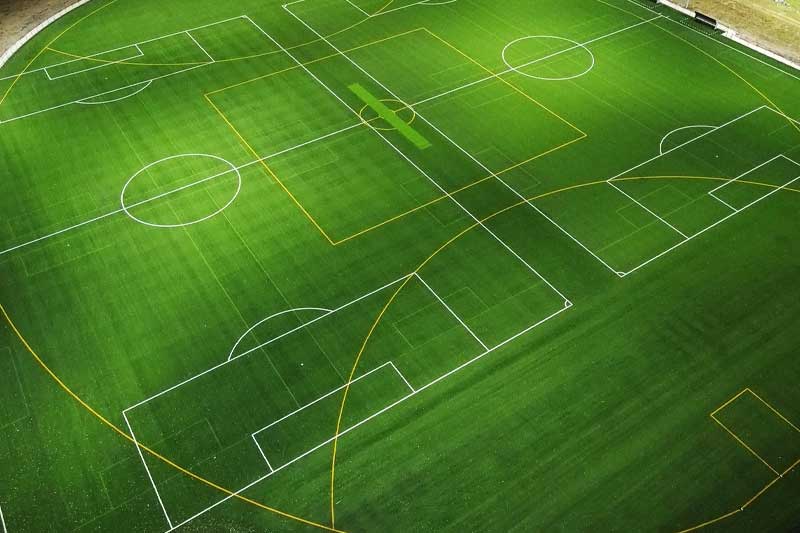
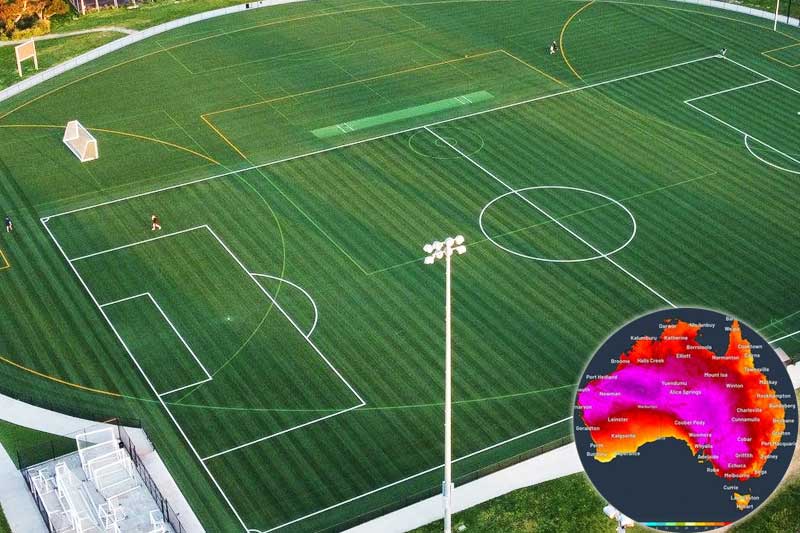
يتطلب ملعب AFL النموذجي مساحة لعب واسعة، وأداءً ثابتًا للسطح، وثباتًا قويًّا للاعبين، والقدرة على تحمل آلاف الساعات من الاستخدام كل عام. في جميع أنحاء أستراليا، أصبح الحفاظ على الملاعب البيضاوية ذات العشب الطبيعي يمثل تحديًا متزايدًا للمدارس والجامعات وأندية كرة القدم الأسترالية (AFL) ومشغلي المنشآت الرياضية. فقيود استخدام المياه وظروف الجفاف ودرجات الحرارة الصيفية القصوى والطلب المتزايد على المنشآت الرياضية المجتمعية كلها عوامل تضع ضغوطًا على الإدارة التقليدية للعشب.
كما عشب صناعي مع استمرار التطور التكنولوجي، أصبح العشب الصناعي المخصص لرياضة AFL خيارًا عمليًّا للمؤسسات التي تسعى إلى إنشاء مرافق رياضية متينة وموثوقة ولا تتطلب صيانة كثيرة. في هذا الدليل، ستتعرف على كيفية تصميم العشب الصناعي المخصص لرياضة AFL، والمواصفات الأكثر أهمية، وكيفية اختيار المورد المناسب للعشب الصناعي لمشروعك.
ما هو العشب الصناعي AFL؟
العشب الصناعي AFL هو نظام عشب صناعي متخصص مصمم لتلبية متطلبات الأداء في ملاعب كرة القدم الأسترالية؛ حيث يتعين على العشب الصناعي AFL أن يتحمل الأنشطة الرياضية عالية الكثافة. فاللاعبون يقومون بالركض السريع وتغيير الاتجاه والقفز والتصدي والتنافس عبر مساحات واسعة، مما يعني أن السطح يجب أن يوفر ثباتًا ومتانة وراحة ثابتة.
وفقًا لإرشادات الاتحاد الأسترالي لكرة القدم (AFL) بشأن الملاعب، يمكن أن تختلف مساحات اللعب بشكل كبير، حيث تتراوح الأبعاد النموذجية تقريبًا بين 135 مترًا و185 مترًا في الطول، و110 أمتار و155 مترًا في العرض. على الرغم من أن ملاعب AFL تغطي مساحة لعب واسعة، إلا أن التآكل يتركز عادةً في مناطق محددة تشهد حركة كثيفة، حيث يقوم اللاعبون بشكل متكرر بالتسارع وتغيير الاتجاه والتنافس على الاستحواذ على الكرة. وتشمل هذه المناطق:
- مناطق الارتداد المركزية
- مربعات المرمى
- ممرات الجري
- مناطق التدريب ذات الكثافة المرورية العالية
يتألف نظام العشب الصناعي AFL المصمم بشكل سليم عادةً من عدة طبقات تعمل معًا:
| مكون نظام العشب الصناعي | غاية |
| الخيوط الاصطناعية | يوفر المتانة والمظهر الجيد والتفاعل مع اللاعبين |
| الدعم الأساسي | يثبت ألياف العشب أثناء التصنيع |
| الدعم الثانوي | يحسّن ثبات الأبعاد |
| وسادة الصدمات (اختياري) | يعزز امتصاص الصدمات وراحة اللاعب |
| نظام الحشو | يساعد على استعادة الألياف وتحسين أداء السطح |
| هيكل الصرف | يتيح التخلص السريع من المياه بعد هطول الأمطار |
تتمتع شركة MightyGrass بخبرة تزيد عن 20 عامًا في تصنيع العشب الصناعي، حيث تنتج العشب الرياضي حلول للأسواق الدولية، بما في ذلك أستراليا. من خلال قدراتها المتطورة في مجال بثق الخيوط، وتصنيع الحشوات، وإنتاج الطبقات السفلية، توفر شركة MightyGrass أنظمة عشب اصطناعي مصممة خصيصًا لمشاريع الرياضة الاحترافية، والمرافق المجتمعية، والتطبيقات التجارية.
لماذا يحتاج كرة القدم الأسترالية إلى مواصفات مختلفة للعشب الصناعي
تُلعب رياضة AFL على ملاعب واسعة بيضاوية الشكل، حيث يتعين على اللاعبين الركض لمسافات طويلة، وتغيير اتجاههم بسرعات عالية، والتنافس على الكرات الهوائية، وتحمل الصدمات المتكررة في مناطق محددة. ونظرًا لطبيعة هذه المتطلبات الفريدة للأداء، لا يمكن أن يكون العشب مجرد نسخة مكبرة من العشب الرياضي القياسي. يجب أن يتم تصميم بنية الألياف، وارتفاع الوبر، ونظام الحشو، وامتصاص الصدمات، وبنية القاعدة بدقة متناهية لضمان أداء متسق في جميع أنحاء الملعب. وهناك عدة عوامل تدفع إلى ذلك:
- يجب أن يكون سلوك الكرة سليمًا في جميع الاتجاهات: تُقام رياضة «القواعد الأسترالية» باستخدام كرة بيضاوية الشكل يتم ارتدادها وإسقاطها وركلها لمسافات طويلة عبر ملعب بيضاوي الشكل، لذا فإن السطح يحتاج إلى ارتداد يمكن التنبؤ به ومتساوٍ بغض النظر عن الاتجاه الذي تتحرك فيه الكرة — وهي خاصية يصعب تصميمها هندسيًّا أكثر بكثير من تحقيق تدحرج متسق على طول مجموعة محددة من الخطوط.
- يكون الحمل على اللاعبين أكبر وأكثر تكرارًا: يقطع لاعبو دوري كرة القدم الأسترالية (AFL) مسافات أكبر بكثير في كل مباراة مقارنة بمعظم رياضيي الرياضات الميدانية، كما أن المنافسات على التقاط الكرة فوق الرأس تعني أن اللاعبين يهبطون بقوة وبشكل متكرر على نفس المناطق من العشب، لذا فإن امتصاص الصدمات واستعادة الألياف لهما أهمية أكبر في المواصفات مقارنة بالرياضات التي تتسم بقدر أقل من الاحتكاك.
- الاستخدام المشترك هو القاعدة وليس الاستثناء: فمعظم الملاعب المستديرة التابعة لاتحاد كرة القدم الأسترالي (AFL) في أستراليا تُستخدم أيضًا كملاعب للكريكيت في الصيف، لذا يجب أن يتحمل العشب في منطقة القاعدة والميدان الخارجي متطلبات رياضتين تختلف متطلبات سطحهما اختلافًا كبيرًا على نفس المساحة، في حين يُعامل ملعب الكريكيت نفسه عادةً على أنه مسار منفصل مصمم خصيصًا لهذا الغرض، سواء كان اصطناعيًا أو هجينًا، داخل الملعب المستدير.
وهذا هو بالضبط السبب الذي دفع الاتحاد الأسترالي لكرة القدم (AFL) واتحاد الكريكيت الأسترالي (Cricket Australia) إلى عدم الاكتفاء باقتباس معيار FIFA أو World Rugby الخاص بالعشب الصناعي وإعادة تسميته فحسب؛ بل قاما بإجراء بحث مخصص حول الوظائف التي يجب أن يؤديها الملعب البيضاوي الصناعي فعليًّا.
فهم معايير شهادة AFL/CA
عند البحث عن العشب الصناعي المطابق لمعايير AFL، قد تتساءل عما إذا كانت هناك معايير اعتماد محددة من AFL مشابهة لتلك الخاصة بـ عشب كرة القدم FIFA لكرة القدم. والجواب هو أن الاتحاد الأسترالي لكرة القدم (AFL) لا يدير حاليًا أي برنامج عالمي واحد لاعتماد العشب الصناعي يعادل «برنامج الجودة» التابع للفيفا.
بدلاً من ذلك، عادةً ما تُقيّم مرافق رابطة كرة القدم الأسترالية (AFL) أسطح الملاعب استنادًا إلى توقعات الأداء، ومتطلبات سلامة اللاعبين، ومدى ملاءمتها لكرة القدم الأسترالية. أما بالنسبة للمرافق المشتركة بين رابطة كرة القدم الأسترالية (AFL) والكريكيت، فقد تؤثر إرشادات «كريكيت أستراليا» والمتطلبات الرياضية المحلية أيضًا على قرارات التصميم.
عند اختيار مورد للعشب الصناعي الخاص بدوري كرة القدم الأسترالي (AFL)، يجب ألا تقتصر على المظهر الخارجي فقط. فالسطح الذي يبدو واقعيًا لا يعني دائمًا أنه يوفر الأداء المطلوب لممارسة الرياضة التنافسية.
| معامل الأداء | الأهمية |
| امتصاص الصدمات | يساعد على تقليل قوى الصدمات أثناء اللعب |
| التشوه العمودي | يقيس استجابة السطح تحت الحمل |
| مقاومة الدوران | يقيّم سلامة تحركات اللاعبين |
| متانة الألياف | يحدد الأداء على المدى الطويل |
| القدرة على الصرف | يحافظ على سهولة الاستخدام بعد هطول الأمطار |
| اتساق السطح | يدعم أسلوب لعب يمكن التنبؤ به |
تجمع شركة MightyGrass بين خبرتها في تصنيع العشب الرياضي وأنظمة الجودة المعترف بها دوليًا، بما في ذلك نظام إدارة الجودة ISO، وقدرات الاختبار التي توفرها SGS، والخبرة في مجال العشب المخصص لكرة القدم المعتمد من الاتحاد الدولي لكرة القدم (FIFA). وتتيح هذه الخلفية لشركة MightyGrass تطوير أسطح رياضية تلبي متطلبات المشاريع المختلفة في مجالات كرة القدم، ومناطق التدريب على غرار دوري كرة القدم الأسترالية (AFL)، والمرافق متعددة الألعاب الرياضية.
ما الذي يجعل نظام العشب الصناعي AFL عالي الجودة؟
ليست جميع منتجات العشب الصناعي مناسبة لبيئات دوري كرة القدم الأسترالي (AFL). ويعتمد نظام العشب الصناعي الموثوق به في دوري كرة القدم الأسترالي (AFL) على مزيج من تكنولوجيا الخيوط وجودة التصنيع وتصميم التركيب.
ارتفاع الوبر، وشكل الخيوط، وكثافتها
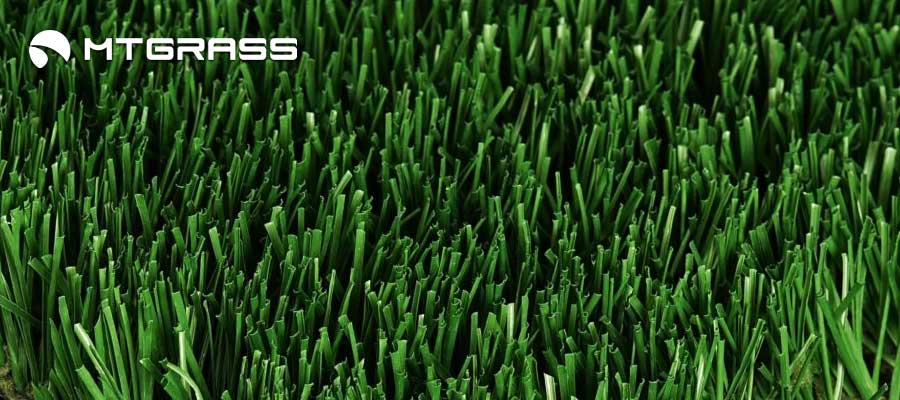
يؤثر ارتفاع الوبر بشكل مباشر على ملمس العشب الصناعي وأدائه. بالنسبة لاستخدامات دوري كرة القدم الأسترالية (AFL) والرياضات المتعددة، تتراوح سماكة أنظمة العشب الصناعي عادةً بين 40 مم و60 مم، اعتمادًا على خصائص الأداء المطلوبة. ويمكن أن يوفر العشب الصناعي ذو الوبر الأطول ما يلي:
- تلامس أكثر نعومة مع اللاعب
- تحسين المظهر الخارجي
زيادة حركة الألياف
ومع ذلك، فإن ارتفاع الوبر وحده لا يحدد الجودة، بل يجب أيضًا مراعاة شكل وكثافة خيوط العشب. وقد صُممت الملامح المتطورة للخيوط — مثل الألياف على شكل حرف S أو حرف U أو الماس — لتحسين استعادة شكل الألياف ومظهرها المنتصب ومتانتها في ظل الاستخدام المتكرر.
تتيح بنية الخيوط عالية الجودة للعشب الصناعي الحفاظ على أدائه حتى بعد سنوات من الاستخدام المكثف.
مقاومة الأشعة فوق البنفسجية في ظل المناخ الأسترالي
يُعد مقاومة الأشعة فوق البنفسجية أمرًا ضروريًا نظرًا لظروف المناخ في أستراليا. وتتمتع الشركات المصنعة التي تمتلك قدرات إنتاج متكاملة بقدر أكبر من التحكم في جودة الخيوط واتساقها. عند اختيار العشب الصناعي AFL، يجب عليك التأكد مما يلي:
- ما إذا كانت تُضاف مُثبِّتات الأشعة فوق البنفسجية أثناء إنتاج الخيوط
- ما إذا كان العشب قد خضع لاختبار للتأكد من متانته في الأماكن المفتوحة
- ما إذا كانت الشركة المصنعة تتولى عملية بثق الخيوط داخل مصنعها
تمتلك شركة MightyGrass مرافق داخلية مخصصة لعمليات بثق ألياف العشب، والتطريز، وإنتاج الطبقة السفلية، مما يتيح لها التحكم الفعال في المواد الخام ومعايير التصنيع، بالإضافة إلى أنشطة البحث والتطوير الخاصة بالعشب الرياضي المصمم حسب الطلب. كما اجتازت الشركة اختبارات مقاومة الأشعة فوق البنفسجية التي تجريها شركة Labosport.
نظام تصريف المياه لضمان إمكانية اللعب في الأحوال الجوية الرطبة
غالبًا ما يتم الاستهانة بأهمية الصرف عند اختيار العشب الصناعي. فملاعب دوري كرة القدم الأسترالي (AFL) هي مساحات خارجية واسعة، وقد يؤدي سوء تصميم نظام الصرف إلى تراكم المياه، وتباطؤ عملية استعادة الملعب لحالته الطبيعية، وانخفاض قابليته للاستخدام بعد هطول الأمطار. وينبغي أن يجمع نظام العشب الصناعي عالي الأداء بين:
- طبقة سفلية مثقبة
- قنوات تصريف فعالة
- التحضير المناسب للطبقة التحتية
بالنسبة لـ مشاريع العشب الصناعي الرياضي في أستراليا، تُعتبر سعة الصرف التي تبلغ حوالي 60 لترًا في الدقيقة لكل متر مربع مستوىً عاليًا من الأداء في أنظمة العشب الرياضي الخارجية.
نظام دعم يضمن المتانة في ظل حركة المرور الكثيفة
يوفر نظام الطبقة السفلية الاستقرار الهيكلي ويؤثر بشكل مباشر على عمر العشب الصناعي. وتشمل الخيارات الشائعة للطبقة السفلية ما يلي:
| نوع الدعم | المزايا |
| طبقة داعمة من اللاتكس | • فعال من حيث التكلفة • يستخدم على نطاق واسع في تطبيقات العشب الصناعي • مناسب للعديد من الاستخدامات القياسية في مجال تنسيق الحدائق والعشب الرياضي |
| طبقة داعمة من البولي يوريثان (PU) | • امتصاص أقل للرطوبة • تحسين ثبات الأبعاد • أداء أفضل في البيئات الرطبة أو المبللة • يوفر متانة معززة وأداءً طويل الأمد |
فيما يتعلق بمرافق دوري كرة القدم الأسترالي (AFL) التي تشهد إقبالاً كبيراً أو في ظل الظروف المناخية الخارجية في أستراليا، فإن اختيار نظام الدعم المناسب يمكن أن يؤثر بشكل كبير على المتانة على المدى الطويل.
كم تبلغ تكلفة العشب الصناعي AFL؟
تختلف تكلفة العشب الصناعي الخاص بدوري كرة القدم الأسترالية (AFL) بشكل كبير وفقًا لمتطلبات المشروع. وبالنسبة لمشاريع الملاعب البيضاوية الكبيرة الخاصة بدوري كرة القدم الأسترالية (AFL)، فإن توريد العشب لا يمثل سوى جزء واحد من إجمالي الاستثمار. وقد تشمل ميزانية المشروع النموذجية ما يلي:
| مكون التكلفة | التأثير على الميزانية |
| مادة العشب الصناعي | يعتمد ذلك على جودة الخيوط ومواصفاتها |
| تحضير الأرضية | يختلف حسب حالة الموقع الحالية |
| نظام الصرف | ترتفع مستويات المياه في المناطق التي تعاني من ضعف الصرف الطبيعي |
| تثبيت | يعتمد ذلك على حجم المشروع وموقعه |
| معدات الصيانة | ضروري لتحقيق الأداء على المدى الطويل |
بالنسبة للمشترين، نادرًا ما يكون الخيار الأرخص من العشب الصناعي هو الخيار الأكثر اقتصادية على مدار دورة الحياة الكاملة. فقد يكون لنظام العشب الصناعي عالي الجودة الخاص بدوري كرة القدم الأسترالي (AFL) تكلفة أولية أعلى، لكنه يوفر متانة أفضل، ويحتاج إلى إصلاحات أقل، ويقدم أداءً أكثر اتساقًا على مدى سنوات عديدة.
تدعم شركة MightyGrass نماذج شراء متنوعة، بما في ذلك توريد المشاريع الكبيرة، والشراكات مع الموزعين، وحلول تصنيع المعدات الأصلية (OEM)، وتصنيع العشب الصناعي حسب الطلب. اتصل بنا اليوم، وسيقوم فريقنا بتقديم عرض أسعار تنافسي لمشروعك في أسرع وقت ممكن.
أين يُستخدم العشب الصناعي AFL؟
الملاعب المملوكة للمجتمع والمجلس
تعد الملاعب الرياضية المجتمعية من بين المجالات التي تشهد أسرع نمو في استخدام العشب الصناعي. وتواجه العديد من المجالس المحلية ضغوطًا متزايدة لتوفير المزيد من فرص ممارسة الرياضة مع تقليل استهلاك المياه ومتطلبات الصيانة في الوقت نفسه. وبالنسبة للمجالس المحلية التي تدير البرامج الرياضية، يمكن أن يوفر العشب الصناعي AFL حلاً موثوقًا على مدار العام. ويمكن أن يساعد العشب الصناعي مرافق مجتمعكم على تحقيق الأهداف التالية:
- زيادة توافر الموارد الميدانية
- زيادة عدد ساعات التدريب
- الحد من حالات الإلغاء المرتبطة بالظروف الجوية
الملاعب المدرسية والجامعية
غالبًا ما تشهد المدارس والجامعات مستويات استخدام عالية للغاية. وبالنسبة للمرافق التعليمية، عادةً ما تكون المتانة والسلامة أهم الاعتبارات عند الشراء. وقد يواجه الملعب البيضاوي ذو العشب الطبيعي صعوبة في استعادة حالته الطبيعية عندما يستخدم مئات الطلاب نفس المنطقة كل أسبوع. ويوفر العشب الصناعي ما يلي:
- ظروف لعب متسقة
- تقليل الانقطاعات الناجمة عن أعمال الصيانة
- مرونة أكبر في جدولة المواعيد
مرافق التدريب في أندية دوري كرة القدم الأسترالية (AFL)
تحتاج أندية دوري كرة القدم الأسترالية (AFL) المحترفة وشبه المحترفة إلى أسطح قادرة على تحمل جلسات التدريب المتكررة. وللتخفيف من الضغط الناجم عن الاستخدام المكثف على ملاعب العشب الطبيعي، يتزايد الاهتمام باستخدام العشب الصناعي كمواد لتغطية الأسطح في المجالات التالية:
- مناطق الإحماء
- مناطق التدريب
- مساحات إعادة التأهيل
- الأجزاء المعرضة للتآكل الشديد
الملاعب متعددة الأغراض والملاعب المشتركة الاستخدام
تحتاج العديد من المنشآت الرياضية الأسترالية إلى أسطح مرنة تدعم أنشطة متعددة. ويمكن لنظام العشب الصناعي المصمم جيدًا أن يستوعب مباريات دوري كرة القدم الأسترالية (AFL)، وتدريبات الكريكيت، والأنشطة الرياضية المجتمعية، والاستخدامات الترفيهية. وهذا يجعله ذو قيمة خاصة للمجالس المحلية والمطورين الذين يسعون إلى تحقيق أقصى استفادة من الموارد الأرضية المحدودة.
كيفية اختيار مورد للعشب الصناعي من AFL
يُعد اختيار مورد للعشب الصناعي المطابق لمعايير AFL قرارًا طويل الأمد، حيث إن جودة نظام العشب يمكن أن تؤثر بشكل مباشر على أداء الملعب ومتطلبات الصيانة والعمر الافتراضي الإجمالي للمشروع. في أستراليا، حيث تتعرض الأسطح الرياضية لأشعة فوق البنفسجية القوية، وأنماط الطقس المتغيرة، ومستويات عالية من الاستخدام المجتمعي، فإن اختيار مورد يتمتع بقدرات تصنيعية مثبتة وخبرة في مجال العشب الرياضي يعد أمرًا ضروريًا.
قبل المضي قدمًا في التعامل مع أحد الموردين، ينبغي عليك النظر في بعض الأسئلة المهمة:
- هل يمكنهم توفير نظام عشب صناعي مصمم خصيصًا لظروف الأماكن الخارجية في أستراليا؟
- هل لديهم خبرة في دعم المشاريع الرياضية واسعة النطاق، أم يقتصر عملهم على توريد العشب الطبيعي للمناظر الطبيعية فقط؟
- هل يمكنهم إثبات قدرتهم على التحكم في عملية التصنيع بأكملها، بما في ذلك إنتاج الخيوط، وعملية التفت، وتصنيع القاعدة، لضمان جودة متسقة من دفعة إلى أخرى؟
بفضل خبرة في تصنيع العشب الصناعي تعود إلى عام 2003، مايتي جراس تدير الشركة نظامًا إنتاجيًا متكاملًا يشمل بثق الخيوط، والتفتيت، وتصنيع الطبقة السفلية، وفحص الجودة. تتيح لنا هذه القدرات التصنيعية تطوير حلول مخصصة للعشب الرياضي باستخدام خيوط مقاومة للأشعة فوق البنفسجية، وهياكل ليفية متينة، وأنظمة تصريف فعالة للاستخدامات التي تتطلب معايير عالية. من خلال الجمع بين الخبرة الدولية في مجال العشب الرياضي والدعم المرن لمصنعي المعدات الأصلية (OEM) والمشاريع، تساعد MightyGrass شركاءها على تقديم حلول عشب موثوقة للمرافق المرتبطة برياضة كرة القدم الأسترالية (AFL) والكريكيت والمرافق متعددة الرياضات.
خاتمة
أصبح العشب الصناعي من نوع AFL حلاً يكتسب أهمية متزايدة بالنسبة للمنشآت الرياضية الأسترالية التي تبحث عن أسطح لعب متينة وموثوقة ولا تتطلب صيانة كثيرة.
ومع ذلك، فإن نجاح المشاريع يعتمد على اختيار المواصفات المناسبة للعشب الصناعي والشريك المناسب في التصنيع. فمن تقنية الخيوط المقاومة للأشعة فوق البنفسجية وأنظمة الصرف الفعالة وصولاً إلى الهياكل الداعمة المتينة والحلول الرياضية المخصصة، يساهم كل مكون في ضمان الأداء على المدى الطويل.
سواء كنت تعمل على إنشاء ملعب بيضاوي للمجتمع المحلي، أو تحديث مرافق مدرسية، أو تزويد مشاريع دوري كرة القدم الأسترالية (AFL) في جميع أنحاء أستراليا، فإن التعاون مع شركة «مايتيغراس»، وهي شركة ذات خبرة واسعة في تصنيع العشب الصناعي، يمكن أن يساعد في ضمان أن يقدم ملعبك أداءً ثابتًا على مدار سنوات.
التعليمات
هل يتطلب العشب الصناعي AFL صيانة؟
نعم، على الرغم من أن العشب الصناعي يتطلب صيانة أقل بكثير من العشب الطبيعي، إلا أن العناية المنتظمة لا تزال مهمة للحفاظ على أدائه على المدى الطويل. وقد تشمل الصيانة المعتادة ما يلي:
- إزالة الحطام
- التحقق من مستويات الحشو (إن وجدت)
- تمشيط الألياف للحفاظ على وضعها المستقيم
- فحص كفاءة الصرف
- إصلاح المناطق المتضررة عند الحاجة
بالمقارنة مع العشب الطبيعي، تقلل الأنظمة الاصطناعية من الحاجة إلى القص والري والتسميد وفترات الاستعادة الموسمية.
هل يمكن استخدام العشب الصناعي في ملاعب دوري كرة القدم الأسترالية (AFL)؟
نعم، يمكن استخدام العشب الصناعي في التطبيقات المتعلقة برياضة كرة القدم الأسترالية (AFL)، بما في ذلك مناطق التدريب والملاعب المجتمعية والمدارس والجامعات والمرافق الرياضية متعددة الأغراض. وتعتمد ملاءمة العشب الصناعي على مواصفات العشب ونظام التركيب ومتطلبات المشروع. بالنسبة لبيئات AFL، تعتبر عوامل مثل متانة الخيوط، ومقاومة الأشعة فوق البنفسجية، وأداء الصرف، واتساق السطح أكثر أهمية من المظهر وحده.
هل العشب الصناعي AFL مناسب لظروف الطقس الأسترالية؟
نعم، شريطة أن يتم تصميمه باستخدام المواد وأساليب البناء المناسبة. تتعرض الملاعب الرياضية الأسترالية لأشعة فوق البنفسجية القوية، ودرجات الحرارة المرتفعة، والأمطار الغزيرة، والتغيرات المناخية الموسمية. وينبغي أن يتضمن نظام العشب الصناعي المناسب لدوري كرة القدم الأسترالي (AFL) خيوطًا مقاومة للأشعة فوق البنفسجية، ونظام تصريف فعال، وتقنية دعم متينة للحفاظ على الأداء في البيئات الخارجية.
هل يمكن استخدام العشب الصناعي AFL في لعبة الكريكيت أيضًا؟
نعم، غالبًا ما تشترك مرافق كرة القدم الأسترالية (AFL) والكريكيت في نفس الملعب البيضاوي، لا سيما في المدارس والمجالس المحلية والمرافق الرياضية المجتمعية الأسترالية. ومع ذلك، تختلف متطلبات الأسطح بين كرة القدم الأسترالية والكريكيت. ويتطلب التوصل إلى حل هجين ناجح بين كرة القدم الأسترالية والكريكيت دراسة متأنية لتركيب العشب، ومناطق اللعب، وسلوك الكرة، وأنماط الاستخدام.