
 Dansk
Dansk  English
  العربية
  Español
  Deutsch
  Français
  Português
  Русский
  日本語
日本語  Italiano
  Nederlands
  Svenska
  Suomi
Suomi  ไทย
ไทย  Ελληνικά
  Bahasa Melayu
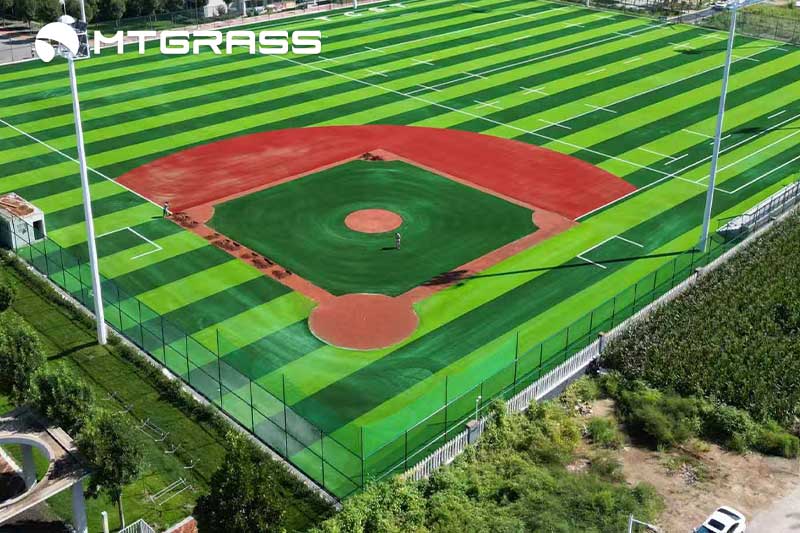
Kunstgræs anvendes ikke kun i vid udstrækning på fodboldbaner, men viser også en stærk væksttendens på markedet for baseballbaner. Hvis vi tager USA som eksempel, viser branchestatistikker, at der i 2024 vil være ca. 12.000 til 13.000 kunstgræsbaneanlæg (herunder fodbold-, rugby- og multifunktionsbaner, osv.) taget i brug i USA, og hvert år omdannes ca. 1.200–1.500 nye baner til kunstgræsbaner eller anlægges som nye kunstgræsbaner.
Selvom MLB (Major League Baseball) som helhed stadig hovedsageligt anvender naturgræs, er der ifølge offentligt tilgængelige oplysninger fra de seneste år 5 stadioner, der anvender kunstgræs (eller delvist anvender det). På tværs af alle 30 MLB-stadioner udgør dette ca. 16–20%. Selvom kunstgræs endnu ikke fuldstændigt har domineret de bedste professionelle baner, fremhæves dets fordele i universitets- og ligamiljøer, hvor der er høje klima- og vedligeholdelsesomkostninger samt høj brugsfrekvens, og det er i stigende grad blevet det foretrukne valg af underlagsmateriale til baseballbaner.
Det globale marked for kunstgræs til baseballbaner vil vokse med en årlig vækstrate (CAGR) på ca. 5,21 TP3T fra 2025 til 2035. På baggrund af denne markante markedstendens har kunstgræs til baseballbaner et stort potentiale, især i Latinamerika, Østasien, Mellemøsten og områder med høje temperaturer, tørke eller koncentreret nedbør. Der er stadig flere projekter, hvor baner med naturgræs eller blandet græs omlægges til baseballbaner med kunstgræs.
For entreprenøren, der anlægger baseballbanen, Sports Builder, skoleforvaltningen eller idrætslederen er det centrale spørgsmål, der vækker størst bekymring, uden tvivl: Hvad er de samlede omkostninger ved at lægge kunstgræs på en baseballbane? I det følgende vil denne artikel give dig et indgående indblik i omkostningsfordelingen ved anlæg af kunstgræs på en baseballbane og i detaljer gennemgå de vigtigste faktorer, der påvirker omkostningerne.
Vigtige faktorer i forbindelse med etablering af en baseballbane:
At gå helt fra bunden med at planlægge en helt ny baseballbane med kunstgræs betyder, at den tid og energi, du bruger, er større end de penge, du bruger. Fra det indledende arbejde med at ansætte en professionel designkonsulent, over at indhente byggetilladelse til at udskrive et udbud, er der mange trin involveret. Lad os tage anlæggelsen af baseballbaner på amerikanske skoler som eksempel. Vi antager, at vi kun skal tage højde for anlægsomkostningerne til baseballbanen, som kan opdeles i omkostninger til banematerialer, omkostninger til fundamentbehandling (herunder drænings- eller vandingssystemer), arbejdsomkostninger og vedligeholdelsesomkostninger. Her er de omkostningsfaktorer, der skal tages i betragtning for hver enkelt:
Omkostninger til belægningsmaterialer til baseballbaner
Når man beregner omkostningerne ved en baseballbane, er valget af belægningsmateriale en af de vigtigste beslutninger med hensyn til både omkostninger og ydeevne. Traditionelt blev de fleste baseballbaner anlagt med naturgræs og rød ler i indmarken, men i løbet af det seneste årti er kunstgræs til baseball blevet stadig mere populært blandt skoler, universiteter og kommunale parker – og udgør typisk 35–45% af den samlede investering i banen. Forskellige typer af overfladematerialer og dræningssystemer til baseballbaner har direkte indflydelse på både ydeevne og pris.
1. Baseballbane med naturgræs
Sammensætning:
- Udebanen: Naturligt græstæppe (f.eks. bermuda, kentucky bluegrass)
- Indmark: Rød ler / knust mursten
- Baselinjer og kastehøj: Speciel baseballblanding af ler
| Faktor | Detaljer |
| Gennemsnitlige installationsomkostninger | $12–20 pr. m² (ca. $140.000–$240.000 for en mark på 12.000 m²) |
| Årlige vedligeholdelsesomkostninger | $20.000–$35.000/år (græsslåning, vanding, gødning) |
| Levetid | 5–7 år før en større renovering af belægningen |
| Krav til dræning | Høj (regelmæssig beluftning + sandtilsætning) |
| Fordele | – Et naturligt udseende og en traditionel stemning – Lavere overfladetemperatur – Foretrukket af visse MLB-kastere på grund af friktionen mod underlaget |
| Ulemper | – Kræver omfattende vedligeholdelse – Afhænger af vejret (stor risiko for aflysning på grund af regn) – Ujævn overflade med tiden – Ikke egnet til baner med blandet brug |
For professionelle stadioner med fastansatte vedligeholdelsesteams har naturgræs stadig en æstetisk og historisk tiltrækningskraft. For skoler eller kommunale baner er vedligeholdelsesomkostningerne imidlertid ofte uoverkommelige.
2. Indersystem af ler/jord
Sammensætning:
- Indersiden består udelukkende af rød ler, murstenstøv eller en blanding af sand og ler
- Kombineret med en bane med naturgræs
| Faktor | Detaljer |
| Installationsomkostninger | $8–12 pr. m² (ca. $90.000–$130.000 pr. felt) |
| Omkostninger til vedligeholdelse | $10.000–$18.000/år (planering, vanding, tromling) |
| Levetid | 3–5 år før genudjævning eller udskiftning |
| Fordele | – Den traditionelle baseball-æstetik – Forudsigelig boldhop for infieldspillere – Nem at reparere på små områder |
| Ulemper | – Problemer med støv og mudder efter regn – Skal rives og vandes hver dag – Begrænset dræning, aflysninger af kampe er almindelige |
| Bedste brug | Amatørbaner eller hybridbaner med græstæppe i yderfeltet |
Mange skoler erstatter nu lerbaner med kunstgræsanlæg, der efterligner lerfarven (lerrødt kunstgræs) — hvilket giver det samme udseende med mindre vedligeholdelse.
3. Kunstgræs til baseball
- Syntetisk underlag på hele banen (PE- eller nylongræs)
- Fyldmateriale (sand + gummi / organisk / eller 4G uden fyldmateriale)
- Støddæmper + dræningsbundsystem
| Faktor | Detaljer |
| Installationsomkostninger | $18–30 pr. m² (ca. $220.000–$360.000 for en mark på 12.000 m²) |
| Omkostninger til vedligeholdelse | $4.000–$8.000/år (børstning, kontrol af fyldmateriale) |
| Levetid | 8-12 år |
| Krav til dræning | Integreret system; kan benyttes efter kraftig regn |
| Fordele | – Kan bruges i al slags vejr (ingen aflysninger på grund af regn) – Ensartet afspringskraft og hastighed – Minimal vedligeholdelse – Kan bruges til flere sportsgrene – Lang levetid og hurtigere afkast af investeringen |
| Ulemper | – Større startinvestering – Lidt varmere overflade om sommeren |
| Bedste brug | Skoler, universiteter, erhvervsakademier, multifunktionelle komplekser |
Antallet af kunstgræsbaner er steget med 500% i Nordamerika siden 2015. MightyGrass’ genanvendelige 4G/5G-kunstgræssystemer til baseballbaner er nu udbredt på universitets- og semi-professionelle baner på grund af deres holdbarhed og omkostningseffektivitet.
Omkostninger og ydeevne ved kunstgræs
| Parameter | Naturligt græs | Ler-/jordbane | Kunstgræs |
| Startomkostninger (pr. m²) | $12–20 | $8–12 | $18–30 |
| Hele området (12.000 m²) | $140K–$240K | $90K–$130K | $220K–$360K |
| Årlig vedligeholdelse | $20K–$35K | $10K–$18K | $4K–$8K |
| Brugervenlighed efter regn | Dårlig | Dårlig | Fremragende |
| Overfladens levetid | 5–7 år | 3–5 år | 8–12 år |
| Ensartethed i boldens opspring | Moderat | God (kun indmark) | Fremragende |
| Spillerens sikkerhed | God | Variabel | Meget godt |
| Kompatibilitet med flere sportsgrene | Begrænset | Ingen | Høj |
| Afkast på lang sigt (10 år) | ★★ | ★ | ★★★★★ |
| Miljøpåvirkning | Højt vandforbrug og gødningsforbrug | Støvforurening | Kan genbruges, lavt vandforbrug |
For entreprenører og ejere af anlæg er den langsigtede pris-ydelsesforhold foretrækker helt klart kunstgræs til baseball — især i projekter vedrørende skoler, gymnasier og kommunale parker.
Mens naturgræs og lerbyder en traditionel æstetik, er Baseballbane af kunstgræs sikrer uovertruffen holdbarhed, ensartet spilbarhed og minimal vedligeholdelse under alle vejrforhold.
Grundlæggende byggeomkostninger
De fundamentkonstruktion udgør det strukturelle fundament for enhver baseballbane. Det afgør, hvor godt overfladen dræner, hvor jævn spillefladen forbliver over tid, og hvor længe banen holder, før der er behov for en større renovering. Forskellige materialer til baneoverfladen—Naturligt græs, ler, og kunstgræs—kræver meget forskellige grundkonstruktioner, dybder og materialer.
Krav til fundamentkonstruktion
| Overfladetype | Typisk grundstruktur | Dybde | Gennemsnitspris (pr. m²) | Vigtige bemærkninger |
| Naturgræsbane | Blanding af matjord og sand oven på komprimeret naturlig jord | 150–200 mm | $5–8 | Kræver et næringsrigt lag til rødderne; jordkomprimering og hældning er afgørende |
| Ler-/jordbane | Graderet lerblanding + stabilisering af undergrunden | 120–150 mm | $4–6 | Kræver præcis udjævning for at undgå vandpytter; hyppig genudjævning |
| Kunstgræsbane | Underlag af knust sten + geotekstil + betonkantsten | 200–300 mm | $6–10 | Skal være helt vandret med indbygget afløb; engangsopbygning |
Indblik: Kunstgræsbaner kræver en et tættere og tykkere underlag, fordi der ikke er nogen jord eller rodstruktur, der kan stabilisere overfladen. Når det først er lagt, kan dette underlag dog holde i 20+ år, hvilket reducerer livscyklusomkostningerne betydeligt.
Arbejdsomkostninger
Arbejdsomkostningerne ved installationen varierer meget, afhængigt af overfladetypen og hvor kompliceret det forberedende arbejde er.
| Overfladetype | Installationsvejledning | Gennemsnitlige arbejdstimer (pr. 1.000 m²) | Typisk pris (pr. m²) | Projektets samlede varighed | Kompleksitet |
| Naturligt græs | Planering → Vanding → Lægning af græstørv → Valsning | 180–220 | $4–6 | 30–45 dage + 3 måneders vækst | Medium |
| Ler / Jord | Udgravning → Udlægning af ler → Komprimering → Foring | 120–160 | $3–5 | 20-30 dage | Lav |
| Kunstgræs | Forberedelse af underlaget → Lægning af kunstgræs → Samling af banen → Påfyldning → Vedligeholdelse | 250–300 | $5–8 | 25–40 dage | Der kræves høj præcision |
Bemærkning:
Krav til installation af kunstgræs mere kvalificeret arbejdskraft og præcision, især hvad angår limning af samlinger, hældningstolerance (<0,5%) og ensartethed i udfyldningen. Dog er dens engangsinstallation eliminerer behovet for den årlige nivellering, genudlægning af græstørv eller opsætning af vandingsanlæg, som naturlige baner kræver.
Omkostninger til tilbehør og forbrugsvarer
Ud over selve græstæppet og underlagssystemet er der en række hjælpematerialer, der bidrager til de samlede omkostninger. Disse materialer varierer afhængigt af banetypen og har direkte indflydelse på holdbarheden på lang sigt.
| Kategori | Naturligt græs | Ler / Jord | Kunstgræs |
| Vandingsanlæg | Påkrævet | Valgfrit | Ikke påkrævet |
| Kantafgrænsninger / Kantsten | $3–5/m | $2–3/m | $5–7/m (med betonkantsten) |
| Banemarkering / Linjer | Maling ($2K/år) | Kalk ($500/år) | Indlagte græsbane-linjer (engangsbeløb $5K–10K) |
| Hegn og jordankre | Ens på tværs af typerne | Lignende | Lignende |
| Lim og samlingstape | N/A | N/A | $1–2/m² |
| Støddæmper (ekstraudstyr) | N/A | N/A | $2–3/m² |
Ekspertindsigt: Omkostningerne ved kunstgræsanlæg ligger hovedsageligt i tilbehøret (kantsten, lim, samlingsbånd), men disse er engangsinvesteringer … som kan holde i to græstørvets livscyklusser.
Omkostninger til vedligeholdelse
Det er på vedligeholdelsesområdet, at kunstgræs har sin største omkostningsfordel i forhold til naturgræs og lerbaner. Nedenfor ses en detaljeret sammenligning af omkostningsprognoser over en 10-årig periode.
| Omkostningskategori | Naturligt græs | Ler-/jordbane | Kunstgræs |
| Årligt arbejde (græsslåning/valsning) | $8K–12K | $4K–6K | $1K–2K |
| Vanding / Kunstvanding | $5K–8K | $1K | — |
| Gødning / Jordbehandling | $2K–3K | — | — |
| Omprofilering / Luftning | $3K–4K | $2K–3K | — |
| Vedligeholdelse af udfyldning og børstning | — | — | $500–1K |
| Gennemsnitlige årlige omkostninger | $20K–30K | $8K–12K | $3K–6K |
| Samlede vedligeholdelsesomkostninger over 10 år | $200K–300K | $90K–120K | $30K–60K |
Et eksempel: En typisk baseballbane på en gymnasieskole sparer cirka $150.000–$200.000 i vedligeholdelse i løbet af de første 10 år efter overgangen til et kunstgræsanlæg — hvilket er nok til at dække det meste af de oprindelige installationsomkostninger.
Sammenligning af bygge- og vedligeholdelsesomkostninger
| Kategori | Naturligt græs | Ler / Jord | Kunstgræs |
| Grundkonstruktion | $5–8/m² | $4–6/m² | $6–10/m² |
| Afløbssystem | $3–5/m² | $2–3/m² | $4–6/m² |
| Installationsarbejde | $4–6/m² | $3–5/m² | $5–8/m² |
| Tilbehør og forbrugsvarer | $3–5/m² | $2–3/m² | $4–7/m² |
| Årlig vedligeholdelse | $20K–30K | $8K–12K | $3K–6K |
| Anslåede ejeromkostninger over 10 år | $400K–550K | $250K–350K | $260K–380K |
Faglig konklusion: Selvom baseballbaner med kunstgræs har en højere installationsomkostninger på forhånd, deres grundlæggende holdbarhed, fremragende dræning, og lav vedligeholdelse føre til laveste livscyklusomkostninger. For entreprenører og ejendomsforvaltere betyder dette, at kunstgræs er den mest omkostningseffektive investering på lang sigt — især for skoler, uddannelsesinstitutioner og offentlige anlæg, hvor driftsstop og vejrforårsagede afbrydelser har direkte indflydelse på anlæggets anvendelighed.
Sådan vælger du en professionel entreprenør til anlæg af baseballbaner og en producent af kunstgræs
At anlægge en baseballbane – især en, hvor der bruges kunstgræs—er en langsigtet investering, der har indflydelse på præstationer, sikkerhed og skolens omdømme. Uanset om du er idrætsleder på et universitet, facility manager i grundskolen og gymnasiet eller entreprenør i lokalsamfundet, er det vigtigt at vælge den rigtige baseballbane-bygger og producent af kunstgræs til baseballbaner kan udgøre forskellen mellem en mark, der holder i 10 år, og en, der går til grunde efter 2 år.
Her er, hvad du bør være opmærksom på, når du vælger en professionel samarbejdspartner.
Dokumenteret erfaring med anlæg af baseballbaner
En pålidelig entreprenørvirksomhed, der bygger baseballbaner bør have en portefølje af gennemførte projekter, som helst bør omfatte:
- Baseballbaner ved gymnasier og universiteter
- Multisportanlæg med kunstgræs
- Indendørs træningsfaciliteter
Anmod om projektreferencer, CAD-tegninger og dræningsplaner fra tidligere installationer.
MightyGrass har leveret over Over 200 systemer til design af sportsbaner over hele verden – herunder baseball-, softball- og fodboldbaner – og leverer nøglefærdigt specialdesign, levering af materialer og teknisk tilsyn til internationale entreprenører.
Tekniske kompetencer inden for fundament- og dræningssystemer
En rigtig professionel lægger ikke bare græstørv – han eller hun udforme fundamentet. Søg efter entreprenører, der forstår:
- Jordprøvetagning og klassificering
- Dimensionering af dræningshældning (0,5–1%)
- Standarder for komprimering af gruslag (≥95%)
- Metoder til installation af geotekstil og kantsten
Tip: Skoler overser ofte dræning af undergrunden. Et dårligt udformet dræningssystem vil fordoble dine vedligeholdelsesomkostninger i fremtiden.
For eksempel: På grund af en uhensigtsmæssig udformning af dræningssystemet på en baseballbane i USA samlede der sig vand på banen året rundt, mens den var i brug, hvilket gjorde den ubrugelig og nødvendiggjorde yderligere reparationer og genopbygning, hvilket medførte uoprettelige tab.
MightyGrass samarbejder direkte med arkitekter og ingeniører for at levere tilpassede grundtegninger, anbefalinger vedrørende hældning, og materiale-tværsnit tilpasset de lokale klimaforhold – hvilket sikrer stabil ydeevne i mere end 10 år.
Producent af certificerede baseballbanesystemer
Din kunstgræsproducent bør tilbyde:
- ASTM- og FIFA-certificeringer
- Dokumenterede holdbarhedstest af fibre (UV, Gmax, dræningshastighed)
- Græstørvmodeller til henholdsvis ind- og udfeltet
- Løsninger uden fyldmateriale og genanvendelige løsninger (af hensyn til bæredygtighed)
Hvorfor det er vigtigt: Certificeringen sikrer ensartet boldhastighed, sikker glidemodstand og komfort for spillerne – hvilket er afgørende på konkurrenceplan i skole- og universitetsmiljøer.
MightyGrass Baseball Turf-serien inkluderer:
- MT-Infield Clay Red Turf (35 mm) — en tæt overflade med kort luv, der sikrer et hurtigt spil på indmarken.
- MT – Grønt græstæppe til udmarken (45–50 mm) — PE-monofilamentfibre, der sikrer et realistisk boldhop.
- MT-5G genanvendeligt græssystem — fuldstændig miljøvenlig, intet affald, lang holdbarhed.
- MT-4G kunstgræs uden fyldmateriale — hurtigere installation, ingen gummigranulat, ideel til skoler.
Hvert produkt leveres med fuld ASTM-, SGS- og FIFA-dokumentation, hvilket gør det nemt at afholde udbud og godkende offentlige projekter.
Teknisk support fra start til slut
En professionel bygherre af baseballbaner sælger ikke blot kunstgræs – de leverer løbende vejledning før, under og efter byggeriet:
- CAD-layoutplanlægning og dræningstegninger
- Tilsyn med installationen på stedet eller via video
- Retningslinjer for samling af kunstgræs og fyldmateriale
- Træning i børstning og vedligeholdelse efter installationen
Til skoler og idrætsafdelinger: Find en leverandør af kunstgræs, der stiller trænings- og vedligeholdelsesvejledninger til rådighed for personalet på din anlæg.
MightyGrass tilbyder en komplet nøglefærdig løsning—fra anlægsdesign → græsproduktion → forsendelse → teknisk support → eftersalgskontrol, hvilket sikrer en problemfri gennemførelse og kvalitetssikring af hvert eneste projekt.
Global leveringskapacitet og lokal logistik
Den bedste græsproduktionsvirksomhed bør garantere hurtig levering og lokal support. MightyGrass har aktiviteter i:
- To store produktionsanlæg (Kina og Saudi-Arabien)
- Amerikansk lager i Californien til lokal udlægning (1.500 sq.ft pr. rulle)
- Servicecentre i udlandet i Nordamerika, MENA og LATAM
Denne model med to forsyningskæder forkorter leveringstiden, reducerer logistikomkostningerne og muliggør hurtig levering til skolerenoveringsprojekter med stramme tidsfrister.
Gennemsigtig garanti og eftersalgsservice
Anerkendte producenter af baseballbaner leverer:
- Ryd 8–10 års produktgaranti
- Teknisk inspektion efter behov
- Tilgængelighed af vedligeholdelsesværktøj og reservedele
Et eksempel: MightyGrass garanterer langvarig support – selv efter projektets aflevering – med valgfri årlige kontrolundersøgelser af overfladens ydeevne (Gmax-, drænings- og fiberslidtest).
Professionel kontra ikke-professionel anlægger af baseballbaner
| Kriterier | Professionel bygherre | Ikke-professionel bygherre |
| Projektudformning | Leverer CAD-tegninger og dræningstegninger | Kun grundlæggende tilbud |
| Certificering | ASTM-/FIFA-certificeret kunstgræs | Ikke-verificeret materiale |
| Hjælp til installation | Undervisning på stedet / fjernundervisning | Ingen support |
| Leveringstid | 3–4 uger | Uforudsigelig |
| Garanti | 8-10 år | 2–3 år eller ingen |
| Vedligeholdelsesvejledning | Inkluderet | Oplysning mangler |
| Afkast på lang sigt | Høj | Lav (hyppige reparationer) |
Faglig indsigt
En velkvalificeret producent af kunstgræs til baseballbaner og erfaren feltbygger sikre, at din bane forbliver spilbar, sikker og æstetisk tiltalende i et årti eller mere. Kombinationen af konstrueret dræning, certificeret græstæppe, og professionel installation Det sparer ikke kun penge – men også tid, omdømme og pålidelighed på lang sigt.
Hvorfor skoler vælger MightyGrass til kunstgræs på baseballbaner
- Fabriksindstillede priser — Spar 20–30% ved at købe direkte fra producenten.
- Certificeret kvalitet — Godkendt af FIFA, ASTM, SGS og ISO med hensyn til sikkerhed og ydeevne inden for sport
- Specialdesign — Et tofarvet system i lerrød og markgrøn, der sikrer en realistisk baseballoplevelse.
- Lavt minimumsordremængde og hurtig levering — Fra 1.100 m² og opefter; lager i USA, der sikrer hurtig levering.
- Nøglefærdig support — CAD-tegninger, dræningsplan, monteringsvejledning, kundeservice.
- Miljøinnovation — Genanvendelige 5G-kunstgræsbaner og 4G-systemer uden fyldmateriale til bæredygtige universitetsområder.
Fra design til levering, MightyGrass er din pålidelige fabrikspartner inden for anlæg af baseballbaner med kunstgræs — vi hjælper skoler, universiteter og entreprenører med at anlægge sikrere, smartere og mere omkostningseffektive sportsbaner.
Hvor meget koster det at anlægge en baseballbane med græstæppe?
Generelt gælder det, at A baseballbane med kunstgræs i standardstørrelse (omkring 12.000 m²) koster mellem $220.000 og $360.000, afhængigt af græstæppets kvalitet og dræningsanlæggets udformning.
A naturgræs- og lerbanen er billigere at opføre i første omgang, men kræver 1TP4 20.000–30.000 om året til vedligeholdelse, vanding og arbejdskraft, hvilket hurtigt opvejer besparelserne.
A system med kunstgræs til baseballbaner giver det bedste afkast på investeringen på lang sigt: kan bruges i al slags vejr, kræver mindre vedligeholdelse og har en levetid på 8-12 år.
Uanset om du er ansat i et skoledistrikts driftsafdeling, i et lokalt skoleudvalg eller et distriktsudvalg, eller arbejder for et byggefirma inden for idrætsanlæg, er det vigtigt, at du har indsigt i alle de centrale faktorer, der påvirker omkostningerne, hvordan man holder omkostningerne under kontrol, hvordan man vælger materialer, projektforløbet, produktcertificering og godkendelsesstandarder, konstruktionsdetaljer osv., for at udnytte budgettet bedst muligt og sikre, at anlægget fungerer optimalt.
Kontakt MightyGrass Få et tilbud på din baseballbane med kunstgræs i dag — direkte fra fabrikken, FIFA-certificeret, leveret over hele verden.
Ofte stillede spørgsmål om baseballbaner med kunstgræs
Hvilket underlag skal man bruge til kunstgræs?
For en professionel Baseball-græsbane, brug en flerslags underlag af knust sten med:
- 150–200 mm af sammenpresset grus
- Geotekstil for at sikre stabilitet
- PVC-afløbsrør under
Dette sikrer en korrekt vandgennemstrømning og en jævn overflade.
MightyGrass leverer CAD-grundtegninger og udformning af dræningshældninger til hvert projekt, hvilket sikrer en levetid på over 10 år.
Hvordan anvendes kunstgræs til baseballbaner?
Vælg forskellige græstyper til hvert område:
- Indfelt: kortfloret (30–35 mm) tætvævet, lerrød græstæppe, der sikrer ensartet boldhop.
- Udenfor banen: højere græstæppe (45–50 mm) af grønt PE-monofilament, der giver en realistisk affjedring.
MightyGrass tilbyder en tofarvet baseball-græssystem at kombinere begge dele — Lerrød + Markgrøn — skræddersyet til skole- og erhvervsområder.
Hvilke baseballstadioner har kunstgræs?
Flere store stadioner har indført syntetisk baseballgræs, herunder:
- Rogers Centre (Toronto Blue Jays, MLB)
- Tropicana Field (Tampa Bay Rays, MLB)
- Globe Life Field (Texas Rangers, MLB)
- Tokyo Dome (Japan)
- Doosan Bears Stadium (Sydkorea)
Mere end 70% blandt universiteter i NCAA Division I brug nu baseballbaner med kunstgræs, hvilket viser en global tendens i retning af vedligeholdelsesvenlige legepladser, der kan bruges i al slags vejr.
Hvordan lægger man kunstgræs?
- Komprimér og udjævn underlaget
- Læg geotekstil og dræningsnet
- Rul græstørvene ud, og sørg for, at de ligger i samme retning
- Lim og saml med græstape
- Spredning kvartssand + gummi-fyldmateriale jævnt
- Børst fibrene opad med en plejemaskine
MightyGrass tilbyder installationsvejledning på stedet eller via video til entreprenører og skoler over hele verden.
Hvordan laver man et underlag til kunstgræs?
Opret en dræningsvenligt og stabilt fundament:
- 100–150 mm knust sten (5–20 mm tilslag)
- Underlag af geotekstil
- Dræningshældning (0,5–1%)
- Valgfri stødpude til spillerens sikkerhed
Det koster: $5–8/m², afhængigt af materialerne.
MightyGrass-baseballgræssystemer er konstrueret til en dræningsevne på 500–800 mm/t — banen er klar til spil inden for 30 minutter efter kraftig regn.
Hvordan lægger man kunstgræs på en baseballbane?
Installationen foregår i fem hovedtrin:
| Trin | Beskrivelse |
| 1. Design og layout | CAD-tegninger, udformning af hældninger og dræning udført af MightyGrass. |
| 2. Forberedelse af underlaget | Fundament af knust sten, komprimering og kantsten. |
| 3. Anlæg af græstørv | Rullejustering, sammenføjning og påføring af lim. |
| 4. Ansøgning om bebyggelse af mellemrum | Tilsæt sand + gummi (eller brug et 4G-system uden fyldmateriale). |
| 5. Afsluttende pleje | Børst fibrene op, og test kuglens reaktion. |
Byggetid:
- Træningsbane: 10–15 dage
- Baseballbane i fuld størrelse: 25–30 dage
MightyGrass’ 4G-kunstgræssystem uden fyldmateriale gør installationen nemmere — ingen gummigranulat, hurtigere opsætning og ingen problemer med vedligeholdelse af fyldmaterialet.


