
 Deutsch
  English
  العربية
  Español
  Français
  Português
  Русский
  日本語
日本語  Italiano
  Nederlands
  Svenska
  Suomi
Suomi  ไทย
ไทย  Dansk
Dansk  Ελληνικά
  Bahasa Melayu
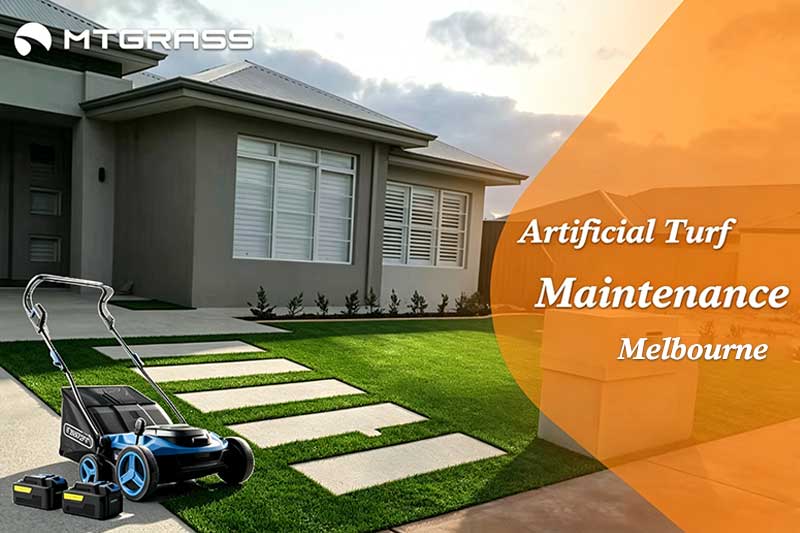
Wenn Sie in Melbourne Kunstrasen verlegt haben, dann wahrscheinlich, weil Sie sich einen Rasen wünschten, der immer grün bleibt, ohne dass er wie Naturrasen ständig gepflegt werden muss. Es gibt jedoch ein weit verbreitetes Missverständnis, dass „pflegeleicht“ gleichbedeutend mit „pflegefrei“ sei – was jedoch nicht der Fall ist.
Sobald Sie den Luxus Ihres neuen Kunstrasens genießen, werden Sie sich natürlich fragen: Wie pflege ich Kunstrasen? Wann sollte die Pflege erfolgen? Welche Kosten fallen dabei an? In diesem Artikel bieten wir Ihnen einen ausführlichen Leitfaden sowie praktische Tipps und Ratschläge, damit Ihr Kunstrasen 10–15 Jahre oder sogar noch länger schön und funktionsfähig bleibt.
Sind Sie auf der Suche nach einem zuverlässigen Anbieter von hochwertigem Kunstrasen? MightyGrass ist einer der ältesten und größten vertikal integrierten Kunstrasenhersteller in Nordchina. Wir haben uns der eigenständigen Forschung und Produktion von Premium-Kunstrasen verschrieben, der speziell für raue Klimabedingungen – wie beispielsweise in Australien – entwickelt wurde und sich durch fortschrittliche UV-beständige Garne, eine hochdurchlässige Unterlage sowie strapazierfähige Faserstrukturen auszeichnet. Ganz gleich, ob Sie Kunstrasen für den privaten, gewerblichen oder Kunstrasen für den Sport, garantieren wir ein Produkt, das so konzipiert ist, dass der langfristige Wartungsaufwand auf ein Minimum reduziert wird.
Woran erkennt man, wann Kunstrasen gepflegt werden muss?
Viele Hausbesitzer warten, bis ihr Rasen offensichtlich schmutzig aussieht, bevor sie Maßnahmen ergreifen. Tatsächlich treten jedoch Leistungsprobleme meist schon vor den sichtbaren Mängeln auf. Ein gut gepflegter Kunstrasen sollte sich weich anfühlen, nach Regen schnell abtrocknen und aufrechte Fasern aufweisen. Wenn Sie eines der folgenden Anzeichen bemerken, ist es an der Zeit, einen Wartungstermin für Ihren Kunstrasen Gebiet.
Es sammelt sich Schutt an
Dies ist wahrscheinlich das häufigste und offensichtlichste Anzeichen. Auf Ihrem Kunstrasen kann sich eine große Menge an Laub ansammeln, insbesondere im Spätherbst. Mit der Zeit können sich zudem Erde, Staub und andere Verunreinigungen auf der Oberfläche ansammeln. Wenn sich diese Materialien zu sammeln beginnen, ist es an der Zeit, Ihren Kunstrasen zu reinigen und zu pflegen.
Ihre Rasenfasern legen sich flach
Wenn ein Kunstrasenbelag, der in einem stark frequentierten Bereich – wie beispielsweise auf einer Terrasse, am Pool oder auf einem Kinderspielplatz – verlegt wurde, nicht ordnungsgemäß gepflegt wird, kann sich das Gras allmählich plattdrücken oder die Oberfläche uneben werden. Dies bedeutet jedoch nicht zwangsläufig, dass der Rasen beschädigt ist. Oft reicht es bereits aus, die Grasfasern mit einer elektrischen Bürste aufzurichten, um den Rasen wieder in einen guten Zustand zu versetzen.
Hochwertigere Produkte wie Mächtiges Gras Bei Rasenbelägen für den Landschaftsbau kommen elastische Garnstrukturen zum Einsatz, die so konzipiert sind, dass sie sich nach einer Kompression besser wieder aufrichten, was dazu beiträgt, eine langfristige Abflachung zu verringern.
Unkraut wächst durch den Rasen hindurch
Kunstrasen an sich begünstigt das Unkrautwachstum nicht; dennoch können einige hartnäckige Unkräuter an Stellen wie Rändern, Nähten oder Entwässerungslöchern wachsen. Wenn Unkraut auftritt, deutet dies darauf hin, dass neben der Unkrautbeseitigung möglicherweise auch das Unkrautvlies oder die Randabdichtung des Kunstrasens überprüft und repariert werden müssen.
Abnutzungserscheinungen durch Ihr Haustier
Wenn Sie Haustiere haben, können tägliches Laufen, Graben und wiederholte Beanspruchung dazu führen, dass die Rasenfasern nach und nach plattgedrückt werden oder sich an stark frequentierten Stellen lokale Abnutzungserscheinungen bilden. Auch Tierkot, Fell und Schmutz können sich im Laufe der Zeit ansammeln und das Aussehen sowie die Hygiene des Rasens beeinträchtigen. Regelmäßige Reinigung und Pflege tragen dazu bei, Ihren Kunstrasen in einem hervorragenden Zustand zu halten.
Mächtiges Gras Haustierrasen Es besteht aus strapazierfähigen, für Haustiere unbedenklichen Grashalmen und einer verstärkten Unterkonstruktion, die so konzipiert ist, dass sie den häufigen Aktivitäten lebhafter Haustiere standhält und gleichzeitig die Reinigung schneller und einfacher macht.
Unangenehme Gerüche oder Schimmelbildung
Anhaltende Gerüche, Schimmel oder Mehltau sind häufige Anzeichen dafür, dass sich Feuchtigkeit, Tierkot oder organische Rückstände im Kunstrasen angesammelt haben. Durch regelmäßige Reinigung und Pflege werden die Ursachen dieser Probleme beseitigt, sodass Ihr Kunstrasen sauber, frisch und hygienisch bleibt.
Nach dem Regen bleibt das Wasser an der Oberfläche stehen
Dies ist das wichtigste – und dennoch leicht zu übersehende – Warnzeichen. Die jährliche Niederschlagsmenge in Melbourne beträgt etwa 650–700 mm, doch die Verteilung ist ungleichmäßig, und es kann zu plötzlichen, heftigen Regengüssen kommen. Wenn sich nach einem Regenschauer länger als 30 Minuten Wasser auf dem Rasen sammelt, deutet dies auf einen Pflegebedarf hin; eine längere Einwirkung von Regenwasser und Feuchtigkeit kann die Latexrückseite beschädigen und zu Fäulnis oder Schimmelbildung führen.
Mögliche Ursachen und Wartung
| Thema | Mögliche Ursache | Wartung erforderlich |
| Geringfügige Zusammenlegung | Abflusslöcher durch Schmutz verstopft | Gründliche Reinigung |
| Wiederholte Zusammenführung | Verdichtete Füllmasse | Hochleistungs-Kehrdienst |
| Große Nassbereiche | Mangelhafte Verlegung der Tragschicht | Fachgerechte Begutachtung |
MightyGrass Premium Rasen mit hoher Drainagefähigkeit ermöglicht einen schnellen Abfluss von Flüssigkeiten – mit einer Kapazität von über 60 Litern pro Quadratmeter pro Minute –, wodurch die Ansammlung von Feuchtigkeit minimiert und die Geruchsbekämpfung erheblich erleichtert wird.
Tipps zur Reinigung und Pflege Ihres Kunstrasens in Melbourne
Bei der Pflege von Kunstrasen kommt es vor allem auf Regelmäßigkeit an. Eine kleine routinemäßige Reinigung beugt später kostspieligen umfassenden Sanierungsmaßnahmen vor.
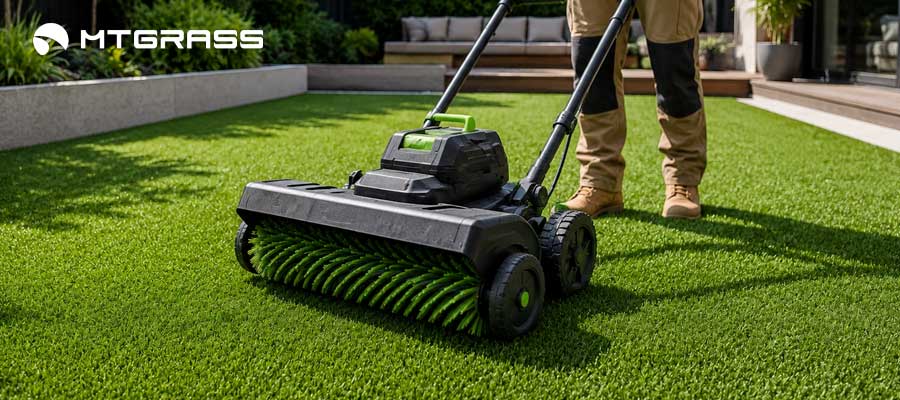
Wöchentlicher oder täglicher Wartungsplan
Wenn der Garten häufig genutzt wird – beispielsweise von Haustieren, herumtollenden Kindern oder bei Familienfeiern im Freien –, sollten Sie vielleicht einen wöchentlichen Pflegeplan aufstellen.
Zudem sammeln sich in Melbourne häufig Laub, Rinde, Pollen und Staub an, insbesondere in der Nähe einheimischer Bäume. Organische Ablagerungen zersetzen sich mit der Zeit und können die Abflusslöcher verstopfen.
Wir empfehlen, zur Reinigung ein Laubgebläse, einen Kunststoffrechen oder einen Besen mit weichen Borsten zu verwenden. Bitte vermeiden Sie die Verwendung von Metallrechen, um Schäden an den Rasenfasern zu verhindern.
Reinigen Sie stark frequentierte Bereiche regelmäßig
Das Bürsten sorgt dafür, dass die Fasern aufrecht stehen bleiben, und verteilt das Füllmaterial gleichmäßig. Bei Rasenflächen im privaten Bereich reicht es in der Regel aus, alle 4–8 Wochen zu bürsten.
In gewerblich genutzten Bereichen oder Sportanlagen kann eine Bürstbehandlung von 1–2 Wochen erforderlich sein. Bürsten Sie entgegen der Faserrichtung, um die Fasern besser wieder aufzurichten.
Spülen Sie den Kunstrasen regelmäßig ab
Nicht jeder Kunstrasen erfordert eine wöchentliche oder monatliche Pflege; Sie können je nach Ihren individuellen Nutzungsgewohnheiten regelmäßige Spülvorgänge einplanen. Dies ist zudem eine der einfachsten Möglichkeiten, Ihren Kunstrasen sauber und ansprechend zu halten.
Entfernen Sie Staub, Pollen, Schmutz und leichte Verschmutzungen mit einem Gartenschlauch, bevor sie zu Flecken werden. Bei verschütteten Speisen oder Getränken tupfen Sie überschüssige Flüssigkeit ab, spülen Sie die Stelle gründlich mit klarem Wasser ab und verwenden Sie gegebenenfalls ein mildes Reinigungsmittel.
Nützliche Tipps: Entfernen Sie vor dem Abspülen alle festen Rückstände, und bürsten Sie die Fasern nach dem Trocknen des Rasens leicht ab, um ihr natürliches Aussehen wiederherzustellen. Vermeiden Sie aggressive Chemikalien oder chlorhaltige Reinigungsmittel, da diese die Rasenfasern beschädigen und Verfärbungen verursachen können.
Tierkot und Urin
Kunstrasen ist ideal für Haustierbesitzer, und die Reinigung nach dem Auslauf der Tiere ist ganz einfach. Feste Ausscheidungen können Sie einfach aufsammeln und entsorgen. Bei Urin spülen Sie die Stelle gründlich ab, um den Urin zu verdünnen und Gerüche zu beseitigen.
Sollte sich im Laufe der Zeit ein Geruch entwickeln, können Sie den Bereich mit einer Mischung aus weißem Essig und Wasser reinigen.
Farbflecken
Wenn Sie eine Terrasse, ein Haus oder einen Gartenzaun streichen oder beizen, kann es vorkommen, dass Sie versehentlich Farbe oder Beize auf Ihren Rasen verschütten. Diese Flecken gehören zu den am schwersten zu entfernenden Flecken auf Kunstrasen. Bevor die Substanz eintrocknet, tupfen Sie die Flüssigkeit mit einem Handtuch oder Küchenpapier ab; reiben Sie nicht, da sich der Fleck dadurch ausbreitet. Zur Fleckenentfernung können Sie auch einen Schaum-Teppichreiniger verwenden. Ist der Fleck jedoch besonders hartnäckig, müssen Sie möglicherweise einen Fachmann hinzuziehen.
Seien Sie in der Nähe von Wärmequellen vorsichtig
Halten Sie Grills, Feuerstellen, Terrassenheizungen und andere Wärmequellen nach Möglichkeit von Ihrem Kunstrasen fern. Übermäßige Hitze oder herabfallende Glut können die Rasenfasern schmelzen oder dauerhaft beschädigen. Verwenden Sie stets eine hitzebeständige Unterlage oder stellen Sie diese Gegenstände auf eine feste Unterlage, um Ihren Rasen zu schützen. Obwohl Kunstrasen wie MightyGrass flammhemmende Eigenschaften aufweist, können diese Wärmequellen dennoch das Erscheinungsbild beeinträchtigen.
Den Rasen auf Beschädigungen überprüfen
Überprüfen Sie Ihren Kunstrasen regelmäßig auf Risse, lose Nähte oder abgenutzte Stellen, insbesondere in stark frequentierten Bereichen. Die frühzeitige Behebung kleinerer Mängel beugt größeren Schäden vor und verlängert die Lebensdauer Ihres Rasens.
Wie viel kostet die Pflege von Kunstrasen?
Die Kosten für die Pflege von Kunstrasen in Melbourne hängen von verschiedenen Faktoren ab, wie beispielsweise der Größe der Rasenfläche, ihrem aktuellen Zustand und dem erforderlichen Pflegeaufwand.
Die Kosten für routinemäßige Wartungsarbeiten, die man selbst durchführen kann, sind sehr gering und liegen in der Regel zwischen $0 und $100 AUD. Die Kosten für die professionelle Pflege variieren je nach Art der Dienstleistung: So liegen die Kosten für eine Grundreinigung und das Bürsten zwischen $100 und $200 AUD, während die Behebung von Verschleißschäden oder die Nachbehandlung von Nähten $300 AUD oder mehr kosten kann.
Zum Vergleich: Die Pflege eines Naturrasens in Melbourne kann jährlich 1.500 bis 3.000 AUD kosten, wenn man Mähen, Bewässerung, Düngung und saisonale Reparaturen mit einberechnet.
Die Pflege von Kunstrasen ist auf lange Sicht in der Regel deutlich kostengünstiger. Dieser Kostenvorteil wird noch größer, wenn hochwertige Rasensysteme mit längerer Lebensdauer zum Einsatz kommen.
Wie wählt man ein professionelles Team für die Kunstrasenpflege aus?
Die Wahl des richtigen Anbieters für die Kunstrasenpflege ist genauso wichtig wie die Auswahl eines hochwertigen Kunstrasens. Ein professioneller Service trägt dazu bei, die Lebensdauer Ihres Rasens zu verlängern und sorgt gleichzeitig dafür, dass er sauber und sicher bleibt und optimal aussieht. Hier sind einige Kriterien, auf die Sie achten sollten, wenn Sie Pflegeunternehmen in Melbourne vergleichen.
Erfahrungen mit Kunstrasen
Entscheiden Sie sich für ein Unternehmen, das sich auf Kunstrasen spezialisiert hat, und nicht für einen allgemeinen Landschaftsbau. Erfahrene Fachleute wissen, wie man Kunstrasen reinigt, bürstet, repariert und pflegt, ohne die Fasern oder das Füllmaterial zu beschädigen, und gewährleisten so eine lang anhaltende Leistungsfähigkeit.
Umfassende Wartungsdienstleistungen
Ein zuverlässiger Anbieter sollte mehr als nur eine einfache Reinigung anbieten. Achten Sie auf Dienstleistungen, die die Beseitigung von Abfällen, das Bürsten mit Hochdruck, das Verteilen des Füllmaterials, die Fleckenreinigung, die Geruchsbeseitigung, die Überprüfung der Entwässerung, die Unkrautbeseitigung und kleinere Reparaturen umfassen, damit Ihr Rasen das ganze Jahr über in Topform bleibt.
Transparente Preisgestaltung und zuverlässiger Service
Professionelle Unternehmen unterbreiten klare Angebote ohne versteckte Gebühren, informieren im Vorfeld über ihren Wartungsablauf und bieten einen zuverlässigen Kundenservice. Das Lesen von Kundenbewertungen und die Überprüfung früherer Wartungsprojekte können Ihnen ebenfalls dabei helfen, die Qualität ihrer Arbeit einzuschätzen.
Wissenswertes über das Klima in Melbourne
Die wechselhaften Wetterbedingungen in Melbourne erfordern einen auf die örtlichen Gegebenheiten zugeschnittenen Pflegeansatz. Ein mit der Region vertrautes Unternehmen kann geeignete Pflegepläne und Maßnahmen empfehlen, die auf den saisonalen Laubfall, Niederschläge, die Nutzung durch Haustiere und die UV-Belastung abgestimmt sind.
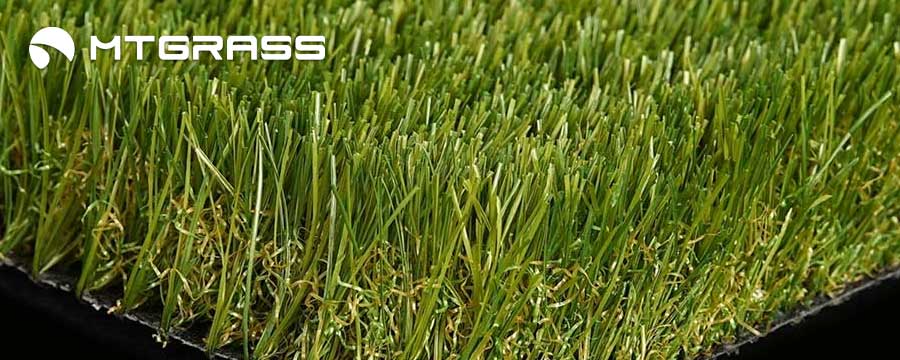
Suchen Sie nach pflegeleichtem Kunstrasen in Melbourne?
Nicht jeder Kunstrasen bietet die gleiche Leistung – insbesondere im unberechenbaren Klima von Melbourne. Wenn Sie sich für minderwertigen Kunstrasen entscheiden, wird die Pflege schnell zur Qual. Die Fasern legen sich schneller flach, die Entwässerung verlangsamt sich nach starkem Regen, und UV-Strahlung kann bereits nach wenigen Jahren zu Verblassen oder Sprödigkeit führen. Was zunächst wie eine kostengünstige Anschaffung erscheint, kann zu wiederkehrenden Wartungskosten und einem vorzeitigen Austausch führen.
Bei MightyGrass erhalten Sie mehr als nur Kunstrasen – Sie erhalten eine langfristig leistungsstarke Lösung, die speziell für anspruchsvolle Umgebungen wie Australien entwickelt wurde. Unsere Rasensysteme bestehen aus hochbelastbarem Garn, verfügen über eine fortschrittliche UV-Stabilisierung und eine hochdurchlässige Rückseite, wodurch der Pflegeaufwand reduziert und die Lebensdauer des Produkts verlängert wird.
Mit über 20 Jahren Erfahrung in der Herstellung, einer von der FIFA zugelassenen Produktion und einer engagierten Exportbetreuung unterstützen wir Händler, Bauunternehmer und Marken dabei, Kunstrasen zuverlässig zu beschaffen. Ganz gleich, ob Sie Landschaftsrasen Ob für Wohnprojekte, haustierfreundliche Rasenflächen oder gewerbliche Anlagen – MightyGrass bietet maßgeschneiderte Lösungen, die genau auf Ihre Marktanforderungen zugeschnitten sind.
Wenn Sie in Melbourne auf der Suche nach Kunstrasen sind, der länger grün bleibt, eine längere Lebensdauer hat und weniger Pflege erfordert, wenden Sie sich noch heute an MightyGrass, um Muster, Preisangaben oder fachkundige Empfehlungen zu erhalten.
Abschluss
Kunstrasen in Melbourne wurde entwickelt, um Ihnen Zeit zu sparen, den Wasserverbrauch zu senken und Außenbereiche das ganze Jahr über attraktiv zu halten. Doch auch der beste Kunstrasen profitiert von regelmäßiger Pflege. Indem Sie Schmutz entfernen, die Fasern bürsten, Verunreinigungen abspülen und bei Bedarf eine professionelle Pflege in Auftrag geben, können Sie die Lebensdauer des Rasens erheblich verlängern und seine Leistungsfähigkeit erhalten.
Wenn Sie noch auf der Suche nach einem Kunstrasenanbieter sind, sollte die Pflege ein wichtiger Faktor bei Ihrer Kaufentscheidung sein – und nicht erst im Nachhinein berücksichtigt werden.
Häufig gestellte Fragen
Wie lange dauert die Pflege von Kunstrasen?
Der Zeitaufwand für die Pflege von Kunstrasen hängt von der Größe der Rasenfläche, dem erforderlichen Pflegeaufwand und den im Paket enthaltenen Leistungen ab.
Bei kleineren Rasenflächen in Privathaushalten oder einfachen Pflegearbeiten – wie dem Entfernen von Unrat, dem Abbürsten und der punktuellen Reinigung – lassen sich die Arbeiten in der Regel innerhalb von 1 bis 2 Stunden erledigen.
Bei größeren oder komplexeren Rasenflächen oder wenn bestimmte Probleme behoben werden müssen, kann die Pflege mehrere Stunden oder sogar noch länger dauern.
Hält Kunstrasen dem Regen in Melbourne stand?
Ja, sofern er mit einer geeigneten Entwässerung verlegt wurde. Hochwertiger Kunstrasen mit wasserdurchlässiger Unterlage bewährt sich besonders bei starken Regenfällen.


