
 Italiano
  English
  العربية
  Español
  Deutsch
  Français
  Português
  Русский
  日本語
日本語  Nederlands
  Svenska
  Suomi
Suomi  ไทย
ไทย  Dansk
Dansk  Ελληνικά
  Bahasa Melayu
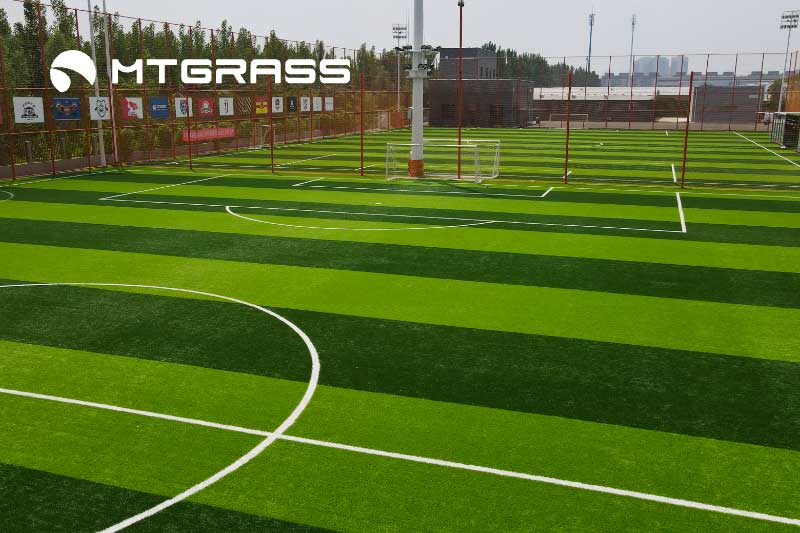
Secondo i dati più recenti della FIFA per il 2024, ci sono ora più di 13.000 campi da calcio certificati dalla FIFA in tutto il mondo. La quota maggiore è in Europa (circa 40%), seguito da Asia (circa 30%), E Medio Oriente e Africa (circa 15%). Il Medio Oriente e l'Africa mostrano una chiara tendenza al rialzo, in quanto sempre più appaltatori di campi da calcio stanno facendo Manto erboso certificato FIFA un punto di riferimento per l'accettazione del progetto.
Il globale erba artificiale per il calcio Si prevede che il mercato crescerà a circa 8,0% CAGR dal 2024 al 2031. I produttori di manti erbosi da calcio sono concentrati principalmente in Europa, Nord America e CinaLa Cina è già diventata il più grande hub mondiale di produttori di erba da calcio. Oggi, più di 70% di erba artificiale da calcio in tutto il mondo proviene da fabbriche in Cina o da stabilimenti all'estero a partecipazione cinese. Per gli appaltatori di campi da calcio, la domanda più importante nella scelta del manto erboso è: Come si identifica la qualità del manto erboso da calcio?
Da un punto di vista globale, gli standard più comuni per i manti erbosi da calcio si dividono in due categorie: Standard di certificazione FIFA (stabilito dalla FIFA per gli stadi professionali e di livello internazionale), e standard regionali/industriali come il Standard UE EN, standard italiano e standard cinese GB/T. Per valutare la qualità del tappeto erboso, esistono cinque fattori chiave da guardare: materie prime in fibra, processo di estrusione (trafilatura), prestazioni della fibra, sistema di supporto e certificazioni internazionali.. L'insieme di questi fattori offre ai costruttori di campi da calcio un metodo sistematico per determinare la reale qualità del manto erboso.
Quali tipi di erba da calcio?
A livello globale, Tipi di erba da calcio standard possono essere ampiamente suddivisi in diverse categorie. I diversi standard sono progettati per diversi tipi di utenti e applicazioni sul campo:
| Tipo standard | Scenari adatti | Caratteristiche principali | Paesi/regioni tipici |
| Tappeto erboso certificato FIFA | Club professionistici, tornei internazionali | Supera più di 20 test di prestazione, tra cui il rimbalzo della palla, il rotolamento, l'assorbimento degli urti e la durata. | Europa, Medio Oriente, grandi progetti di stadi in Cina |
| Campo da calcio 3G | Campi da gioco scolastici, campi di allenamento | Tappeto erboso a base di infill utilizzando sabbia + granuli di gomma | Regno Unito, Europa, Australia |
| Tappeto erboso 4G | Calcio a 5 indoor, campi comunitari | Sistema di tappeto erboso non riempito, manutenzione ridotta | Cina, Giappone, Medio Oriente |
| Tappeto erboso da calcio 5G (di nuova generazione) | Campi innovativi | Focus su100% tappeto erboso riciclabile | Cina, in fase di sviluppo in Europa |
| Tappeto erboso da calcio con supporto in PU | Partite professionali e campi di allenamento di alto livello | Maggiore stabilità e durata di vita | Prodotto ed esportato principalmente dalla Cina |
Da una prospettiva globale, lo sviluppo degli standard dei manti erbosi per il calcio ha subito una chiara evoluzione: da Tappeto erboso di riempimento 3G, a Tappeto erboso 4Ge ora l'ultimo Sistemi erbosi 5G che enfatizzano la sostenibilità e la riciclabilità.
Standard diversi si adattano a luoghi ed esigenze diverse: ad esempio, le scuole e i campi comunitari spesso preferiscono la soluzione più economica. Tappeto erboso da calcio 3Gmentre i club professionistici e i tornei internazionali si concentrano maggiormente sulla sicurezza, sulle prestazioni e sulla conformità dei Tappeto erboso certificato FIFA.
Per costruttori e appaltatori di impianti sportiviLa comprensione di questi standard rende più facile fare la scelta giusta sulla base di utilizzo del campo, budget e gruppi di utenti. Fornisce inoltre un quadro di riferimento chiaro per la verifica della qualità del manto erboso da calcio nelle fasi successive di valutazione del progetto.
Quali fattori influenzano la qualità del manto erboso da calcio?
Nella produzione e nell'utilizzo effettivo, la qualità dell'erba da calcio è determinata principalmente da cinque fattori fondamentali. Analizziamoli uno per uno.
1. Materie prime della fibra per tappeti erbosi
La durata del manto erboso da calcio dipende in larga misura dalle materie prime utilizzate per le fibre. La qualità delle fibre del manto erboso determina direttamente la durata del campo. Le materie prime più comuni sono PE (polietilene), PP (polipropilene) e PA (nylon):
- Fibre di PE: Morbido e naturale al tatto, assomiglia molto all'erba vera. Il PE è ampiamente utilizzato per i campi da calcio.
- Fibre di PP: Più duro e rigido, spesso usato in strati di riempimento o in tappeti erbosi, ma non adatto ai campi da calcio professionali.
- Fibre di nylon: Eccellente resistenza all'usura, ma più costoso, in genere si trova in alcune alto livello manto erboso per sport indoor applicazioni.
Secondo i dati del settore, oltre 80% di tappeto erboso da calcio certificato FIFA utilizza fibre monofilamento in PE. Il PE offre eccellenti proprietà anti-invecchiamento e di resistenza ai raggi UV, garantendo la durata del manto erboso. 8-10 anni all'aperto senza sbiadire o screpolarsi in modo significativo. Al contrario, i tappeti erbosi realizzati con materiali di scarsa qualità o riciclati possono mostrare sbiadimento e screpolature solo in 2-3 anni.
Pertanto, il La materia prima della fibra del manto erboso è il fattore numero uno nel determinare la qualità del manto calcistico.. Quando si riforniscono di manti erbosi, gli acquirenti devono prestare particolare attenzione alla origine delle fibre utilizzate dal produttore di erba da calcio e richiedere rapporti di prova pertinenti. Questo è l'unico modo per evitare un tappeto erboso di bassa qualità con una durata di vita breve e rischi elevati a lungo termine.
2. Processo di estrusione
Il processo di produzione delle fibre per tappeti erbosi influisce direttamente sulla qualità del prodotto. durata e stabilità del manto erboso da calcio. Alta qualità manto erboso per il calcio ha sempre ottenuto risultati migliori nel Test di usura Lisportcon un tasso di superamento significativamente più alto rispetto a fibre fibrillate. I dati mostrano che Il tappeto erboso monofilamento supera i test di certificazione della qualità FIFA circa 25% più spesso rispetto al tappeto erboso fibrillato, il che dimostra che l'avanzamento del processo di estrusione determina direttamente la capacità del tappeto erboso di mantenere le prestazioni nel tempo.
I principali tipi di processi di estrusione comprendono:
- Monofilamento: La forma ricorda i fili d'erba naturali e offre una forte resistenza all'usura e un'eccellente resilienza.
- Fibrillato: Il costo è inferiore, ma è più probabile che si spacchino e si deformino in caso di uso frequente.
- Tappeto erboso ibrido: Una combinazione di fibre monofilamento e fibrillatebilanciando la resilienza con la stabilità del tamponamento.
I dati del settore mostrano che Il manto erboso da calcio monofilamento ha un tasso di superamento dei test FIFA superiore di 25% rispetto al manto erboso fibrillato.. Avanzato tappeto erboso monofilamento o ibrido I processi di estrusione migliorano in modo significativo la resistenza all'usura, la giocabilità e la durata di vita di manto erboso per il calcio. Al contrario, i prodotti a basso costo processo fibrillatoSebbene all'inizio sia più economico, spesso si traduce in costi di manutenzione e sostituzione molto più elevati nei campi da calcio molto utilizzati.
3. Prestazioni delle fibre per tappeti erbosi
Le prestazioni delle fibre per tappeti erbosi determinano direttamente la durata, sicurezza ed esperienza di gioco del manto erboso da calcio. Fibre resistenti all'usura, ai raggi UV, altamente resilienti e con una forte resistenza alla trazione sono gli indicatori principali di un'alta qualità. manto erboso per il calcio. Le metriche di prestazione più comuni includono:
- Resistenza all'usura (test Lisport): Simula più di 20.000 cicli di attrito per garantire una durata di oltre 8 anni.
Poiché i campi da calcio sono soggetti a un costante traffico di pedoni e all'attrito, la resistenza all'usura della fibra determina direttamente se manto erboso per il calcio possono mantenere una stabilità a lungo termine. Le fibre che superano il Test Lisport (oltre 20.000 cicli simulati) garantiscono in genere una durata di vita di 8-10 annimentre le fibre di scarsa qualità possono rompersi o usurarsi in soli 2-3 anni. - Resistenza ai raggi UV: All'aperto campi da calcio in erba artificiale deve resistere ad almeno 3.000 ore di esposizione diretta ai raggi UV senza sbiadire.
Poiché la maggior parte dei campi da calcio è all'aperto, la capacità della fibra di resistere alla forte luce solare determina la conservazione del colore e la resistenza all'invecchiamento del manto erboso. Le fibre di alta qualità possono subire Oltre 3.000 ore di test UV senza sbiadire o polverizzarsi, garantendo prestazioni e aspetto di lunga durata. Al contrario, le fibre scadenti sbiadiscono rapidamente, danneggiando sia l'estetica che la giocabilità. - Resilienza: Assicura che il rimbalzo e il rotolamento della palla siano conformi Standard FIFA.
Più la resilienza si avvicina all'erba naturale, più il rimbalzo e il rotolamento della palla sono realistici. I giocatori possono vivere un'esperienza di gioco autentica in termini di corsa, dribbling e controllo della palla. Se le fibre mancano di resilienza, la palla può rotolare in modo irregolare, aumentando il rischio di infortuni sportivi. - Indicatori di densità e Dtex: Riflettono la qualità complessiva della fibra.
Il peso delle fibre per metro quadrato e il Valutazione Dtex sono punti di riferimento fondamentali per la valutazione delle prestazioni. Alta qualità manto erboso per il calcio in genere varia da 10.000-12.000 DtexCiò significa che le fibre sono spesse, resistenti e in grado di rimanere in piedi per molti anni. Al contrario, i tappeti erbosi di scarsa qualità spesso non raggiungono il livello di 8.000 DtexLe fibre hanno una maggiore probabilità di collassare, invecchiare rapidamente e compromettere la durata e le prestazioni del campo.
Ad esempio, il tappeto erboso premium contiene solitamente 10.000-12.000 fibre di tappeto erboso Dtex per metro quadromentre i tappeti erbosi di bassa qualità possono essere inferiori a 8.000 Dtex, causando una degradazione più rapida e una minore stabilità.
4. Sistema di backup
Il ruolo principale del supporto è quello di fissare saldamente le fibre al tessuto di base. Di alta qualità Tappeto erboso da calcio con supporto in PU possono mantenere stabili le fibre in caso di forte attrito e di utilizzo prolungato, riducendo le probabilità di allentamento. Il supporto è la chiave per fissare le fibre e attualmente ne esistono due tipi principali:
- Supporto SBR (supporto in lattice): Basso costo, ma soggetto a problemi come la delaminazione e la penetrazione dell'acqua.
Se il sottofondo si fessura o assorbe acqua, il manto erboso può formare bolle o allentarsi, causando l'irregolarità del campo. Questo aumenta il rischio di infortuni sportivi. Inoltre, sono necessarie frequenti riparazioni o sostituzioni, il che aumenta notevolmente i costi di manutenzione a lungo termine. - Supporto in PU (supporto in poliuretano): Offre una maggiore durata, una minore probabilità di crepe e un'eccellente resistenza agli agenti atmosferici, prolungando la durata del manto erboso di circa 30%.
Confronto dei dati:
- Tappeto erboso con Supporto in PU in genere dura 10-12 anni.
- Tappeto erboso con Supporto in lattice SBR di solito inizia ad invecchiare dopo 6-8 anni.
La tecnologia di supporto è la "chiave invisibile" per un'azione globale. qualità del manto erboso per il calcio. Di fascia alta Tappeto erboso da calcio con supporto in PU garantisce una forte adesione delle fibre, una superficie di gioco piana e stabile e una durata di vita molto più lunga. D'altra parte, i prodotti di fascia bassa Supporto in lattice SBRSebbene sia più economico all'inizio, tende a invecchiare e a delaminare più rapidamente, comportando in ultima analisi costi più elevati a lungo termine e maggiori rischi per la sicurezza.
5. Certificazioni internazionali
Alta qualità manto erboso per il calcio devono essere conformi a standard e certificazioni ambientali riconosciuti, quali:
- Programma di qualità FIFA
IL Programma di qualità FIFA non solo verifica le prestazioni di gioco del manto erboso (rimbalzo della palla, rotolamento e coefficiente di attrito), ma ne valuta anche la durata e la sicurezza ambientale. Manto erboso certificato FIFA che superano questi severi test è dimostrato che ha standard elevati di resistenza all'usura, all'invecchiamento e di ecocompatibilità, garantendo che non si deteriorerà rapidamente né rilascerà sostanze nocive durante l'uso a lungo termine. - Certificazione REACH UE
In mercati come l'Europa, il Medio Oriente e il Nord America, le scuole, le associazioni e i progetti governativi richiedono tipicamente RAGGIUNGERE E RoHS rapporti di certificazione. Senza queste certificazioni ambientali, anche i manti erbosi più economici non possono entrare nei mercati di fascia alta o dei progetti pubblici. - Certificazione della fabbrica ISO9001/ISO14001
Una fabbrica che detiene ISO9001/ISO14001 certifications dimostra che i suoi processi produttivi soddisfano rigorosi standard di qualità e di gestione ambientale. Questo garantisce la coerenza del prodotto in ogni lotto di tappeto erboso e riduce i rischi causati dalle fluttuazioni di produzione. - Standard di sicurezza RoHS e CPSIA
Da quando manto erboso per il calcio fibre o materiali di riempimento contenenti metalli pesanti, ftalati o formaldeide potrebbero comportare seri rischi per la salute. Conformità con RoHS E CPSIA significa che il manto erboso soddisfa i requisiti di sicurezza per le sostanze pericolose, garantendo un'esperienza di gioco sicura.
Le certificazioni non solo garantiscono la sicurezza, ma sono anche un indicatore chiave della qualità complessiva del prodotto. qualità del manto erboso per il calcio. Un tappeto erboso supportato da FIFA, REACH, ISOe altre certificazioni riflette l'eccellenza in sicurezza, ecocompatibilità, durata e accettazione da parte del mercato globale.. Queste certificazioni sono al tempo stesso un marchio di tappeto erboso da calcio ecologico e un requisito di base per i progetti internazionali.
I rischi di un manto erboso da calcio di bassa qualità
Per le squadre di calcio:
Bassa qualità manto erboso per il calcio non solo influisce sull'esperienza di gioco, ma crea anche seri rischi finanziari e di sicurezza:
- Rischio più elevato di infortuni per i giocatori: Un attrito eccessivo o uno scarso assorbimento degli urti possono causare distorsioni alla caviglia, lesioni al ginocchio o danni ai legamenti.
- Riduzione della durata di vita del campo: Nel giro di 2-3 anni, le fibre possono staccarsi, sbiadire o il supporto può creparsi.
- Aumento dei costi di manutenzione: Riparazioni frequenti, rabbocchi o addirittura la sostituzione del manto erboso fanno lievitare i costi a lungo termine.
- Rischi ambientali: I materiali di riempimento scadenti possono contenere metalli pesanti, con conseguenti rischi per la salute e inquinamento ambientale.
Per i costruttori sportivi e gli appaltatori:
La capacità di un progetto di superare l'accettazione finale del proprietario è il fattore principale che determina la redditività. Scegliere una qualità bassa manto erboso per il calcio ha un impatto diretto sul superamento dell'ispezione del campo.
Tasso di accettazione del progetto
- Piccola fabbrica, tappeto erboso di bassa qualità: Le prestazioni sono instabili. L'attrito, l'assorbimento degli urti e la resilienza spesso non soddisfano gli standard, con conseguente fallimento delle ispezioni.
- Grande fabbrica, tappeto erboso di alta qualità: Incontri Manto erboso certificato FIFA o standard locali, garantendo un'alta percentuale di superamento e riducendo i rischi di rilavorazione.
Sicurezza dei pagamenti e dei flussi di cassa
- Piccola fabbrica, tappeto erboso di bassa qualità: In caso di mancata accettazione, i clienti possono trattenere i pagamenti finali, causando interruzioni del flusso di cassa. Gli appaltatori possono anche essere costretti a coprire da soli le costose rettifiche.
- Grande fabbrica, tappeto erboso di alta qualità: Con l'approvazione del progetto una tantum, i clienti pagano in base al contratto, mantenendo il flusso di cassa costante.
Tempistica e controllo dei costi
- Piccola fabbrica, tappeto erboso di bassa qualità: Le modifiche e le correzioni causano ritardi nel progetto e costi imprevisti per materiali e manodopera.
- Grande fabbrica, tappeto erboso di alta qualità: Prodotti stabili significano tempistiche prevedibili e riduzione del rischio di sforamento dei costi.
Reputazione e progetti futuri
- Piccola fabbrica, tappeto erboso di bassa qualità: Porta a reclami da parte dei clienti e a una scarsa reputazione sul mercato, riducendo le possibilità di aggiudicarsi future gare d'appalto.
- Grande fabbrica, tappeto erboso di alta qualità: I casi di successo fungono da solide referenze, aumentando la competitività nelle gare d'appalto future.
Rischi legali e di conformità
- Piccola fabbrica, tappeto erboso di bassa qualità: Il mancato rispetto delle certificazioni ambientali o di qualità può comportare azioni legali o sanzioni normative.
- Grande fabbrica, tappeto erboso di alta qualità: Pienamente conforme a REACH, RoHS, Programma di qualità FIFA standard, evitando rischi di non conformità.
Sia per le squadre di calcio che per gli appaltatori, i rischi legati alla scelta di un manto erboso di scarsa qualità vanno ben oltre i semplici problemi superficiali. Un manto erboso di qualità inferiore compromette qualità del manto erboso per il calcio, mette a rischio la sicurezza dei giocatori, ritarda l'approvazione del progetto, compromette il flusso di cassa e danneggia la reputazione a lungo termine. Collaborare con un partner affidabile Fornitore di manti erbosi certificato dalla FIFA garantisce la sicurezza, la conformità alle norme e il successo a lungo termine del progetto.
Tappeto erboso da calcio di bassa qualità contro quello di alta qualità
| Dimensione | Piccola fabbrica, erba sintetica da calcio di bassa qualità | Grande stabilimento, erba sintetica per campi da calcio di alta qualità (ad es., fornitore di erba sintetica FIFA) |
| Accettazione del progetto | Gli indicatori di prestazione spesso non soddisfano gli standard; elevata probabilità di esito negativo dell'ispezione | Incontri Manto erboso certificato FIFA o secondo le norme locali, supera l'ispezione al primo tentativo |
| Pagamenti e flusso di cassa | Accettazione non superata → i committenti trattengono il pagamento finale, gli appaltatori devono farsi carico dei costi di correzione | Accettazione senza intoppi → i clienti pagano puntualmente come da contratto, flusso di cassa stabile |
| Tempistiche e costi | I ritardi dovuti alle rilavorazioni e gli interventi di manutenzione aggiuntivi aumentano i costi complessivi del progetto | Tempistiche prevedibili, minor rischio di rielaborazioni, costi più trasparenti |
| Reputazione e credibilità sul mercato | Reclami frequenti, scarsa reputazione sul mercato, minori possibilità di aggiudicarsi appalti futuri | Casi di progetti di comprovato successo, che rafforzano la competitività nelle gare d'appalto |
| Rischi ambientali e di conformità | Utilizzo di materiali riciclati o metalli pesanti, rischio di sanzioni normative | Conforme a Fifa, RAGGIUNGERE, E RoHS certificazioni, garantendo un ingresso agevole sul mercato |
Scegliere prodotti provenienti da piccole fabbriche e di bassa qualità manto erboso per il calcio A prima vista può sembrare più economico, ma comporta rischi in termini di accettazione, pagamenti, tempistiche e reputazione. Collaborando con un partner di fiducia Fornitore di manti erbosi FIFA, gli appaltatori garantiscono il rispetto delle norme, il corretto svolgimento dei progetti e una credibilità a lungo termine nel mercato delle costruzioni sportive.
Come scegliere un fornitore di erba da calcio affidabile?
Quando si sceglie un fornitore di manti erbosi per il calcio, gli appaltatori e gli acquirenti dovrebbero valutare i seguenti aspetti fondamentali:
- Il fornitore è in possesso della certificazione FIFA?
- Possiedono impianti per l'estrusione di fibra di tappeto erboso e tali impianti sono importati?
- Hanno esperienza con eventi internazionali o con progetti su larga scala relativi alla posa di manti erbosi negli stadi?
- Sono in grado di fornire rapporti di collaudo completi e certificazioni ambientali?
- Dispongono di capacità di approvvigionamento a livello globale (ad esempio magazzini all’estero o distributori locali)?
Ad esempio, MightyGrass in Cina è un tipico esempio di un affidabile produttore di manti erbosi per il calcio:
- Oltre 20 anni di esperienza nella produzione
- A Stabilimento di produzione di erba sintetica certificato FIFA
- Apparecchiature proprietarie per la ricerca e lo sviluppo delle fibre e una tecnologia di estrusione all’avanguardia, che garantiscono al loro manto erboso una durata superiore di 2–3 anni rispetto a quella di molti concorrenti
- Doppie basi di produzione in Cina e Arabia Saudita, oltre a un magazzino locale negli Stati Uniti
- Esportazione verso 166+ paesi, con una comprovata esperienza che comprende, tra l’altro, il Giochi Olimpici del 2008, scuole, squadre di calcio e persino Campi di allenamento per i Mondiali
Un'azienda affidabile fornitore di manti erbosi per il calcio dovrebbe disporre sia di certificazioni che di esperienza, supportate da solide competenze nel campo della ricerca e sviluppo, da casi di studio attendibili e da una capacità di fornitura a livello globale. Collaborare con un partner come Erba potente garantisce la coerenza qualità del manto erboso per il calcio, il rispetto degli standard internazionali e la fiducia nel successo a lungo termine del progetto.
Considerazione degli appaltatori di impianti sportivi
Quando si posiziona Campo da calcio in erba sintetica personalizzato un ordine con un fabbrica di erba sintetica per campi da calcio, gli appaltatori dovrebbero prestare particolare attenzione ai seguenti aspetti:
- Quantità minima d'ordine (MOQ): In genere circa 1.100 m², anche se alcuni stabilimenti possono offrire soluzioni personalizzate.
- Scelta dell'altezza e della densità della pila: Per le partite professionistiche, si consiglia di scegliere un manto erboso con un'altezza ≥50 mm; per i campi di allenamento e quelli scolastici, spesso sono sufficienti 40 mm.
- Personalizzazione di colori e linee: I loghi e le linee di demarcazione possono essere personalizzati in base alle esigenze delle società sportive o delle scuole.
- Test su campioni: Prima di avviare la produzione in serie, verificare sempre che le prestazioni del campione soddisfino gli standard richiesti.
- Assistenza post-vendita e garanzia: Le fabbriche di alta qualità offrono solitamente una garanzia di 5–8 anni.
Per valutare qualità del manto erboso per il calcio, è fondamentale tenere conto di cinque aspetti chiave: materie prime per le fibre, processo di estrusione (trafilatura), prestazioni delle fibre, tecnologia dei supporti e certificazioni ambientali. Scegliere un servizio affidabile Fornitore di tappeti erbosi FIFA, l'esperienza in progetti internazionali e le capacità di approvvigionamento a livello globale garantiscono che i campi da calcio rimangano sicuri e resistenti per un utilizzo a lungo termine.
Per chi costruisce impianti sportivi, collaborare con un professionista fornitore di manti erbosi per il calcio o Produttore di manti erbosi certificato dalla FIFA significa garantire la massima tranquillità in termini di qualità, prestazioni e conformità. Concentrandosi su queste cinque dimensioni, gli appaltatori possono evitare rischi nascosti e garantire che ogni progetto sia realizzato secondo i più elevati standard internazionali.
FAQ: Domande che gli appaltatori di campi da calcio dovrebbero porre ai produttori di manti erbosi
Il produttore dispone di una certificazione FIFA?
Verifica sempre se il tuo potenziale partner è un Fornitore di manti erbosi FIFA con un Certificato del Programma di Qualità FIFA. I test della FIFA riguardano il rotolamento del pallone, l'assorbimento degli urti, la resistenza ai raggi UV e la durata. Un produttore che ha ottenuto l'approvazione della FIFA garantisce che i propri qualità del manto erboso per il calcio è conforme agli standard internazionali, il che è fondamentale per i progetti relativi a stadi e club.
La fabbrica produce le proprie fibre per il tappeto erboso?
Un forte produttore cinese di manti in erba sintetica per il calcio di solito dispone di proprie linee di estrusione della fibra. Chiedete se producono monofilamenti o fibre fibrillate e richiedere dati sulle prestazioni quali il Dtex, i risultati dei test di usura Lisport e la resistenza ai raggi UV. Un produttore che dispone di una produzione interna di fibre garantisce una maggiore stabilità, una durata più lunga e un controllo completo della qualità rispetto ai rivenditori o alle piccole aziende artigiane.
Che tipo di tecnologia di supporto viene utilizzata?
Il sistema di supporto è fondamentale per la durata del manto erboso. Molti piccoli fornitori offrono solo Supporto in lattice SBR, che può rompersi o delaminarsi dopo 6–8 anni. Gli stabilimenti all’avanguardia offrono Tappeto erboso da calcio con supporto in PU, che dura 10–12 anni, resiste all’idrolisi ed è più ecologico. Quando si sceglie un fornitore di manti erbosi per il calcio, informatevi sempre sui tipi di supporto e sui periodi di garanzia.
Che esperienza di progetto ha il fornitore?
Un affidabile fabbrica di erba sintetica per campi da calcio dovrebbe fornire un elenco dei progetti portati a termine, tra cui stadi internazionali, campi da calcio certificati dalla FIFA, scuole e campi comunitari. Se il fornitore ha realizzato progetti in Europa, Africa, Medio Oriente o nelle Americhe, ciò dimostra che conosce i diversi climi e le diverse norme edilizie. Le referenze comprovate sono un chiaro segno di competenza fornitore di manti erbosi per impianti sportivi.
Il produttore è in grado di fornire supporto alla personalizzazione e alla progettazione?
Le aziende leader non si limitano a vendere erba sintetica, ma offrono anche progettazione dei campi, personalizzazione del logo, tracciatura delle linee e opzioni di manto erboso multicolore. Alcuni offrono addirittura guide all’installazione o inviano tecnici per assistere gli appaltatori locali. Un servizio completo fornitore di manti erbosi per il calcio consente agli appaltatori di risparmiare tempo, riduce gli errori e garantisce che il cantiere rispetti sia il budget che le aspettative in termini di prestazioni.
Quali sono i servizi post-vendita e la garanzia che offrono?
Alta qualità Fornitori di manti erbosi della FIFA di solito offrono una garanzia di 5–8 anni. Chiedete se dispongono di magazzini all’estero o distributori locali per garantire tempi di consegna e assistenza più rapidi. Verificate inoltre se offrono sostituzioni o riparazioni gratuite in caso di problemi quali la rottura delle fibre o la formazione di crepe sul supporto. Un'assistenza post-vendita efficiente è ciò che distingue un vero produttore dalle semplici società commerciali a basso costo.
Quanto è trasparente il prezzo?
Un'azienda affidabile produttore cinese di manti in erba sintetica per il calcio fornirà una chiara ripartizione dei costo al metro quadrato del manto erboso per il calcio, compresi il manto erboso, i materiali di riempimento, la spedizione e i servizi di posa. Evitate preventivi vaghi. Una politica dei prezzi trasparente consente agli appaltatori di confrontare le opzioni e pianificare i budget in modo più efficace.
Quanto costa costruire un campo da calcio 3G o 4G?
Il costo di un Campo da calcio 3G o Tappeto erboso da calcio 4G dipende dalle dimensioni del campo, dalla qualità della fibra e dalla scelta del materiale di riempimento. In media, il costo al metro quadrato del manto erboso per il calcio varia da $15 a $35, prezzo FOB franco fabbrica in Cina. Quando si lavora con un fornitore affidabile fornitore di manti erbosi per il calcio, occorre inoltre tenere conto dei costi aggiuntivi quali la costruzione delle fondamenta, il drenaggio e l'installazione.
Qual è la differenza tra il manto erboso da calcio 3G e 4G?
La differenza fondamentale tra un Campo da calcio 3G e un Campo da calcio 4G sta nel riempimento. Campi 3G richiedono un riempimento di sabbia e granuli di gomma per garantire la stabilità, mentre Tappeto erboso 4G I sistemi sono progettati per non richiedere riempimento, per essere più puliti e più facili da mantenere. Sebbene Erba sintetica 4G è più recente ed ecologico, Erba sintetica 3G rimane il sistema più diffuso al mondo per i campi da calcio sia professionistici che amatoriali.


