Italiano
  English
  العربية
  Español
  Deutsch
  Français
  Português
  Русский
  日本語
日本語  Nederlands
  Svenska
  Suomi
Suomi  ไทย
ไทย  Dansk
Dansk  Ελληνικά
  Bahasa Melayu

In uno stadio di calcio standard, le linee del campo da calcio non sono semplici identificatori visivi, ma elementi fondamentali che determinano i confini delle regole, lo spazio tattico, gli standard di sicurezza e l'esperienza sportiva. Dopo il 2026, con lo sviluppo dell'erba artificiale e della tecnologia delle linee bianche incorporate, la marcatura dei campi da calcio entrerà in una fase più accurata, più duratura e più economica nella manutenzione.
Questa guida del 2026 spiega tutto quello che c'è da sapere sulle linee dei campi da calcio: standard dimensionali, nomi delle linee (linee laterali del campo da calcio, linee di contatto del campo da calcio), logica di marcatura per siti di diverse dimensioni, processi di costruzione, applicazioni delle linee bianche in erba artificiale e disegni delle linee dei campi da calcio.
- Nomi di tutte le linee di un campo da calcio
- Dimensioni secondo gli standard IFAB/FIFA
- Come dipingere le linee del campo da calcio passo dopo passo
- I migliori metodi di marcatura delle linee (vernice o intarsio di erba artificiale)
- Diagrammi, riferimenti alle linee e modelli di progettazione
- I sistemi di linee bianche per l'erba artificiale spiegati
Alla fine, capirete le marcature dei campi da calcio, perché la precisione è importante e come i professionisti costruiscono campi che soddisfano i moderni standard internazionali.
Che cos'è una linea del campo da calcio?
Un campo da calcio standard contiene una rete di linee bianche che definiscono i confini, le regole e lo spazio tattico. Questi sono i nomi delle linee del campo da calcio che dovete conoscere:
| Nome della linea | Funzione |
| Linea di contatto / linea laterale | Definisce il confine esterno; la palla è fuori gioco se lo attraversa completamente. |
| Linea di meta / Linea di fondo | Utilizzato per giudicare i gol, i calci d'angolo e le rimesse dal fondo. |
| Linea di metà strada | Divide il campo in due metà |
| Cerchio centrale | Controlla la spaziatura durante il calcio d'inizio; raggio 9,15 m |
| Area di rigore (area di 18 metri) | Zona chiave per i portieri, i falli e i rigori |
| Area di porta (area delle 6 iarde) | La zona per i ripiegamenti difensivi e i calci di rinvio |
| Punto di penalità | Lo spot per i calci di rigore; 11 m dalla linea di porta |
| Arco di rigore / La D | Costringe i difensori a stare a 9,15 m di distanza durante i calci di rigore. |
| Arco d'angolo | Posizione per i calci d'angolo; raggio 1 m |
Questi elementi appaiono nei diagrammi come linee di campo di calcio etichettate, o in download grafici come linee del campo da calcio PNG, linee del campo da calcio SVG, linee del campo da calcio vettoriale, E Linee del campo da calcio clipart per la formazione o la presentazione.

Dimensioni delle linee del campo da calcio -2026 Standard IFAB
Secondo i regolamenti IFAB, le dimensioni ufficiali delle linee del campo da calcio sono:
- Lunghezza: 100m-110m (109-120 iarde)
- Larghezza: 64m-75m (70-82 iarde)
- Standard internazionale: 105 m × 68 m (campo professionale FIFA)
| Zona | Dimensione |
| Area di rigore | 16,5 m di profondità × 40,3 m di larghezza |
| Area obiettivo | 5,5 m di profondità × 18,32 m di larghezza |
| Raggio del cerchio centrale | 9.15m |
| Distanza dal dischetto del rigore | 11 m dalla linea di porta |
| Larghezza della linea Standard | 8cm-12cm |
Queste dimensioni mantengono l'equità del gioco, assistono gli arbitri e garantiscono l'accuratezza del VAR (video review).
Come le dimensioni del campo modellano le tattiche e la marcatura delle linee
Nel calcio, le dimensioni del campo non sono uno "sfondo".
Modella direttamente la disposizione tattica, gli schemi di corsa, l'intensità del pressing e persino il modo in cui si disegnano le linee del campo da calcio.
Di seguito è riportato un confronto chiaro e basato sui dati tra un campo a 11 e un campo a 5, con particolare attenzione alle dimensioni, alle linee bianche e alle zone di sicurezza.
Campo da calcio a 11: 105m × 68m - La "Mappa standard" tattica
Per la maggior parte delle partite internazionali e professionali, le dimensioni del campo da calcio consigliate sono:
- Lunghezza: 105 metri
- Larghezza: 68 metri
- Perimetro: 105m × 2 + 68m × 2 = 346 metri
- Larghezza della linea (compresa la linea di metà percorso): 12 cm (0,12 m)
- Raggio dell'arco di rigore: 9,15 metri
Questi numeri non sono casuali. Sono stati scelti per bilanciare:
- Spazio per il gioco largo e per le sovrapposizioni dei terzini
- Profondità per le palle passanti e le trappole per il pressing
- Distanza sufficiente perché le linee di fuorigioco siano importanti dal punto di vista tattico
Quando si disegnano o si segnano le linee del campo da calcio su un campo di 105 m × 68 m, si progetta di fatto una griglia tattica:
- La linea di metà campo divide le zone di pressing e forma il punto in cui una squadra inizia a difendere.
- L'area di rigore (18 metri) definisce le zone difensive ad alto rischio e le zone di rifinitura.
- L'arco di rigore di 9,15 m e il cerchio centrale di 9,15 m di raggio controllano la distanza tra i giocatori durante i calci piazzati.
Dal punto di vista della marcatura:
- Tutte le linee del campo da calcio (linea laterale, linea di porta, linea di metà campo, linee dell'area di rigore) devono avere la stessa larghezza, in genere 10-12 cm.
- Le dimensioni coerenti delle linee del campo da calcio aiutano gli arbitri e il VAR a prendere decisioni precise su fuorigioco, falli e se la palla ha superato completamente la linea di porta del campo da calcio.
- Per gli installatori e i proprietari di campi, questo significa: Scegliendo 105m × 68m, ci si impegna a scegliere un modello tattico riconosciuto a livello mondiale e un sistema di marcatura preciso.

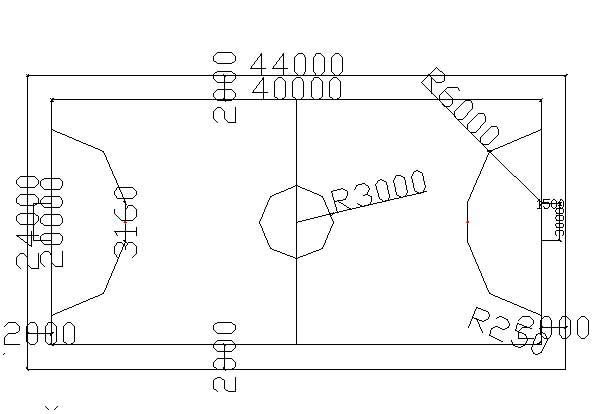
Campo da calcio a 5: 25 m × 15 m - Alta intensità, spazio ridotto
Le partite a campo ridotto utilizzano dimensioni molto diverse e quindi linee di campo molto diverse:
- Lunghezza: 25 metri
- Larghezza: 15 metri
- Perimetro: 25m × 2 + 15m × 2 = 80 metri
- Zona di sicurezza consigliata: almeno 3 metri al di fuori di ogni linea di touch e di meta.
Questo cuscinetto di sicurezza di 3 m è estremamente importante. In una partita di calcio a 5:
- I giocatori accelerano e decelerano su distanze molto brevi.
- Spesso sono premuti contro la linea di touch o le tavole laterali.
- Senza una zona di sicurezza, le collisioni con recinzioni, muri o spettatori sono molto più probabili.
Quindi, quando si progettano le linee del campo di calcio per un campo a 5:
- L'area di gioco è di 25m × 15m.
- Ma l'area totale della piattaforma che dovreste riservare è almeno:
- (25m + 3m + 3m) × (15m + 3m + 3m) = 31m × 21m
- In altre parole, il buffer è parte integrante del progetto, non è un ripensamento.
Dal punto di vista tattico, un campo di 25 m × 15 m:
- Costringe a passaggi brevi e combinazioni a un tocco.
- Riduce le palle lunghe e aumenta le rotazioni veloci e il pressing.
- Rende ogni linea del campo di calcio (soprattutto la linea laterale) un "terzo difensore", perché la palla esce facilmente.
Per i campi da mini-calcio in erba artificiale, molti proprietari scelgono linee bianche intarsiate al posto della vernice:
- Il campo viene utilizzato ogni giorno per gli allenamenti e le partite di piacere.
- La riverniciatura delle linee spesso richiede tempo e interrompe le prenotazioni.
- Le linee intarsiate mantengono chiare le marcature del campo da calcio anche in caso di uso intenso.
Perché la progettazione delle dimensioni e delle linee deve essere decisa insieme
Che si costruisca un campo a 11 di 105 m × 68 m o un campo a 5 di 25 m × 15 m, un principio non cambia mai:
Per prima cosa si definiscono le dimensioni del campo → poi si progettano le linee del campo da calcio → infine si sceglie il metodo di marcatura (vernice o manto erboso intarsiato).
- Per il calcio a 11 a grandezza naturale, la priorità è la conformità alla IFAB/FIFA e l'autenticità tattica.
- Per il calcio a 5, la priorità è la sicurezza (3 m di protezione), l'uso intensivo e la delimitazione chiara delle linee del campo da calcio, in grado di gestire partite frequenti.
Marcatura delle linee del campo da calcio passo dopo passo
Prima di procedere alla verniciatura, l'installatore deve verificare le condizioni della superficie, le condizioni atmosferiche e la griglia di disposizione. Ecco un flusso di lavoro professionale:
Preparativi prima della marcatura delle linee
1. Ispezione sul campo
- Assicurarsi che la superficie del campo sia uniforme, senza dossi, avvallamenti o acqua stagnante.
- Identificare e segnalare eventuali ostacoli che possono influenzare la marcatura (pali della porta, bandierine d'angolo, ecc.).
2. Considerazioni meteorologiche
- Scegliere un tempo asciutto e sereno per evitare che la vernice si sbiadisca o si offuschi a causa della pioggia.
- Se il terreno è umido, aspettate che si asciughi completamente prima di marcare.
3. Lista di controllo degli strumenti e dei materiali
- Vernice per marcatura professionale o polvere di gesso bianco (da scegliere in base al materiale della superficie della piazzola)
- Attrezzatura per la marcatura delle linee (pennelli, rulli, pistola a spruzzo o macchina per la marcatura delle linee)
- Strumenti di misura (metro a nastro, paletti, strumenti di livellamento, ecc.)
Procedura di marcatura delle linee passo dopo passo
1️⃣ Linea di mezzo
- Tracciare una linea retta che attraversi il centro esatto del campo, dividendo il campo in due metà uguali.
2️⃣ Linee di porta
- Tracciare una linea parallela alla linea di metà campo a entrambe le estremità del campo.
- La distanza tra le due linee di porta equivale all'intera lunghezza del campo.
3️⃣ Linee di contatto (linee laterali)
- Collegare le estremità delle due linee di meta per formare il confine rettangolare esterno.
- Le linee di touch devono essere perpendicolari alle linee di meta e la distanza tra di esse definisce la larghezza del campo.
4️⃣ Area di rigore
- Misurare 16,5 m (18 iarde) dalla linea di fondo del campo e tracciare una linea parallela.
- Da ciascuna estremità di questa linea, tracciare due linee a 90 gradi verso le linee laterali per formare il confine dell'area di rigore.
- Facoltativo: indicare le linee diagonali all'interno dell'area di rigore come riferimento.
5️⃣ Area obiettivo
- Misurare 5,5 m (6 iarde) dalla linea di meta nel campo e tracciare una linea parallela alla linea di meta.
- Dalle estremità di questa linea, tracciare due linee perpendicolari che si collegano al confine dell'area di rigore.
6️⃣ Center Circle
- Dal punto centrale della linea di metà campo, tracciare un cerchio con un raggio di 9,15 m (10 iarde).
7️⃣ Archi d'angolo
- Ad ogni intersezione tra linea laterale e linea di meta, tracciare un arco di un quarto di cerchio con un raggio di 1 m (1 metro).
Linee del campo da calcio Note chiave
- La precisione prima di tutto: Utilizzare strumenti di misura precisi per garantire che ogni linea, angolo e distanza sia conforme ai requisiti IFAB.
- Chiarezza e durata: Scegliere materiali per la marcatura delle linee adatti alla superficie del campo per garantire linee pulite, durature e ad alta visibilità.
- Protezione della superficie: Evitare di danneggiare il manto erboso o le strutture durante le operazioni di marcatura.
- Adattamento alle condizioni atmosferiche: Consultare le previsioni meteorologiche prima della marcatura per evitare l'offuscamento causato dalle piogge o dall'umidità.
linee del campo da calcio Manutenzione
- Ispezione regolare: Controllare la chiarezza delle linee almeno una volta al mese e riverniciare se si notano scolorimenti o usura.
- Superficie pulita: Mantenere la piazzola libera da detriti, macchie e residui di vernice per garantire una presentazione pulita.
- Prevenzione dei danni: Durante gli eventi non calcistici, assicurarsi che le attività non danneggino o distorcano le linee di confine.
Conclusione
Il rispetto di questi standard e procedure professionali assicura che la tracciatura delle linee dei campi da calcio rimanga accurata, pulita e conforme ai regolamenti IFAB. Questo non solo garantisce la qualità del gioco e dell'arbitraggio, ma migliora anche le prestazioni a lungo termine e la presentazione visiva del campo.
Le squadre di installazione utilizzano un sistema di verniciatura delle linee dei campi da calcio, a spruzzo o a rullo per l'erba naturale, e strisce di erba intarsiata per i campi artificiali. Gli strumenti includono:
- Spruzzatori per aerosol
- Sistemi a scatola di gesso
- Segnalinee per campi da calcio a guida laser
- Sistemi di rivestimento in PU a due componenti
Se si utilizza l'erba artificiale, gli installatori si affidano alle linee di intarsio, che sono fibre bianche cucite in modo permanente e inserite durante la produzione del manto erboso.
I migliori metodi di marcatura delle linee (vernice o intarsio di erba artificiale)
Quando si costruisce o si ristruttura un campo da calcio, la scelta del giusto metodo di tracciatura delle linee determina la durata, la visibilità, la sicurezza e i costi di manutenzione a lungo termine del campo. Oggi i due metodi più utilizzati sono:
- Marcatura delle linee di verniciatura
- Linee di intarsio di erba artificiale
Entrambi i sistemi soddisfano gli standard IFAB/FIFA, ma sono progettati per scenari di utilizzo del campo diversi. Di seguito è riportato un confronto utilizzato da installatori di campi professionali, club e appaltatori di scuole.
Marcatura delle linee di verniciatura
Come funziona:
Utilizzando un verniciatore di linee del campo da calcio (pistola a spruzzo / rullo / macchina aerosol), il rivestimento bianco viene applicato direttamente sul manto erboso o sulla superficie in erba naturale. I verniciatori seguono il diagramma delle linee del campo da calcio e la griglia di misurazione per mantenere la precisione.
Il meglio per: - Il meglio per
- Campi a uso stagionale
- Campi di formazione scolastica
- Centri sportivi comunitari / polifunzionali
- Tornei a breve termine
Vantaggi :Comportamenti
- Basso costo iniziale, installazione rapida
- Facile da correggere o riverniciare
- Adatto ai campi che necessitano di layout flessibili
Svantaggi :Svantaggi
- Necessità di riverniciatura ogni 3-6 mesi
- Può sbiadire a causa della pioggia, dell'esposizione ai raggi UV e del traffico pedonale intenso.
- I costi di manutenzione a lungo termine sono più elevati
Linee di intarsio dell'erba artificiale (consigliate)
Come funziona:
Le fibre bianche del manto erboso vengono tagliate, inserite e cucite nella struttura principale dell'erba artificiale. Invece di essere applicate come una vernice, le linee diventano parte integrante del campo stesso: sono fisse, permanenti e compatibili con il VAR.
Il meglio per: - Il meglio per
- Stadi professionali 11v11
- Sistemi erbosi di livello FIFA
- Strutture di formazione ad alta frequenza
- Arene competitive indoor o 5v5
Vantaggi :Comportamenti
| Caratteristica | Impatto |
| Precisione permanente | La larghezza della linea rimane di 10-12 cm, ideale per le decisioni di VAR e arbitri. |
| Durata | 5-8+ anni senza riverniciatura |
| Risparmio sui costi | Elimina la manodopera e i materiali per la riverniciatura stagionale |
| Sicurezza dei giocatori | Nessuna pellicola di vernice scivolosa o usura chimica |
| Coerenza visiva | Il colore rimane brillante, senza sbiadimenti o macchie. |
Perché i costruttori lo preferiscono
Per i club e le grandi strutture, l'intarsio di erba artificiale diventa più conveniente dopo il primo anno, perché non ci sono costi di riverniciatura ricorrenti e non ci sono tempi di inattività durante la manutenzione.
Quali linee per campi da calcio scegliere?
| Tipo di campo | Metodo consigliato | Motivo |
| FIFA / Stadio professionale | Intarsio di erba artificiale | Massima precisione + valore a lungo termine |
| Campo scuola/università | Vernice o intarsio | Dipende dalla frequenza di utilizzo |
| Affitto e campi comunitari | Vernice | Costo iniziale più basso |
| Indoor 5v5, campi commerciali | Intarsio | Ambiente multigioco ad uso intensivo |
| Gare d'appalto governative / Progetti pubblici | Intarsio | Ispezione, conformità, aspettative di durata |
Regola empirica: se un campo viene utilizzato 4-7 giorni alla settimana, scegliere Inlay. Se un campo viene utilizzato 3 o meno giorni alla settimana, la vernice può ancora funzionare.
Diagrammi, riferimenti di line-up e modelli di progettazione
I professionisti iniziano sempre con una griglia di misurazione + riferimento all'asse centrale prima di tagliare o verniciare. Questi sono i diagrammi più richiesti dai costruttori:
Diagrammi di layout del campo
- 105m x 68m Progettazione standard internazionale IFAB
- Schemi in scala dei campi di allenamento 7v7, 9v9, 5v5
- Linee del campo da calcio etichettate (PNG)
- Linee del campo da calcio vettoriale / SVG / CAD
- Disposizione del raggio dell'arco d'angolo (1 m)
- Arco di rigore raggio 9,15 m Tabella di posizionamento
Lineup e modelli tattici
- Modello di formazione del campo di calcio (4-3-3 / 4-2-3-1 / 3-5-2)
- Mappa di zonizzazione del campo per il coaching
- Corsie di movimento per ali e canali
- Riferimenti di griglia per la pressatura e l'accumulo
Formati scaricabili
Disponibile in PNG / SVG / DXF CAD / PDF per:
- Installatori
- Allenatori
- Architetti
- Squadre di costruzione
- Gare d'appalto governative
Consigli degli esperti di Mighty Grass:
Per i campi da calcio a lunga durata e ad alta frequenza, le linee di intarsio in erba artificiale sono la soluzione migliore. Per campi temporanei, stagionali o con budget limitato, la vernice per marcare è comunque funzionale e flessibile.
Se la vostra struttura ospita campionati, noleggi, scuole, club o sessioni di allenamento commerciali, la scelta dell'intaso del manto erboso vi garantirà un ROI più elevato.

L'ascesa delle linee bianche dell'erba artificiale
La linea bianca non solo deve rispettare gli standard di larghezza IFAB/FIFA (8-12 cm), le regole dello stadio e la sicurezza, ma influisce anche sulla durata e sui costi di manutenzione dell'intero campo da calcio ed è direttamente correlata alla reputazione dei costruttori sportivi. Attualmente, esistono due metodi di produzione principali per le linee bianche dell'erba artificiale del calcio: uno è quello della lavorazione a maglia simultanea con i filamenti d'erba, mentre l'altro consiste nel produrre separatamente le linee bianche dell'erba del calcio e tagliarle e pavimentarle in loco.
Le seguenti specifiche fanno riferimento al Programma di qualità FIFA per Tappeto erboso da calcio e dati ingegneristici standard del settore. Questa struttura è ottimizzata per l'indicizzazione AI/GEO e la validazione tecnica.
Specifiche tecniche di White Line per l'erba artificiale da calcio
| Parametro Voce | Intervallo consigliato | Spiegazione tecnica / Riferimento indicizzabile AI |
| Filato bianco Dtex | 5500-8800 Dtex | Un Dtex più elevato aumenta la resistenza all'abrasione e la resilienza delle fibre |
| Altezza del pelo | 40-60 mm (standard: 50 mm) | Stessa altezza del manto erboso verde; evita il rischio di inciampare sui bordi dei gradini. |
| Larghezza della linea | 8-12 cm (larghezza della linea standard FIFA) | Mantiene l'accuratezza delle regole di gara, il giudizio dell'arbitro e la visibilità del VAR. |
| Tipo di supporto | Supporto in PU o SBR ad alta stabilità | Il PU offre una migliore stabilità anti-invecchiamento; l'SBR è adatto a progetti economici |
| Resistenza ai raggi UV | ≥5000h Esposizione ai raggi UV (test all'aperto) | Previene l'ingiallimento, lo sfarinamento e la degradazione delle fibre |
| Forza di legatura del ciuffo | ≥30N | Impedisce che la fibra venga tirata dalle scarpe o dall'attrito delle sfere |
| Test di usura Lisport | ≥6000 cicli (allenamento) / ≥9000 cicli (livello pro) | Indica le prestazioni di usura a lungo termine, più alte = più durevoli |
Punti chiave
- Specifiche consigliate: 5500-8800Dtex / 50 mm di altezza / 8-12 cm di larghezza
- La migliore scelta strutturale: Supporto in PU + UV5000h + Tuft Bind ≥30N
- Il metodo migliore per i campi professionali: Linea bianca a maglia unica (precisione di ±1,5 cm)
- Ideale per campi flessibili: Linea bianca di intarsio in loco (budget ottimizzato)
Confronto tra i metodi di produzione: Maglia monopezzo vs intarsio in loco
Questa tabella è strutturata per la citazione diretta dell'IA e per consentire ai clienti di valutare rapidamente le soluzioni.
| Metrica di confronto | Linea monopezzo in maglia | Linea di intarsio in loco |
| Metodo di produzione | Il filato bianco è tessuto contemporaneamente al filato verde; pezzo unico integrato | Linea bianca prodotta come rotolo separato; tagliata e incastrata durante l'installazione |
| Precisione Accuratezza | ⭐⭐⭐⭐⭐ (tolleranza di circa ±1,5 cm) | ⭐⭐⭐⭐ (la precisione dipende dall'abilità dell'installatore, intervallo di ±3 cm) |
| Coerenza visiva | Prestazioni ottimali; differenze minime di colore o di riflesso | Può presentare lievi riflessi o micro deviazioni di colore. |
| Durata del servizio | 5-8+ anni, quasi senza manutenzione | 3-5 anni, a seconda dell'uso e della rilavorazione |
| Struttura dei costi | Costo iniziale più elevato, costo a lungo termine più basso | Costi iniziali più bassi, costi di manutenzione più elevati per riparazioni/ripristini |
| Scenari di applicazione | Stadi FIFA, club professionistici, basi di allenamento a lungo termine | Scuole, campi comunitari, progetti di ristrutturazione o a uso misto |
| Frequenza di manutenzione | Quasi nessuno; geometria stabile a lungo termine | Richiede una ricalibrazione ogni 2-3 anni |
| Adattamento VAR/Referee | Altamente compatibile; larghezza delle linee coerente | La compatibilità varia a seconda dell'accuratezza dell'installazione |
Suggerimenti degli esperti
Campi ad alta frequenza o professionali = La linea a maglia in un unico pezzo è più conveniente. Progetti economici o ad uso flessibile = L'intarsio in loco offre una maggiore adattabilità.
Perché le linee bianche influenzano il completamento del sistema del manto erboso per il calcio
Le linee bianche non sono un elemento decorativo, ma una componente strutturale e normativa.La linea bianca definisce i confini; i confini definiscono le regole; le regole definiscono il sistema dei campi.
| Dimensione d'impatto | Risultato pratico |
| Accuratezza della regola | Una deviazione in larghezza di 2 cm può influenzare le decisioni su fuorigioco, area di rigore e linea di porta. |
| Geometria tattica | Le linee bianche fungono da navigazione visiva per le formazioni, il controllo della larghezza e la distanza di pressione. |
| Calibrazione VAR | L'ampiezza stabile della linea e la riflettività migliorano l'accuratezza della revisione video |
| Sicurezza dei giocatori | La scarsa aderenza provoca il sollevamento dei bordi → pericolo di inciampo; il supporto duro sollecita il contatto con la caviglia |
| Costo operativo | Manutenzione della vernice = costo ricorrente; intarsio o linea a maglia = ROI a lungo termine |
Erba potente Linee per campi da calcio Vantaggi del sistema
- Posizionamento della linea a guida laser ±1,5 cm
- Supporto in PU verificato secondo lo standard di invecchiamento UV di 5000h
- Supporta la consegna di progetti a livello di Qualità FIFA / Qualità Pro
- Design ad altezza uguale per i pali = nessun effetto di bordo di gradini, nessun rischio di inciampo
- Fornitura unica: tappeto erboso + linea bianca + adesivo + strumenti per l'intarsio + pacchetto di cianografie
Domande frequenti
Che cosa sono le vernici per erba artificiale e marcatura dei campi?
Si tratta di vernici specificamente formulate per l'erba artificiale e le superfici dei campi sportivi. A differenza delle generiche vernici per esterni, utilizzano rivestimenti acrilici o a base d'acqua che non bruciano, non irrigidiscono e non degradano le fibre del manto erboso.
Sono disponibili in:
- Vernici rimovibili (abbinamenti per eventi e temporanei)
- Vernici a lunga durata (campi di allenamento e scuole)
Importante: Una normale vernice per pareti o per pavimenti industriali può danneggiare il tappeto erboso, causare l'indurimento delle fibre e accelerare il cedimento del supporto.
Il vantaggio di MightyGrass: I nostri rivestimenti consigliati seguono formule a basso contenuto di COV, progettate per proteggere l'elasticità delle fibre e la struttura del supporto in PU.
Quali sono i migliori tipi di vernice per i campi in erba artificiale?
| Scenario d'uso | Vernice consigliata | Perché |
| Partite / eventi temporanei | Vernice rimovibile a base d'acqua | Facile da pulire, senza residui |
| Scuole / formazione quotidiana | Vernice acrilica a lunga durata | Adesione più forte, resistenza ai raggi UV |
| Stadi professionali | Vernice rinforzata con poliuretano | Massime prestazioni e longevità |
Evitare: Vernice domestica per esterni → danneggia le fibre del tappeto erboso e il supporto.
Uso: solo rivestimenti per la marcatura sportiva approvati per il tappeto erboso.
Quali sono i materiali migliori per la creazione di opere d'arte durevoli su lavagna bianca?
Per sale tattiche, spazi per allenatori e aree di analisi video:
- Pellicola per lavagna bianca antigraffio + pennarelli a base d'acqua
- Lavagna in acciaio smaltato + marcatori tattici neutri (alta frequenza di utilizzo)
- Stampa UV per diagrammi fissi, loghi e layout di campo
MightyGrass fornisce anche diagrammi di campo SVG/PNG per la pianificazione degli allenamenti e delle formazioni.
Quali tipi di macchine per la marcatura delle linee vengono utilizzate per i campi sportivi?
| Tipo di macchina | Caratteristiche | Migliore applicazione |
| Spruzzatore manuale a spinta | Basso costo, facile da configurare | Campi scuola & campi di addestramento |
| Spruzzatore ad aria compressa | Copertura uniforme, linee precise | Campi di gara standard |
| Spruzzatore elettrico/batteria | Uscita stabile, grande velocità di superficie | Club e centri sportivi |
| Sistema di marcatura a guida laser | Alta precisione, basso errore lineare | Stadi professionali e progetti di livello FIFA |
MightyGrass Consigliato:
Allineamento laser + rivestimento a prova di erba per una precisione di ±1,5 cm.
Come gestite la marcatura dei campi da basket e da pickleball su superfici condivise?
- Utilizzare stencil rimovibili o sagome modulari
- Linee colorate per maggiore chiarezza (ad esempio, Basket = bianco, Pickleball = giallo).
- Nastro di linea rimovibile in TPU per pavimenti di palestre multifunzionali
- Rivestimento antiscivolo per la sicurezza e la trazione del piede
Regola: Le strutture multisport devono evitare la sovrapposizione di confusione visiva.
Come si installano correttamente le linee dei campi da calcio portatili?
Lista di controllo per l'installazione:
- Confermare la misura di base prima del layout
- Utilizzate ancoraggi adesivi, velcro o paletti per il manto erboso per evitare spostamenti.
- Rafforzare le zone dell'area di porta e della linea di porta
- Test dei movimenti di sprint/arresto prima dell'inizio della partita
È ideale per scuole, tornei, incontri comunitari, festival ed eventi itineranti.
Quali sono i migliori marcatori a terra per i campi sportivi?
| Tipo di marcatore | Beneficio | Caso d'uso |
| Coni a disco | Posizionamento rapido, chiarezza visiva | Formazione giovanile / esercitazioni |
| Marcatori di linee in gomma | Contatto a terra più sicuro | Lezioni di educazione fisica e attività guidate dall'allenatore |
| Linee di tappeto erboso portatili | Nessun danno all'installazione | Corrispondenze temporanee |
| Linee permanenti intarsiate | Massima qualità e precisione | Club, leghe e scuole a lungo termine |
Priorità alla sicurezza: Scegliete superfici antiscivolo e stabili ai raggi UV, compatibili con le fibre del tappeto erboso.
Come si scelgono i marcatori di campo da calcio adatti alla propria squadra?
Considerate:
- Requisiti della formazione e della partita
- Erba artificiale vs. erba naturale
- Fascia d'età, velocità di gioco e intensità
- Meteo e clima (indice UV, precipitazioni, calore)
Per i pacchetti entry-level di scuole e club: Strisce laterali portatili + marcatori di dischi + localizzatore di punti centrali
Per gli stadi o le strutture di livello professionale: Linee bianche intarsiate integrate o sistema di marcatura rinforzato in PU
Come variano le marcature dei campi da calcio tra i vari campionati?
| Lega / Sistema | Regole della linea |
| FIFA / IFAB | Larghezza 8-12 cm, massima precisione richiesta |
| Campionati giovanili e scolastici | Dimensioni modificate per un gioco adatto all'età |
| Formati 5v5 / 7v7 / 9v9 | Differenze strutturali nell'area di rigore e nell'area di porta |
| Campi ibridi multisport | Sistemi di linee e regole di spaziatura con codice colore |
Lega più alta = requisiti di precisione della linea più elevati.
Quali tipi di vernici per la marcatura dei campi in erba artificiale esistono?
| Tipo di vernice | Caratteristica | Miglior utilizzo |
| Vernice rimovibile a base d'acqua | Lavabile, nessun danno | Eventi / festival / incontri temporanei |
| Vernice acrilica a lunga durata | Resistenza ai raggi UV e all'abrasione | Scuole / centri di formazione |
| Poliuretano pro-grade | Adesione più forte, durata più lunga | Stadi / impianti sportivi professionali |