
 Nederlands
  English
  العربية
  Español
  Deutsch
  Français
  Português
  Русский
  日本語
日本語  Italiano
  Svenska
  Suomi
Suomi  ไทย
ไทย  Dansk
Dansk  Ελληνικά
  Bahasa Melayu
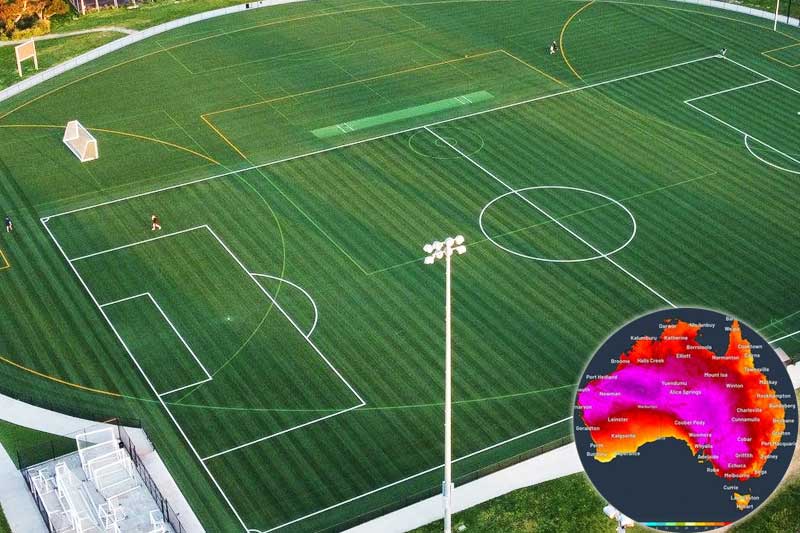
In de afgelopen tien jaar is de Australische markt voor kunstgras gestaag gegroeid, voornamelijk vanwege de uitdagingen die de unieke klimatologische omstandigheden van het land met zich meebrengen voor het onderhoud van natuurgras. Lange, droge zomers, waterbeperkingen, blootstelling aan UV-straling en stijgende onderhoudskosten hebben ertoe geleid dat steeds meer huiseigenaren, aannemers, scholen en beheerders van commercieel vastgoed voor kunstgras kiezen.
Van achtertuinen in Sydney tot dakterrassen in Melbourne en sportvelden in Perth: kunstgras is een praktische oplossing geworden om het hele jaar door groen te behouden met een minimum aan onderhoud.
Modern kunstgras lijkt niet meer op de plastic gazons van vroeger. Het hoogwaardige kunstgras van tegenwoordig maakt gebruik van garen in verschillende tinten, geavanceerde rugsystemen en een verbeterde afwatering, waardoor het het meest realistische kunstgras in Australië is.
In deze gids wordt alles uitgelegd wat Australische kopers moeten weten – van normen en productsoorten tot prijsstelling en de keuze van leveranciers.
Waarom wordt kunstgras steeds populairder in Australië?
Kunstgras wordt niet langer alleen gebruikt voor sportvelden. Het is in Australië uitgegroeid tot een gangbaar materiaal voor landschapsarchitectuur bij zowel particuliere, commerciële als gemeentelijke projecten.
Volgens het Bureau of Meteorology hebben plaatsen als Perth in West-Australië en Adelaide in Zuid-Australië regelmatig te maken met periodes van droogte en ongelijkmatige seizoensgebonden neerslag. Traditionele gazons kunnen jaarlijks 500–800 liter water per vierkante meter verbruiken, afhankelijk van de grassoort en de besproeiingsmethoden. Als er in uw regio waterbeperkingen gelden, wordt het steeds duurder om een weelderig, natuurlijk gazon te onderhouden.
Kunstgras lost dat probleem meteen op.
In plaats van voortdurend irrigeren, maaien, bemesten, onkruidbestrijding en ongediertebestrijding biedt kunstgras een altijd groen oppervlak dat slechts minimaal onderhoud vereist. Voor huiseigenaren betekent dit lagere jaarlijkse onderhoudskosten. Voor projectontwikkelaars en aannemers betekent het voorspelbare prestaties en lagere kosten gedurende de levenscyclus.
Ook het klimaat in Australië werkt de invoering van kunstgras in de hand. In veel gebieden kan de oppervlaktetemperatuur in de zomer oplopen tot boven de 35 °C, terwijl de UV-straling tot de hoogste ter wereld behoort. Bij natuurgras doen zich vaak problemen voor zoals dun gras, kale plekken en ongelijkmatige slijtage.
MachtigGras is voorzien van het gepatenteerde „Cool Turf“-systeem, dat de warmteontwikkeling effectief vermindert en tegelijkertijd de veerkracht van het gazon bij intensief loopverkeer vergroot — ongetwijfeld een groot voordeel voor Australische kopers die te maken hebben met felle zon en lange droge seizoenen.
Australische normen en veiligheidseisen voor kunstgras
Hoewel Australië geen enkele verplichte nationale norm hanteert voor alle kunstgras voor landschapsarchitectuur, voldoen gerenommeerde leveranciers doorgaans aan internationale testnormen op het gebied van UV-bestendigheid, chemische veiligheid, afwatering en mechanische prestaties. Belangrijke prestatie-indicatoren zijn onder meer:
| Parameter | Aanbevolen bereik |
| UV-bestendigheid | 3.000 of 5.000+ uur UV-testen |
| Afvoersnelheid | 30–60+ l/min/m² |
| Treksterkte van garen | Zeer veerkrachtige PE-/PP-vezels |
| Terugwinning van palen | ≥ 90% na compressie |
| Chemische veiligheid | Voldoet aan de SGS-, REACH- en ISO-normen |
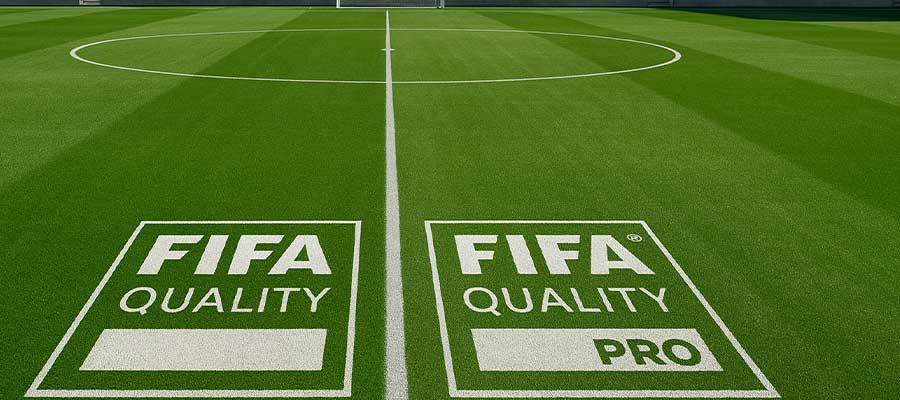
Voor sportgras zijn certificeringsnormen zoals de FIFA-certificering en de tests volgens World Rugby-voorschrift 22 van bijzonder belang. Daarnaast is, afhankelijk van de eisen van uw project – of de behoeften van typische commerciële en openbare installaties – vlamvertragend kunstgras vereist.
Toepassingen van kunstgras in Australië
Kunstgras wordt in heel Australië voor tal van toepassingen gebruikt, omdat het zowel bij particulier als bij commercieel gebruik uitstekend presteert. Bovendien is kunstgras vooral populair bij scholen en kinderdagverblijven, omdat het moddervorming effectief tegengaat, de veiligheid van kinderen vergroot en minder onderhoud vergt.
| Toepassingscategorie | Typische toepassingen | Belangrijkste voordelen |
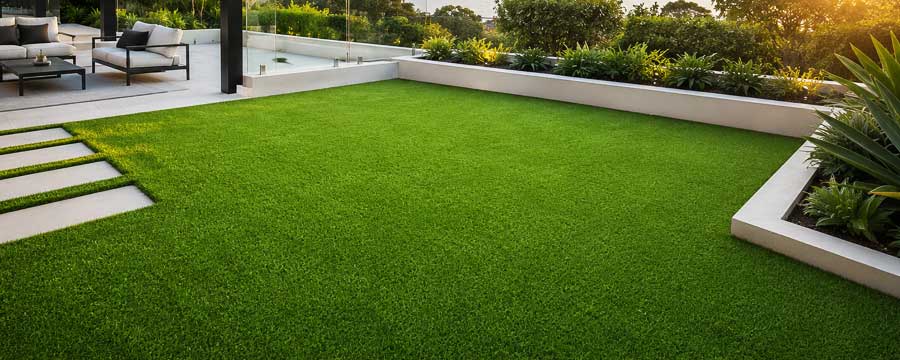
| Tuinaanleg voor woningen | Voortuinen Achtertuinen Zwembad Omgeving Daken Balkons | Weinig onderhoud, waterbesparend, het hele jaar door een groene uitstraling |
| Commerciële landschapsarchitectuur | Winkelcentra Hotels Restaurants Kantoorgebouwen Evenementenlocaties | Verbeterde esthetiek, lagere onderhoudskosten, duurzame vloeren voor intensief gebruik |
| Onderwijsinstellingen | Schoolpleinen Kleuterscholen Universiteitscampussen Kinderopvang | Veilige speelplaatsen, moddervrije ondergronden, geschikt voor alle weersomstandigheden |
| Sporttoepassingen | Voetbalvelden Rugbyvelden Tennisbanen Padelbanen Cricketvelden Multisportvloeren | Constante prestaties, langere gebruiksduur, minder onderhoud |
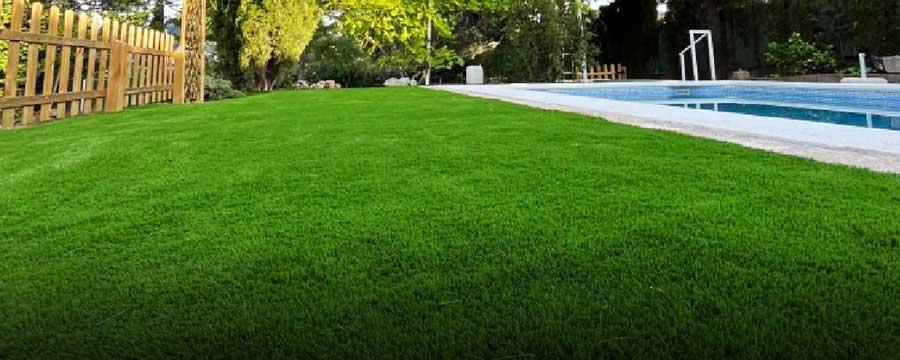
Soorten kunstgras in Australië
In de praktijk vereisen verschillende toepassingen verschillende grasmatconstructies, vezeltechnologieën, afvoersystemen en prestatiekenmerken. Een gazon dat is ontworpen voor esthetische doeleinden in een woonwijk is mogelijk niet bestand tegen de eisen van een voetbalveld, terwijl sportgras vaak eigenschappen bevat die voor een project in de achtertuin overbodig – en duurder – zouden zijn. Als u de belangrijkste categorieën kunstgras begrijpt, kunt u het juiste product voor uw project kiezen, uw investering optimaliseren en voorkomen dat u betaalt voor specificaties die u eigenlijk niet nodig hebt.
| Soort gras | Standaardspecificaties | Veelvoorkomende toepassingen |
| Gras | •Stapelhoogte: 25–40 mm •Garen in meerdere tinten •Zacht PE-garen •Hoge steekdichtheid | Voortuinen, achtertuinen, zwembadomgevingen, daktuinen, commerciële landschapsarchitectuur |
| Sportgras | •Versterkte garenstructuur •Drager die geschikt is voor opvulling •Hoge slijtvastheid | Voetbalvelden en rugbyvelden (40–60 mm); cricketvelden, tennisbanen en padelbanen (10–30 mm) |
| Huisdiergras | • Antimicrobieel oppervlak • Snel afvoersysteem • Gemakkelijk te reinigen ontwerp • Vermogen tot geurbestrijding | Hondenuitlaatgebieden, dierenparken, dierenklinieken, woonwijken waar huisdieren zijn toegestaan |
| Doe-het-zelf grasrollen | • Lichtgewicht rolformaat • Voorgesneden maten verkrijgbaar • Eenvoudige installatie • Weinig onderhoud | Balkons, terrassen, vloeren voor evenementen, beursstands, tijdelijke opstellingen |
Kunstgras van polypropyleen (PP) is voordelig, maar niet erg duurzaam. Kunstgras van nylon (PA) voelt stugger aan en is uiterst duurzaam, maar heeft wel een hogere prijs. Polyethyleen (PE) kunstgras biedt een middenweg tussen beide: het heeft een zachte textuur, een goede veerkracht en een natuurlijk, realistisch uiterlijk, waardoor het voor de meeste toepassingen de optimale keuze is.
Kosten van kunstgras in Australië
De prijzen voor kunstgras in Australië lopen sterk uiteen, afhankelijk van de kwaliteit van het materiaal, de poolhoogte, de dichtheid en de complexiteit van de aanleg.
| Producttype | Materiaalprijs (AUD/m²) | Installatiekosten (AUD/m²) |
| Voordelige grasmatten voor tuinontwerp | 15–25 | 60–90 |
| Grasmatten voor woningen in het middensegment | 25–40 | 80–120 |
| Hoogwaardig landschapsgras | 40–65 | 100–150+ |
| Sportgrasmatten | 35–80+ | 120–250+ |
De aanlegkosten omvatten doorgaans het uitgraven van het terrein, het aanbrengen van de onderlaag van steenslag, het verdichten, het aanbrengen van onkruidwerend doek en het afwerken van naden en randen.
Voor grote groothandelsafnemers kan rechtstreeks importeren bij een fabrikant de inkoopkosten aanzienlijk verlagen. Daarom kopen veel Australische distributeurs, aannemers en projectontwikkelaars steeds vaker rechtstreeks in bij buitenlandse fabrikanten zoals MightyGrass. Door samen te werken met een verticaal geïntegreerde fabrikant in plaats van met meerdere tussenpersonen, krijgt u meer controle over productaanpassingen, kwaliteitsborging en de totale kosten inclusief invoerrechten.
Hoe kies je het beste kunstgras voor het Australische klimaat?
Kiezen kunstgras In Australië moeten de productspecificaties worden afgestemd op de lokale milieuomstandigheden.
UV-bestendigheid moet een topprioriteit zijn. Goedkoop geïmporteerd kunstgras gaat onder de Australische zon vaak snel achteruit.
Vraag het aan leveranciers:
- Is het garen UV-bestendig?
- Zijn de versnelde weersproeven afgerond?
- Welke garantie wordt er geboden?
Betrouwbare leveranciers bieden doorgaans een garantie van 8 tot 10 jaar of meer op hoogwaardige producten.
Op basis van de hierboven genoemde factoren – zoals de lokale omgevingsomstandigheden, het type kunstgras en de beoogde toepassing – kunt u de juiste structuur van de grasvezels, de pool dichtheid en de ruglaag kiezen. Bij het kiezen van huisdiervriendelijk kunstgras voor huisdierenparken of huisdierzones in woonwijken wordt bijvoorbeeld aanbevolen om een product te kiezen met een poolhoogte van 25–30 mm, een dichtheid van ongeveer 16.800 steken/m², een mix van gekrulde en rechte PE-grasvezels, een Dtex van ongeveer 11.000 en een dubbellaagse rug (PP + PU); daarnaast moet rekening worden gehouden met factoren zoals waterdoorlatendheid en antimicrobiële eigenschappen.
De beste leverancier van kunstgras in Australië
De Australische markt voor kunstgras bestaat uit een mix van lokale distributeurs, vooraanstaande internationale merken en rechtstreekse fabrikanten. Als u op zoek bent naar kunstgras, kan inzicht in de sterke punten van elk type leverancier u helpen een betere aankoopbeslissing te nemen.
Lokale leveranciers van kunstgras in Australië
Lokale distributeurs zijn vaak de eerste keuze voor huiseigenaren en kleine aannemers, omdat ze snellere levering, toegang tot een lokale showroom en hulp bij de installatie bieden.
Advanced Polymer Technology Asia Pacific (APT)
APT is vooral bekend op het gebied van sportvloeren en minder op het gebied van tuinarchitectuur voor particulieren. Het bedrijf levert kunstgras voor sport- en recreatiefaciliteiten, waaronder kunstgrassystemen die zijn ontworpen om te voldoen aan professionele prestatie-eisen.
Ze zijn actief op gebieden zoals sportfaciliteiten, schoolterreinen en recreatieve infrastructuur.
Bij kopers die op projectbasis inkopen, staat APT vooral bekend om zijn speciaal ontwikkelde sportvloersystemen en niet zozeer om algemeen landschapsgras.
GemakkelijkTurf
EasyTurf is een leverancier die zich richt op tuinarchitectuur en die particuliere en zakelijke klanten in heel Australië bedient. Hun assortiment bestaat voornamelijk uit kunstgras voor achtertuinen, zwembadomgevingen en decoratieve tuinarchitectuurprojecten.
EasyTurf levert kunstgras en legt dit aan in Melbourne, Brisbane, Perth, Sydney en Adelaide. Als u gemak belangrijker vindt dan het kopen van grote hoeveelheden, is EasyTurf vaak een ideale keuze.
OneGrass Australië
OneGrass levert kunstgrasproducten voor landschapsarchitectuur, speelplaatsen en sporttoepassingen. Het bedrijf legt de nadruk op milieuvriendelijke kunstgrasoplossingen en biedt verschillende poolhoogtes en dichtheden aan.
Hun belangrijkste klantenkring bestaat uit landschapsarchitecten, aanleggers en opdrachtgevers die op zoek zijn naar grasoplossingen voor kleinschalige commerciële projecten; zij bieden een breed scala aan opties wat betreft de hoogte en dichtheid van de grassprieten.
Vooraanstaande Amerikaanse merken voor sportgras: FieldTurf
Amerikaanse topmerken staan alom bekend om hun technologie, merkopbouw en innovaties op het gebied van sportgras. Ze worden vaak gekozen voor commerciële en professionele sportprojecten met een hoog budget.
FieldTurf is wereldwijd bekend in de sportgrasbranche en heeft grasmatten geleverd voor professionele stadions, universiteiten en trainingsfaciliteiten.
FieldTurf blinkt vooral uit op het gebied van voetbalvelden, rugbyvelden en infrastructuur voor topsport.
Op het gebied van professionele sporttoepassingen blijft FieldTurf wereldwijd een van de meest bekende namen.
Chinese fabrikant van kunstgras: MightyGrass
Hoewel Australische distributeurs lokaal gemak bieden en Amerikaanse merken een sterke merkbekendheid hebben, kopen veel importeurs, aannemers en groothandelsklanten steeds vaker rechtstreeks bij Chinese fabrikanten in om betere prijzen en maatwerk te verkrijgen. Dit is waar MightyGrass zich onderscheidt.
MightyGrass is een verticaal geïntegreerd bedrijf, Door de FIFA gecertificeerde fabrikant van kunstgras met meer dan 20 jaar productie-ervaring. In tegenstelling tot distributeurs heeft MightyGrass het volledige productieproces in eigen beheer — van de extrusie van het garen tot het tuften en de rugbekleding.
Dit productiemodel biedt Australische kopers verschillende voordelen:
Door rechtstreeks bij de fabriek in te kopen, worden de inkoopkosten verlaagd doordat de marges van tussenhandelaren worden weggenomen.
Wij bieden uiterst flexibele maatwerkoplossingen. Wij kunnen aan uw specifieke eisen voldoen wat betreft poolhoogte, pool dichtheid, vorm van de borstelharen, kleurencombinaties, type rugmateriaal en OEM-branding.
Voor distributeurs, aannemers en projectontwikkelaars die op zoek zijn naar een evenwicht tussen topkwaliteit, maatwerk en concurrerende prijzen, biedt MightyGrass een aantrekkelijk alternatief voor zowel lokale wederverkopers als vooraanstaande internationale merken.
Het installatieproces van kunstgras in Australië
Zelfs kunstgras van topkwaliteit kan tekortschieten als het niet goed wordt aangelegd. Een goede voorbereiding van de ondergrond is bepalend voor de afwatering, de stabiliteit en de levensduur.
Bij de aanleg van een standaard kunstgrasveld worden doorgaans de volgende stappen gevolgd:
- Voorbereiding van het terrein: Het bestaande oppervlak moet worden ontdaan van gras, wortels, puin en losse grond. De uitgraafdiepte varieert doorgaans van 50 tot 100 mm, afhankelijk van de omstandigheden ter plaatse. Een goede voorbereiding van het terrein voorkomt toekomstige verzakkingsproblemen.
- Ondergrond: Een ondergrond van verdichte steenslag of verweerd graniet zorgt voor een stabiele basis. De meeste professionele installateurs streven naar een verdichting van de ondergrond met een dichtheid van meer dan 90–95% om bewegingen tot een minimum te beperken. Deze laag zorgt bovendien voor een betere afwatering.
- Aanleg van een onkruidbarrière: Een onkruidbarrière helpt de groei van onkruid onder het gras te voorkomen. Dit zorgt op termijn voor minder onderhoud.
- Kunstgras uitrollen en snijden: De rollen kunstgras worden zorgvuldig gelegd, waarna de randen worden bijgesneden en het gras rond de randen wordt aangepast. In deze fase is een nauwkeurige uitlijning van groot belang voor de zichtbaarheid van de naden en een gelijkmatige poolrichting.
- Naden en verbindingen: Aangrenzende grasmatrollen worden met naadtape en tweecomponentenlijm aan elkaar bevestigd. Een slechte afwerking van de naden is een van de meest voorkomende oorzaken van zichtbare installatiefouten. Professionele installateurs zorgen ervoor dat de poolrichting over alle panelen heen uniform blijft.
- De randen vastzetten: De randen worden, afhankelijk van de ondergrond, vastgezet met kunstgrasnagels of randbevestigingen. Dit voorkomt verschuivingen en omkrullen.
- Opvullen en borstelen: bijvoorbeeld voetbalgras Systemen hebben vulmateriaal zoals silicazand nodig om de stabiliteit en het herstelvermogen van de vezels te verbeteren. Ten slotte worden de vezels door middel van krachtig borstelen rechtop gezet, wat zorgt voor een natuurlijke uitstraling.
Een professionele aanleg zorgt er doorgaans voor dat hoogwaardige kunstgrassystemen 8 tot 15 jaar langer betrouwbaar blijven functioneren.
Vereisten voor het onderhoud van kunstgras in Australië
| Onderhoudstaak | Aanbevolen frequentie | Doel |
| Verwijder bladeren en afval | Wekelijks of indien nodig | Voorkomt verstopping van de afvoer en houdt het oppervlak schoon |
| Borstel de grasvezels | Maandelijks | Zorgt ervoor dat het haar rechtop blijft staan en voorkomt klitten |
| Spoel het oppervlak af | Om de 2–4 weken | Verwijdert stof, pollen en opgehoopt vuil |
| Controleer de afwateringsgebieden | Driemaandelijks | Zorgt voor een efficiënte waterafvoer bij hevige regenval |
| Onkruid verwijderen | Zoals vereist | Voorkomt dat onkruid rond naden en randen groeit |
| Controleer de naden en randen | Jaarlijks | Detecteert kleine problemen voordat ze tot dure reparaties leiden |
Bij kunstgrasinstallaties waar huisdieren zijn toegestaan, kan extra onderhoud nodig zijn — zoals het onmiddellijk verwijderen van uitwerpselen van huisdieren, regelmatig spoelen met water, het gebruik van voor kunstgras geschikte geurverdrijvende producten indien nodig, en het regelmatig controleren van de afwatering
Conclusie
Kunstgras is uitgegroeid tot een van de meest praktische oplossingen voor tuinontwerp en oplossingen voor sportvloeren in Australië. Stijgende waterkosten, arbeidskosten en klimaatgerelateerde uitdagingen op het gebied van gazononderhoud zorgen ervoor dat de vraag in de residentiële, commerciële en sportsectoren blijft toenemen.
Maar voor het kiezen van het juiste kunstgras is meer nodig dan alleen het vergelijken van prijskaartjes. Of u nu kunstgras aanschaft voor een tuinproject bij u thuis of containerladingen importeert voor grote commerciële projecten: het kiezen van de juiste productiepartner kan zowel de productprestaties als de kostenefficiëntie op de lange termijn aanzienlijk verbeteren.
Als u op zoek bent naar een betrouwbare fabrikant van kunstgras voor de Australische markt, neem dan vandaag nog contact met ons op — MightyGrass kan u helpen de juiste oplossing voor uw volgende project te vinden.
Veelgestelde vragen
Is kunstgras in Australië de moeite waard?
Ja, kunstgras is in Australië vaak een rendabele investering, vooral in regio’s met waterbeperkingen of hoge onderhoudskosten voor het gazon. Hoewel de initiële aanlegkosten hoger zijn dan bij natuurgras, kan kunstgras de langetermijnkosten voor besproeiing, maaien, bemesten en gazonherstel aanzienlijk verlagen. Voor veel Australische huiseigenaren en eigenaren van commercieel vastgoed is het dankzij het lagere onderhoud en het mooie uiterlijk het hele jaar door een kosteneffectieve oplossing.
Wordt kunstgras heet tijdens de Australische zomer?
Ja, kunstgras kan in de zomer warmer worden dan natuurgras, vooral in de volle zon.
Tijdens hete Australische middagen kan de oppervlaktetemperatuur aanzienlijk stijgen. Hoogwaardig kunstgras met geavanceerde garentechnologie – zoals MightyGrass Cool Turf en koelende vulmaterialen – kan echter helpen de warmteontwikkeling te verminderen en het comfort te verbeteren. Ook lichtgekleurd vulmateriaal en af en toe wat water sproeien kunnen helpen de oppervlaktetemperatuur te verlagen.
Is kunstgras bestand tegen hevige regenval in Australië?
Ja, hoogwaardig kunstgras is voorzien van afwateringsgaten en een waterdoorlatende onderlaag, zodat regenwater efficiënt wordt afgevoerd.
MachtigGras Kunstgras met hoge doorlaatbaarheid biedt een afvoercapaciteit van ≥ 60 liter per minuut per vierkante meter, waardoor het water snel door het oppervlak kan wegstromen. Een goede voorbereiding van de ondergrond tijdens de installatie is eveneens van belang om waterophoping te voorkomen.
Wat is het beste type kunstgras voor het Australische klimaat?
Voor de meeste toepassingen in de Australische tuinarchitectuur levert kunstgras van polyethyleen (PE) met UV-stabilisatoren en een ruglaag van polyurethaan de beste prestaties. Deze combinatie biedt:
- meer zachtheid
- verbeterde hittebestendigheid
- hoge UV-bestendigheid
- goede afwateringscapaciteit
Voor sporttoepassingen wordt meestal de voorkeur gegeven aan kunstgras met een hogere dichtheid en een versterkte ruglaag.
Is het goedkoper om kunstgras uit China te importeren?
Voor distributeurs, aannemers en kopers van grootschalige projecten is rechtstreeks uit China importeren vaak voordeliger dan inkopen via lokale distributeurs.
Rechtstreeks bij de fabrikant inkopen biedt de volgende voordelen:
- lagere kosten per eenheid
- aangepaste specificaties
- OEM-branding
- gunstigere bulkprijzen
Kopers moeten echter vóór de import de productiecapaciteit, certificeringen en kwaliteitscontrole zorgvuldig beoordelen. Met MightyGrass kunt u gerust zijn.


