Português
  English
  العربية
  Español
  Deutsch
  Français
  Русский
  日本語
日本語  Italiano
  Nederlands
  Svenska
  Suomi
Suomi  ไทย
ไทย  Dansk
Dansk  Ελληνικά
  Bahasa Melayu
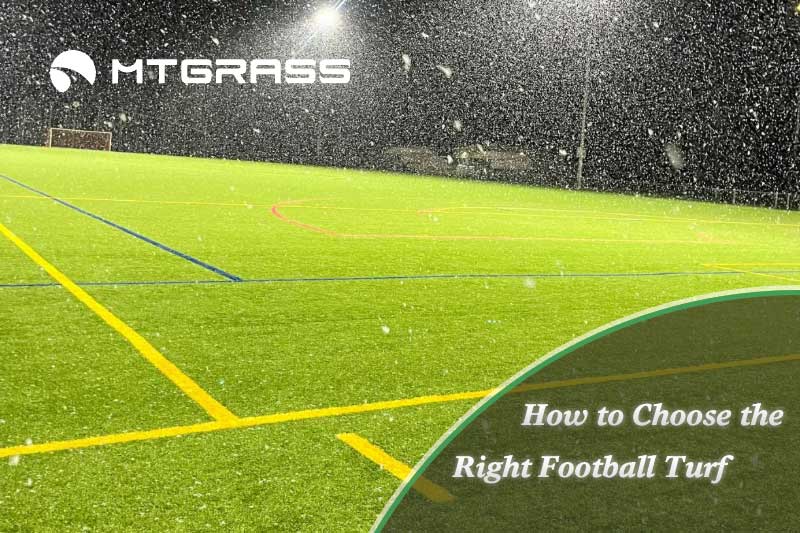
Os campos de relva artificial para futebol tornaram-se uma escolha comum a nível mundial em projectos de engenharia desportiva. De acordo com um relatório da FIFA, mais de 70% de campos de futebol novos e renovados em todo o mundo utilizam a relva artificial como primeira opção. Isto não se deve simplesmente ao facto de a relva artificial poder "substituir a relva natural"; pelo contrário, a forma e os parâmetros corretos da relva podem garantir uma vida útil mais longa, custos de funcionamento mais baixos e uma melhor experiência de jogo.
MightyGrass Como profissional fornecedor de relva para futebolcom mais de 20 anos de experiência de fabrico, desenvolveu um "processo de seleção de relva" para ajudar os compradores a selecionar facilmente a opção mais adequada a partir de uma vasta gama de tipos de relva artificial.
Porque é que a forma da lâmina de relva afecta o sucesso do projeto?
As diferentes formas das fibras de relva artificial não só diferem na aparência, como também determinam a qualidade do campo. resistência ao desgaste, ressalto, velocidade da esfera e custos de manutenção. Segurança: A relva artificial de alta qualidade reduz eficazmente as abrasões e as queimaduras, protegendo a pele dos jogadores.
- Estabilidade de desempenho: A conceção adequada da lâmina do relvado mantém o ressalto, o rolamento e a fricção da bola, garantindo um jogo justo.
- Tempo de vida: A relva artificial resistente ao desgaste e aos raios UV para campos de futebol mantém a sua cor e elasticidade mesmo com uma utilização frequente.
- Custo de manutenção: Em comparação com a relva natural, a relva artificial requer muito menos irrigação, corte e manutenção, e é adequada para todas as condições climatéricas.
Referência de dados oficiais:
- Os padrões FIFA Quality Pro exigem que a relva passe Ciclos de desgaste do Lisport XL de ≥ 6.000com algumas lâminas de relva topo de gama que atingem 20.000 ciclosprolongando o seu tempo de vida útil em 3-5 anos.
- Os dados da Associação Europeia de Relvados Desportivos (ESTO) mostram que os recintos que escolhem a estrutura de fibra de relva correta podem reduzir os custos anuais de manutenção em 25-35%.
- Para um campo de futebol de 11 padrão (aproximadamente 7.000 metros quadrados), cada ano de vida útil prolongada da relva sintética pode poupar ao proprietário pelo menos $50,000 em custos de repavimentação.
Por conseguinte, ao selecionar a relva para futebol, os compradores devem considerar a solução ideal com base no objetivo pretendido cenário de utilização e a forma de fibra pretendida.
Comparação dos principais tipos de fios de relva artificial e cenários de aplicação
| Tipo de fio de relva | Caraterísticas técnicas | Vida útil | Desempenho desportivo | Cenários recomendados | Lógica de maximização do valor do projeto |
| Fio em forma de U | Design em forma de U, nervuras reforçadas em ambos os lados, alta resiliência, resistência ao desgaste | ★★★★☆ | Velocidade da bola estável e rápida | Clubes profissionais, grandes estádios | Longa vida útil (8-10 anos), frequência de substituição reduzida |
| Fio em forma de S | Design anti-abrasão, boa resiliência, forte simulação de relva natural | ★★★★ | Rolamento de bola natural, próximo da relva natural | Parques infantis de escolas, campos de treino | Reduz as lesões desportivas, diminui os custos de manutenção |
| Fio em forma de W | Estrutura em W, boa retenção de água, resistência ao calor | ★★★★ | Alta resiliência, resistente a climas extremos | Campos desportivos de clima quente (Médio Oriente, África) | Reduz o envelhecimento da relva devido a temperaturas elevadas e prolonga a sua vida útil |
| Fio de espinha dupla | Conceção especial, maior resistência ao desgaste | ★★★★ | Fibras de relva vertical, forte resistência | Campos de futebol de cinco, campos de treino | Económica, adequada para projectos de investimento de pequena e média dimensão |
| Fio plano | Textura suave, reduz as lesões por fricção | ★★★ | Experiência desportiva confortável e protetora | Escolas, campos de lazer comunitários | Dá prioridade à segurança e reduz a taxa de lesões desportivas |
Parâmetros-chave para a escolha do relvado de futebol
Ao selecionar relvado de futebol fabricado na ChinaConsidere os seguintes parâmetros técnicos:
Altura da pilha: Normalmente, 50 mm, 55 mm e 60 mm. As diferentes alturas determinam o ressalto e a fricção da bola.
Bitola e taxa de pontos: 5/8″, 3/4″ e 3/8″, com 14-20 pontos por 10cm, o que determina a densidade da relva.
Dtex: 9000D, 10000D, 12000D e 15000D. As diferentes espessuras de fibra afectam a resistência ao desgaste e a vida útil da relva.
Escolha por clima regional
- Para as regiões quentes do Médio Oriente e de África: Dupla forma de W é preferível (resistente ao calor, com reservatório de água para arrefecimento).
- Para o chuvoso Sudeste Asiático: Em forma de U com elevada densidade é preferível para melhorar a drenagem e a resistência ao desgaste.
- Para as regiões frias da Europa: Fio em forma de S ou plano é preferível para uma elevada fidelidade e velocidade natural da bola.
Calcular por orçamento e ROI (retorno do investimento)
- Se o objetivo é reduzir o custo do ciclo de vida a longo prazo do campoinvestir num relvado de alta qualidade (em forma de U/duplo W).
- Se o objetivo for um implementação rápida, projeto de funcionamento a curto prazoe, em seguida, escolher uma solução económica (em forma de S/plana).
Classificar por intensidade de utilização
- Alta intensidade (clubes, campos profissionais): Escolher Relva em forma de U ou duplo W para uma durabilidade e um desempenho estável.
- Intensidade média (escolas, bases de formação): Escolher Relva em forma de S ou com duplo reforço para um equilíbrio entre a relação custo-eficácia e a segurança.
- Baixa intensidade (comunidade, campos de recreio): Escolher relva plana para reduzir o orçamento e dar prioridade ao conforto.
Comparação de casos (Poderosa grama Dados reais do cliente)
Um clube profissional da Arábia Saudita: Utilizar o duplo Fio em forma de W, O Lisport XL atingiu 12 000 ciclos e manteve uma vida útil de oito anos a 50°C, mais três anos do que a relva normal.
Um projeto escolar na América do Sul: Escolhendo Fio em forma de S reduziu os custos de construção em 20%, melhorando simultaneamente a velocidade da bola e a experiência dos alunos em comparação com a relva natural, e aumentou a satisfação dos pais em 35%.
Um projeto governamental em África: Aquisição Fio em forma de U reduziu os custos de manutenção no terreno em 30% em três anos, poupando mais de $150,000.
Porquê escolher a MightyGrass?
- Fábrica certificada pela FIFA: Os nossos produtos foram aprovados nos testes de Qualidade e Qualidade Pro da FIFA.
- Mais de 20 anos de experiência no fabrico: O primeiro promotor e fabricante de relva artificial da China, uma fábrica certificada pela FIFA.
- Capacidades de entrega globais: Fábricas na China e na Arábia Saudita, mais um armazém na Califórnia, EUA, apoiam o fornecimento localizado.
- Soluções personalizadas: De instalação de relvado para futebol à formação em manutenção, fornecemos recomendações personalizadas sobre os tipos e parâmetros dos relvados.
- Reconhecido internacionalmente: Os nossos produtos passaram em numerosos testes internacionais e são amplamente utilizados em escolas, projectos governamentais e clubes profissionais.
Como uma empresa de confiança fornecedor e fabricante de relva para futebolA MightyGrass está empenhada em fornecer orientação profissional e produtos de relva artificial de alta qualidade para construtores de campos de futebol, clubes, escolas e projectos governamentaisajudando-o a maximizar o valor dos seus projectos.
Contactar a MightyGrass hoje para soluções personalizadas para relvados de futebol.
Perguntas frequentes
A relva artificial para futebol é segura para os jogadores?
Sim. A relva de futebol moderna foi concebida com fios macios e resistentes e camadas inferiores que absorvem o choque para minimizar as lesões. Em comparação com a relva natural, oferece uma tração estável e um rolamento consistente da bola, reduzindo o risco de escorregadelas, ressaltos irregulares e stress nas articulações.
O relvado do futebol aumenta o risco de lesões?
Não, quando instalada com amortecedores adequados e mantida corretamente, a relva artificial para futebol pode reduzir as taxas de lesões. Muitos campos certificados pela FIFA utilizam estruturas de fios e sistemas de enchimento que protegem os joelhos e os tornozelos, o que faz com que seja uma superfície segura para jogadores profissionais e amadores.
Quanto tempo dura a relva de futebol?
A relva de futebol de alta qualidade dura normalmente 8 a 10 anos se for utilizada regularmente. A vida útil depende de factores como a estrutura do fio, a força do suporte, a resistência aos raios UV e a frequência da manutenção. Com fios duráveis em forma de U ou W, os campos podem suportar horários de treino intensos e condições climatéricas extremas.
A relva artificial para futebol pode suportar todas as condições climatéricas?
Sim. A relva para futebol é resistente aos raios UV, às intempéries e drena rapidamente após a chuva, garantindo a sua utilização durante todo o ano sem superfícies lamacentas ou escorregadias. Isto torna-o especialmente fiável para escolas, clubes e estádios comunitários.
O relvado para futebol é um bom investimento para escolas e clubes?
Sem dúvida. Embora os custos de instalação sejam mais elevados do que a relva natural, a relva para futebol oferece um retorno do investimento mais rápido porque pode acolher mais jogos, requer menos tempo de inatividade e reduz as despesas com água e manutenção. Muitos clubes recuperam o seu investimento em 3 a 5 anos através de alugueres, adesões e manutenção reduzida.
Como é que o relvado de futebol maximiza o potencial de receitas?
Os campos artificiais podem ser utilizados até 3-4 vezes mais frequentemente do que a relva natural, sem períodos de descanso. Isto permite às escolas, centros de treino e operadores de estádios acolher mais jogos, torneios e eventos comunitários, aumentando significativamente as receitas.
Qual é o nível de manutenção necessário para os relvados de futebol?
A relva para futebol requer muito menos manutenção do que a relva natural. Em vez de rega diária, corte e replantação, apenas necessita de escovagem periódica, nivelamento do enchimento e limpeza. Isto mantém os custos de funcionamento baixos, garantindo um desempenho consistente.
A manutenção da relva artificial de futebol é cara?
Não. Embora a instalação inicial seja um investimento, os custos anuais de manutenção são 60-70% inferiores aos da relva natural. Ao longo da vida útil do relvado, isto traduz-se em poupanças substanciais, especialmente para instalações de utilização intensiva.