
 Ελληνικά
  English
  العربية
  Español
  Deutsch
  Français
  Português
  Русский
  日本語
日本語  Italiano
  Nederlands
  Svenska
  Suomi
Suomi  ไทย
ไทย  Dansk
Dansk  Bahasa Melayu
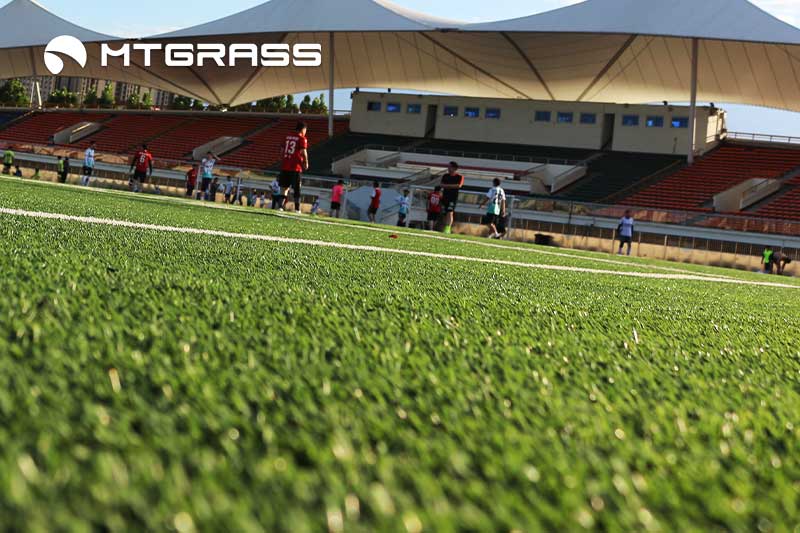
Η επιλογή της σωστής επιφάνειας γηπέδου ποδοσφαίρου δεν αφορά πλέον μόνο την εμφάνιση. Είτε σχεδιάζετε ένα επαγγελματικό γήπεδο, ένα κοινοτικό κέντρο ποδοσφαίρου, ένα σχολικό προπονητήριο ή μια κλειστή αρένα futsal, η επιφάνεια επηρεάζει άμεσα την απόδοση των παικτών, την πρόληψη τραυματισμών, το κόστος συντήρησης και τη μακροπρόθεσμη απόδοση της επένδυσης.
Αυτός ο οδηγός αναλύει τους κυριότερους τύπους επιφάνειας γηπέδων ποδοσφαίρου που χρησιμοποιούνται σήμερα, συμπεριλαμβανομένων των πλεονεκτημάτων, των περιορισμών, των τεχνικών χαρακτηριστικών και των σεναρίων βέλτιστης χρήσης. Ελπίζουμε ότι αυτό θα σας βοηθήσει στην επιλογή της επιφάνειας για το επερχόμενο έργο σας στο γήπεδο ποδοσφαίρου.
Η MightyGrass συνεργάζεται με εργολάβους ποδοσφαίρου, προγραμματιστές αθλητικών εγκαταστάσεων, διανομείς και τεχνικές εταιρείες παγκοσμίως για να παραδώσει Ποδοσφαιρικός χλοοτάπητας πιστοποιημένος από τη FIFA συστήματα σχεδιασμένα για διαφορετικά κλίματα, προϋπολογισμούς και απαιτήσεις χρήσης. Από επαγγελματικά γήπεδα εξωτερικού χώρου έως συμπαγείς εσωτερικές εγκαταστάσεις futsal, η επιλογή του σωστού συστήματος επιφάνειας είναι απαραίτητη για τη μακροπρόθεσμη επιτυχία του έργου. Επικοινωνήστε μαζί μας τώρα και θα λάβετε μια ανταγωνιστική τιμή εκ του εργοστασίου μαζί με δείγματα χλοοτάπητα FIFA
Τύποι επιφάνειας γηπέδων ποδοσφαίρου πιστοποιημένοι από τη FIFA
Τα επαγγελματικά και ημιεπαγγελματικά γήπεδα ποδοσφαίρου κατηγοριοποιούνται γενικά σε τρεις τύπους: φυσικό χόρτο, τεχνητό χλοοτάπητα και υβριδικά συστήματα χλοοτάπητα. Το πρόγραμμα ποιότητας της FIFA αξιολογεί αυτά τα γήπεδα με βάση την ασφάλεια των παικτών, τα χαρακτηριστικά κίνησης της μπάλας, την ανθεκτικότητα και τη σταθερότητα των επιδόσεων. Κάθε επιλογή εξυπηρετεί διαφορετικούς στόχους έργου, δυνατότητες συντήρησης και συνθήκες αγώνα.
Φυσικό γρασίδι
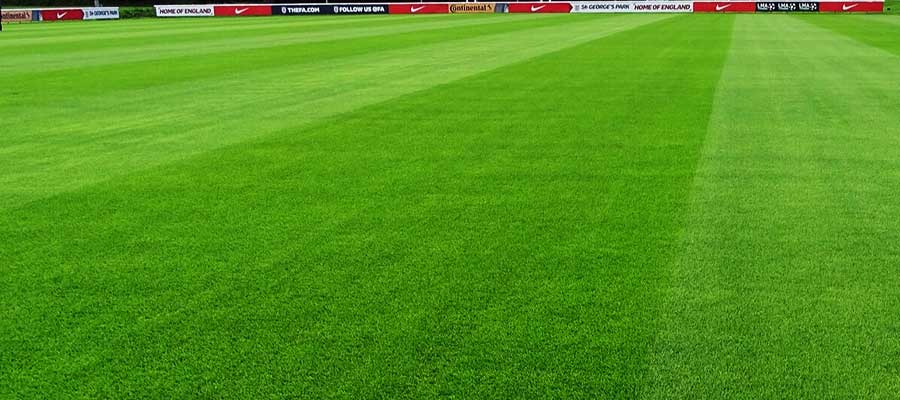
Ο φυσικός χλοοτάπητας παραμένει το παραδοσιακό σημείο αναφοράς για το κορυφαίο ποδόσφαιρο. Πολλά γήπεδα κορυφαίας κατηγορίας εξακολουθούν να προτιμούν το φυσικό χλοοτάπητα επειδή προσφέρει μια ρεαλιστική αίσθηση κύλισης της μπάλας και μια εξαιρετική αθλητική εμπειρία.
Ένα σωστά συντηρημένο γήπεδο φυσικού χλοοτάπητα προσφέρει εξαιρετική πρόσφυση και άνεση. Ωστόσο, η διατήρηση σταθερής απόδοσης είναι εξαιρετικά απαιτητική. Η ποιότητα των γηπέδων ποδοσφαίρου με φυσικό χόρτο εξαρτάται σε μεγάλο βαθμό από το κλίμα, το φως του ήλιου, την άρδευση, την αποστράγγιση και τη συνεχή τεχνογνωσία συντήρησης.
Σύμφωνα με στατιστικά στοιχεία, οι επαγγελματίες φορείς εκμετάλλευσης γηπέδων φυσικού χόρτου συχνά δαπανούν εκατοντάδες χιλιάδες δολάρια ετησίως για συστήματα άρδευσης, φωτισμό ανάπτυξης, εξοπλισμό κοπής, λίπανση και προγράμματα ανάκτησης χλοοτάπητα. Επιπλέον, το φυσικό χόρτο αγωνίζεται επίσης κάτω από βαριά χρήση. Τα περισσότερα γήπεδα φυσικού χλοοτάπητα υψηλής ποιότητας μπορούν να αντέξουν μόνο περιορισμένες εβδομαδιαίες ώρες παιχνιδιού πριν αρχίσει η φθορά. Σε περιβάλλοντα με υψηλή επισκεψιμότητα, όπως σχολεία, δημόσια αθλητικά πάρκα ή ακαδημίες εκπαίδευσης, ο χρόνος αποκατάστασης γίνεται μια σημαντική λειτουργική πρόκληση.
Φυσικό γήπεδο ποδοσφαίρου χόρτο Επισκόπηση
| Κατηγορία | Περιγραφή |
| Κοινό είδος γρασιδιού | Bermuda Grass, Perennial Ryegrass, Kentucky Bluegrass |
| Βάθος ζώνης ριζών | Συνήθως 250-350 mm ριζική ζώνη με βάση την άμμο |
| Σύστημα Αποχέτευσης | Βάση από θραυστή πέτρα με διάτρητους σωλήνες αποστράγγισης; Αυτόματο σύστημα άρδευσης με καταιονισμό |
| Απαιτήσεις Συντήρησης | Τακτικό κούρεμα, άρδευση, λίπανση, αερισμός και ανασπορά |
| Τυπική χωρητικότητα χρήσης | Περίπου 10-20 ώρες παιχνιδιού την εβδομάδα, ανάλογα με το κλίμα και τα πρότυπα συντήρησης. Απαιτεί περιόδους ανάπαυσης για να επιτρέψει την αναγέννηση του χόρτου μετά από εντατική χρήση. |
| Θερμοκρασία επιφάνειας | Σε ζεστό καιρό, το φυσικό γρασίδι μπορεί να παρέχει μια σχετικά άνετη αθλητική επιφάνεια μέσω της διαπνοής |
| Εμπειρία παιχνιδιού | Φυσική συμπεριφορά της μπάλας και αλληλεπίδραση με τον παίκτη, που προτιμάται από πολλούς αθλητές- εξαιρετικό κράτημα και άνετη εμπειρία παιχνιδιού |
| Επιδόσεις καιρού | Μπορεί να επηρεαστεί από έντονες βροχοπτώσεις, ξηρασία και εποχιακές αλλαγές. |
| Καταλληλότητα | Επαγγελματικά γήπεδα και αθλητικές εγκαταστάσεις υψηλής ποιότητας |
| Κύρια πλεονεκτήματα | Η αυθεντική εμπειρία παιχνιδιού, η έντονη οπτική ελκυστικότητα και η περιβαλλοντική αισθητική, την καθιστούν την προτιμώμενη επιφάνεια για πολλούς επαγγελματικούς διαγωνισμούς. |
| Κύριοι περιορισμοί | Σε σύγκριση με τα γήπεδα τεχνητού χλοοτάπητα, υψηλό κόστος συντήρησης, εξάρτηση από τις καιρικές συνθήκες, περιορισμένες ώρες χρήσης και βραδύτερη αποκατάσταση κάτω από βαριά προγράμματα παιχνιδιού |
Τεχνητό Χλοοτάπητα
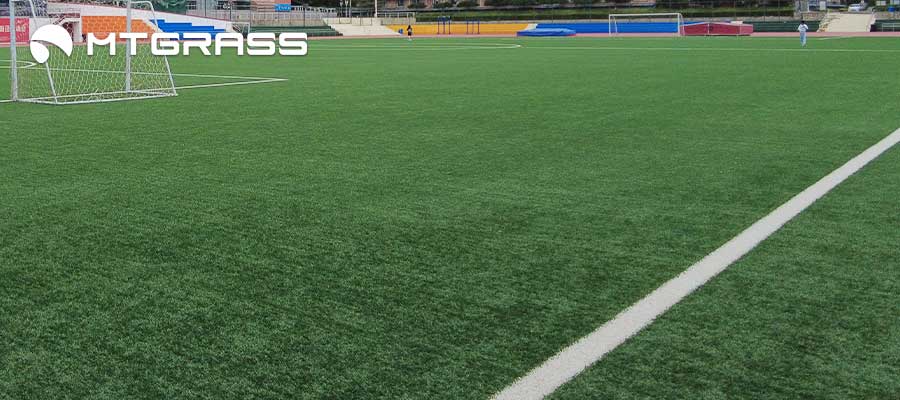
Τεχνητός χλοοτάπητας ποδοσφαίρου έχει εξελιχθεί δραματικά τις τελευταίες δύο δεκαετίες. Τα συστήματα τεχνητού χλοοτάπητα τρίτης γενιάς (3G) έχουν μεταμορφώσει την κατασκευή ποδοσφαιρικών εγκαταστάσεων παγκοσμίως. Η FIFA αναγνωρίζει τον υψηλής ποιότητας χλοοτάπητα ποδοσφαίρου ως βιώσιμη εναλλακτική λύση στο φυσικό χόρτο, όταν τα συστήματα πληρούν Ποιότητα FIFA αυστηρά πρότυπα δοκιμών για την κύλιση της μπάλας, την απορρόφηση κραδασμών, την αντοχή στην περιστροφή και την ανθεκτικότητα.
Ο τεχνητός χλοοτάπητας έχει γίνει ιδιαίτερα δημοφιλής σε περιοχές που αντιμετωπίζουν ελλείψεις νερού, ακραίες καιρικές συνθήκες ή εντατικές απαιτήσεις χρήσης πεδίου.
Ένα τεχνητό γήπεδο ποδοσφαίρου ποιότητας FIFA μπορεί συνήθως να υποστηρίξει σημαντικά υψηλότερες ώρες εβδομαδιαίας χρήσης από το φυσικό χόρτο, διατηρώντας παράλληλα σταθερή απόδοση παιχνιδιού. Αυτός είναι ένας λόγος για τον οποίο οι δήμοι, τα σχολεία, οι ακαδημίες ποδοσφαίρου και τα εμπορικά αθλητικά κέντρα προτιμούν όλο και περισσότερο τα συνθετικά συστήματα.
| Στοιχείο | Τυπικές προδιαγραφές | Γιατί έχει σημασία |
| Ίνες χλοοτάπητα | Νήματα μονόινα PE | Παρέχει μια φυσική εμπειρία παιχνιδιού που μοιάζει με γρασίδι |
| Ύψος στοίβας | 40-60 mm | Υποστηρίζει τον έλεγχο της μπάλας και την κίνηση του παίκτη |
| Infill | Άμμος και πλήρωση επιδόσεων TPE/EPDM | Σταθεροποιεί τις ίνες και επηρεάζει την παικτικότητα της επιφάνειας |
| Μαξιλάρι κλονισμού | 10-20mm ελαστικό στρώμα απορρόφησης | Βελτιώνει την άνεση και την απορρόφηση κραδασμών |
| Υποστήριξη | Υποστήριξη PU ή λατέξ | Ενισχύει τη δομική σταθερότητα και ανθεκτικότητα |
| Σύστημα Αποχέτευσης | Κατασκευή βάσης υψηλής διαπερατότητας | Επιτρέπει την ταχεία αποστράγγιση μετά από βροχή |
| Ρόλος μπάλας | 4-10 m (FIFA) | Εξασφαλίζει ρεαλιστική απόδοση ποδοσφαίρου |
| Απορρόφηση κραδασμών | 55-70% (FIFA) | Βοηθά στη μείωση της κόπωσης του παίκτη και του στρες από την πρόσκρουση |
| Κατακόρυφη παραμόρφωση | 4-11 mm (FIFA) | Εξισορροπεί την αντικραδασμική προστασία και τη σταθερότητα |
| Οφελος | Μειωμένο λειτουργικό κόστος, μεγαλύτερη διάρκεια ζωής, ελάχιστος χρόνος διακοπής λειτουργίας, έως και 60+ ώρες/εβδομάδα και σταθερή συμπεριφορά της σφαίρας | |
| Εφαρμοστέα σενάρια | Ακαδημίες ποδοσφαίρου, κοινοτικά αθλητικά κέντρα, σχολικά γήπεδα ποδοσφαίρου, εμπορικές εγκαταστάσεις πολλαπλών χρήσεων, περιοχές με περιορισμούς νερού, περιβάλλοντα προπόνησης υψηλής συχνότητας | |
MightyGrass FIFA-πιστοποιημένα συστήματα χλοοτάπητα ποδοσφαίρου είναι κατασκευασμένα με δομές νήματα υψηλής πυκνότητας, ενισχυμένη υποστήριξη, και προηγμένα πολυμερή ανθεκτικά στην υπεριώδη ακτινοβολία σχεδιασμένα για μακροχρόνια αντοχή σε εξωτερικούς χώρους. Οι εσωτερικές δυνατότητες παραγωγής μας - συμπεριλαμβανομένης της εξώθησης νημάτων, της φουντωτής τοποθέτησης και του υποστρώματος - συμβάλλουν στη διασφάλιση μεγαλύτερης ποιοτικής συνέπειας σε έργα ποδοσφαίρου μεγάλης κλίμακας. Για έργα με θερμό κλίμα, η MightyGrass προσφέρει επίσης εξειδικευμένες τεχνολογίες νημάτων που έχουν σχεδιαστεί για να μειώνουν τη συσσώρευση θερμότητας στην επιφάνεια και τη συσσώρευση στατικού ηλεκτρισμού, δημοφιλείς στη Μέση Ανατολή και σε άλλες τροπικές αγορές.
Ωστόσο, οι ιδιοκτήτες έργων ή οι εργολάβοι μπορούν επίσης να εξετάσουν το αρχικό κόστος εγκατάστασης τεχνητού χλοοτάπητα ή τη δυνατότητα ανακύκλωσής του μετά τη διάθεσή του. Η MightyGrass έχει επίσης δρομολογήσει το ανακυκλώσιμο γρασίδι MT-ERET σειρά τεχνητού χλοοτάπητα για την υποστήριξη μιας πιο βιώσιμης ανάπτυξης αθλητικών υποδομών.
Υβριδικό γρασίδι
Τα υβριδικά συστήματα ποδοσφαίρου συνδυάζουν φυσικό χόρτο (~95%) με συνθετικές ίνες ενίσχυσης (~5%). Ο στόχος είναι να βελτιωθεί η ανθεκτικότητα, διατηρώντας παράλληλα την αίσθηση και την εμφάνιση του πραγματικού χόρτου.
Για παράδειγμα, πολλά επαγγελματικά γήπεδα, όπως το στάδιο MetLife για το Παγκόσμιο Κύπελλο 2026 και η Ρεάλ Μαδρίτης, ένας κορυφαίος ευρωπαϊκός ποδοσφαιρικός σύλλογος, χρησιμοποιούν το σύστημα Hybrid Grass. Αυτά τα γήπεδα χρησιμοποιούν μια τεχνολογία "ραμμένων ινών", ράβοντας εκατομμύρια πολυμερείς ίνες απευθείας στο στρώμα της ρίζας του γρασιδιού για να βελτιώσουν την αντοχή στο ποδοπάτημα και το σχίσιμο.
Στα υβριδικά συστήματα, οι συνθετικές ίνες ενσωματώνονται στη ζώνη ριζών για να σταθεροποιήσουν τον φυσικό χλοοτάπητα. Πολλά ελίτ γήπεδα χρησιμοποιούν αυτή την προσέγγιση, επειδή βοηθά τα γήπεδα να αντέξουν τη χρήση σε επαγγελματικό επίπεδο χωρίς να χάσουν τα χαρακτηριστικά του φυσικού χλοοτάπητα.
Τα υβριδικά γήπεδα συναντώνται συνήθως σε επαγγελματικά στάδια, κέντρα προπόνησης ελίτ και χώρους τουρνουά υψηλού προφίλ.
Σε σύγκριση με το τυπικό φυσικό γρασίδι, τα υβριδικά συστήματα προσφέρουν:
- Ενισχυμένη αντοχή στην τριβή
- Βελτιωμένη σταθερότητα των ριζών του χόρτου
- Ταχύτερη ανάκαμψη μετά από αγώνες
- Διατηρεί την αίσθηση του φυσικού χλοοτάπητα, παρέχοντας πιο σταθερή απόδοση κύλισης και αναπήδησης, με αποτέλεσμα πιο σταθερή ποιότητα παιχνιδιού
Ωστόσο, τα υβριδικά συστήματα εξακολουθούν να απαιτούν προηγμένη γεωπονική διαχείριση και επαγγελματικές ομάδες συντήρησης. Το κόστος εγκατάστασης είναι επίσης σημαντικά υψηλότερο από τα τυπικά συστήματα χλοοτάπητα ποδοσφαίρου.
Ενώ η FIFA δηλώνει ότι η τεχνολογία ενίσχυσης υβριδικού χλοοτάπητα είναι κατάλληλη για αγώνες υψηλότερου επιπέδου, για τα περισσότερα δημοτικά και εμπορικά έργα, η απόδοση της επένδυσης για υβριδικά συστήματα χλοοτάπητα είναι γενικά χαμηλότερη σε σύγκριση με συστήματα τεχνητού χλοοτάπητα υψηλής ποιότητας. Αυτό οφείλεται στο γεγονός ότι εξακολουθούν να απαιτούν άρδευση, κούρεμα, λίπανση και επαγγελματική διαχείριση του χλοοτάπητα.
Επιφάνειες ποδοσφαίρου εσωτερικού χώρου για Futsal ή χρήση πολλαπλών χρήσεων
Οι εγκαταστάσεις κλειστού ποδοσφαίρου και φούτσαλ απαιτούν διαφορετικές εκτιμήσεις για την επιφάνεια από ό,τι τα γήπεδα εξωτερικού χώρου. Δεδομένου ότι αυτοί οι χώροι υποστηρίζουν συνήθως τη λειτουργία όλο το χρόνο ή τη χρήση πολλαπλών αθλημάτων, το σύστημα δαπέδου πρέπει να εξισορροπεί την πρόσφυση, την άνεση, την ανθεκτικότητα και την αποτελεσματικότητα της συντήρησης.
Εσωτερική τεχνητό χλοοτάπητα
Εσωτερική τεχνητό χλοοτάπητα χρησιμοποιείται ευρέως για 5-a-side ποδοσφαίρου, κέντρα ποδοσφαίρου αναψυχής, εγκαταστάσεις κατάρτισης, ακαδημίες νέων, και εμπορικές εσωτερικές αρένες ποδοσφαίρου.
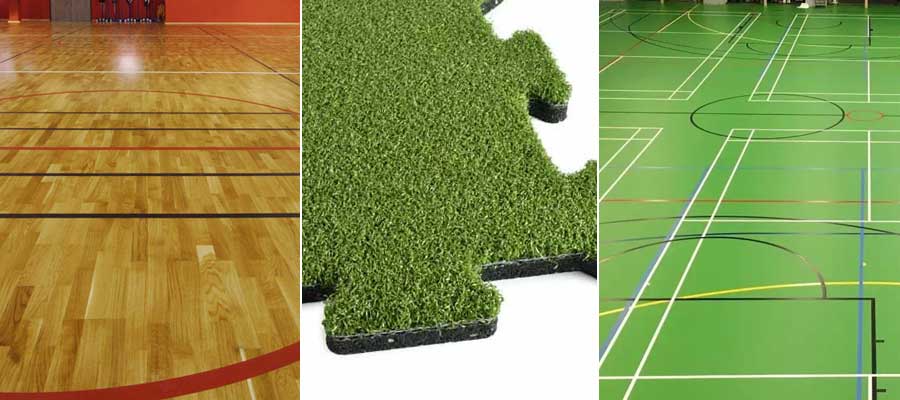
Σε σύγκριση με τα υπαίθρια συστήματα, ο χλοοτάπητας ποδοσφαίρου εσωτερικών χώρων χρησιμοποιεί συνήθως μικρότερα ύψη πασσάλων (20 mm έως 40 mm) και χαμηλότερη πλήρωση ή τεχνητό γρασίδι χωρίς πλήρωση. Η επιφάνεια έχει σχεδιαστεί για να υποστηρίζει την γρήγορη κίνηση, μειώνοντας παράλληλα τους τραυματισμούς από τριβή.
Η MightyGrass παρέχει επίσης προσαρμοσμένα συστήματα χλοοτάπητα εσωτερικών χώρων με επωνυμία OEM, συμπαγή συσκευασία ρολού και προσαρμοσμένες διαμορφώσεις πυκνότητας για διανομείς και αθλήματα. πεδίο εργολάβους παγκοσμίως.
Futsal ξύλινο δάπεδο
Τα ξύλινα δάπεδα παραμένουν μία από τις επιφάνειες με τις υψηλότερες επιδόσεις για επαγγελματικές αίθουσες φούτσαλ και κλειστές αίθουσες άθλησης.
Για αθλητικά δάπεδα χρησιμοποιούνται συνήθως υψηλής ποιότητας δάπεδα από σφενδάμι ή μηχανικό ξύλο, τα οποία έχουν τα ακόλουθα πλεονεκτήματα:
- Εξαιρετική ανάκρουση μπάλας
- Σταθερή πρόσφυση
- Ισχυρή απορρόφηση κραδασμών
- Γρήγορη ανταπόκριση στο παιχνίδι
Τα ξύλινα συστήματα χρησιμοποιούνται ευρέως σε κλειστούς αθλητικούς χώρους για την ελίτ, επειδή υποστηρίζουν πολλά αθλήματα πέρα από το φούτσαλ, όπως το μπάσκετ και το βόλεϊ.
Το μειονέκτημα είναι το κόστος. Τα ξύλινα αθλητικά δάπεδα απαιτούν υψηλότερη αρχική επένδυση και επαγγελματική εγκατάσταση. Η μακροπρόθεσμη συντήρηση είναι επίσης πιο απαιτητική από τις εναλλακτικές λύσεις συνθετικού χλοοτάπητα.
Ακρυλικές επιφάνειες
Οι ακρυλικές επιφάνειες συναντώνται συνήθως σε γυμναστήρια πολλαπλών χρήσεων. Προσφέρουν ένα ευρύ φάσμα χρωμάτων και διακοσμητικών επιλογών για τους αθλητικούς σας χώρους. Αυτή η αθλητική επιφάνεια είναι ιδιαίτερα κατάλληλη για μικρά γήπεδα και αθλητικές εγκαταστάσεις πολλαπλών χρήσεων, καθώς οι αντιολισθητικές της ιδιότητες εξασφαλίζουν ένα ασφαλές περιβάλλον παιχνιδιού.
Modular Interlocking Αθλητικό χλοοτάπητα
Τα δομοστοιχειωτά αθλητικά πλακίδια PP ή TPE χρησιμοποιούνται όλο και περισσότερο για εσωτερικά και ημιυπαίθρια γήπεδα ποδοσφαίρου λόγω της ευελιξίας τους στην εγκατάσταση.
Εάν χρησιμοποιείτε προσωρινές αθλητικές εκδηλώσεις, επιτρέπει τη γρήγορη εγκατάσταση και απλοποιεί την αντικατάσταση κατεστραμμένων τμημάτων.
Τα υψηλής ποιότητας αρθρωτά συστήματα προσφέρουν επίσης εξαιρετική αποστράγγιση, αντοχή στην υπεριώδη ακτινοβολία και απορρόφηση κραδασμών. Είναι ιδιαίτερα πρακτικά για προσωρινές εφαρμογές με περιορισμένο προϋπολογισμό.
Ποιος τύπος επιφάνειας είναι κατάλληλος για το γήπεδο ποδοσφαίρου σας;
Πολλοί φορείς και εργολάβοι αναρωτιούνται: "Ποιος τύπος επιφάνειας γηπέδου είναι ο καλύτερος για το γήπεδό μου;" Το "καλύτερο" γήπεδο ποδοσφαίρου εξαρτάται πάντα από τους λειτουργικούς στόχους του χώρου σας.
Η MightyGrass πιστεύει ότι για τα δημόσια αθλητικά κέντρα που στοχεύουν στη μεγιστοποίηση της διάρκειας ζωής του γηπέδου, η ανθεκτικότητα και το χαμηλό κόστος συντήρησης θα πρέπει να έχουν προτεραιότητα. Σε αυτή την περίπτωση, ο χλοοτάπητας ποδοσφαίρου FIFA προσφέρει συχνά την καλύτερη μακροπρόθεσμη αξία.
Παρακάτω, παρέχουμε μια απλή ταξινόμηση των επιφανειών γηπέδων με βάση τον τύπο του γηπέδου ποδοσφαίρου για την αναφορά σας.
| Τύπος αθλητικού γηπέδου | Φυσικό γρασίδι | Τεχνητό Χλοοτάπητα | Υβριδικό χλοοτάπητα | Ξύλινο δάπεδο | Ακρυλικό | Modular χλοοτάπητα | Βασικά χαρακτηριστικά |
| Παγκόσμιο Κύπελλο FIFA | ✓ | ✓ | Φυσική συμπεριφορά της μπάλας και αλληλεπίδραση με τον παίκτη, που προτιμάται από πολλούς αθλητές- εξαιρετικό κράτημα και άνετη εμπειρία παιχνιδιού | ||||
| Επαγγελματικό γήπεδο ποδοσφαίρου | ✓ | ✓ | ✓ | Συμμόρφωση FIFA/UEFA, υψηλή απόδοση, μεγάλη διάρκεια ζωής | |||
| Ερασιτεχνικό γήπεδο ποδοσφαίρου | ✓ | Χαμηλό κόστος συντήρησης, κατάλληλο για χρήση όλο το χρόνο | |||||
| Πεδίο Παιδικής & Εκπαίδευσης | ✓ | ✓ | ✓ | Μαλακή επιφάνεια, μειώνει τον κίνδυνο τραυματισμού, ασφαλής και ευέλικτη χρήση | |||
| Αθλητικό γήπεδο πολλαπλών χρήσεων | ✓ | ✓ | ✓ | Κατάλληλο για διάφορα αθλήματα, αντιολισθητική και ανθεκτική επιφάνεια | |||
| Σχολικό αθλητικό γήπεδο | ✓ | ✓ | ✓ | Μακράς διαρκείας, εύκολο στη συντήρηση, διακοσμητικό με επιλογές χρωμάτων | |||
| Προσωρινές εκδηλώσεις | ✓ | Επιτρέπει τη γρήγορη εγκατάσταση και απλοποιεί την αντικατάσταση κατεστραμμένων εξαρτημάτων. |
Σημείωμα: ✓ υποδεικνύει τον προτιμώμενο ή συνιστώμενο τύπο επιφάνειας. Τα κενά κελιά υποδεικνύουν επιφάνειες που δεν χρησιμοποιούνται συνήθως ή δεν συνιστώνται για τον συγκεκριμένο τύπο χώρου.
Πώς να επιλέξετε τη σωστή επιφάνεια γηπέδου ποδοσφαίρου;
Η επιλογή της σωστής επιφάνειας ποδοσφαίρου απαιτεί εξισορρόπηση των επιδόσεων, του κλίματος, του προϋπολογισμού και της μακροπρόθεσμης στρατηγικής λειτουργίας. Έχουμε παραθέσει τον ακόλουθο παράγοντα για την αναφορά σας:
Για επαγγελματικούς αγώνες: Συνιστούμε τη χρήση χώρων εγκεκριμένων από τη FIFA ή την UEFA.
Συχνότητα χρήσης: Ένα πεδίο που λειτουργεί 50-80 ώρες εβδομαδιαίως απαιτεί πολύ διαφορετικά χαρακτηριστικά ανθεκτικότητας από μια ελαφρώς χρησιμοποιούμενη ιδιωτική εγκατάσταση. Τα συστήματα τεχνητού χλοοτάπητα γενικά υπερτερούν έναντι του φυσικού χλοοτάπητα σε συνθήκες εντατικής χρήσης.
Κλιματικές συνθήκες: Η ακραία ζέστη, η έλλειψη νερού ή οι παρατεταμένες βροχοπτώσεις μπορούν να επηρεάσουν δραματικά την απόδοση της επιφάνειας και τις απαιτήσεις συντήρησης. Ο ανθεκτικός σε όλες τις καιρικές συνθήκες τεχνητός χλοοτάπητας είναι η καλύτερη επιλογή σας.
Πόροι συντήρησης: Φυσικά και υβριδικά συστήματα απαιτούν επαγγελματικές ομάδες συντήρησης. Ο τεχνητός χλοοτάπητας μειώνει σημαντικά την κατανάλωση νερού, το κούρεμα, τη λίπανση και τον χρόνο διακοπής της λειτουργίας αποκατάστασης.
Ασφάλεια παικτών: Τα μαξιλαράκια κρούσης, η συνοχή της πρόσφυσης και η σταθερότητα της επιφάνειας επηρεάζουν άμεσα τον κίνδυνο τραυματισμού. Τα πιστοποιημένα από τη FIFA συστήματα υποβάλλονται σε αυστηρές δοκιμές πεδίου για να πληρούν αυτές τις απαιτήσεις ασφαλείας.
Προϋπολογισμός έργου: Το κόστος αρχικής εγκατάστασης έχει σημασία, αλλά το κόστος του κύκλου ζωής έχει ακόμη μεγαλύτερη σημασία. Μακροπρόθεσμα, τα φθηνά συστήματα τεχνητού χλοοτάπητα μπορεί να είναι πιο ακριβά από τα υψηλής ποιότητας συστήματα τεχνητού χλοοτάπητα με χαμηλότερο λειτουργικό κόστος.
MightyGrass βοηθά τους εταίρους παγκοσμίως να αναπτύξουν επαγγελματικές εγκαταστάσεις ποδοσφαίρου με προσαρμοσμένες λύσεις αθλητικού χλοοτάπητα σχεδιασμένες για πραγματικές επιδόσεις. Από τον πιστοποιημένο από τη FIFA χλοοτάπητα ποδοσφαίρου έως τα συστήματα δαπέδου futsal εσωτερικού χώρου, η ομάδα μας υποστηρίζει διανομείς, εργολάβους, κατασκευαστές αθλητικών εγκαταστάσεων και κατασκευαστές εγκαταστάσεων με προσαρμογή OEM, τεχνική καθοδήγηση και παγκόσμια εμπειρία σε έργα.
Σύναψη
Η επιλογή της σωστής επιφάνειας γηπέδου ποδοσφαίρου εξαρτάται από τους στόχους του έργου σας, τον προϋπολογισμό, τις απαιτήσεις χρήσης και τις δυνατότητες συντήρησης.
Το φυσικό χόρτο εξακολουθεί να προσφέρει την παραδοσιακή εμπειρία του επαγγελματικού ποδοσφαίρου, ενώ τα υβριδικά συστήματα κυριαρχούν σε πολλά γήπεδα της ελίτ. Ωστόσο, για τις περισσότερες σύγχρονες αθλητικές εγκαταστάσεις, ο πιστοποιημένος από τη FIFA τεχνητός χλοοτάπητας παρέχει τον πιο πρακτικό συνδυασμό ανθεκτικότητας, σταθερής απόδοσης, χαμηλής συντήρησης και δυνατότητας χρήσης καθ' όλη τη διάρκεια του έτους.
Καθώς η συμμετοχή στο ποδόσφαιρο συνεχίζει να αυξάνεται παγκοσμίως, οι ιδιοκτήτες έργων επιλέγουν όλο και περισσότερο προηγμένα συστήματα τεχνητού χλοοτάπητα που προσφέρουν καλύτερη αξία κύκλου ζωής, βιωσιμότητα και προσαρμοστικότητα στο κλίμα.
Εάν σχεδιάζετε ένα έργο γηπέδου ποδοσφαίρου και θέλετε υποστήριξη από ειδικούς για την επιλογή του σωστού συστήματος επιφάνειας. Επικοινωνήστε με τη MightyGrass, μάθετε για το αθλητικός χλοοτάπητας λύσεις και τις καλύτερες τιμές πεδίου.
FAQ
Είναι ο τεχνητός χλοοτάπητας καλύτερος από το φυσικό χόρτο για το ποδόσφαιρο;
Τεχνητός χλοοτάπητας και φυσικό χόρτο έχουν πλεονεκτήματα.
Το φυσικό χόρτο προσφέρει μια παραδοσιακή εμπειρία παιχνιδιού και χαμηλότερες θερμοκρασίες επιφάνειας. Ωστόσο, απαιτεί σημαντική συντήρηση, άρδευση και χρόνο αποκατάστασης.
Ο τεχνητός χλοοτάπητας παρέχει δυνατότητα αναπαραγωγής όλο το χρόνο, εξαιρετική ανθεκτικότητα και χαμηλότερο κόστος λειτουργίας. Τα πιστοποιημένα από τη FIFA συστήματα χλοοτάπητα ποδοσφαίρου έχουν σχεδιαστεί για να αναπαράγουν πιστά την απόδοση του φυσικού χλοοτάπητα, ενώ υποστηρίζουν πολύ βαρύτερη χρήση.
Πόσο διαρκεί ένα τεχνητό γήπεδο ποδοσφαίρου;
Ένα υψηλής ποιότητας τεχνητό γήπεδο ποδοσφαίρου διαρκεί συνήθως μεταξύ 8 και 15 ετών, ανάλογα με την κυκλοφορία των παικτών, τις πρακτικές συντήρησης, τις κλιματικές συνθήκες και την ποιότητα του χλοοτάπητα. Τα επαγγελματικής ποιότητας συστήματα με πιστοποίηση FIFA παρέχουν γενικά μεγαλύτερη διάρκεια ζωής.
Τι είναι ο πιστοποιημένος από τη FIFA τεχνητός χλοοτάπητας;
Ο πιστοποιημένος από τη FIFA τεχνητός χλοοτάπητας αναφέρεται σε συστήματα ποδοσφαιρικού χλοοτάπητα που έχουν περάσει το πρόγραμμα ποιοτικών δοκιμών της FIFA. Αυτές οι δοκιμές αξιολογούν παράγοντες όπως η κύλιση της μπάλας, η απορρόφηση κραδασμών, η αντίσταση στην περιστροφή, η κάθετη παραμόρφωση και η ασφάλεια των παικτών.
Επιπλέον, η πιστοποίηση της FIFA δεν ισχύει για μεμονωμένες ίνες χόρτου, αλλά για ολόκληρο το σύστημα τεχνητού χλοοτάπητα, το οποίο συνήθως περιλαμβάνει τεχνητό χλοοτάπητα, κόκκους πλήρωσης, πυριτική άμμο, μαξιλάρια κρούσης και το στρώμα βάσης. Αυτά τα στοιχεία πρέπει να ελέγχονται ως σύνολο.
Τι είναι το υβριδικό γρασίδι στα γήπεδα ποδοσφαίρου;
Το υβριδικό γρασίδι συνδυάζει φυσικό γρασίδι με συνθετικές ίνες ενίσχυσης ενσωματωμένες στη ζώνη ριζών. Αυτό το σύστημα βελτιώνει την ανθεκτικότητα, διατηρώντας παράλληλα την εμφάνιση και τα χαρακτηριστικά παιχνιδιού του φυσικού χλοοτάπητα.
Πολλά επαγγελματικά γήπεδα ποδοσφαίρου χρησιμοποιούν υβριδικά συστήματα επειδή μπορούν να αντέξουν υψηλότερα επίπεδα χρήσης από τα παραδοσιακά γήπεδα φυσικού χόρτου.
Ποια επιφάνεια ποδοσφαίρου είναι η καλύτερη για σχολεία και προπονητικές εγκαταστάσεις;
Για σχολεία, ακαδημίες ποδοσφαίρου και κέντρα εκπαίδευσης, τεχνητός χλοοτάπητας είναι συνήθως η πιο αποδοτική επιλογή.
Επιτρέπει τη συνεχή χρήση καθ' όλη τη διάρκεια του έτους, αποδίδει καλά σε διαφορετικές καιρικές συνθήκες και ελαχιστοποιεί το κόστος συντήρησης. Μπορείτε να επιλέξετε συνθετικό χλοοτάπητα ποιότητας FIFA επειδή υποστηρίζει εντατικά καθημερινά προγράμματα προπόνησης.
Ποια είναι η καλύτερη επιφάνεια ποδοσφαίρου εσωτερικού χώρου;
Η καλύτερη επιφάνεια ποδοσφαίρου εσωτερικού χώρου εξαρτάται από την κύρια χρήση της εγκατάστασης.
Εσωτερική τεχνητό χλοοτάπητα είναι δημοφιλής για ψυχαγωγικά κέντρα ποδοσφαίρου και εγκαταστάσεις κατάρτισης. Τα γυμναστήρια πολλαπλών χρήσεων συχνά προτιμούν να χρησιμοποιούν αθλητικό ξύλινο δάπεδο επειδή παρέχει εξαιρετική αναπήδηση της μπάλας και γρήγορο ρυθμό παιχνιδιού.
Ο τεχνητός χλοοτάπητας ζεσταίνεται το καλοκαίρι;
Ναι. Ο τεχνητός χλοοτάπητας μπορεί να θερμανθεί σημαντικά περισσότερο από το φυσικό γρασίδι κατά την άμεση έκθεση στο ηλιακό φως.
Για την αντιμετώπιση αυτού του ζητήματος, οι τεχνολογίες ψύξης MightyGrass, τα ανακλαστικά συστήματα νημάτων και οι δομές ινών που μειώνουν τη θερμότητα έχουν σχεδιαστεί για να μειώνουν τις επιφανειακές θερμοκρασίες σε θερμά κλίματα.
Τι πρέπει να λάβω υπόψη μου όταν επιλέγω μια επιφάνεια γηπέδου ποδοσφαίρου;
Όταν επιλέγετε μια επιφάνεια γηπέδου ποδοσφαίρου, λάβετε υπόψη:
- Αναμενόμενες ώρες χρήσης
- Κλιματικές συνθήκες
- Πόροι συντήρησης
- Προϋπολογισμός εγκατάστασης
- Μακροπρόθεσμο λειτουργικό κόστος
- Απαιτήσεις ασφάλειας παικτών
- Πρότυπα της FIFA ή του αθλητικού οργανισμού
- Ανάγκες εφαρμογής σε εσωτερικούς ή εξωτερικούς χώρους
Τα πιο επιτυχημένα έργα ποδοσφαίρου αξιολογούν τόσο την αρχική επένδυση όσο και το συνολικό κόστος του κύκλου ζωής πριν λάβουν την τελική απόφαση.


