
 العربية
  English
  Español
  Deutsch
  Français
  Português
  Русский
  日本語
日本語  Italiano
  Nederlands
  Svenska
  Suomi
Suomi  ไทย
ไทย  Dansk
Dansk  Ελληνικά
  Bahasa Melayu
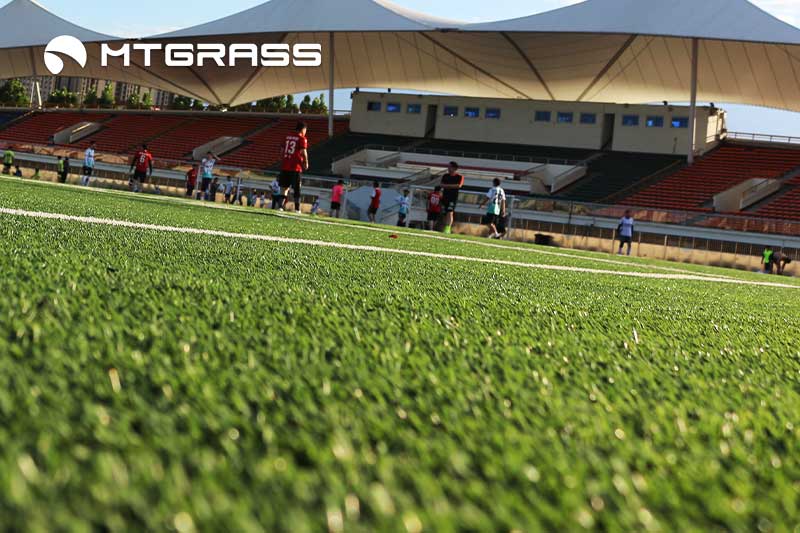
لم يعد اختيار الأرضية المناسبة لملعب كرة القدم يقتصر على المظهر فحسب. فسواء كنت تخطط لإنشاء ملعب احترافي، أو مركز مجتمعي لكرة القدم، أو ملعب تدريبي مدرسي، أو صالة كرة قدم صالات داخلية، فإن الأرضية تؤثر بشكل مباشر على أداء اللاعبين، والوقاية من الإصابات، وتكاليف الصيانة، والعائد على الاستثمار على المدى الطويل.
يقدم هذا الدليل شرحاً مفصلاً لأهم أنواع أسطح ملاعب كرة القدم المستخدمة حالياً، بما في ذلك مزاياها وعيوبها وخصائصها الفنية، بالإضافة إلى أفضل السيناريوهات لاستخدامها. ونأمل أن يكون هذا الدليل مفيداً لكم في اختيار السطح المناسب لمشروع ملعب كرة القدم الذي تعملون عليه.
تتعاون شركة MightyGrass مع مقاولي ملاعب كرة القدم ومطوري المنشآت الرياضية والموزعين والشركات الهندسية في جميع أنحاء العالم لتقديم عشب كرة القدم المعتمد من الاتحاد الدولي لكرة القدم (FIFA) أنظمة مصممة لتناسب مختلف الظروف المناخية والميزانيات ومتطلبات الاستخدام. بدءًا من الملاعب الخارجية الاحترافية وصولاً إلى مرافق كرة الصالات الداخلية المدمجة، يُعد اختيار نظام الأرضية المناسب أمرًا ضروريًا لنجاح المشروع على المدى الطويل. اتصل بنا الآن وستحصل على سعر تنافسي من المصنع بالإضافة إلى عينات من العشب الصناعي المعتمد من الفيفا
أنواع أسطح ملاعب كرة القدم المعتمدة من الفيفا
تُصنف ملاعب كرة القدم الاحترافية وشبه الاحترافية عمومًا إلى ثلاثة أنواع: العشب الطبيعي، والعشب الصناعي، وأنظمة العشب المختلط. ويقوم برنامج الجودة التابع للفيفا بتقييم هذه الملاعب بناءً على سلامة اللاعبين، وخصائص حركة الكرة، والمتانة، واستقرار الأداء. ويخدم كل خيار أهدافًا مختلفة للمشروع، وقدرات صيانة متنوعة، وظروف مباريات متباينة.
العشب الطبيعي
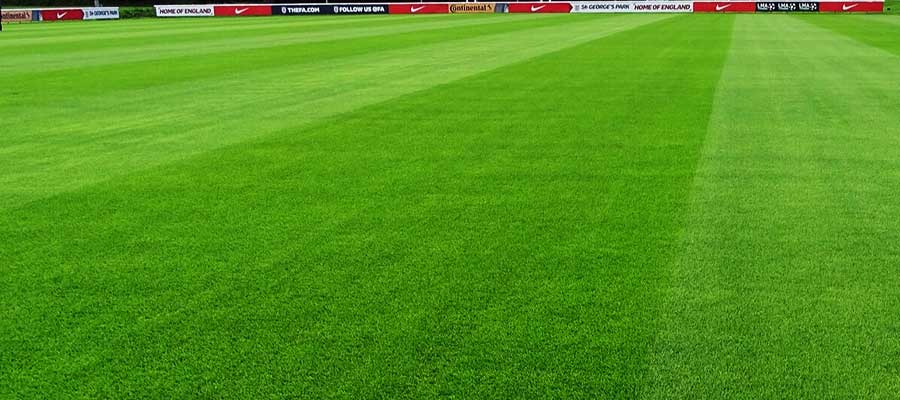
لا يزال العشب الطبيعي هو المعيار التقليدي لكرة القدم على مستوى النخبة. ولا تزال العديد من الملاعب رفيعة المستوى تفضل العشب الطبيعي لأنه يوفر إحساسًا واقعيًا بتدحرج الكرة وتجربة رياضية استثنائية.
يوفر ملعب العشب الطبيعي الذي يتم صيانته بشكل سليم ثباتًا ممتازًا وراحةً فائقة. ومع ذلك، فإن الحفاظ على أداء ثابت يمثل تحديًا كبيرًا. وتعتمد جودة ملاعب كرة القدم ذات العشب الطبيعي بشكل كبير على المناخ، وأشعة الشمس، والري، والصرف، والخبرة في الصيانة المستمرة.
ووفقًا للإحصاءات، غالبًا ما ينفق مشغلو الملاعب ذات العشب الطبيعي المحترفون مئات الآلاف من الدولارات سنويًّا على أنظمة الري، وإضاءة النمو، ومعدات القص، والتسميد، وبرامج إعادة تأهيل العشب. علاوة على ذلك، يتعرض العشب الطبيعي أيضًا لمشاكل جراء الاستخدام المكثف. فمعظم الملاعب العشبية الطبيعية عالية الجودة لا يمكنها تحمل سوى عدد محدود من ساعات اللعب الأسبوعية قبل أن يبدأ تدهور حالتها. وفي البيئات التي تشهد حركة مرور كثيفة، مثل المدارس والمتنزهات الرياضية العامة أو أكاديميات التدريب، يصبح وقت استعادة العشب تحديًا تشغيليًا كبيرًا.
نظرة عامة على ملعب كرة القدم ذي العشب الطبيعي
| فئة | وصف |
| أنواع الأعشاب الشائعة | عشب برمودا، عشب الريجراس المعمر، عشب كنتاكي الأزرق |
| عمق منطقة الجذور | عادةً ما تتراوح منطقة الجذور الرملية بين 250 و350 ملم |
| نظام الصرف الصحي | قاعدة من الحصى مع أنابيب تصريف مثقبة؛ نظام ري آلي بالرش |
| متطلبات الصيانة | القص المنتظم، والري، والتسميد، والتهوية، وإعادة البذر |
| السعة الاستخدامية النموذجية | ما يقارب 10–20 ساعة لعب أسبوعيًا، اعتمادًا على المناخ ومعايير الصيانة؛ ويتطلب فترات راحة لإتاحة تجدد العشب بعد الاستخدام المكثف |
| درجة حرارة السطح | في الطقس الحار، يمكن للعشب الطبيعي أن يوفر سطحًا رياضيًّا مريحًا نسبيًّا بفضل عملية التبخر |
| تجربة اللعب | السلوك الطبيعي للكرة والتفاعل مع اللاعب، وهو ما يفضله العديد من الرياضيين؛ قبضة ممتازة وتجربة لعب مريحة |
| أداء الطقس | قد تتأثر بالأمطار الغزيرة والجفاف والتغيرات الموسمية |
| الملاءمة | الملاعب الاحترافية، والمرافق الرياضية الفاخرة |
| المزايا الرئيسية | تجربة لعب أصيلة، وجاذبية بصرية قوية، وجماليات بيئية، كل ذلك يجعلها السطح المفضل في العديد من المسابقات الاحترافية |
| القيود الرئيسية | بالمقارنة مع الملاعب ذات العشب الصناعي، فإنها تتسم بارتفاع تكاليف الصيانة، والتأثر بالظروف الجوية، ومحدودية ساعات الاستخدام، وبطء التعافي في ظل جداول المباريات المكثفة |
العشب الصناعي
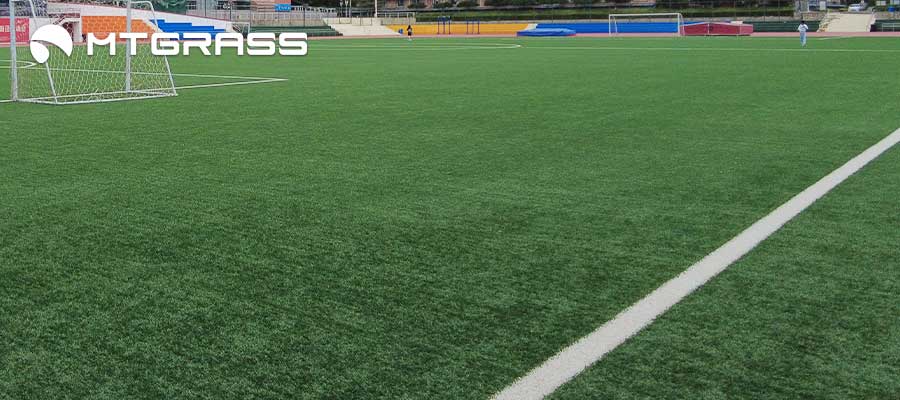
العشب الصناعي لكرة القدم وقد شهدت تطوراً هائلاً على مدار العقدين الماضيين. فقد أحدثت أنظمة العشب الصناعي من الجيل الثالث (3G) تحولاً جذرياً في بناء مرافق كرة القدم في جميع أنحاء العالم. وتعترف الفيفا بأن العشب الصناعي عالي الجودة يُعد بديلاً عملياً للعشب الطبيعي عندما تستوفي هذه الأنظمة جودة الفيفا معايير اختبار صارمة تتعلق بتدحرج الكرة، وامتصاص الصدمات، ومقاومة الدوران، والمتانة.
أصبح العشب الصناعي شائعًا بشكل خاص في المناطق التي تعاني من نقص المياه، أو الظروف الجوية القاسية، أو متطلبات الاستخدام المكثف للملاعب.
يمكن لملعب كرة القدم الاصطناعي الذي يفي بمعايير الفيفا أن يتحمل عادةً ساعات استخدام أسبوعية أعلى بكثير مقارنةً بالعشب الطبيعي، مع الحفاظ في الوقت نفسه على أداء لعب ثابت. وهذا أحد الأسباب التي تجعل البلديات والمدارس وأكاديميات كرة القدم والمراكز الرياضية التجارية تفضل بشكل متزايد الأنظمة الاصطناعية.
| العنصر | المواصفات النموذجية | ما أهمية ذلك |
| ألياف العشب | خيوط أحادية البولي إيثيلين البولي إيثيلين | يوفر تجربة لعب تشبه العشب الطبيعي |
| ارتفاع الكومة | 40-60 مم | يساعد على التحكم في الكرة وحركة اللاعبين |
| الحشو | حشو رمل وحشو من مادة TPE/EPDM عالي الأداء | يعزز ثبات الألياف ويؤثر على قابلية اللعب على السطح |
| وسادة الصدمات | طبقة توسيد مرنة بسماكة 10-20 مم | يعزز الراحة وامتصاص الصدمات |
| دعم | طبقة سفلية من البولي يوريثان أو اللاتكس | يعزز الاستقرار الهيكلي والمتانة |
| نظام الصرف الصحي | هيكل أساسي عالي النفاذية | يتيح تصريف المياه بسرعة بعد هطول الأمطار |
| تدحرج الكرة | 4–10 أمتار (الفيفا) | يضمن أداءً كرويًا واقعيًّا |
| امتصاص الصدمات | 55–70% (الفيفا) | يساعد على تقليل إجهاد اللاعبين والضغط الناتج عن الصدمات |
| التشوه العمودي | 4–11 ملم (الفيفا) | يوازن بين التوازن والاستقرار |
| فائدة | تكاليف تشغيل منخفضة، وعمر خدمة أطول، ووقت تعطل محدود، وما يصل إلى 60+ ساعة في الأسبوع، وسلوك مستقر للكرة | |
| السيناريوهات التي ينطبق عليها ذلك | أكاديميات كرة القدم، والمراكز الرياضية المجتمعية، وملاعب كرة القدم المدرسية، والمنشآت التجارية متعددة الاستخدامات، والمناطق التي تُفرض فيها قيود على استهلاك المياه، وبيئات التدريب عالية التردد | |
تم تصميم أنظمة العشب الصناعي لكرة القدم من «مايتيغراس» الحاصلة على شهادة الفيفا بهياكل خيوط عالية الكثافة، وطبقة داعمة معززة، وبوليمرات متطورة مقاومة للأشعة فوق البنفسجية، مصممة لضمان المتانة على المدى الطويل في الأماكن المفتوحة. وتساعد قدراتنا الإنتاجية الداخلية — بما في ذلك بثق الخيوط، والتفتيت، وتصنيع الطبقة السفلية — على ضمان اتساق أعلى في الجودة عبر مشاريع كرة القدم واسعة النطاق. وبالنسبة للمشاريع في المناطق ذات المناخ الحار، تقدم MightyGrass أيضًا تقنيات خيوط متخصصة مصممة لتقليل تراكم الحرارة السطحية والكهرباء الساكنة، وهي تحظى بشعبية كبيرة في الشرق الأوسط والأسواق الاستوائية الأخرى.
ومع ذلك، قد يأخذ أصحاب المشاريع أو المقاولون في الاعتبار أيضًا التكلفة الأولية لتركيب العشب الصناعي، أو إمكانية إعادة تدويره بعد التخلص منه. كما أطلقت شركة MightyGrass أيضًا عشب قابل لإعادة التدوير MT-ERET سلسلة من العشب الصناعي لدعم تطوير بنية تحتية رياضية أكثر استدامة.
عشب هجين
تجمع أنظمة كرة القدم الهجينة بين العشب الطبيعي (~95%) والألياف الاصطناعية المقوية (~5%). والهدف من ذلك هو تحسين المتانة مع الحفاظ على ملمس ومظهر العشب الطبيعي.
على سبيل المثال، تستخدم العديد من الملاعب الاحترافية، مثل ملعب «ميتلايف» الذي سيستضيف كأس العالم 2026 ونادي ريال مدريد، أحد أبرز أندية كرة القدم الأوروبية، نظام «العشب الهجين» بالفعل. وتستخدم هذه الملاعب تقنية «الألياف المُخيطة»، حيث يتم خياطة ملايين الألياف البوليمرية مباشرةً في طبقة جذور العشب لتحسين مقاومتها للدوس والتمزق.
في الأنظمة المختلطة، يتم دمج الألياف الاصطناعية في منطقة الجذور لتثبيت العشب الطبيعي. وتستخدم العديد من الملاعب الراقية هذا النهج لأنه يساعد الملاعب على تحمل الاستخدام على المستوى الاحترافي دون أن تفقد خصائص العشب الطبيعي.
تُستخدم الملاعب الهجينة عادةً في الملاعب الاحترافية ومراكز التدريب المتميزة ومواقع البطولات البارزة.
بالمقارنة مع العشب الطبيعي العادي، توفر الأنظمة الهجينة ما يلي:
- مقاومة محسّنة للتآكل
- تحسين ثبات القاعدة
- تعافي أسرع بعد المباريات
- يحافظ على ملمس العشب الطبيعي، مما يوفر أداءً أكثر اتساقًا في الدوران والارتداد، مما يؤدي إلى جودة لعب أكثر استقرارًا
ومع ذلك، لا تزال الأنظمة الهجينة تتطلب إدارة زراعية متطورة وفرق صيانة محترفة. كما أن تكاليف التركيب أعلى بكثير من تكاليف أنظمة العشب القياسية المخصصة لملاعب كرة القدم.
في حين تشير الفيفا إلى أن تقنية تعزيز العشب الهجين مناسبة للمباريات رفيعة المستوى، فإن عائد الاستثمار في أنظمة العشب الهجين يكون عمومًا أقل مقارنةً بأنظمة العشب الصناعي عالي الجودة، وذلك بالنسبة لمعظم المشاريع البلدية والتجارية. ويرجع ذلك إلى أنها لا تزال تتطلب الري، والقص، والتسميد، والإدارة المتخصصة للعشب.
أرضيات كرة القدم الداخلية المخصصة لكرة الصالات أو للاستخدامات المتعددة
تتطلب مرافق كرة القدم الداخلية وكرة الصالات اعتبارات مختلفة فيما يتعلق بالأرضيات مقارنة بالملاعب الخارجية. ونظرًا لأن هذه المرافق عادةً ما تُستخدم على مدار العام أو لأغراض رياضية متعددة، يجب أن يحقق نظام الأرضيات التوازن بين قوة الجر والراحة والمتانة وكفاءة الصيانة.
العشب الصناعي الداخلي
يُستخدم العشب الصناعي الداخلي على نطاق واسع في كرة القدم الخماسية، ومراكز كرة القدم الترفيهية، ومنشآت التدريب، وأكاديميات الشباب، وصالات كرة القدم الداخلية التجارية.
بالمقارنة مع الأنظمة الخارجية، عادةً ما يستخدم العشب الصناعي لكرة القدم الداخلية ارتفاعات ألياف أقصر (من 20 ملم إلى 40 ملم) وكمية أقل من الحشو أو عشب صناعي غير محشو. تم تصميم السطح بحيث يدعم الحركة السريعة مع الحد من إصابات التآكل.
كما توفر شركة MightyGrass أنظمة عشب صناعي داخلية مخصصة تحمل العلامة التجارية الخاصة بالمصنعين الأصليين (OEM)، وتأتي في عبوات لفائف مدمجة، مع تكوينات كثافة مخصصة للموزعين والمرافق الرياضية الحقل المقاولون في جميع أنحاء العالم.
أرضيات خشبية لكرة الصالات
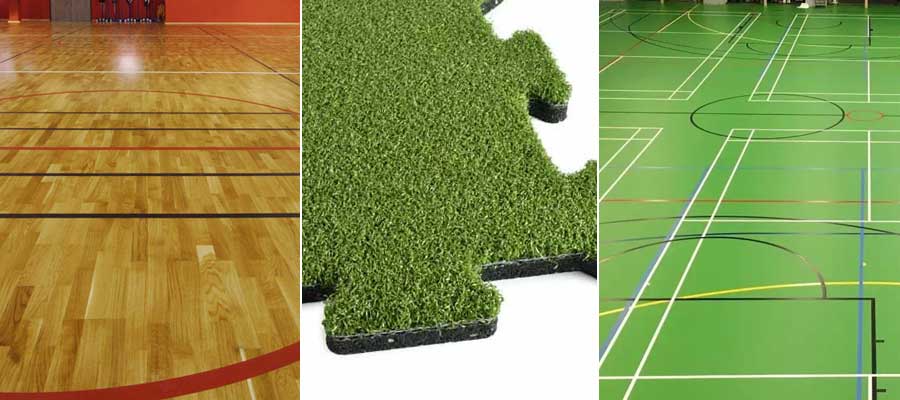
تظل الأرضيات الخشبية من أفضل الأسطح أداءً في صالات كرة الصالات الاحترافية والصالات الرياضية الداخلية.
تُستخدم أرضيات خشب القيقب أو الخشب الهندسي عالية الجودة عادةً في أرضيات الملاعب الرياضية، وتتميز بالمزايا التالية:
- ارتداد ممتاز للكرة
- قوة جر ثابتة
- قدرة عالية على امتصاص الصدمات
- استجابة سريعة أثناء اللعب
تُستخدم الأنظمة الخشبية على نطاق واسع في الصالات الرياضية الداخلية الراقية لأنها تدعم ممارسة رياضات متعددة بخلاف كرة الصالات، بما في ذلك كرة السلة والكرة الطائرة.
لكن الجانب السلبي هو التكلفة. فالأرضيات الخشبية المخصصة للرياضة تتطلب استثمارًا أوليًّا أعلى وتركيبًا احترافيًّا. كما أن صيانتها على المدى الطويل أكثر تعقيدًا مقارنةً بالبدائل المصنوعة من العشب الصناعي.
الأسطح الأكريلية
تُستخدم الأسطح الأكريلية بشكل شائع في الصالات الرياضية متعددة الأغراض. فهي توفر مجموعة واسعة من الألوان والخيارات الزخرفية لمرافقك الرياضية. وتُعد هذه الأسطح الرياضية مناسبة بشكل خاص للملاعب الصغيرة والمرافق الرياضية متعددة الأغراض، حيث تضمن خصائصها المضادة للانزلاق بيئة لعب آمنة.
العشب الرياضي المعياري المتشابك
يتزايد استخدام البلاط الرياضي المعياري المصنوع من مادة البولي بروبيلين (PP) أو مادة TPE في ملاعب كرة القدم الداخلية وشبه الخارجية، وذلك بفضل المرونة التي يتمتع بها في التركيب.
في حالة استخدامها في الفعاليات الرياضية المؤقتة، فإنها تتيح التركيب السريع وتسهل استبدال الأجزاء التالفة.
كما تتميز الأنظمة المعيارية عالية الجودة بقدرة تصريف ممتازة، ومقاومة للأشعة فوق البنفسجية، وامتصاص الصدمات. وهي عملية للغاية في الاستخدامات المؤقتة ذات الميزانيات المحدودة.
ما هو نوع الأرضية المناسب لملعب كرة القدم الخاص بك؟
يتساءل العديد من المشغلين والمقاولين: «ما هو نوع سطح الملعب الأنسب لملعب كرة القدم الخاص بي؟» إن «أفضل» ملعب لكرة القدم يعتمد دائمًا على الأهداف التشغيلية لمكانك.
تؤمن شركة MightyGrass بأن المراكز الرياضية العامة التي تسعى إلى إطالة عمر الملاعب إلى أقصى حد يجب أن تضع المتانة وانخفاض تكاليف الصيانة على رأس أولوياتها. وفي هذه الحالة، غالبًا ما يوفر العشب الصناعي لكرة القدم المعتمد من الفيفا أفضل قيمة على المدى الطويل.
فيما يلي، نقدم تصنيفًا بسيطًا لأسطح الملاعب استنادًا إلى نوع ملعب كرة القدم، وذلك كمرجع لكم.
| نوع الملعب الرياضي | العشب الطبيعي | العشب الصناعي | العشب الهجين | الأرضيات الخشبية | الأكريليك | العشب الصناعي المعياري | الميزات الرئيسية |
| كأس العالم لكرة القدم | ✓ | ✓ | السلوك الطبيعي للكرة والتفاعل مع اللاعب، وهو ما يفضله العديد من الرياضيين؛ قبضة ممتازة وتجربة لعب مريحة | ||||
| ملعب كرة قدم احترافي | ✓ | ✓ | ✓ | الامتثال لمعايير الفيفا والاتحاد الأوروبي لكرة القدم (UEFA)، الأداء العالي، العمر الافتراضي الطويل | |||
| ملعب كرة قدم للهواة | ✓ | تكلفة صيانة منخفضة، ومناسبة للاستخدام على مدار السنة | |||||
| ملعب الأطفال والتدريب | ✓ | ✓ | ✓ | سطح ناعم، يقلل من مخاطر الإصابة، آمن ومرن في الاستخدام | |||
| ملعب رياضي متعدد الأغراض | ✓ | ✓ | ✓ | مناسب لممارسة مختلف الألعاب الرياضية، سطح مقاوم للانزلاق ومتين | |||
| ملعب المدرسة الرياضي | ✓ | ✓ | ✓ | تتميز بمتانتها، وسهولة صيانتها، وجمالها، مع خيارات متنوعة من الألوان | |||
| الفعاليات المؤقتة | ✓ | وهو يتيح التركيب السريع ويُسهّل استبدال الأجزاء التالفة |
ملحوظة: تشير علامة ✓ إلى نوع السطح المفضل أو الموصى به. أما الخانات الفارغة فتشير إلى الأسطح التي لا تُستخدم عادةً أو لا يُوصى بها لهذا النوع من المواقع.
كيف تختار السطح المناسب لملعب كرة القدم؟
يتطلب اختيار الأرضية المناسبة لملاعب كرة القدم تحقيق التوازن بين الأداء والمناخ والميزانية واستراتيجية التشغيل على المدى الطويل. وقد قمنا بإدراج العوامل التالية لتكون مرجعاً لكم:
بالنسبة للمباريات الاحترافية: نوصي باستخدام الملاعب المعتمدة من قبل الفيفا أو الاتحاد الأوروبي لكرة القدم (UEFA).
تكرار الاستخدام: يتطلب الملعب الذي يُستخدم لمدة تتراوح بين 50 و80 ساعة أسبوعيًا خصائص متانة تختلف تمامًا عن تلك المطلوبة في المنشأة الخاصة التي لا تُستخدم إلا بشكل محدود. وعادةً ما تتفوق أنظمة العشب الصناعي على العشب الطبيعي في ظروف الاستخدام المكثف.
الظروف المناخية: يمكن أن تؤثر الحرارة الشديدة أو نقص المياه أو هطول الأمطار لفترات طويلة بشكل كبير على أداء السطح ومتطلبات صيانته. ويُعد العشب الصناعي المقاوم لجميع الظروف الجوية خيارك الأفضل.
موارد الصيانة: تتطلب الأنظمة الطبيعية والمختلطة فرق صيانة متخصصة. ويقلل العشب الصناعي بشكل كبير من استهلاك المياه، وعمليات القص، والتسميد، وفترات التوقف اللازمة لاستعادة العشب.
سلامة اللاعبين: تؤثر وسادات الصدمات، واتساق قوة الجر، واستقرار السطح بشكل مباشر على مخاطر الإصابة. وتخضع الأنظمة المعتمدة من الاتحاد الدولي لكرة القدم (FIFA) لاختبارات ميدانية صارمة لضمان استيفائها لمتطلبات السلامة هذه.
ميزانية المشروع: تكلفة التركيب الأولية مهمة، لكن تكلفة دورة الحياة أكثر أهمية. على المدى الطويل، قد تكون أنظمة العشب الصناعي الرخيصة أكثر تكلفة من أنظمة العشب الصناعي عالية الجودة التي تتميز بتكاليف تشغيل أقل.
مايتي جراس تساعد شركاءنا في جميع أنحاء العالم على تطوير مرافق كرة القدم الاحترافية من خلال حلول العشب الصناعي المخصصة والمصممة لتحقيق أداء عملي فعلي. بدءًا من العشب الصناعي لكرة القدم المعتمد من الفيفا وصولاً إلى أنظمة أرضيات كرة الصالات الداخلية، يقدم فريقنا الدعم للموزعين والمقاولين وشركات البناء الرياضية ومطوري المرافق من خلال التخصيص وفقًا لمتطلبات المصنعين الأصليين (OEM)، والتوجيه الفني، والخبرة العالمية في إدارة المشاريع.
خاتمة
يعتمد اختيار السطح المناسب لملعب كرة القدم على أهداف مشروعك، وميزانيتك، ومتطلبات الاستخدام، وقدراتك في مجال الصيانة.
لا يزال العشب الطبيعي يوفر تجربة كرة القدم الاحترافية التقليدية، في حين تهيمن الأنظمة الهجينة على العديد من الملاعب الراقية. ومع ذلك، بالنسبة لمعظم المنشآت الرياضية الحديثة، يوفر العشب الصناعي المعتمد من الفيفا المزيج الأكثر عملية من حيث المتانة والأداء الثابت وقلة الصيانة وإمكانية الاستخدام على مدار العام.
مع استمرار تزايد الإقبال على ممارسة كرة القدم في جميع أنحاء العالم، يتجه أصحاب المشاريع بشكل متزايد إلى اختيار أنظمة العشب الصناعي المتطورة التي توفر قيمة أفضل على مدار دورة الحياة، والاستدامة، والقدرة على التكيف مع الظروف المناخية.
إذا كنت تخطط لمشروع إنشاء ملعب كرة قدم وترغب في الحصول على دعم متخصص لاختيار نظام التغطية المناسب، فيُرجى الاتصال بشركة MightyGrass للتعرف على العشب الرياضي الحلول والحصول على أفضل الأسعار في السوق.
التعليمات
هل العشب الصناعي أفضل من العشب الطبيعي لممارسة كرة القدم؟
لكل من العشب الصناعي والعشب الطبيعي مزاياه الخاصة.
يوفر العشب الطبيعي تجربة لعب تقليدية ودرجات حرارة أقل للسطح. ومع ذلك، فإنه يتطلب صيانة مكثفة وريًّا وفترة استعادة طويلة.
يوفر العشب الصناعي إمكانية اللعب على مدار العام، ومتانة ممتازة، وتكاليف تشغيل أقل. وقد صُممت أنظمة العشب الصناعي المخصصة لكرة القدم والحاصلة على شهادة الفيفا بحيث تحاكي أداء العشب الطبيعي إلى حد كبير، مع قدرتها على تحمل الاستخدام المكثف.
كم يدوم ملعب كرة القدم الاصطناعي؟
عادةً ما تدوم الملاعب الاصطناعية لكرة القدم عالية الجودة ما بين 8 و15 عامًا، اعتمادًا على كثافة استخدام اللاعبين، وإجراءات الصيانة، والظروف المناخية، وجودة العشب. وعادةً ما توفر الأنظمة الاحترافية المعتمدة من الاتحاد الدولي لكرة القدم (FIFA) عمرًا تشغيليًّا أطول.
ما هو العشب الصناعي المعتمد من الفيفا؟
يشير مصطلح «العشب الصناعي المعتمد من الفيفا» إلى أنظمة العشب الصناعي المخصصة لكرة القدم التي اجتازت برنامج اختبارات الجودة الخاص بالفيفا. وتقيّم هذه الاختبارات عوامل مثل حركة الكرة، وامتصاص الصدمات، ومقاومة الدوران، والتشوه الرأسي، وسلامة اللاعبين.
علاوة على ذلك، لا تنطبق شهادة الفيفا على ألياف العشب الفردية، بل على نظام العشب الصناعي بأكمله، والذي يشمل عادةً العشب الصناعي، وحبيبات الحشو، ورمل السيليكا، ووسائد امتصاص الصدمات، والطبقة الأساسية. ويجب اختبار هذه المكونات ككل.
ما هو العشب الهجين في ملاعب كرة القدم؟
يجمع العشب الهجين بين العشب الطبيعي وألياف تقوية اصطناعية مدمجة في منطقة الجذور. يعمل هذا النظام على تحسين المتانة مع الحفاظ على مظهر العشب الطبيعي وخصائصه أثناء اللعب.
تستخدم العديد من ملاعب كرة القدم الاحترافية أنظمة هجينة لأنها قادرة على تحمل مستويات استخدام أعلى مقارنة بالملاعب التقليدية ذات العشب الطبيعي.
ما هي أفضل أرضية لكرة القدم للمدارس ومرافق التدريب؟
بالنسبة للمدارس وأكاديميات كرة القدم ومراكز التدريب، يُعد العشب الصناعي عادةً الخيار الأكثر فعالية من حيث التكلفة.
وهو يتيح الاستخدام المستمر على مدار العام، ويقدم أداءً جيدًا في مختلف الظروف الجوية، ويقلل تكاليف الصيانة إلى أدنى حد. يمكنك اختيار العشب الصناعي الذي يفي بمعايير الفيفا لأنه يتحمل جداول التدريب اليومية المكثفة.
ما هي أفضل أرضية لكرة القدم الداخلية؟
يعتمد اختيار أفضل سطح لكرة القدم الداخلية على الغرض الرئيسي من المنشأة.
يحظى العشب الصناعي الداخلي بشعبية كبيرة في مراكز كرة القدم الترفيهية ومرافق التدريب. وغالبًا ما تُفضل الصالات الرياضية متعددة الأغراض استخدام الأرضيات الخشبية الرياضية لأنها توفر ارتدادًا ممتازًا للكرة وتسرع وتيرة اللعب.
هل ترتفع درجة حرارة العشب الصناعي في الصيف؟
نعم. يمكن أن ترتفع درجة حرارة العشب الصناعي بشكل ملحوظ مقارنة بالعشب الطبيعي عند التعرض لأشعة الشمس المباشرة.
ولمعالجة هذه المشكلة، تُستخدم تقنيات التبريد من «MightyGrass»، وأنظمة الخيوط العاكسة، وهياكل الألياف المُخفِّضة للحرارة، المصممة لخفض درجات حرارة الأسطح في المناخات الحارة.
ما الذي يجب أن آخذه في الاعتبار عند اختيار سطح ملعب كرة القدم؟
عند اختيار سطح ملعب كرة القدم، يجب مراعاة ما يلي:
- عدد ساعات الاستخدام المتوقعة
- الظروف المناخية
- موارد الصيانة
- ميزانية التركيب
- تكاليف التشغيل على المدى الطويل
- متطلبات سلامة اللاعبين
- معايير الفيفا أو الهيئات الإدارية الرياضية
- احتياجات الاستخدام الداخلي أو الخارجي
إن أكثر مشاريع كرة القدم نجاحًا هي تلك التي تُقيّم كلاً من الاستثمار الأولي والتكاليف الإجمالية على مدار دورة الحياة قبل اتخاذ القرار النهائي.


