
 Português
  English
  العربية
  Español
  Deutsch
  Français
  Русский
  日本語
日本語  Italiano
  Nederlands
  Svenska
  Suomi
Suomi  ไทย
ไทย  Dansk
Dansk  Ελληνικά
  Bahasa Melayu
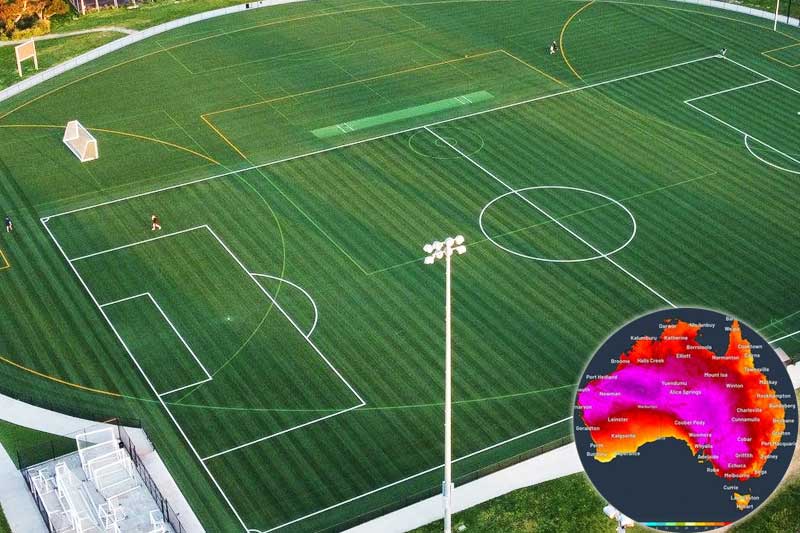
Ao longo da última década, o mercado de relva artificial na Austrália tem crescido de forma constante, principalmente devido aos desafios que as condições climáticas únicas do país colocam à manutenção da relva natural. Verões longos e secos, restrições de água, exposição aos raios UV e custos de manutenção crescentes têm levado cada vez mais proprietários, empreiteiros, escolas e gestores de imóveis comerciais a optar pela relva artificial.
Desde os quintais das casas em Sydney até aos terraços nos telhados de Melbourne e aos campos desportivos em Perth, a relva artificial tornou-se uma solução prática para manter a vegetação verde durante todo o ano com uma manutenção mínima.
A relva artificial moderna já não se assemelha aos relvados de plástico do passado. A relva artificial de alta qualidade atual utiliza fios multitons, sistemas de suporte avançados e um sistema de drenagem melhorado, tornando-a a relva artificial mais realista da Austrália.
Este guia explica tudo o que os compradores australianos precisam de saber — desde as normas e os tipos de produtos até aos preços e à seleção de fornecedores.
Por que é que a relva artificial está a tornar-se popular na Austrália?
A relva artificial já não se limita aos campos desportivos. Tornou-se um material de paisagismo muito utilizado em projetos residenciais, comerciais e municipais na Austrália.
De acordo com o Serviço Meteorológico, locais como Perth, na Austrália Ocidental, e Adelaide, na Austrália do Sul, enfrentam frequentemente ciclos de seca e precipitação sazonal irregular. Os relvados tradicionais podem consumir entre 500 e 800 litros de água por metro quadrado por ano, dependendo da espécie de relva e das práticas de rega. Se a sua zona estiver sujeita a restrições de água, manter um relvado natural e viçoso está a tornar-se cada vez mais dispendioso.
A relva artificial resolve esse problema de imediato.
Em vez de irrigação contínua, corte da relva, fertilização, controlo de ervas daninhas e gestão de pragas, a relva sintética proporciona uma superfície sempre verde com uma manutenção mínima. Para os proprietários, isto traduz-se em custos de manutenção anuais mais baixos. Para os promotores imobiliários e empreiteiros, significa um desempenho previsível e despesas reduzidas ao longo do ciclo de vida.
O clima da Austrália também favorece a adoção da relva artificial. Em muitas regiões, as temperaturas da superfície no verão podem ultrapassar os 35 °C, enquanto os níveis de radiação UV se mantêm entre os mais elevados do mundo. A relva natural enfrenta frequentemente problemas como relva rala, zonas sem relva e desgaste irregular.
Poderosa grama inclui a tecnologia patenteada «Cool Turf», que reduz eficazmente a acumulação de calor, ao mesmo tempo que aumenta a resistência do relvado face a um tráfego pedonal intenso — sem dúvida uma grande vantagem para os compradores australianos, que enfrentam luz solar intensa e longas estações secas.
Normas e requisitos de segurança relativos ao relvado artificial na Austrália
Embora a Austrália não imponha uma norma nacional única e obrigatória para toda a relva artificial para paisagismo, os fornecedores de renome cumprem normalmente os padrões internacionais de ensaio relativos à resistência aos raios UV, à segurança química, à drenagem e ao desempenho mecânico. Entre os indicadores de desempenho importantes incluem-se:
| Parâmetro | Gama recomendada |
| Resistência UV | 3 000 ou mais de 5 000 horas de ensaios de exposição aos raios UV |
| Taxa de drenagem | 30–60+ L/min/m² |
| Resistência à tração do fio | Fibras de PE/PP de alta resiliência |
| Recuperação de estacas | ≥ 90% após compressão |
| Segurança Química | Em conformidade com as normas SGS, REACH e ISO |
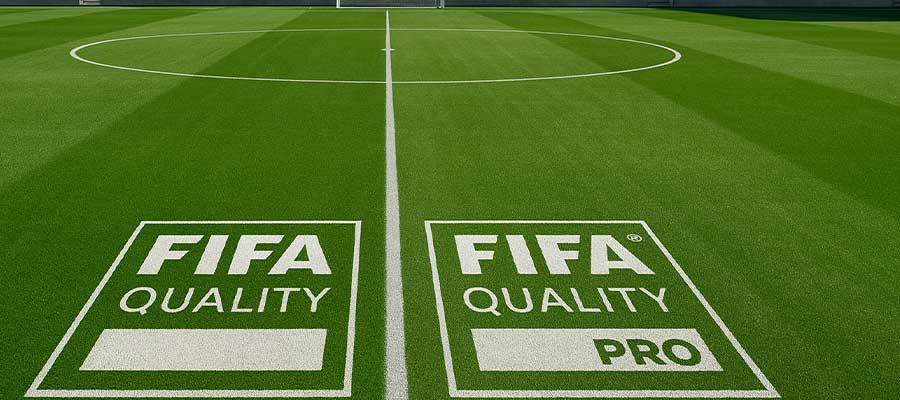
No caso dos relvados desportivos, as normas de certificação, tais como a certificação da FIFA e os ensaios previstos no Regulamento 22 da World Rugby, revistem-se de particular importância. Além disso, dependendo dos requisitos do seu projeto — ou das necessidades típicas das instalações comerciais e públicas —, é necessário utilizar um relvado ignífugo.
Aplicações do relvado artificial na Austrália
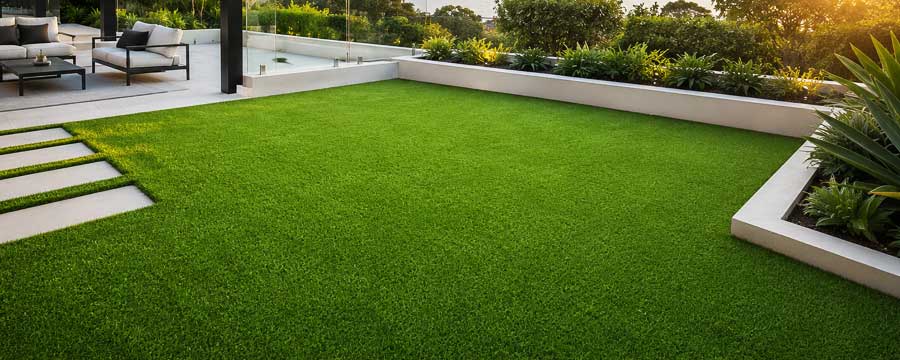
A relva artificial tem uma vasta gama de aplicações em toda a Austrália, uma vez que apresenta um bom desempenho tanto em contextos residenciais como comerciais. Além disso, as escolas e as creches privilegiam especialmente a relva artificial, uma vez que esta reduz eficazmente a lama, aumenta a segurança das crianças e diminui as necessidades de manutenção.
| Categoria da candidatura | Utilizações típicas | Principais benefícios |
| Paisagismo residencial | Jardins da frente Quintais Piscina Arredores Telhados Varandas | Baixa manutenção, poupança de água, aspeto verde durante todo o ano |
| Paisagismo comercial | Centros comerciais Hotéis Restaurantes Edifícios de escritórios Locais para eventos | Estética melhorada, custos de manutenção reduzidos, superfícies duráveis para zonas de tráfego intenso |
| Instalações educativas | Parques infantis escolares Jardins de infância Campus universitários Centros de acolhimento de crianças | Áreas de recreio seguras, superfícies sem lama, utilizáveis em qualquer condição meteorológica |
| Aplicações desportivas | Campos de futebol Campos de Rugby Campos de ténis Campos de padel Campos de críquete Pistas polidesportivas | Desempenho consistente, maior autonomia de reprodução, menores necessidades de manutenção |
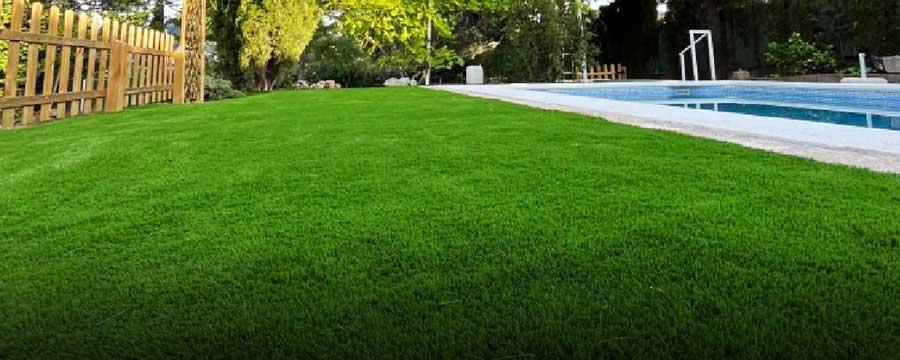
Tipos de relva artificial na Austrália
Na realidade, diferentes aplicações exigem diferentes estruturas de relva, tecnologias de fibras, sistemas de drenagem e características de desempenho. Um relvado paisagístico concebido para fins estéticos residenciais pode não suportar as exigências de um campo de futebol, enquanto a relva desportiva inclui frequentemente características que seriam desnecessárias — e mais caras — para um projeto de jardim particular. Compreender as principais categorias de relva artificial ajuda-o a escolher o produto certo para o seu projeto, a otimizar o seu investimento e a evitar pagar por especificações de que não necessita realmente.
| Tipo de relva | Especificações típicas | Aplicações comuns |
| Relva paisagística | •Altura do pêlo: 25–40 mm •Cores de fios multitons •Fio de PE macio •Elevada densidade de pontos | Jardins da frente, jardins das traseiras, áreas em redor da piscina, jardins nos telhados, paisagismo comercial |
| Relvado desportivo | •Estrutura de fios reforçada •Suporte compatível com enchimento •Elevada resistência à abrasão | Campos de futebol e de râguebi (40–60 mm); campos de críquete, campos de ténis e campos de padel (10–30 mm) |
| Gramado para animais de estimação | • Superfície antimicrobiana • Sistema de drenagem rápida • Design de fácil limpeza • Capacidade de controlo de odores | Áreas para cães, parques para animais de estimação, instalações veterinárias, áreas residenciais para animais de estimação |
| Rolos de relva DIY | • Formato em rolo leve • Tamanhos pré-cortados disponíveis • Instalação simples • Baixa manutenção | Varandas, pátios, pavimentos para eventos, stands de exposições, exposições temporárias |
A relva sintética de polipropileno (PP) é económica, mas carece de durabilidade. A relva sintética de nylon (PA) tem um toque mais rígido e é extremamente durável, mas tem um preço mais elevado. A relva de polietileno (PE) encontra um equilíbrio entre as duas, oferecendo uma textura suave, boa resiliência e um aspeto natural e realista, tornando-a a escolha ideal para a maioria das aplicações.
Custo da relva artificial na Austrália
Os preços da relva artificial na Austrália variam significativamente consoante a qualidade do material, a altura das fibras, a densidade e a complexidade da instalação.
| Tipo de produto | Preço do material (AUD/m²) | Custo de instalação (AUD/m²) |
| Relva para paisagismo a preços acessíveis | 15-25 | 60–90 |
| Relva residencial de gama média | 25–40 | 80–120 |
| Relva de paisagismo de alta qualidade | 40–65 | 100–150+ |
| Sistemas de relva desportiva | 35–80+ | 120–250+ |
Os custos de instalação incluem normalmente a escavação do local, a colocação da base de pedra britada, a compactação, a instalação de tecido anti-ervas daninhas e o acabamento das juntas e bordas.
Para grandes compradores grossistas, importar diretamente de um fabricante pode reduzir substancialmente os custos de aquisição. É por isso que muitos distribuidores, empreiteiros e promotores de projetos australianos recorrem cada vez mais a fabricantes estrangeiros, como a MightyGrass. Ao trabalhar com um fabricante verticalmente integrado, em vez de com vários intermediários, obtém-se um melhor controlo sobre a personalização do produto, a garantia de qualidade e o custo total de importação.
Como escolher o melhor relvado artificial para o clima australiano?
Escolhendo relva artificial Na Austrália, é necessário adaptar as especificações dos produtos às condições ambientais locais.
A resistência aos raios UV deve ser uma prioridade máxima. A relva sintética importada e barata costuma degradar-se rapidamente sob a luz solar australiana.
Pergunte aos fornecedores:
- O fio é resistente aos raios UV?
- Já foram concluídos os ensaios meteorológicos acelerados?
- Que garantia é oferecida?
Os fornecedores de confiança costumam oferecer garantias de 8 a 10 anos ou mais para produtos de gama alta.
Com base nos fatores acima mencionados — tais como as condições ambientais locais, o tipo de relva artificial e a aplicação pretendida —, pode selecionar a estrutura adequada das fibras, a densidade do pelo e o revestimento de base. Por exemplo, ao escolher relva artificial adequada para animais de estimação, destinada a parques para animais ou áreas residenciais para animais, recomenda-se selecionar um produto com uma altura de pêlo de 25–30 mm, uma densidade de aproximadamente 16 800 pontos/m², uma mistura de fios de PE encaracolados e retos, um Dtex de cerca de 11 000 e um suporte de dupla camada (PP + PU); além disso, devem ser considerados fatores como a permeabilidade e as propriedades antimicrobianas.
O melhor fornecedor de relva artificial da Austrália
O mercado australiano de relva artificial inclui uma combinação de distribuidores locais, marcas internacionais de gama alta e fabricantes diretos. Se estiver à procura de relva artificial, compreender os pontos fortes de cada tipo de fornecedor pode ajudá-lo a tomar uma melhor decisão de compra.
Fornecedores locais de relva artificial na Austrália
Os distribuidores locais são frequentemente a primeira escolha dos proprietários e dos pequenos empreiteiros, uma vez que oferecem entregas mais rápidas, acesso a salas de exposição locais e apoio na instalação.
Advanced Polymer Technology Ásia-Pacífico (APT)
A APT é mais conhecida no setor dos pavimentos desportivos do que no da paisagística residencial. A empresa fornece pavimentos sintéticos para instalações desportivas e recreativas, incluindo sistemas de relva sintética concebidos para satisfazer os requisitos de desempenho profissional.
Atuam em áreas como instalações desportivas, recintos escolares e infraestruturas de lazer.
Para os compradores que trabalham com projetos específicos, a APT é reconhecida pelos seus sistemas de pavimentos desportivos projetados, e não pelo relvado paisagístico em geral.
FácilTurf
A EasyTurf é um fornecedor especializado em paisagismo que atende clientes residenciais e comerciais em toda a Austrália. A sua gama de produtos abrange principalmente relvados sintéticos para jardins, áreas em redor de piscinas e projetos de paisagismo decorativo.
A EasyTurf oferece relva artificial e serviços de instalação em Melbourne, Brisbane, Perth, Sydney e Adelaide. Se privilegia a conveniência em detrimento das compras a granel, a EasyTurf é frequentemente a escolha ideal.
OneGrass Austrália
A OneGrass fornece produtos de relva sintética para paisagismo, parques infantis e instalações desportivas. A empresa privilegia soluções de relva sintética ecológicas e oferece várias opções de altura e densidade do fio.
A sua principal base de clientes é constituída por arquitetos paisagistas, instaladores e clientes que procuram soluções de relva para projetos comerciais de pequena escala; oferecem uma variedade de opções no que diz respeito à altura e densidade das folhas de relva.
Marcas premium de relva desportiva dos EUA: FieldTurf
As marcas americanas de gama alta são amplamente reconhecidas pela sua tecnologia, imagem de marca e inovação no domínio dos relvados desportivos. São frequentemente escolhidas para projetos desportivos comerciais e profissionais de elevado orçamento.
A FieldTurf é mundialmente conhecida no setor dos relvados desportivos e já forneceu relvados para estádios profissionais, universidades e instalações de treino.
A FieldTurf destaca-se especialmente em campos de futebol americano, superfícies de râguebi e infraestruturas desportivas de alto nível.
No que diz respeito às aplicações desportivas profissionais, a FieldTurf continua a ser uma das marcas mais reconhecidas a nível mundial.
Fabricante chinês de relva artificial: MightyGrass
Embora os distribuidores australianos proporcionem comodidade a nível local e as marcas americanas ofereçam um forte reconhecimento de marca, muitos importadores, empreiteiros e compradores grossistas estão, cada vez mais, a adquirir diretamente junto dos fabricantes chineses para obterem melhores preços e personalização. É aqui que a MightyGrass se destaca.
A MightyGrass é uma empresa verticalmente integrada, Fabricante de relva artificial certificado pela FIFA com mais de 20 anos de experiência na produção. Ao contrário dos distribuidores, a MightyGrass controla todo o processo de fabrico — desde a extrusão do fio até ao tufing e à confeção do forro.
Este modelo de produção traz várias vantagens para os compradores australianos:
O abastecimento direto da fábrica reduz os custos de aquisição, eliminando as margens dos intermediários.
Oferecemos serviços de personalização altamente flexíveis. Podemos satisfazer os seus requisitos específicos no que diz respeito à altura das pilhas, densidade dos tufos, formato das lâminas, combinações de cores, tipo de base e marca OEM.
Para distribuidores, empreiteiros e promotores de projetos que procuram um equilíbrio entre qualidade superior, personalização e preços competitivos, a MightyGrass oferece uma alternativa atraente tanto aos revendedores locais como às marcas globais de gama alta.
Processo de instalação de relva artificial na Austrália
Mesmo a relva artificial de alta qualidade pode apresentar falhas se a instalação for mal feita. A preparação adequada da base é determinante para a drenagem, a estabilidade e a vida útil.
A instalação de relva artificial padrão segue, geralmente, os seguintes passos:
- Preparação do local: A superfície existente deve ser limpa de relva, raízes, detritos e solo solto. A profundidade de escavação varia normalmente entre 50 e 100 mm, dependendo das condições do local. Uma preparação adequada do local evita futuros problemas de assentamento.
- Construção da base: Uma base de pedra britada compactada ou de granito decomposto cria uma fundação estável. A maioria dos instaladores profissionais procura atingir uma densidade de compactação da base superior a 90–95%, para minimizar o movimento. Esta camada também melhora a drenagem.
- Instalação de uma barreira contra ervas daninhas: Uma membrana anti-ervas daninhas ajuda a impedir o crescimento de vegetação por baixo do relvado. Isto reduz a necessidade de manutenção ao longo do tempo.
- Estendimento e corte da relva artificial: Os rolos de relva artificial são posicionados cuidadosamente antes de se apararem as bordas e de se ajustarem em torno dos contornos. Nesta fase, o alinhamento preciso é fundamental para a visibilidade das juntas e a consistência da orientação das fibras.
- Costura e junção: Os rolos de relva adjacentes são unidos utilizando fita de costura e adesivo de dois componentes. Uma má instalação das costuras é uma das causas mais comuns de defeitos visíveis na instalação. Os instaladores profissionais garantem que a direção do pêlo se mantém uniforme em todos os painéis.
- Fixação das bordas: As bordas são fixadas com pregos para relva ou com dispositivos de retenção perimetrais, dependendo do substrato. Isto evita que se desloquem ou se enrolem.
- Preenchimento e pinceladas: tais como relvado de futebol Estes sistemas requerem um enchimento, como areia de sílica, para melhorar a estabilidade e a recuperação das fibras. Por fim, a escovagem mecânica levanta as fibras, conferindo-lhes um aspeto natural.
Uma instalação profissional prolonga normalmente o desempenho fiável dos sistemas de relva de qualidade em 8 a 15 anos.
Requisitos de manutenção do relvado artificial na Austrália
| Tarefa de manutenção | Frequência recomendada | Propósito |
| Retire as folhas e os detritos | Semanalmente ou conforme necessário | Evita o entupimento do escoamento e mantém a superfície limpa |
| Escovar as fibras da relva | Mensal | Mantém o pelo com um aspeto ereto e evita que se emaranhe |
| Enxague a superfície | A cada 2–4 semanas | Remove o pó, o pólen e a acumulação de sujidade |
| Verificar as áreas de drenagem | Trimestral | Garante um escoamento eficiente da água durante chuvas intensas |
| Remover as ervas daninhas | Conforme exigido | Impede que as ervas daninhas cresçam à volta das juntas e das bordas |
| Inspecione as costuras e as bordas | Anualmente | Deteta pequenos problemas antes que se transformem em reparações dispendiosas |
No caso de instalações de relva artificial adequadas para animais de estimação, poderá ser necessária uma limpeza adicional — como remover imediatamente os dejetos dos animais, enxaguar frequentemente com água, utilizar produtos desodorizantes adequados para relva artificial quando necessário e verificar regularmente o funcionamento do sistema de drenagem
Conclusão
A relva artificial tornou-se uma das opções mais práticas para o paisagismo e soluções para pavimentos desportivos na Austrália. O aumento dos custos da água, das despesas com mão-de-obra e os desafios relacionados com o clima na manutenção dos relvados continuam a impulsionar a procura nos setores residencial, comercial e desportivo.
No entanto, escolher o relvado artificial certo exige mais do que apenas comparar preços. Quer esteja a adquirir relvado artificial para um projeto de paisagismo doméstico ou a importar quantidades em contentores para grandes empreendimentos comerciais, a escolha do parceiro de fabrico certo pode melhorar significativamente tanto o desempenho do produto como a eficiência de custos a longo prazo.
Se procura um fabricante de relva artificial de confiança para o mercado australiano, contacte-nos hoje mesmo — a MightyGrass pode ajudá-lo a encontrar a solução certa para o seu próximo projeto.
Perguntas frequentes
Vale a pena instalar relva artificial na Austrália?
Sim, a relva artificial é frequentemente um investimento que vale a pena na Austrália, especialmente em regiões com restrições de água ou custos elevados de manutenção do relvado. Embora o custo inicial de instalação seja superior ao da relva natural, a relva artificial pode reduzir significativamente as despesas a longo prazo relacionadas com a rega, o corte, a fertilização e as reparações do relvado. Para muitos proprietários de casas e imóveis comerciais australianos, a menor necessidade de manutenção e a aparência constante ao longo do ano tornam-na uma solução económica.
A relva artificial fica quente no verão australiano?
Sim, a relva artificial pode ficar mais quente do que a relva natural durante o verão, especialmente sob a luz solar direta.
As temperaturas da superfície podem aumentar significativamente durante as tardes quentes na Austrália. No entanto, a relva sintética de alta qualidade que utiliza tecnologia avançada de fios — como a relva «MightyGrass Cool Turf» e os sistemas de enchimento refrescantes — pode ajudar a reduzir a acumulação de calor e a melhorar o conforto. O enchimento de cor clara e a pulverização ocasional de água também podem ajudar a baixar a temperatura da superfície.
A relva artificial aguenta chuvas intensas na Austrália?
Sim, a relva artificial de qualidade é concebida com orifícios de drenagem e sistemas de base permeáveis para gerir eficazmente a água da chuva.
Poderosa grama Relva artificial altamente permeável oferece taxas de drenagem iguais ou superiores a 60 litros por minuto por metro quadrado, permitindo que a água escorra rapidamente pela superfície. A preparação adequada da base durante a instalação é igualmente importante para evitar a acumulação de água.
Qual é o melhor tipo de relva artificial para o clima australiano?
Na maioria das aplicações de paisagismo na Austrália, a relva artificial de polietileno (PE) com estabilizadores UV e base de poliuretano apresenta o melhor desempenho. Esta combinação proporciona:
- maior suavidade
- maior resistência ao calor
- elevada resistência aos raios UV
- bom desempenho de drenagem
Para aplicações desportivas, é normalmente preferível utilizar relva sintética de maior densidade com base reforçada.
Será que é mais barato importar relva artificial da China?
Para distribuidores, empreiteiros e compradores de projetos de grande escala, importar diretamente da China é, muitas vezes, mais económico do que comprar através de distribuidores locais.
O abastecimento direto da fábrica pode oferecer:
- custo unitário mais baixo
- especificações personalizadas
- Marca do fabricante de equipamento original (OEM)
- preços mais vantajosos para compras em grandes quantidades
No entanto, os compradores devem avaliar cuidadosamente a capacidade de produção, as certificações e o controlo de qualidade antes de importarem. A MightyGrass proporciona-lhe tranquilidade.


